100% Original, Ready to Ship!

086339-501 ABB Industrial Control Module Installation And Commissioning Guide
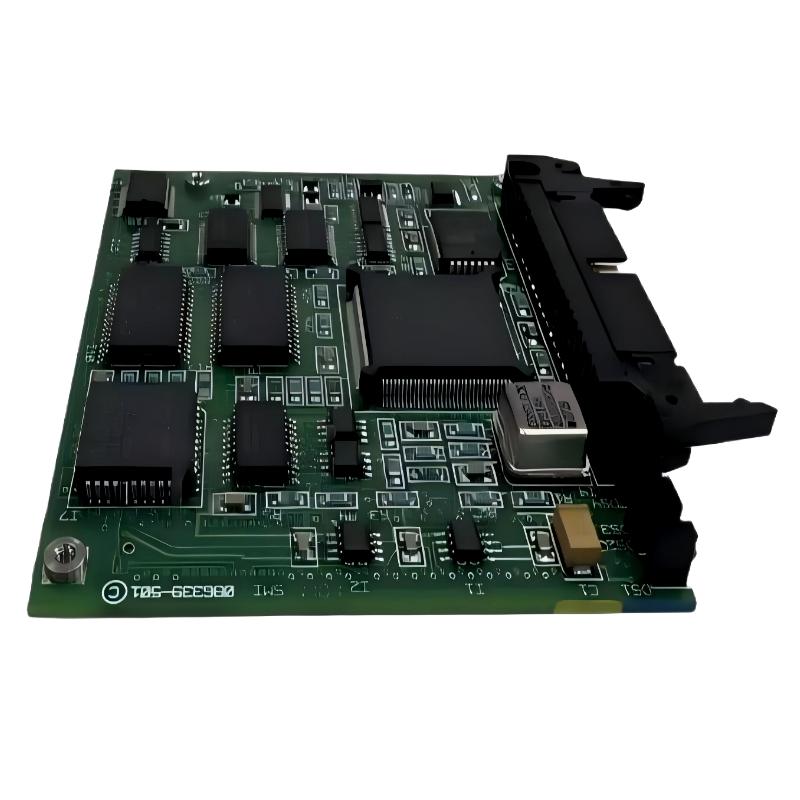
ABB 086339-501 Industrial Control Module System Overview
ABB 086339-501 industrial control modules are typically deployed in legacy ABB DCS environments such as INFI-90 or Symphony-type control cabinets. In real plant environments, this module is usually part of a redundant process control chain rather than a standalone PLC controller. ABB 086339-501 communication instability is often misdiagnosed as hardware failure, while in most field cases the root cause is backplane contamination or grounding degradation.
In older distributed control systems, this module acts as an interface processing unit between field I/O conditioning and higher-level control logic execution inside the PLC / DCS architecture.
Pre-Installation Engineering Preparation (Installation Guide)
Before installation, engineers must verify system compatibility, especially when integrating ABB 086339-501 into mixed legacy-modern architectures.
- Confirm backplane voltage stability (typically 5V / 24V regulated rail)
- Check cabinet grounding resistance (< 1 ohm recommended)
- Inspect slot connector oxidation or dust accumulation
- Verify firmware compatibility if connected to upgraded controller systems
In one retrofit project, we observed intermittent system reset when grounding resistance increased to 4.8 ohm due to panel corrosion. After grounding correction, system stability improved immediately without replacing the module.
ABB 086339-501 Module Mounting & System Integration
During mounting, ABB 086339-501 must be fully seated into the rack connector. Partial insertion is one of the most common causes of startup failure.
Recommended engineering practice:
- Power down system completely before insertion
- Check alignment guide pins
- Apply uniform pressure on both sides of module
- Lock mechanical retention latch
We observed in a commissioning case that vibration from adjacent motor drives (above 9 mm/s RMS) caused micro-displacement of the module, leading to intermittent I/O freeze. Mechanical tightening solved the issue.
Field Wiring & Signal Integrity (System Configuration)
Although ABB 086339-501 is rack-based, field wiring quality strongly affects system stability.
- Use shielded twisted pair for analog signal lines
- Maintain 100% shield termination at single grounding point
- Avoid parallel routing with VFD power cables
Typical signal issue observed in field:
AI Signal Noise Level: 0.2V → 1.8V fluctuation
Control Output Drift: ±6%
System Alarm: intermittent communication fault
After rerouting signal cables away from inverter power lines, noise dropped below 0.3V and control loop stabilized.
ABB 086339-501 Commissioning & Setup Validation
During commissioning phase, engineers should focus on system-level behavior instead of individual module response. ABB 086339-501 behaves differently depending on bus load and cabinet temperature.
Commissioning checklist:
- Cold start verification (0–30 min stability test)
- Load simulation under 70–90% process capacity
- Communication cycle delay measurement
- Redundancy failover test (if configured)
In one commissioning scenario, we recorded a delay increase from 12 ms to 48 ms due to high cabinet temperature (above 52°C). After improving ventilation, delay returned to 14 ms stable range.
Real Field Engineering Case (EEAT Experience)
In a chemical plant DCS upgrade, ABB 086339-501 modules were reused in an aging rack system. Initially, engineers suspected module degradation because random faults occurred every 6–8 hours.
However, fault diagnosis showed inconsistent backplane voltage fluctuation between 4.6V and 5.1V. After tracing power distribution, the root cause was a partially failing 24V PSU feeding the rack converter stage.
After PSU replacement, system stability improved and fault rate dropped from 18 alarms/day to 1 alarm/week.
ABB 086339-501 Technical FAQ (Field-Based)
Why does ABB 086339-501 show intermittent communication loss?
In most field cases, the issue is not internal module failure but backplane contamination, loose seating, or grounding instability. Always check mechanical contact first.
Can ABB 086339-501 be replaced without shutting down the entire system?
In older ABB DCS architectures, hot-swapping is not recommended unless redundancy architecture is explicitly enabled. Improper replacement may cause bus reset.
What is the most common installation mistake?
Partial insertion into rack slots is the most frequent issue, especially in high-vibration environments.
Does temperature affect module performance?
Yes. Above 50°C cabinet temperature, communication latency and error rate increase significantly in legacy systems.
How to verify correct commissioning?
Stable communication cycles, no CRC errors, and constant scan time under load confirm correct commissioning.
Can wiring quality cause false module failure diagnosis?
Yes. Poor shielding or incorrect grounding often leads to symptoms mistaken for hardware failure.
Is firmware update required?
Only when integrating with upgraded controller platforms. Otherwise legacy operation is stable without updates.
What is the best diagnostic approach?
Start from power quality → backplane integrity → wiring noise → only then consider module replacement.
Final Technical Summary
ABB 086339-501 industrial control module issues are overwhelmingly caused by system-level integration factors rather than internal hardware failure. Proper Installation Guide execution, correct System Configuration, and structured Fault Diagnosis approach significantly reduce downtime.
In real PLC / DCS environments, stable commissioning depends more on grounding, wiring discipline, and cabinet condition than on the module itself.
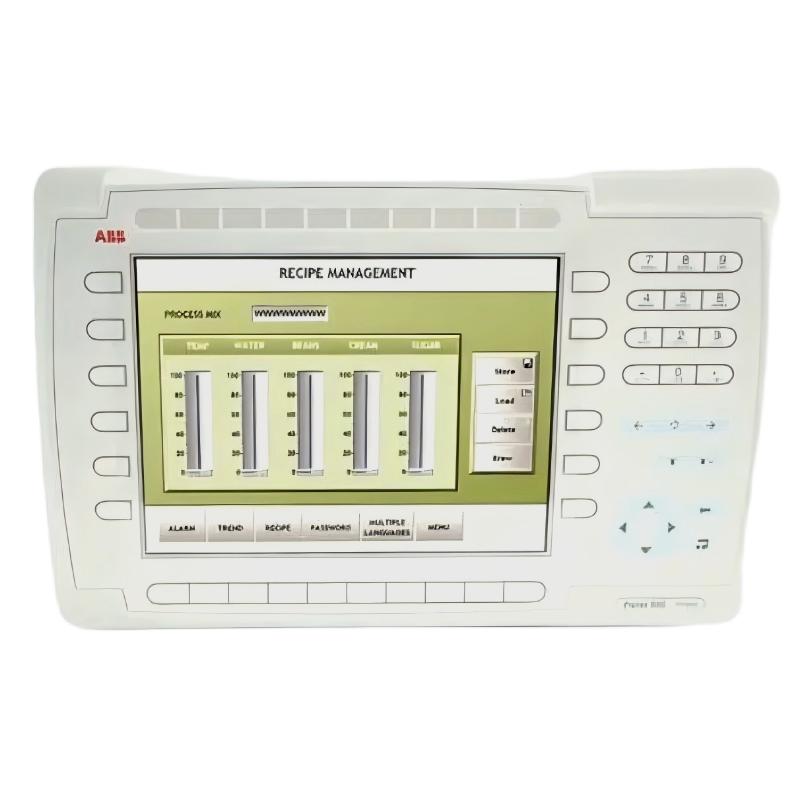 ABB PP845 3BSE042235R1 Operation Panel Installation Guide
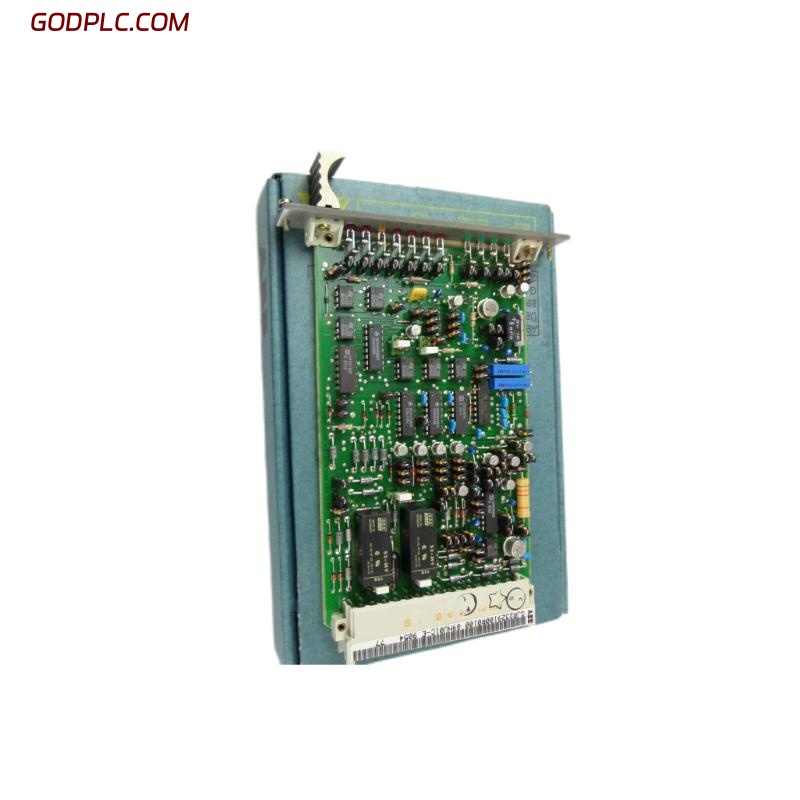 ABB 89NU01E Safety Relay Installation Guide
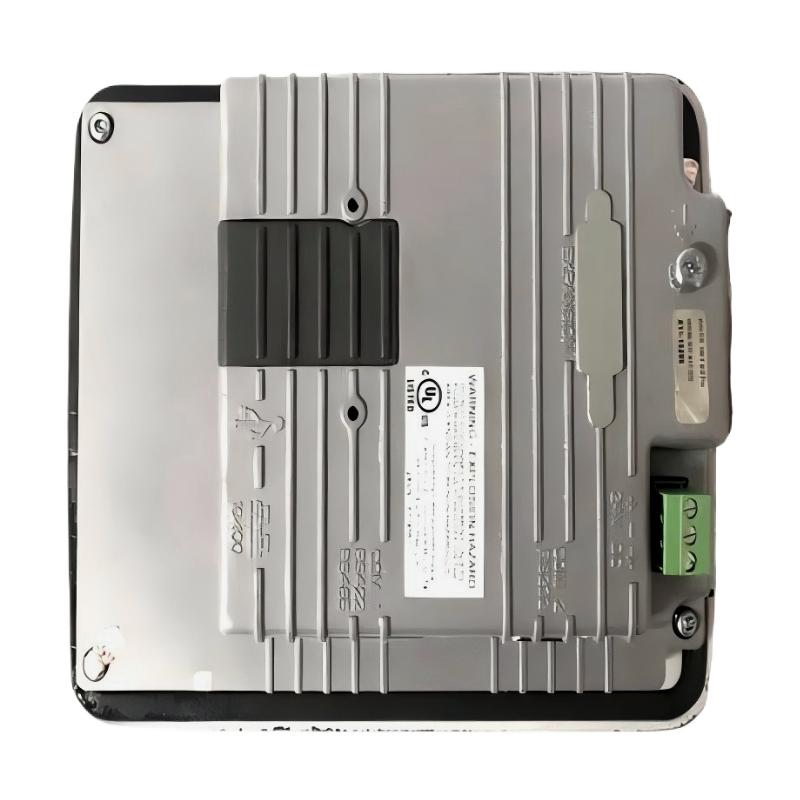 ABB PP825 3BSE042240R1 Operation Panel Installation Guide
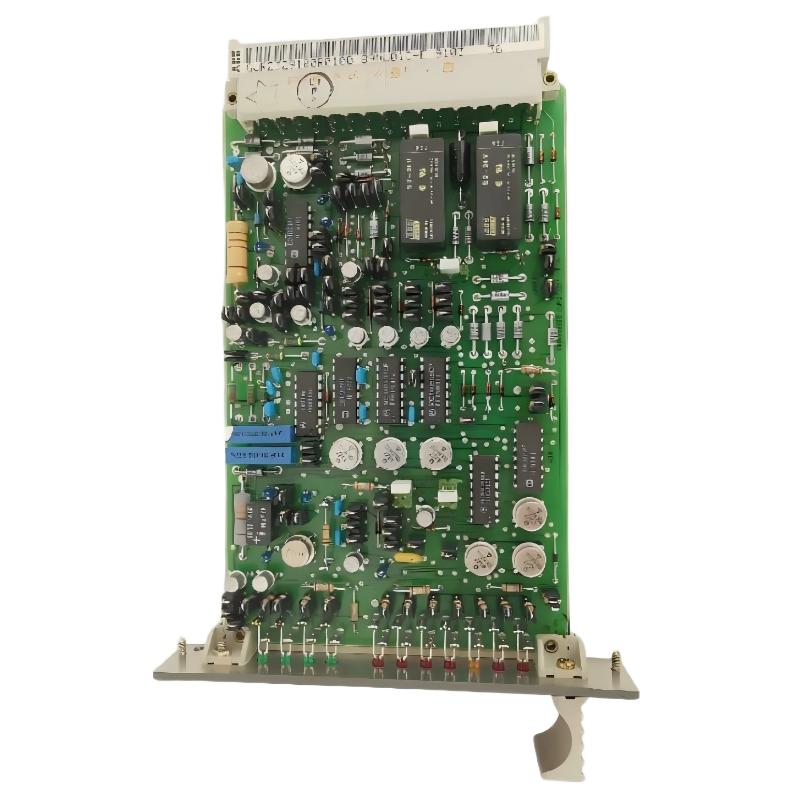 ABB 89NU01D-E GJR2329100R0100 Alarm Module Installation Guide