100% Original, Ready to Ship!

Siemens S7 PLC Cybersecurity Warning Highlights Growing OT Security Risks
Industrial automation cybersecurity has become an increasingly important issue after U.S. government agencies warned about active threats targeting Siemens S7 Series programmable logic controllers used across critical infrastructure.
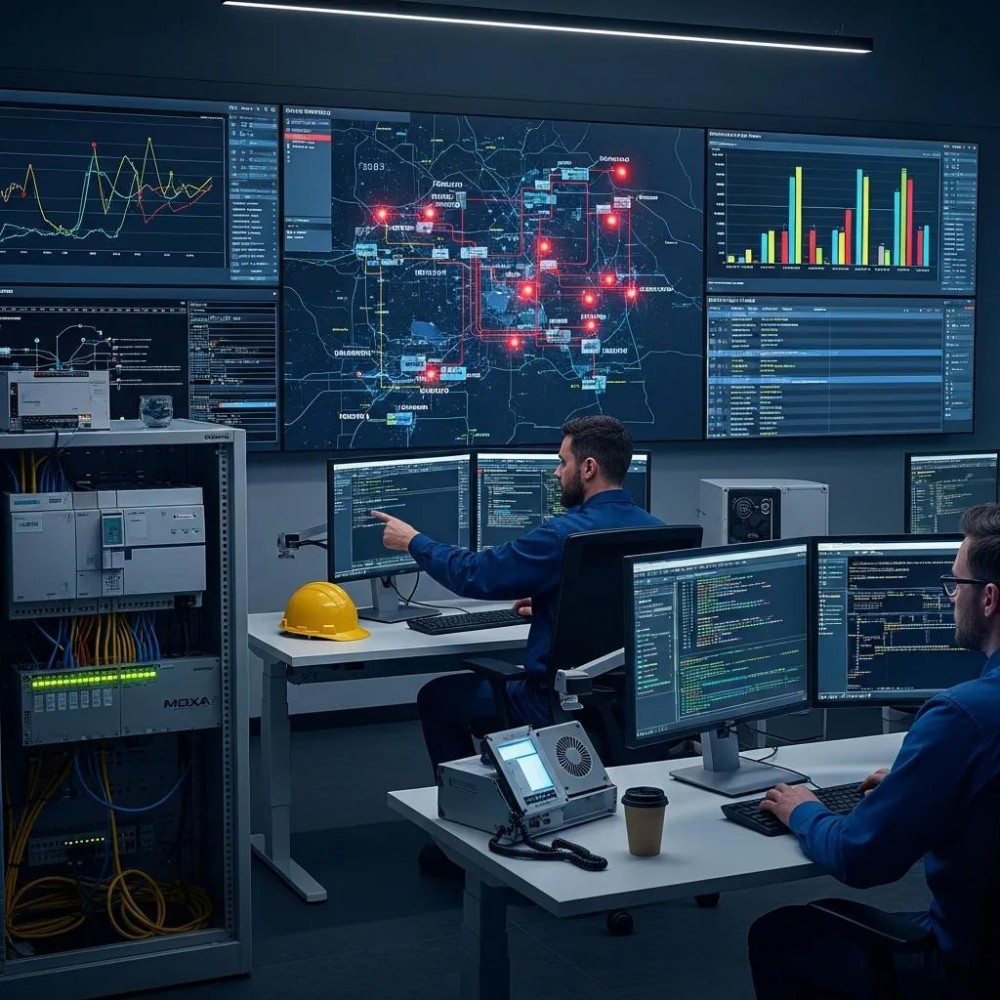
The advisory, issued on August 19, 2026, described an active threat affecting Siemens S7 Series PLCs across multiple sectors, including manufacturing, energy, water and wastewater, chemical processing, and food and agriculture. The warning highlighted the potential consequences of compromised industrial controllers, including production disruption, safety incidents, equipment damage, downtime, data exposure, and cascading impacts across interconnected systems.
For automation engineers, the development is particularly significant because PLCs are no longer isolated devices operating inside closed industrial networks. Modern PLC systems are commonly connected to HMIs, SCADA platforms, engineering workstations, remote-access systems, historians, MES platforms, and enterprise networks. This connectivity improves operational visibility but also creates additional cybersecurity exposure.
The advisory also noted that attackers are increasingly using artificial intelligence to reduce the time and technical expertise required to develop successful exploits. This demonstrates how AI is influencing both sides of industrial cybersecurity. While manufacturers are using AI for predictive maintenance, machine vision, process optimization, and intelligent control, attackers can also use advanced technologies to accelerate reconnaissance and exploitation.
The warning follows earlier U.S. cybersecurity alerts concerning attacks against programmable logic controllers. Government agencies had previously highlighted threats involving industrial control devices from several major automation manufacturers, including Siemens, Rockwell Automation, and Schneider Electric.
The situation reinforces the importance of a defense-in-depth strategy for PLC and DCS environments. Industrial operators should pay particular attention to network segmentation, secure remote access, strong authentication, controller configuration management, backup procedures, firmware management, and monitoring of unusual engineering activity.
Another important consideration is the lifecycle of installed automation equipment. Many factories continue to operate PLCs, I/O modules, communication processors, and DCS components that were installed years or even decades ago. Replacing an entire control system may not always be practical, but leaving legacy equipment without appropriate cybersecurity controls can increase operational risk.
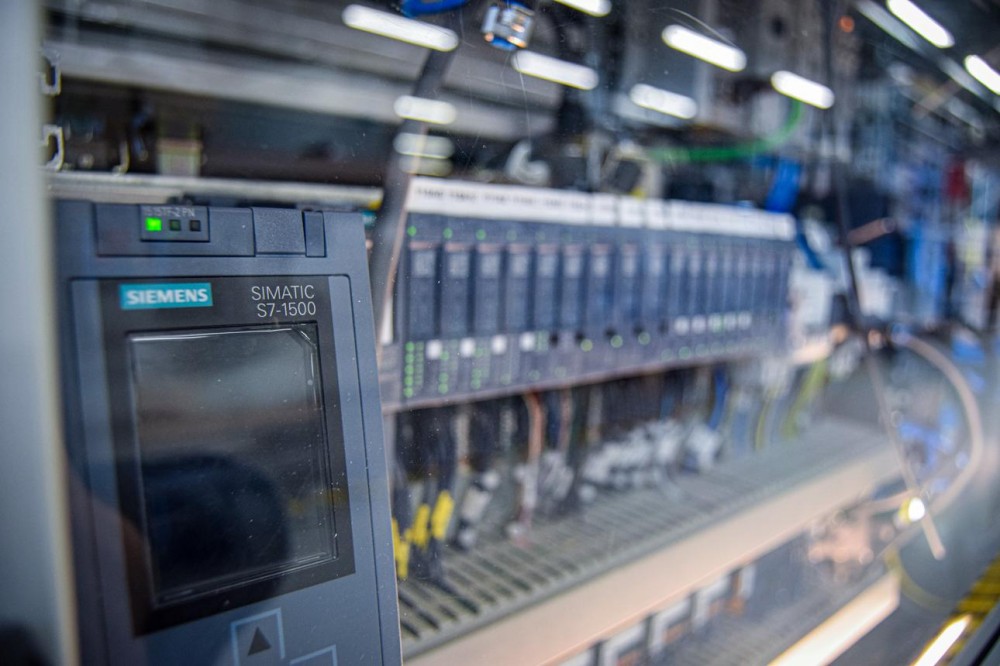
For system integrators and maintenance teams, cybersecurity should therefore become part of routine PLC commissioning and troubleshooting rather than a separate IT responsibility. Network architecture, controller access, engineering software, backup policies, and recovery procedures should be reviewed whenever automation systems are upgraded or modified.
The latest Siemens-related warning shows that industrial cybersecurity is becoming inseparable from automation engineering. As factories become more connected and intelligent, protecting PLCs, DCS controllers, industrial networks, and engineering systems will be essential for maintaining safe and reliable production.
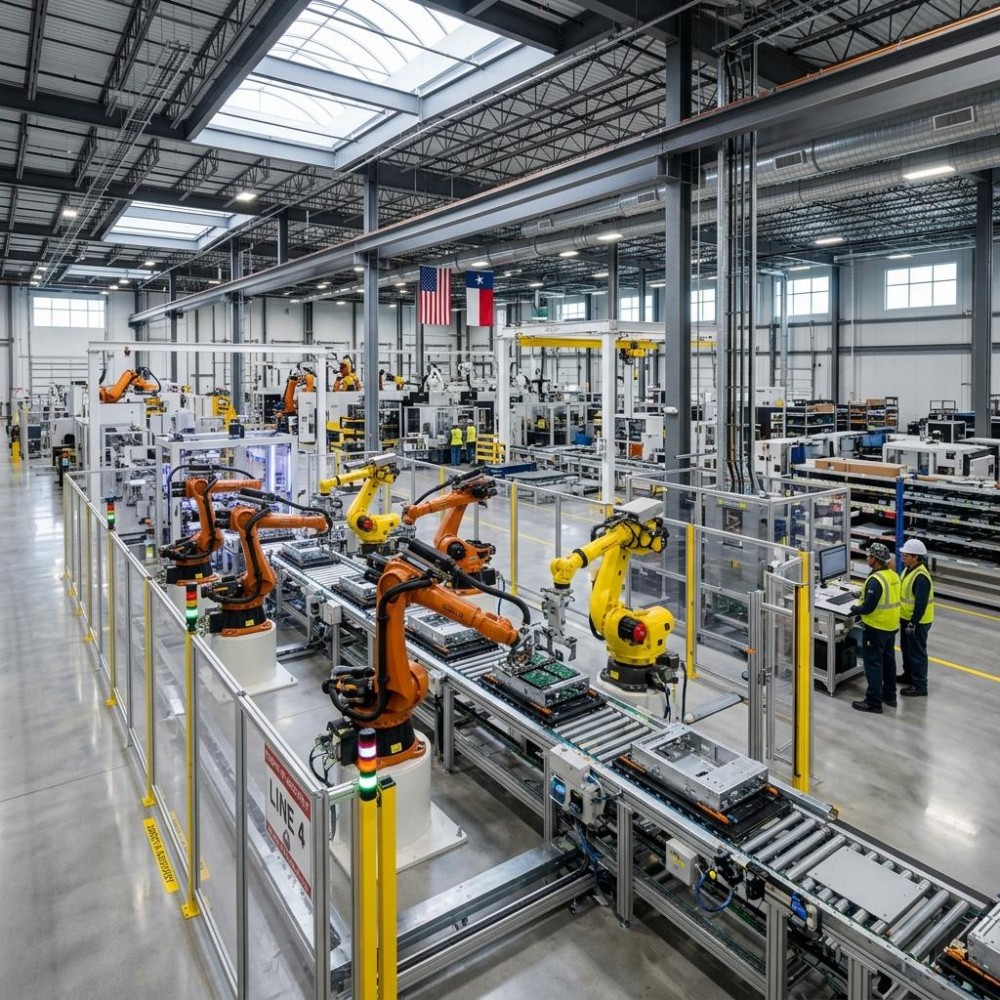 U.S. Industrial Robot Installations Rise 11% As Flexible Automation Expands
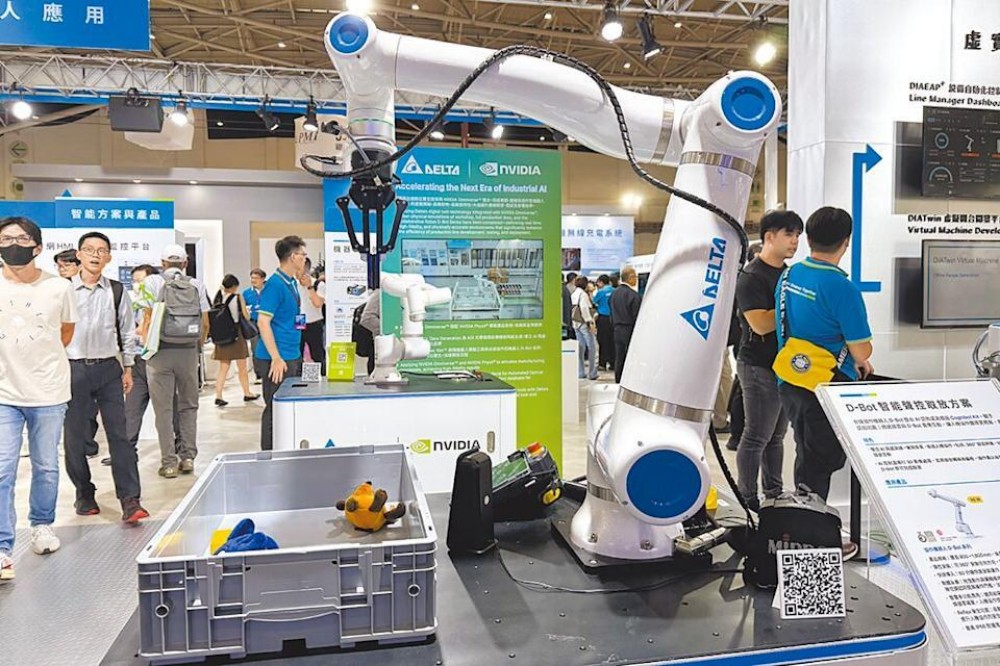 Delta’s Embodied AI And Digital Twins Signal A New Era For Industrial Automation
 Schneider Electric Advances Software-Defined Automation For PLC And DCS Modernization
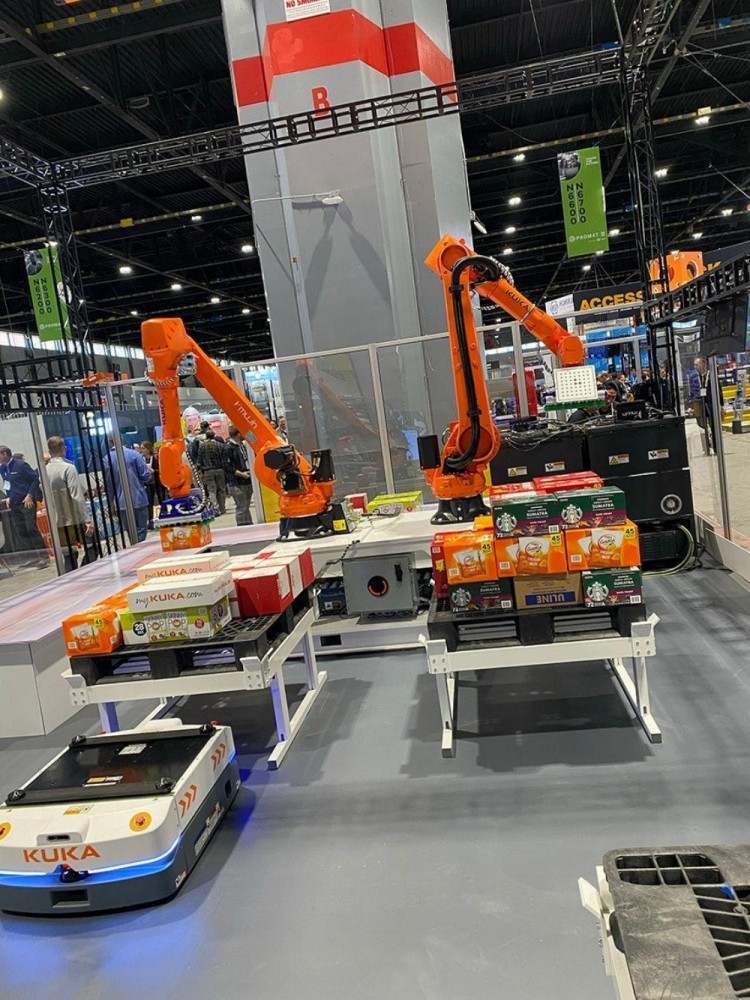 KUKA Robotics Brings Advanced Packaging Automation To PACK EXPO 2026