100% Original, Ready to Ship!

U.S. Industrial Robot Installations Rise 11% As Flexible Automation Expands
The U.S. industrial robotics market is showing renewed momentum, with industrial robot installations increasing by 11% year over year to approximately 38,000 units in 2025, according to preliminary figures from the International Federation of Robotics. The latest data indicates that automation demand is expanding beyond traditional automotive applications and into a wider range of industries.
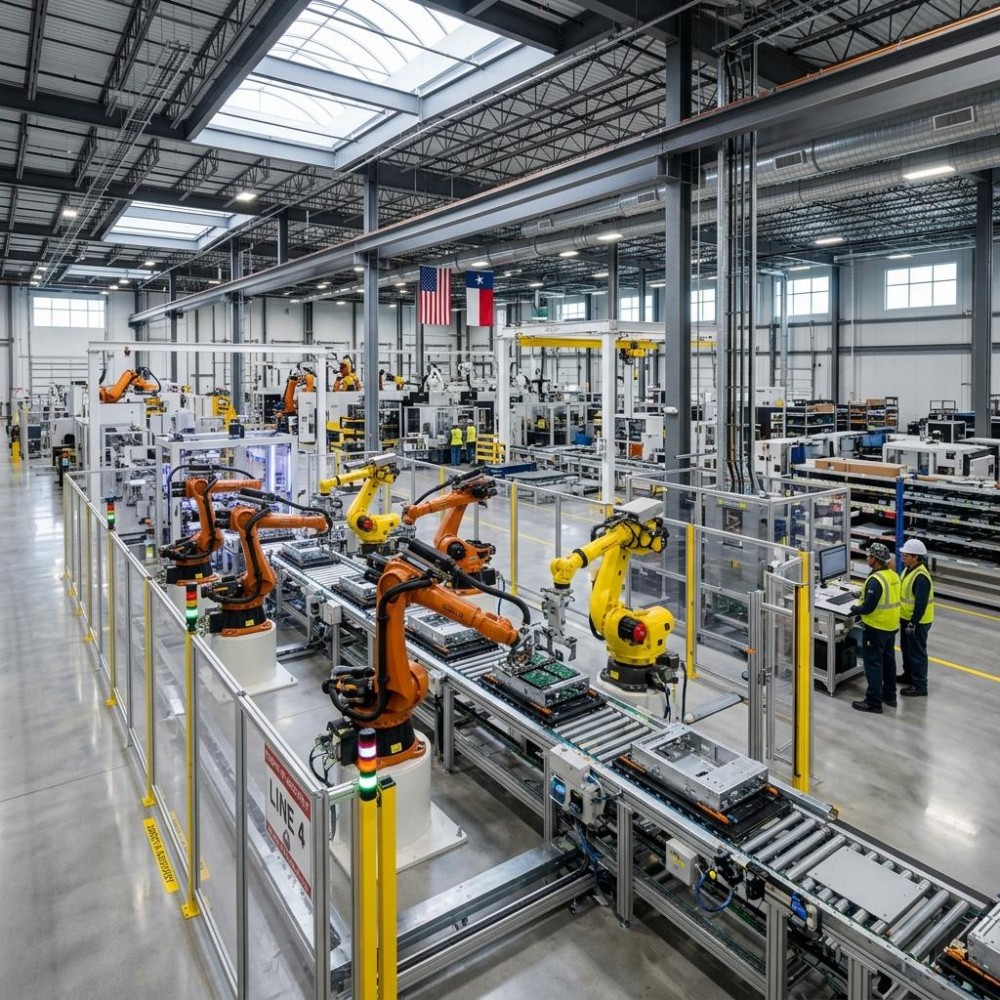
The automotive industry remains the largest adopter of industrial robots in the United States, accounting for approximately 13,500 installations in 2025. However, the food industry recorded particularly strong growth, with robot adoption increasing by 30%. Metal and machinery and electrical-electronics industries also recorded approximately 3,000 installations each.
This diversification is important for the broader industrial automation market. Traditional robot deployments often focused on highly repetitive manufacturing processes with stable product designs. New automation projects increasingly need to handle different products, smaller production batches, frequent changeovers, and variable operating conditions.
Flexible automation is therefore becoming a major priority for manufacturers. Modern robotic cells increasingly combine industrial robots with PLCs, servo drives, machine vision, safety controllers, industrial Ethernet, sensors, and manufacturing software. This integrated architecture allows production equipment to respond more quickly to changes in recipes, product types, and operating conditions.
For PLC and automation engineers, the growth of robotics creates additional opportunities for advanced control architectures. PLCs remain an important part of many robotic production cells, coordinating conveyors, sensors, safety signals, servo systems, tooling, and communication with higher-level manufacturing systems.
The increase in food-sector automation is especially notable. Food manufacturing often involves demanding requirements related to hygiene, product variation, packaging speed, and worker safety. Robots can perform repetitive pick-and-place, packaging, palletizing, inspection, and material-handling operations while maintaining consistent cycle times.
The latest U.S. figures also demonstrate that industrial robotics is increasingly being viewed as a productivity technology rather than a solution limited to automotive factories. Labor availability, production flexibility, quality requirements, and the need for consistent output are encouraging manufacturers in different sectors to evaluate automation investments.
At the same time, robot deployment is becoming more closely connected with digital technologies. Machine vision, AI-based inspection, predictive maintenance, digital twins, and industrial data platforms can extend the capabilities of conventional robotic cells. These technologies allow manufacturers to collect more production data and use it to optimize equipment performance.
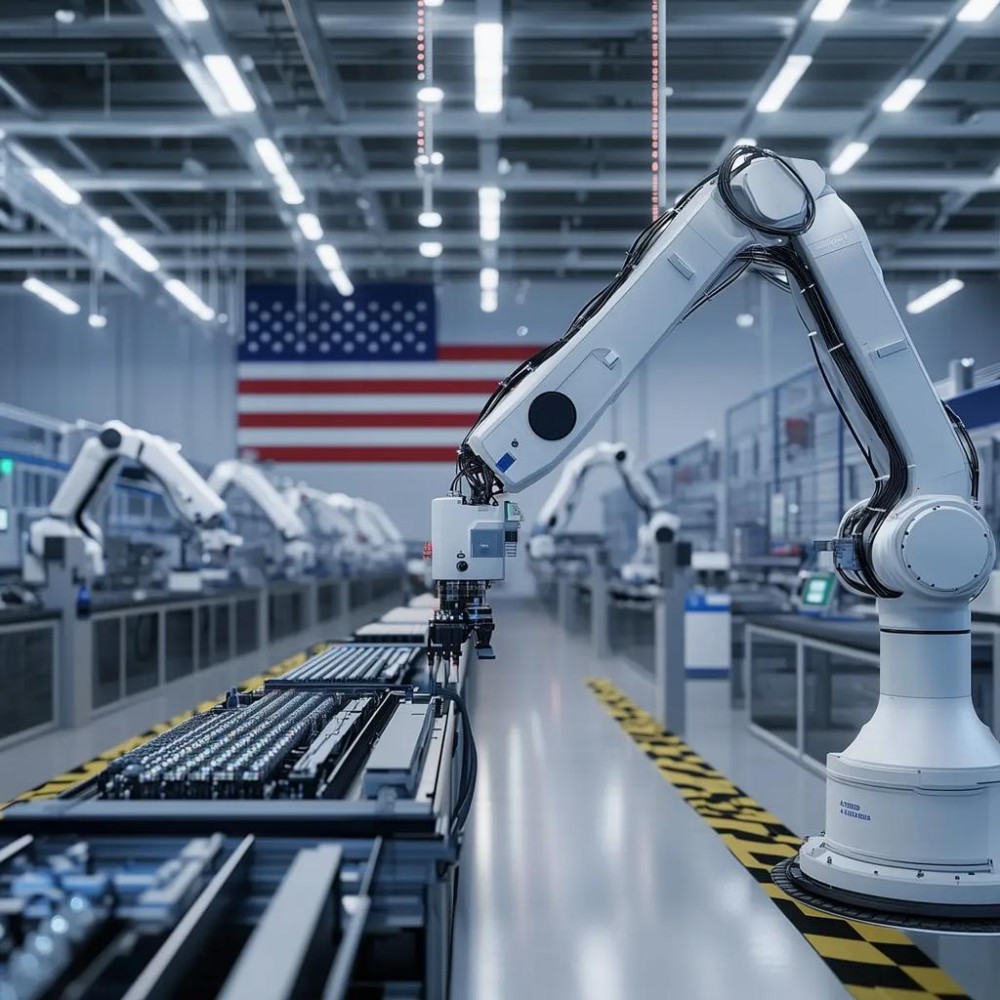
The U.S. market’s return to double-digit growth suggests that industrial automation investment remains strong despite changing economic conditions. For automation suppliers, PLC distributors, system integrators, and industrial control specialists, the expansion of robotics into food, electronics, machinery, and other industries creates new demand for controllers, I/O modules, drives, sensors, safety systems, and industrial communication equipment.
As factories move toward more flexible production, the future of robotics will increasingly depend not only on the robot itself but also on the control architecture surrounding it.
 Siemens S7 PLC Cybersecurity Warning Highlights Growing OT Security Risks
 Delta’s Embodied AI And Digital Twins Signal A New Era For Industrial Automation
 Schneider Electric Advances Software-Defined Automation For PLC And DCS Modernization
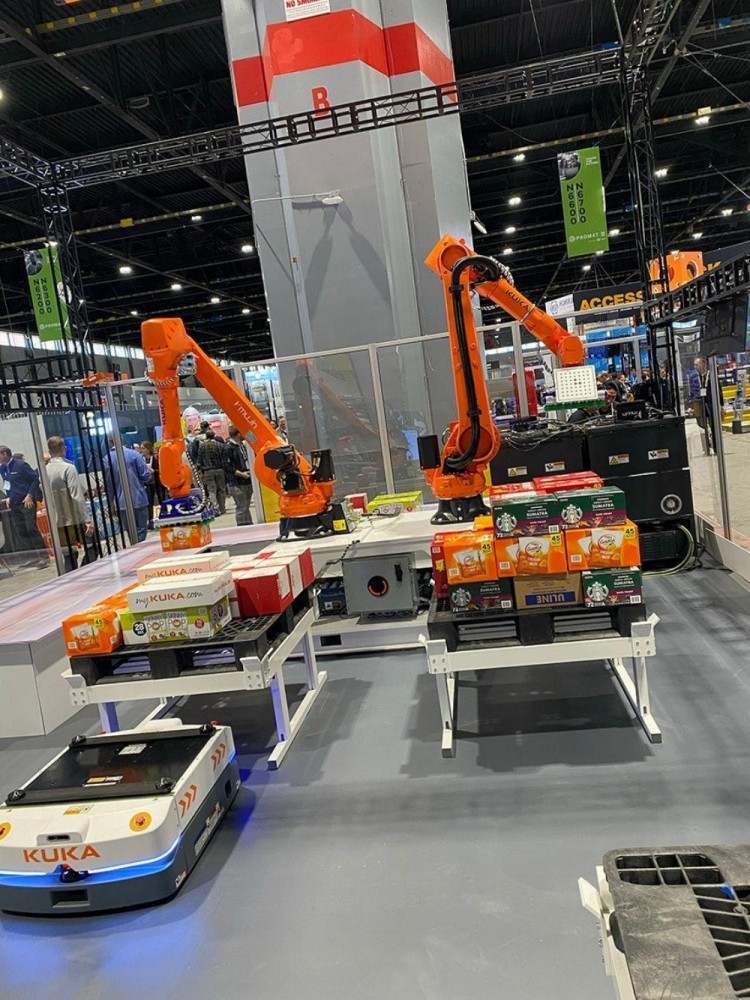 KUKA Robotics Brings Advanced Packaging Automation To PACK EXPO 2026