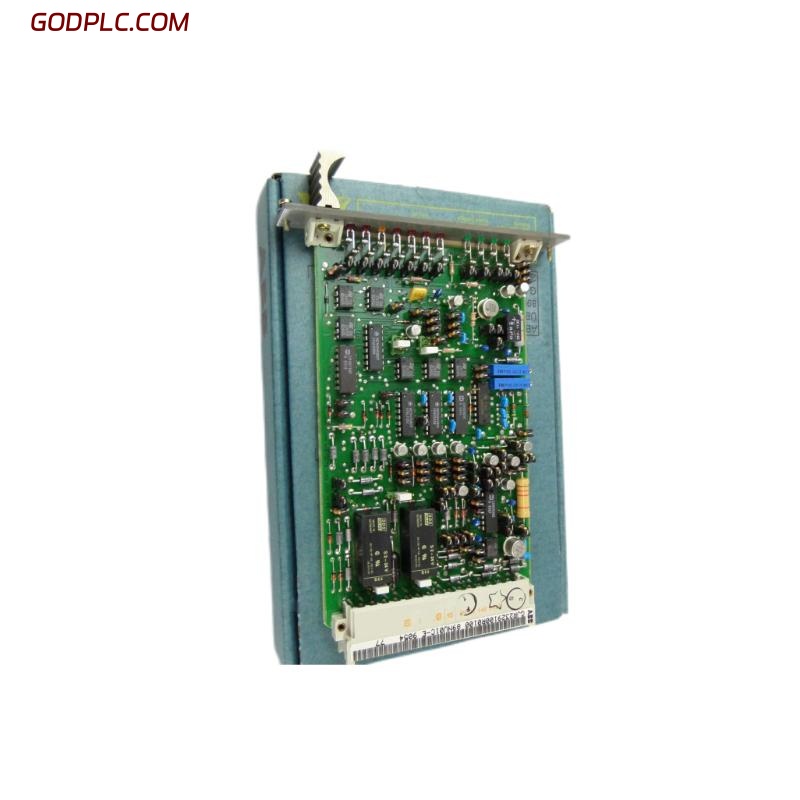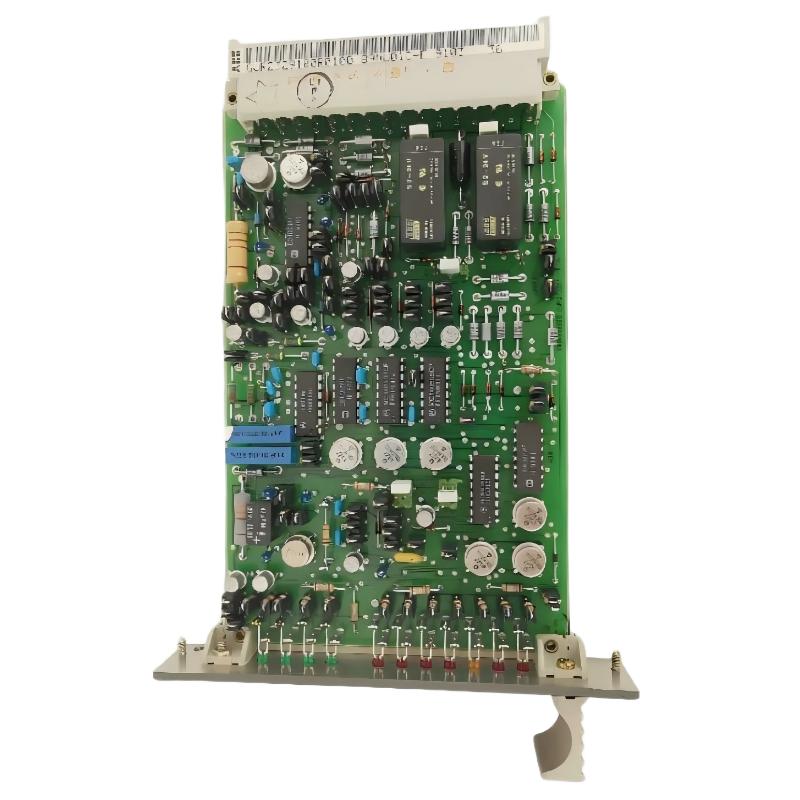

ABB 70VV01A HESG447043R0001 Circuit Protection Module Installation Overview
The ABB 70VV01A HESG447043R0001 should be installed only after the host control-system architecture, power distribution path, connector arrangement, and protection requirements have been verified. Available equipment references identify HESG447043R0001 / 70VV01A within legacy ABB industrial control hardware, although published listings differ on the exact functional designation, so the installed cabinet documentation and module identification label should take precedence during commissioning.
ABB 70VV01A Circuit Protection Module System Role
In a legacy ABB control installation, a protection or power-distribution module must be treated as part of the system power and signal integrity chain rather than as an isolated circuit board. A wiring mistake upstream can produce symptoms that appear to be a module fault even when the board itself is healthy.
- Verify the exact ABB 70VV01A designation before installation.
- Confirm the HESG447043R0001 part number against the cabinet documentation.
- Identify the associated power, distribution, grounding, and signal circuits.
- Check whether the replacement is electrically and mechanically equivalent to the removed unit.
- Record the original wiring condition before disconnecting the existing module.
ABB 70VV01A Installation Guide: Pre-Installation Checks
Good commissioning starts before the module is powered. Inspect the enclosure for contamination, loose conductors, damaged insulation, oxidized terminals, and signs of overheating. If the previous module failed, do not immediately install the replacement. First determine whether an external short circuit, excessive load, unstable supply, or grounding problem could have caused the original failure.
ABB 70VV01A Electrical Inspection
- Isolate the cabinet according to the plant electrical safety procedure.
- Verify the supply is de-energized before touching exposed conductors.
- Inspect terminal blocks and connector contacts for discoloration or mechanical damage.
- Check protective-earth continuity.
- Inspect nearby power modules for heat damage or abnormal odor.
- Compare the replacement module identification with the approved spare-parts record.
ABB 70VV01A HESG447043R0001 Wiring and Connection Strategy
Do not rely on connector position alone when replacing a legacy control module. Photograph and document the existing installation, then compare every connection with the cabinet schematic. A connector that physically fits is not automatically proof of electrical compatibility.
- Mark each cable or connector before removal.
- Record terminal numbers and conductor destinations.
- Check cable shielding and grounding arrangements.
- Inspect connector pins for bending, contamination, or oxidation.
- Install the ABB 70VV01A without forcing connectors or mounting hardware.
- Confirm that cables are separated from high-energy switching conductors where required by the cabinet design.
ABB 70VV01A Grounding and Protection Checks
Protection hardware is particularly sensitive to poor reference potentials. Before energization, verify the cabinet grounding arrangement and look for accidental bonding between signal returns and protective-earth conductors. The objective is to prevent an external electrical problem from being interpreted as a HESG447043R0001 hardware fault.
ABB 70VV01A Setup and Commissioning Procedure
The commissioning process should progress from passive inspection to controlled energization. Avoid introducing the complete plant load immediately after installing a replacement module.
- Complete the visual and mechanical inspection.
- Verify connector seating and terminal identification.
- Check supply polarity and expected voltage against the approved system drawings.
- Energize the relevant control section under controlled conditions.
- Observe abnormal current, heating, alarms, or protective-device operation.
- Verify downstream control hardware becomes available without repeated resets.
- Restore process loads gradually while monitoring the protection path.
PRE-COMMISSIONING CHECK
Power isolated:        CONFIRM
Connector inspection:  PASS
Ground continuity:     PASS
Supply polarity:       CONFIRM
External load isolated:CONFIRM
Initial energization:  CONTROLLED
Alarm status:          MONITOR
ABB 70VV01A System Configuration and Commissioning Validation
Validation should focus on whether the complete control path behaves normally. If the module powers correctly but a downstream controller repeatedly resets, do not conclude that the module is defective. Measure the supply at the module terminals while the system is under its normal operating load and compare the result with the approved cabinet specification.
ABB 70VV01A Field Diagnostic Example
A representative field diagnostic pattern is a replacement board that appears normal during unloaded testing but causes intermittent control interruptions when the cabinet is returned to service. An engineer would normally compare the supply voltage at no load and during load application, inspect the protection path for excessive voltage drop, and then isolate downstream branches one at a time. If the voltage remains stable after one branch is disconnected, that branch becomes the next investigation point rather than immediately replacing the 70VV01A again.
ABB 70VV01A Installation Troubleshooting During Startup
- No apparent response: verify supply path, connector seating, and cabinet interlocks.
- Repeated protective-device operation: investigate downstream loading before replacing the module.
- Intermittent operation: check loose connectors, grounding, thermal conditions, and voltage stability.
- Communication or controller reset: measure the supply during the actual disturbance rather than only at idle.
- Abnormal heating: inspect current demand, ventilation, adjacent equipment, and possible short circuits.
ABB 70VV01A HESG447043R0001 Installation FAQ
What should be checked before installing an ABB 70VV01A?
Confirm the complete HESG447043R0001 identification, cabinet documentation, connector arrangement, supply circuit, grounding, and compatibility with the existing control architecture.
Can the ABB 70VV01A be commissioned immediately after installation?
Initial energization should follow a controlled inspection. The external circuit should be checked first so that an existing short circuit or abnormal load does not damage the replacement module.
Why is connector inspection important during ABB 70VV01A commissioning?
Oxidized, bent, contaminated, or partially seated contacts can create intermittent voltage or signal conditions that may resemble an internal module fault.
How should ABB 70VV01A troubleshooting begin after installation?
Start with the supply path, grounding, connector condition, and external loads. Only after those checks should the module itself become the primary suspect.
What is the purpose of controlled energization?
Controlled energization limits the risk of immediately exposing a replacement module to an unknown downstream fault and makes it easier to identify the circuit responsible for an abnormal condition.
Should the old module be used as the only wiring reference?
No. The removed module provides useful physical evidence, but the approved cabinet schematic and system documentation should be used to verify the actual connection arrangement.
How can a protection-module fault be separated from an external circuit fault?
Measure the electrical conditions at the module while isolating downstream branches. If the abnormal condition follows a particular branch, investigate that branch before condemning the module.
What should be recorded after ABB 70VV01A commissioning?
Record the module identification, wiring verification, supply measurements, alarm status, observed operating condition, and any corrective actions. These records make later Fault Diagnosis significantly faster.
ABB 70VV01A Installation Guide: Final Commissioning Notes
The ABB 70VV01A HESG447043R0001 installation process should be treated as a system-level commissioning task rather than a simple board replacement. Correct identification, wiring verification, grounding inspection, controlled energization, and load-based validation provide the foundation for reliable operation. When documentation and third-party product descriptions disagree about the exact functional classification of a legacy part, the physical ABB identification label and approved plant documentation should be treated as the final reference.