100% Original, Ready to Ship!

Yokogawa Selected As Main Automation Contractor For LNG Canada Phase 2 Expansion Project
Yokogawa Electric Corporation has been selected as the Main Automation Contractor (MAC) for the LNG Canada Phase 2 expansion project in Kitimat, British Columbia. Announced on November 4, 2026, the project represents another major development in large-scale process automation and industrial control systems for the global liquefied natural gas (LNG) industry.
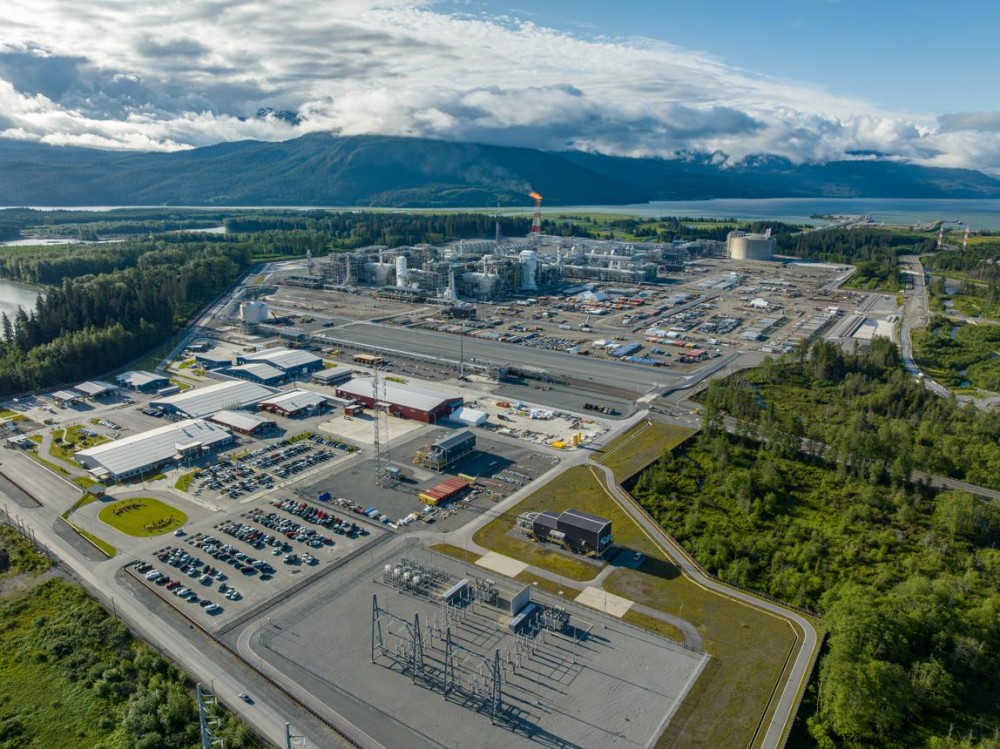
Yokogawa Corporation of America will provide integrated automation, process control, and safety solutions for the expansion, working with the JGC Fluor BC LNG II Joint Venture.
LNG Canada Phase 2 to Double Production Capacity
The LNG Canada Phase 2 expansion will add two new LNG processing units, known as Trains 3 and 4, together with additional LNG storage facilities, a condensate tank, a loading berth, and expanded utility and process infrastructure.
Once completed, the expansion is expected to increase the facility’s production capacity from 14 million to 28 million tonnes per annum.
The project builds on Phase 1, which began producing LNG in June 2025. The expansion is expected to strengthen Canada’s position in the international LNG market and support its role as a major energy supplier.
Integrated DCS and Safety Systems at the Center of the Project
As Main Automation Contractor, Yokogawa’s responsibilities include supplying and integrating several important industrial automation technologies.
The project scope covers the CENTUM VP integrated production control system and ProSafe-RS safety instrumented system, together with fire and gas systems, process historians, operator training simulators, asset management solutions, advanced applications, cybersecurity infrastructure, and industrial networks.
These technologies play essential roles in large LNG facilities.
A distributed control system (DCS) coordinates complex production processes and enables operators to monitor and manage equipment across multiple processing units. A safety instrumented system (SIS) provides dedicated safety functions to help bring industrial processes to a safe state when specified hazardous conditions occur.
The integration of these systems is particularly important in LNG facilities, where temperature, pressure, flow, and process safety must be carefully managed throughout production.
Extending Existing Automation Infrastructure
Phase 2 will extend the Yokogawa automation platform already established for Phase 1.
Building on an existing automation architecture can help maintain consistency across plant operations, engineering practices, and system management. It also makes coordination between new processing units and existing infrastructure an important consideration during project execution.
For DCS engineers, automation contractors, and industrial control system suppliers, this project demonstrates the continuing importance of integrated control and safety technologies in major energy infrastructure developments.
Outlook for the Industrial Automation Industry
The LNG Canada expansion highlights the significant role of industrial automation in modern energy projects.
As LNG production facilities become larger and more complex, demand for reliable DCS platforms, safety systems, industrial networks, field instrumentation, and advanced process monitoring continues to be an important part of project development.
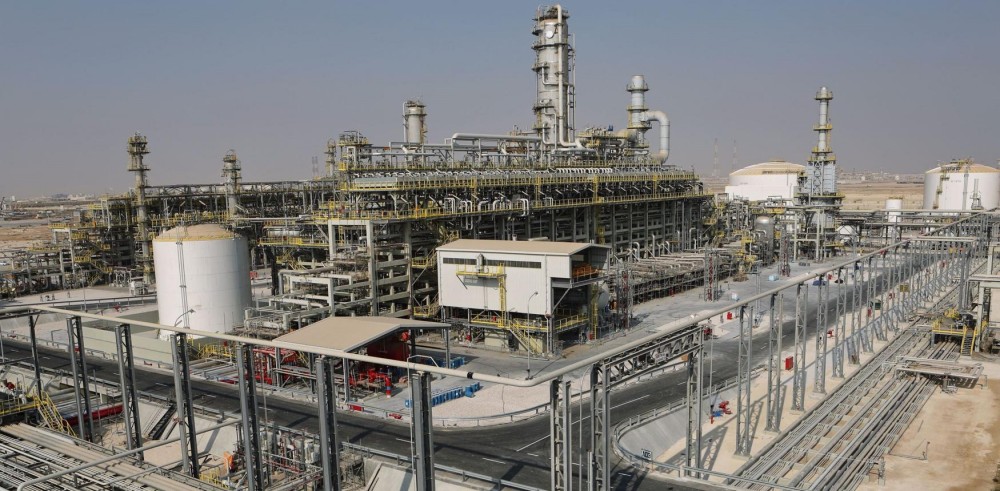
For suppliers and system integrators in the PLC, DCS, and industrial automation sectors, large-scale energy infrastructure projects represent an important market for control hardware, system integration, modernization, and lifecycle support.
Yokogawa’s selection for LNG Canada Phase 2 further demonstrates how integrated automation and safety solutions remain essential to the development of complex industrial facilities.
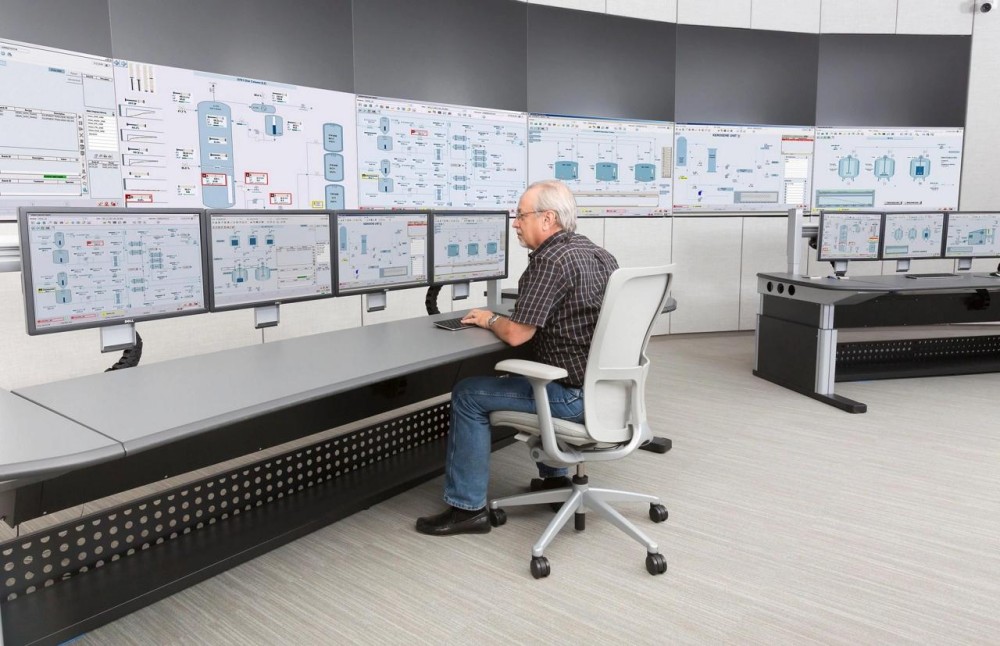 Aptiv Expands Industrial Robotics Partnerships To Advance Physical AI In Smart Manufacturing
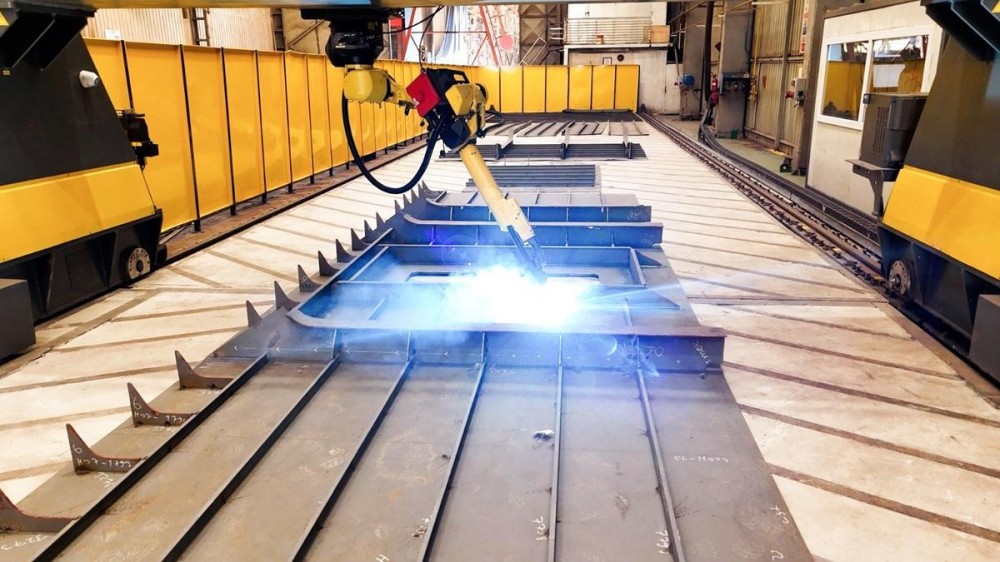 Path Robotics Raises $300 Million To Expand AI-Powered Industrial Welding Automation
 Rockwell Automation Introduces PanelView Pro HMI For Modern Industrial Automation Systems
 Bosch Rexroth Introduces Agentic AI And Mobile Humanoid Robotics For Industrial Automation At SPS 2026