100% Original, Ready to Ship!

Path Robotics Raises $300 Million To Expand AI-Powered Industrial Welding Automation
Path Robotics, a US-based industrial robotics developer specializing in automated welding systems, has announced a $300 million Series E financing round to accelerate its expansion in industrial automation.
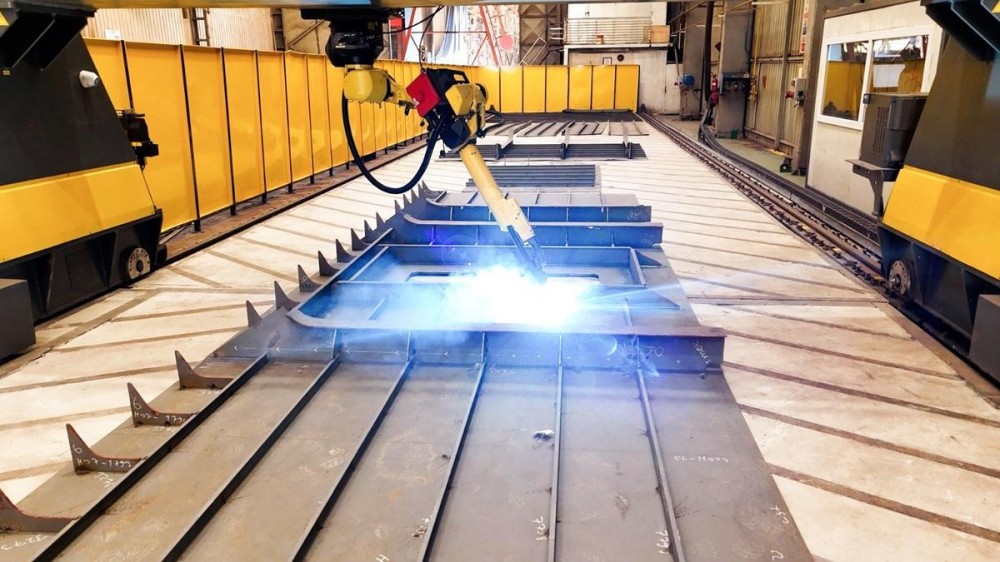
Announced on November 10, 2026, the investment round was led by growth equity firm Georgian and values Path Robotics at approximately $2.45 billion after the investment.
The company plans to use the new funding to expand its robotic welding deployments, develop automation solutions for additional manufacturing tasks, and increase investment in computing infrastructure and artificial intelligence model training.
AI-Powered Welding Technology for Manufacturing
Path Robotics develops robotic welding systems designed to automate complex fabrication processes.
Its welding software, Obsidian, uses production weld data to help robots identify joints, plan welding paths, execute welding operations, and adjust to changing conditions.
Traditional robotic welding systems often rely on carefully programmed movements and consistent workpiece positioning. However, real manufacturing environments can involve variations in materials, geometry, and production conditions.
AI-based welding technology aims to improve the ability of robotic systems to recognize workpieces and respond to changes during manufacturing.
This approach could be particularly valuable in industries where skilled welding labor is difficult to recruit and production requirements are becoming increasingly demanding.
Expanding Applications in Shipbuilding and Heavy Industry
Path Robotics already serves customers in industrial manufacturing, including shipbuilders HII and Saronic. The company also lists Lockheed Martin among its customers.
Earlier in 2026, Path Robotics announced a $600 million performance-based production agreement with HII to deploy its technology across US Navy shipbuilding programs.
The agreement highlights the potential role of automated welding in large-scale fabrication operations, where improving production throughput and maintaining consistent welding quality are important priorities.
Path Robotics has also introduced Rove, a four-legged mobile robot that uses the company’s welding software.
The Growing Role of AI in Industrial Automation
The new financing reflects growing interest in applying artificial intelligence to complex industrial manufacturing processes.
Beyond welding, Path Robotics plans to develop systems for tasks that take place before and after welding, potentially expanding automation across more stages of fabrication.
For industrial automation companies, this development highlights the importance of integrating robotics, machine vision, computing platforms, motion control, and intelligent software.
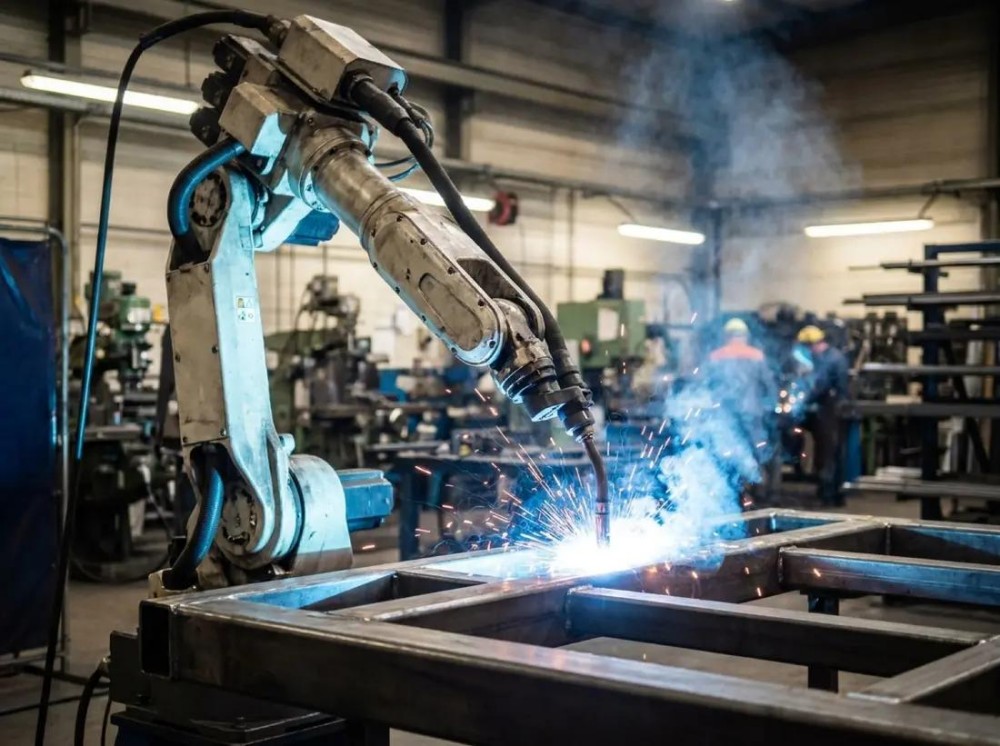
Although AI-powered robotics can improve flexibility in certain applications, successful factory deployment still requires appropriate safety systems, reliable industrial communication, equipment integration, and engineering validation.
As investment in industrial robotics continues, AI-enabled manufacturing technologies are likely to play an increasingly important role in shipbuilding, metal fabrication, and other heavy industrial sectors.
 Aptiv Expands Industrial Robotics Partnerships To Advance Physical AI In Smart Manufacturing
 Rockwell Automation Introduces PanelView Pro HMI For Modern Industrial Automation Systems
 Yokogawa Selected As Main Automation Contractor For LNG Canada Phase 2 Expansion Project
 Bosch Rexroth Introduces Agentic AI And Mobile Humanoid Robotics For Industrial Automation At SPS 2026