100% Original, Ready to Ship!

ABB Robotics Supplies More Than 1,700 Robots For BMW’s Next-Generation Electric Vehicle Production
ABB Robotics is supporting BMW Group’s transition toward electric mobility by supplying more than 1,700 industrial robots for the production of its next-generation Neue Klasse vehicles. The project represents a significant development in automotive manufacturing automation, combining advanced robotics, intelligent controllers, and energy-efficient production technologies.
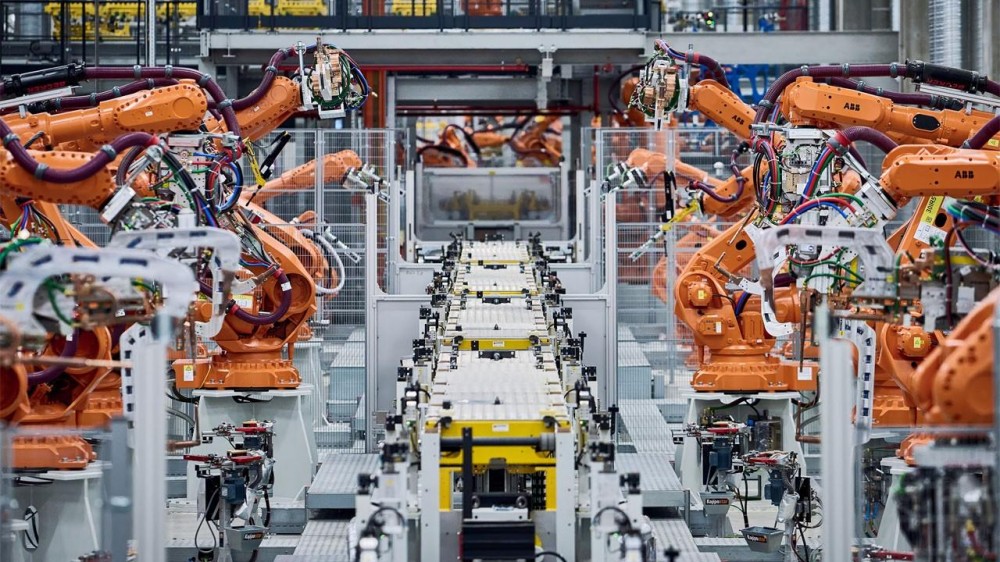
Large-Scale Robot Deployment Across Two BMW Plants
The ABB robotic systems will support body shop operations at BMW’s main production facility in Munich, Germany, and its Tiexi plant in China. The robots are designed to perform demanding and repetitive manufacturing tasks, including welding, gluing, riveting, and assembly.
The deployment demonstrates how industrial robotics continues to play an essential role in modern automotive production. As vehicle manufacturers expand electric vehicle production, flexible and highly automated body shop operations are becoming increasingly important.
ABB’s delivery includes robots from its IRB 6720, IRB 6740, and IRB 7720 families. These models are designed for automotive body manufacturing applications, with payload capacities of up to 620 kilograms.
OmniCore Controllers Improve Manufacturing Performance
All robots included in the project are powered by ABB’s latest-generation OmniCore controller platform.
OmniCore is designed to improve robot speed, positioning accuracy, and energy efficiency. The platform also supports the integration of artificial intelligence, sensors, cloud technologies, and edge computing.
Energy recovery technology helps reduce power consumption during robotic operations, while ABB’s commissioning solutions are designed to shorten the time required to bring robotic systems into production.
For automation engineers and system integrators, the project highlights the importance of integrating robot controllers with production equipment, industrial communication networks, and factory-level control systems.
Implications for PLC and Industrial Automation Suppliers
Large automotive production lines require coordination between robots, PLC controllers, safety systems, sensors, drives, and manufacturing execution systems.
As production becomes more flexible, communication between these technologies becomes increasingly important. Reliable industrial control hardware and properly configured automation networks remain essential for maintaining production stability.
The ABB and BMW collaboration illustrates how advanced robotics and intelligent control platforms are shaping the next generation of automotive manufacturing.
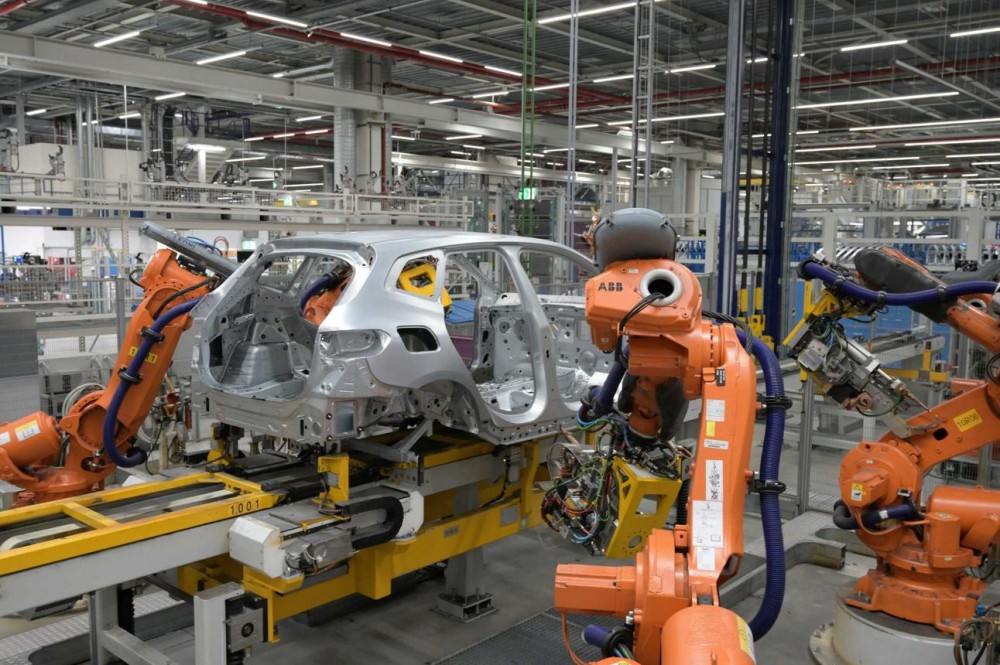
For industrial automation suppliers, opportunities remain in robotic control components, PLC hardware, I/O modules, industrial sensors, and automation system maintenance.
The continued development of electric vehicle production is expected to keep demand for high-performance industrial automation technologies in focus.
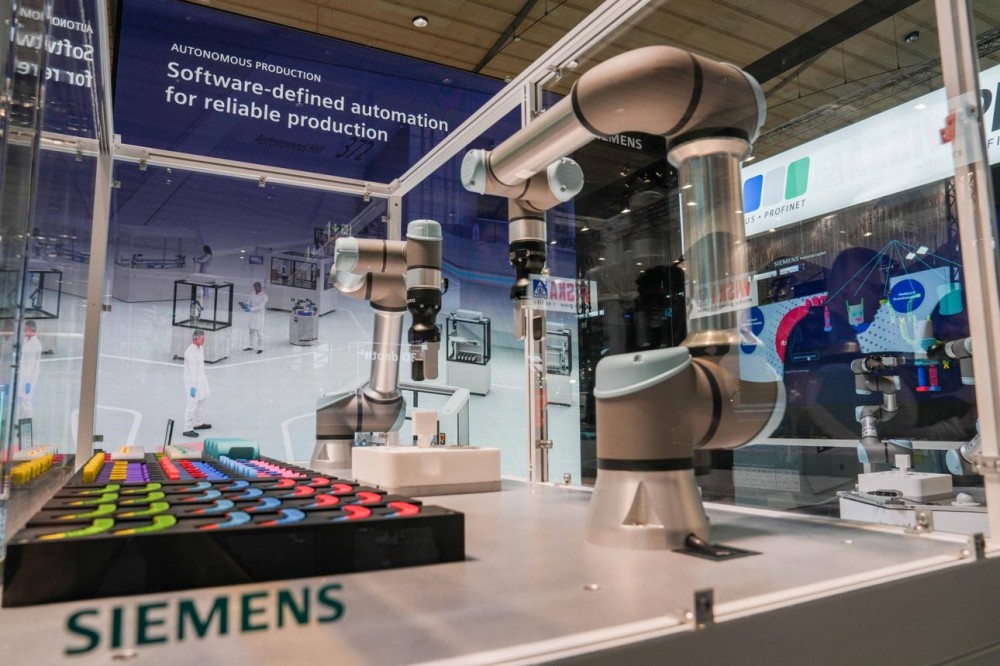 Siemens Advances Industrial Automation With AI-Powered Production, PLC Engineering And Autonomous Robotics
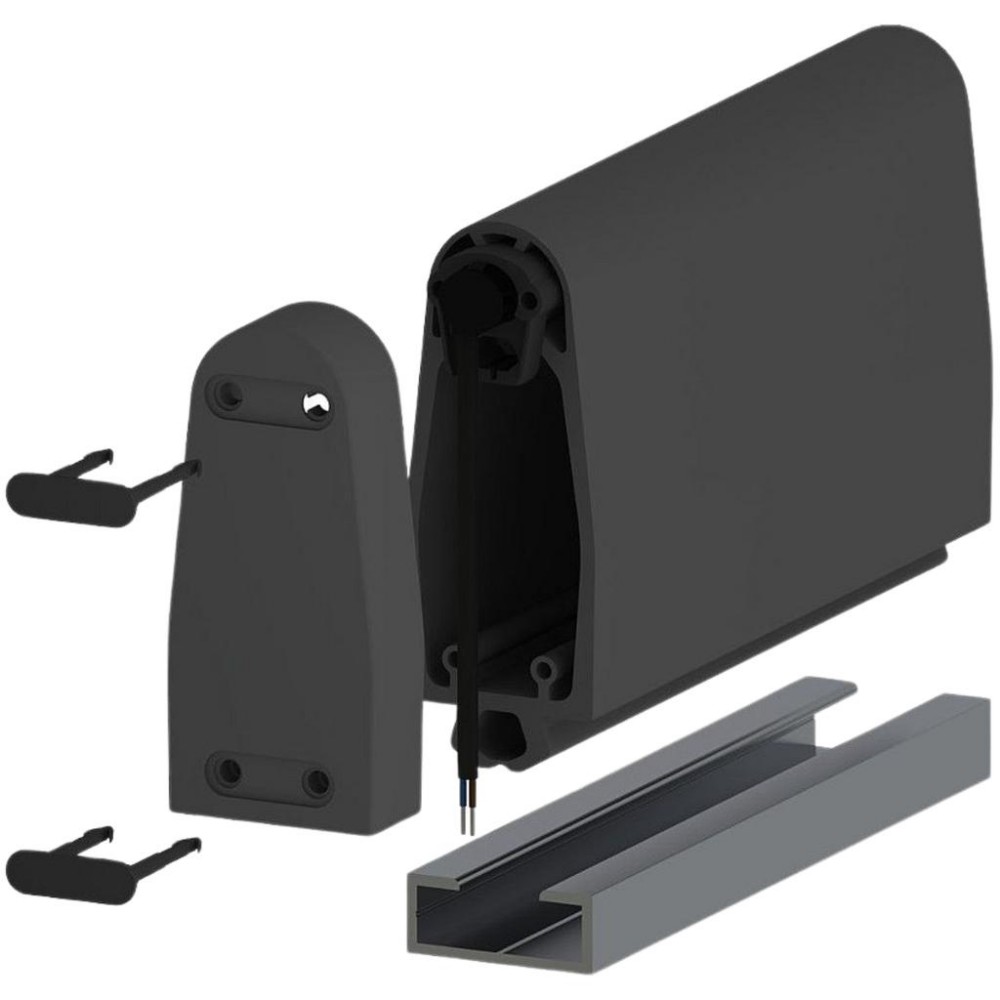 Dacke Industri Acquires ASO Safety Solutions To Expand Industrial Safety Sensor And Automation Capabilities
 Rockwell Automation Implements Plex MES At Booster Precision Components To Improve Manufacturing Visibility And Traceability
 Yokogawa Launches OpreX Universal Autonomous Control System R1.01 PLC For Process Automation