100% Original, Ready to Ship!

Emerson Enhances DeltaV FB3000 RTU For Advanced Liquid Measurement And Pipeline Automation
Emerson has announced significant enhancements to its DeltaV FB3000 Remote Terminal Unit (RTU), expanding its capabilities for hydrocarbon liquid measurement, batch management, and custody transfer operations. Announced on November 10, 2026, the update is designed to help midstream energy operators improve measurement accuracy, operational visibility, and cybersecurity across pipeline and storage infrastructure.
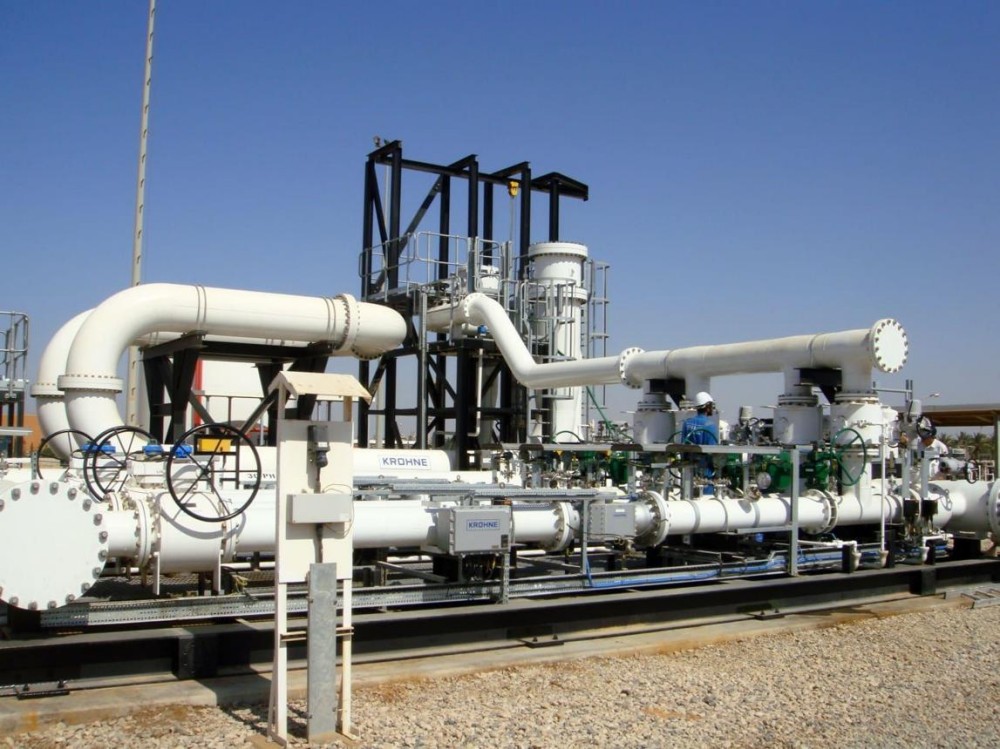
The enhanced platform combines measurement, control, communications, and cybersecurity functions within a single scalable automation architecture.
Expanded Liquid Measurement and Batch Management
The DeltaV FB3000 RTU was already recognized for integrating gas measurement, control, and communications. With the latest enhancements, the platform extends these capabilities into liquid hydrocarbon operations.
New functions include integrated proving, batch management, and advanced liquid automation capabilities. These features are particularly relevant to operators handling crude oil, refined petroleum products, diesel, liquefied petroleum gas, natural gas liquids, condensate, and other industrial liquids.
Accurate measurement is essential in custody transfer operations, where the quantity of liquid hydrocarbons transferred between parties must be reliably determined and documented.
Emerson’s enhancements are designed to help operators standardize measurement and automation processes across different facilities while improving the consistency of operational data.
Advanced Pulse Module Supports Measurement Integrity
An important part of the update is support for proving through the Advanced Pulse Module (APM).
Proving is an essential procedure in liquid measurement applications because it helps verify the performance and accuracy of flow measurement equipment.
By integrating proving and batch management functionality into the RTU platform, operators can simplify measurement workflows and reduce the complexity associated with managing separate automation systems.
The integrated architecture also helps improve the coordination of measurement, control, and communication functions across pipeline infrastructure.
Cybersecurity and Scalable Industrial Architecture
Industrial cybersecurity is another major consideration for modern oil and gas infrastructure.
Emerson highlights the DeltaV FB3000 RTU’s Zero Trust-centered, cybersecurity-by-design architecture, which is intended to protect critical measurement information throughout the custody transfer process.
The scalable platform can support standardized automation across pipelines, gathering systems, terminals, storage facilities, and production assets.
For operators managing multiple facilities, a common automation architecture can help simplify maintenance, improve operational consistency, and support phased modernization programs.
Implications for Industrial Automation and Oil and Gas
The latest DeltaV FB3000 RTU enhancements demonstrate the continuing development of remote terminal units in industrial automation.
RTUs play an important role in distributed pipeline and infrastructure applications, collecting field information, supporting local control functions, and communicating with supervisory systems such as SCADA.
As energy infrastructure becomes more connected, operators increasingly require integrated solutions that combine reliable measurement, industrial communications, cybersecurity, and remote monitoring.
For PLC, DCS, SCADA, and industrial instrumentation professionals, this development highlights the importance of reliable control hardware and modern automation architectures in the oil and gas industry.
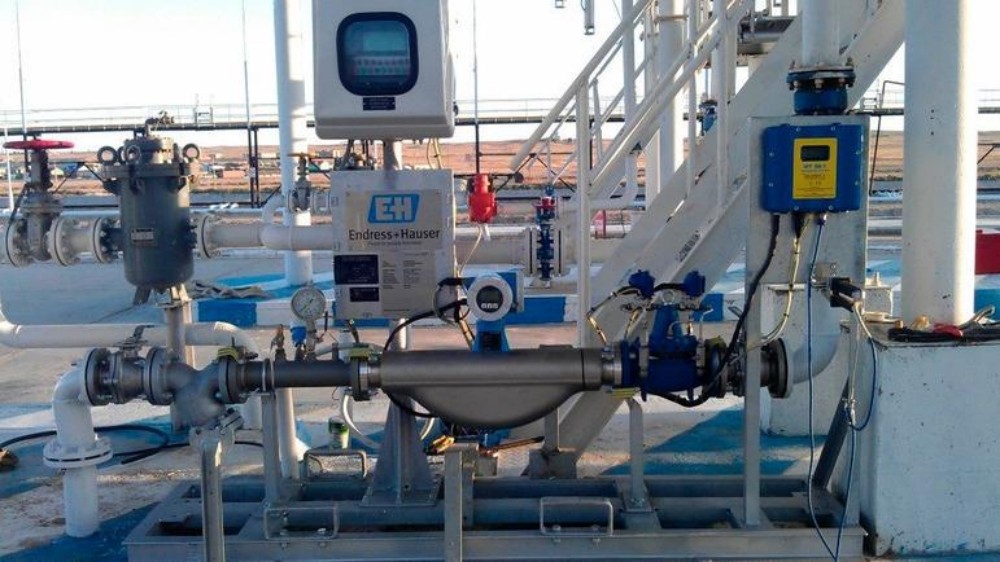
The integration of liquid measurement, batch management, and cybersecurity within a common RTU platform represents another step toward more standardized and connected industrial operations.
 Siemens Advances Industrial Automation With AI-Powered Production, PLC Engineering And Autonomous Robotics
 Dacke Industri Acquires ASO Safety Solutions To Expand Industrial Safety Sensor And Automation Capabilities
 Rockwell Automation Implements Plex MES At Booster Precision Components To Improve Manufacturing Visibility And Traceability
 Yokogawa Launches OpreX Universal Autonomous Control System R1.01 PLC For Process Automation