100% Original, Ready to Ship!

Siemens And NVIDIA Advance AI-Driven Autonomous Manufacturing With Digital Twin Technology
Siemens and NVIDIA are taking another major step toward AI-driven manufacturing with the introduction of new artificial intelligence applications at Siemens’ Electronics Factory in Erlangen, Germany. Announced on October 19, 2026, the developments demonstrate how industrial AI and digital twin technology can improve production planning, quality inspection, and manufacturing efficiency.
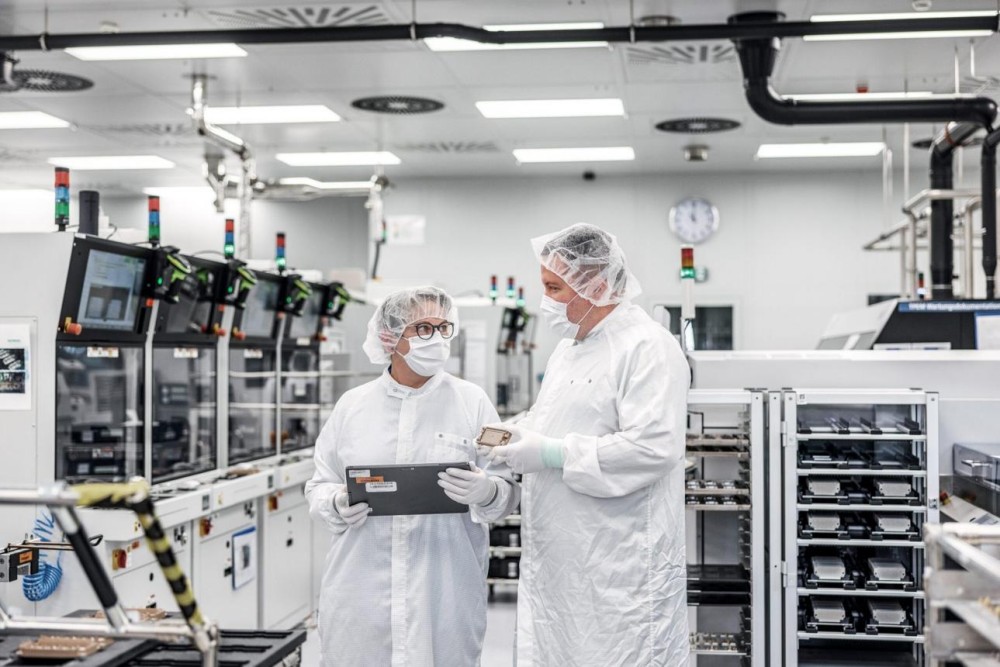
The Erlangen facility is being used as a real-world environment for developing and testing advanced manufacturing technologies. Both companies are combining NVIDIA’s AI, simulation, and accelerated computing technologies with Siemens’ industrial software, automation expertise, and manufacturing experience.
Digital Twins Transform Production Preparation
One of the most significant developments involves virtual production preparation for printed circuit board (PCB) assemblies used in drives and frequency converters.
Traditionally, preparing automated quality inspection systems can require engineers to wait for physical prototypes. Inspection equipment and vision systems must then be configured and trained using real product samples.
The new workflow uses digital twins to generate realistic virtual representations of PCB assemblies. These AI-generated images can be used to train inspection systems before physical prototypes are available.
According to Siemens, this approach can reduce engineering effort by up to 85% and shorten time-to-market by up to 40% for the relevant production preparation process.
AI Agents Improve Factory Production Planning
Another application focuses on intelligent production planning.
At the Erlangen factory, an AI agent supports production planners by automatically generating different manufacturing scenarios when new orders arrive. The system considers factors such as production capacity, material availability, delivery schedules, and manufacturing line requirements.
Before implementation, proposed production plans are evaluated using a digital twin of the entire manufacturing facility.
This allows planners to compare different scenarios and understand their potential impact before making changes to actual production operations.
Siemens states that this agent-based approach can enable cost savings of up to 20%, while helping factories respond more flexibly to changing customer requirements and material shortages.
What This Means for Industrial Automation
The collaboration highlights the growing importance of combining industrial control systems with artificial intelligence and simulation technologies.
For PLC engineers, automation system integrators, and manufacturing companies, digital twins can provide a more effective way to test production changes, optimize engineering workflows, and prepare automated inspection processes.
The Siemens Erlangen factory already uses more than 100 AI algorithms across production, logistics, quality inspection, and maintenance.
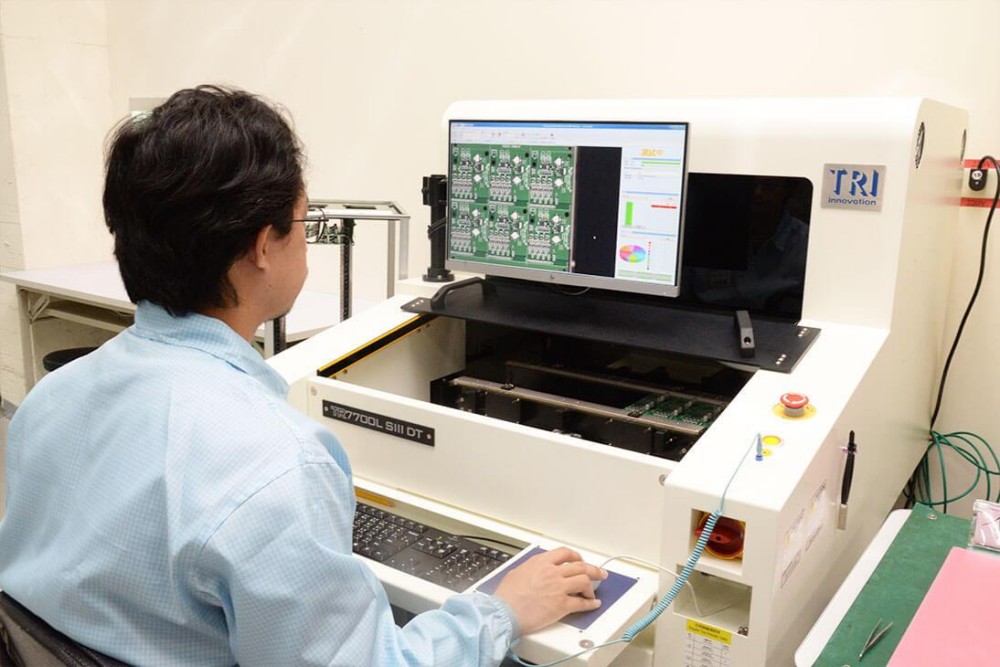
As manufacturers continue investing in smart factories, the integration of PLC systems, industrial software, AI platforms, and digital twins is expected to become increasingly important.
The development also demonstrates how traditional automation hardware, including drives, controllers, sensors, and industrial communication equipment, remains essential to the next generation of intelligent manufacturing.
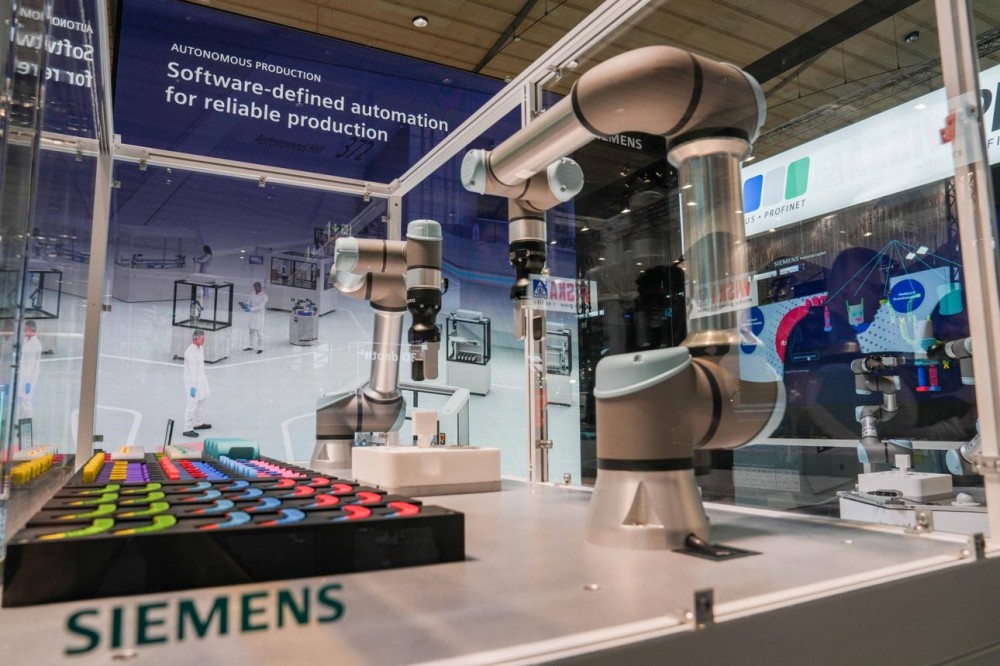 Siemens Advances Industrial Automation With AI-Powered Production, PLC Engineering And Autonomous Robotics
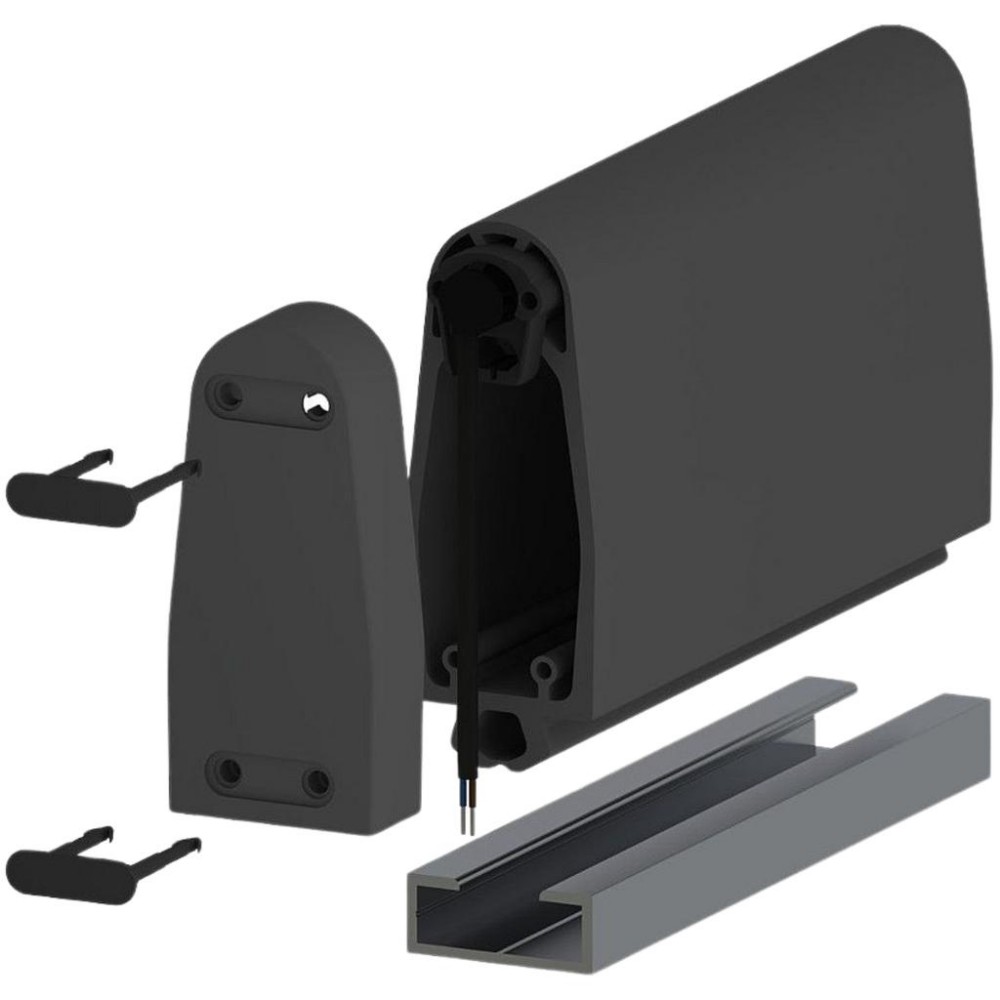 Dacke Industri Acquires ASO Safety Solutions To Expand Industrial Safety Sensor And Automation Capabilities
 Rockwell Automation Implements Plex MES At Booster Precision Components To Improve Manufacturing Visibility And Traceability
 Yokogawa Launches OpreX Universal Autonomous Control System R1.01 PLC For Process Automation