100% Original, Ready to Ship!

Industrial Robot Orders Increase 25% In North America As Factory Automation Expands In 2026
Industrial automation is gaining momentum across North America as manufacturers increasingly turn to robotics to address labor shortages, rising operating costs, and growing production requirements. According to a report published on November 19, 2026, North American companies ordered nearly 11,000 industrial robots during the third quarter of 2026, representing a 25% increase compared with the same period in 2025.
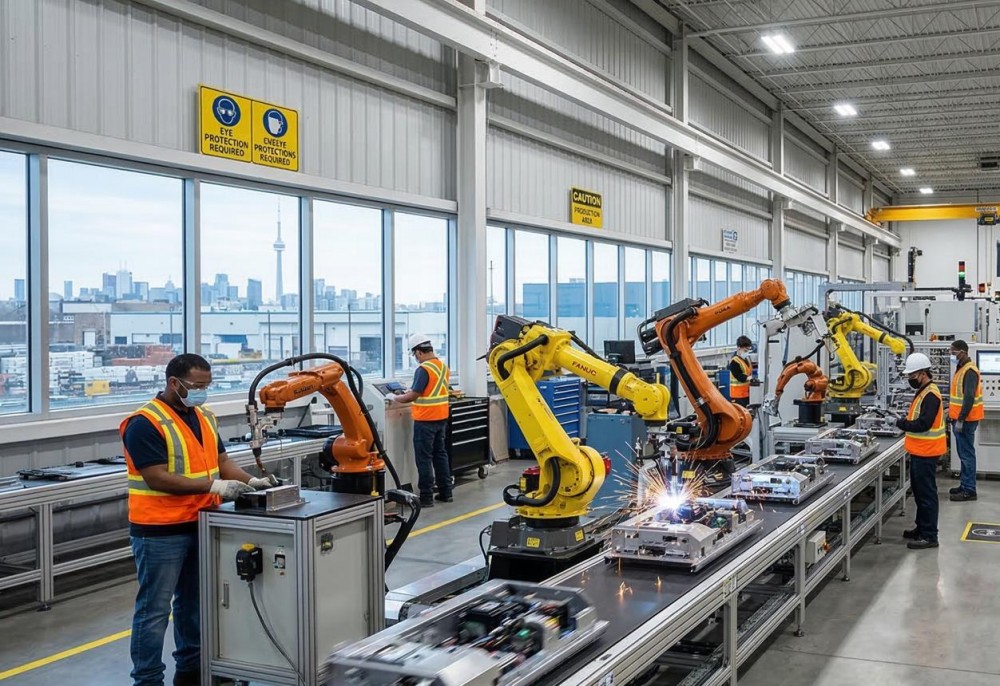
Collaborative robot orders recorded particularly strong growth, increasing by 56% year over year. This development highlights the expanding role of robotics in manufacturing environments beyond traditional automotive assembly lines.
For many industrial companies, automation is becoming an important strategy for maintaining production capacity without continuously increasing labor costs. Businesses are also looking for ways to improve workplace safety, reduce repetitive manual operations, and achieve more consistent manufacturing quality.
One notable development is the growing adoption of collaborative robots, commonly known as cobots. Unlike conventional industrial robots that often operate within dedicated safety enclosures, collaborative systems are designed for applications where human workers and automated equipment can work in closer proximity, subject to appropriate risk assessments and safety measures.
These systems are increasingly being considered for machine tending, component handling, packaging, assembly, and inspection applications. Their flexibility makes them attractive to small and medium-sized manufacturers that need to automate individual production processes without completely redesigning existing factories.
Industrial automation infrastructure remains essential to this transition. PLC controllers coordinate machine sequences, manage digital and analog signals, and communicate with sensors, actuators, and robotic equipment. Industrial Ethernet networks provide data exchange between controllers, production equipment, and supervisory systems.
Motion controllers and servo drives are also important for applications requiring accurate positioning and synchronized movement. Meanwhile, human-machine interfaces allow operators to monitor machine conditions, adjust production parameters, and respond to alarms.
Another important factor is the increasing use of simulation and virtual commissioning. Manufacturers can evaluate robotic movements, production layouts, and equipment interactions before installing physical systems. This can help reduce engineering changes and shorten commissioning activities.
However, expanding robotics also creates new requirements for skilled automation technicians and system integrators. Companies need personnel who understand robot programming, PLC communication, industrial safety, and preventive maintenance.
The growth in robot orders also indicates that automation investment is spreading into logistics, electronics, agriculture, and life sciences. These industries require different types of robotic applications, creating opportunities for equipment manufacturers and industrial component suppliers.
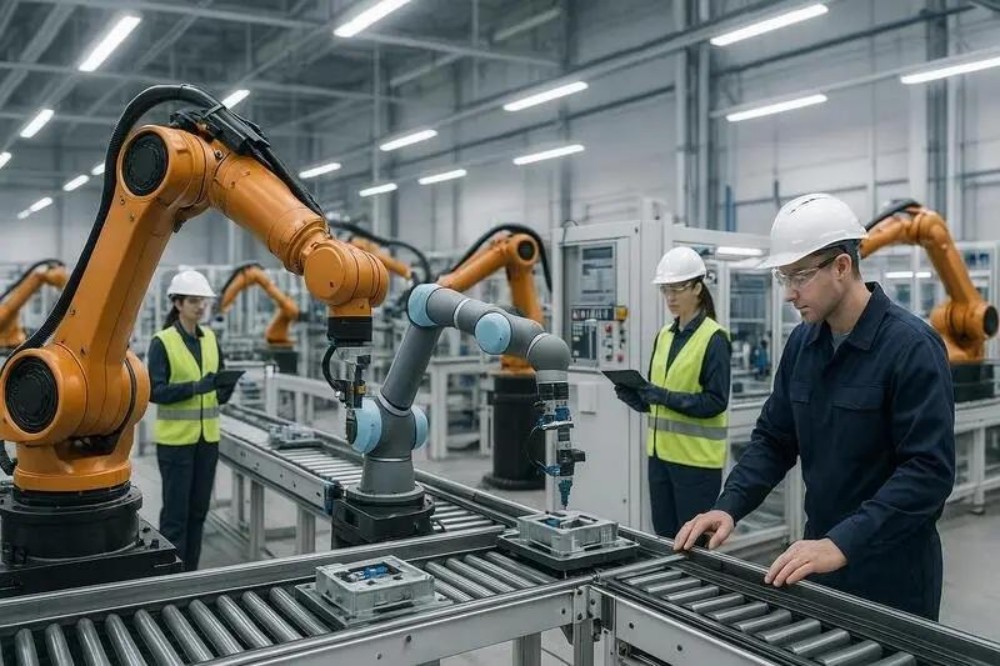
For the global PLC and automation market, the trend represents continued demand for programmable controllers, industrial sensors, servo systems, communication modules, and robot-related control equipment.
As manufacturers continue modernizing existing facilities, flexible automation solutions are likely to remain an important part of industrial investment strategies through 2027 and beyond.
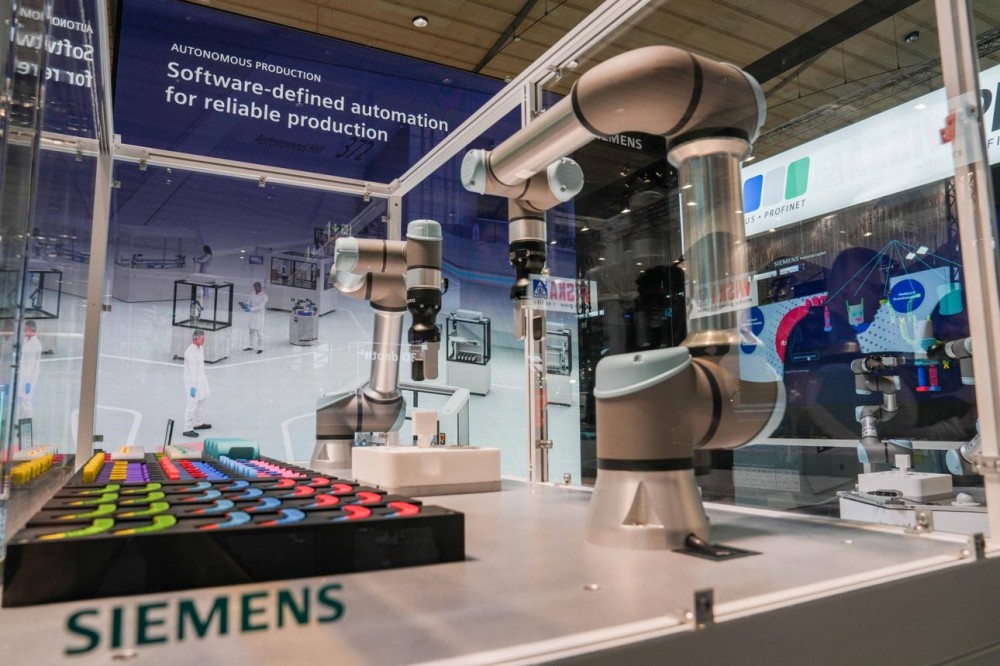 Siemens Advances Industrial Automation With AI-Powered Production, PLC Engineering And Autonomous Robotics
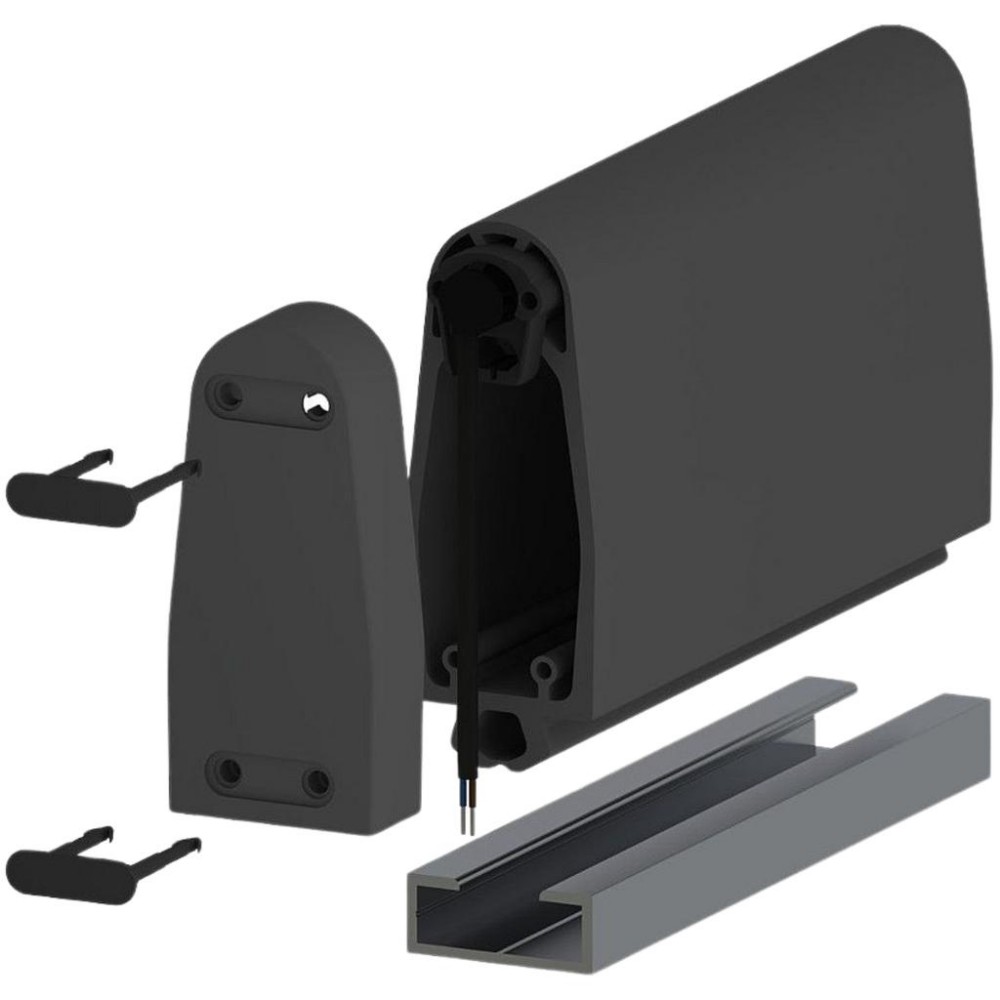 Dacke Industri Acquires ASO Safety Solutions To Expand Industrial Safety Sensor And Automation Capabilities
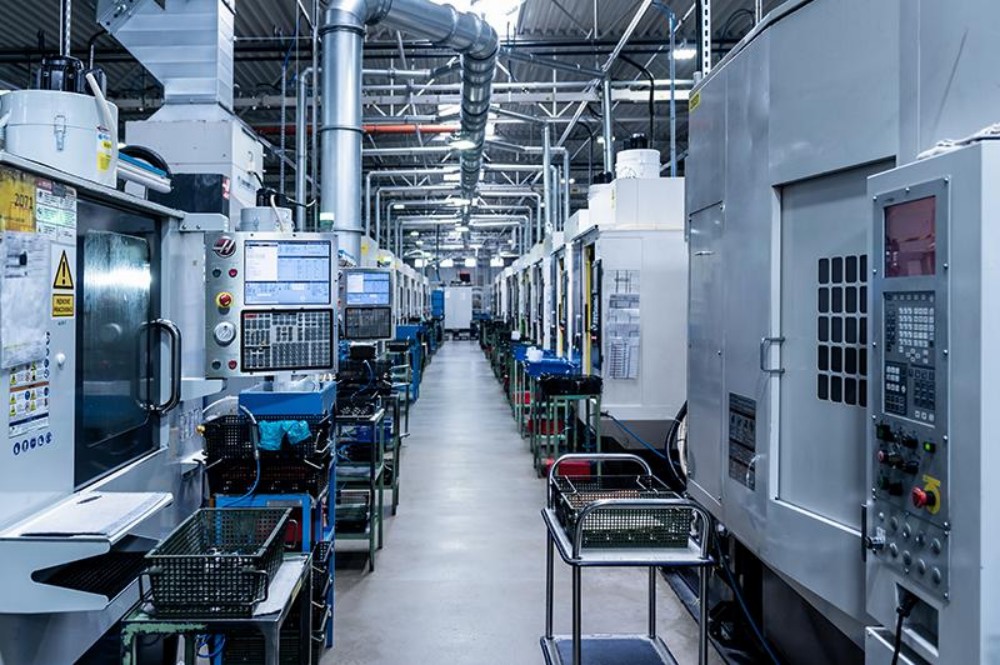 Rockwell Automation Implements Plex MES At Booster Precision Components To Improve Manufacturing Visibility And Traceability
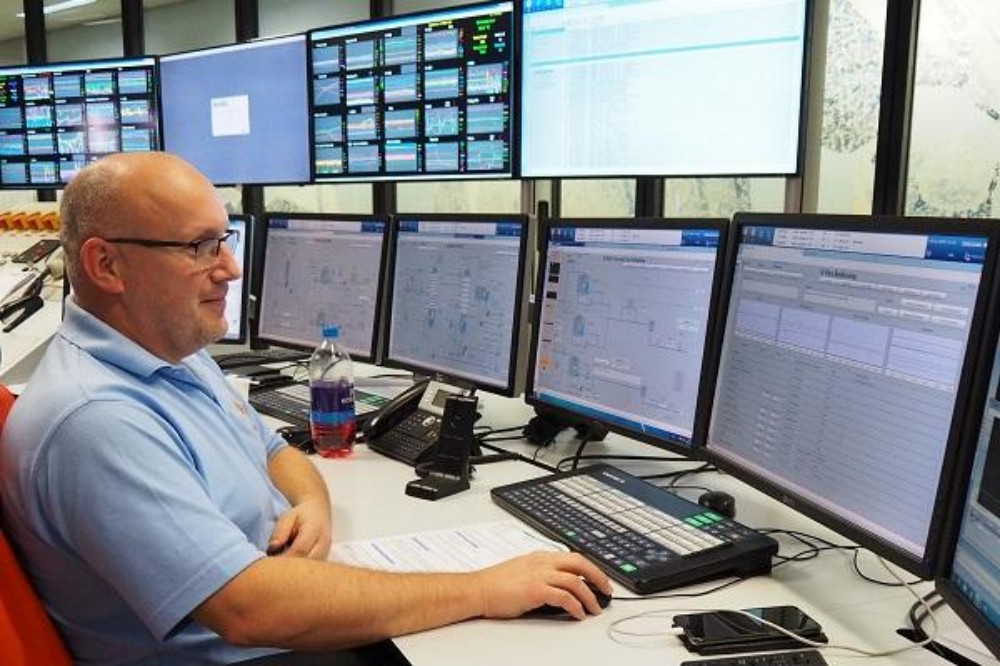 Yokogawa Launches OpreX Universal Autonomous Control System R1.01 PLC For Process Automation