100% Original, Ready to Ship!

Phoenix Contact MCP For PLCnext Control Enables AI Agent Integration With Industrial Automation Systems
Phoenix Contact has introduced MCP for PLCnext Control, a new software application designed to connect industrial automation systems with artificial intelligence applications and AI agents through the Model Context Protocol (MCP).
Announced on November 13, 2026, the development represents another step toward integrating artificial intelligence into industrial engineering, commissioning, diagnostics, and maintenance workflows.
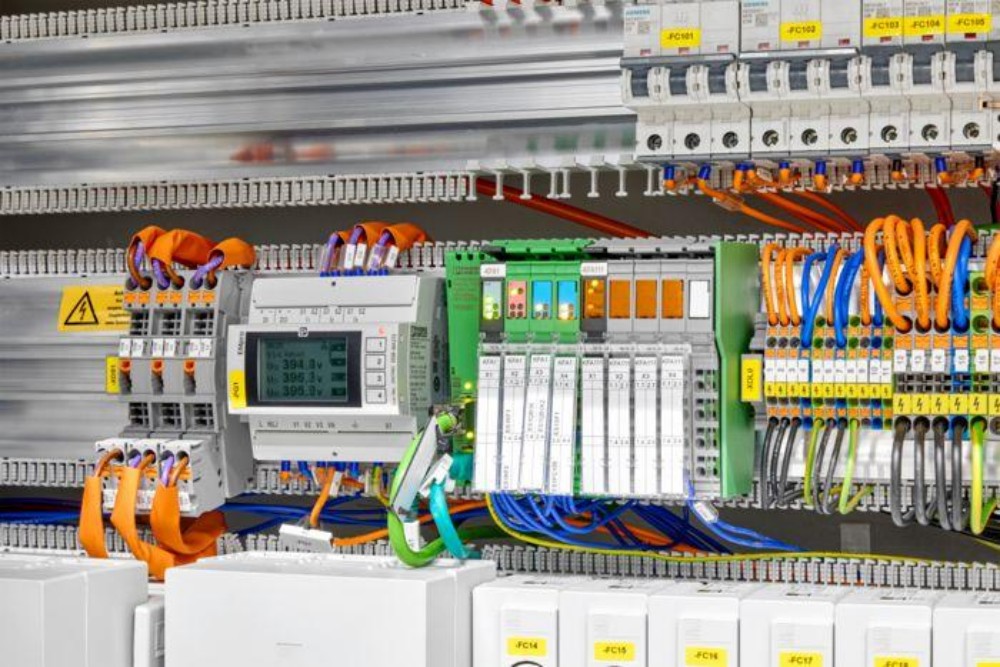
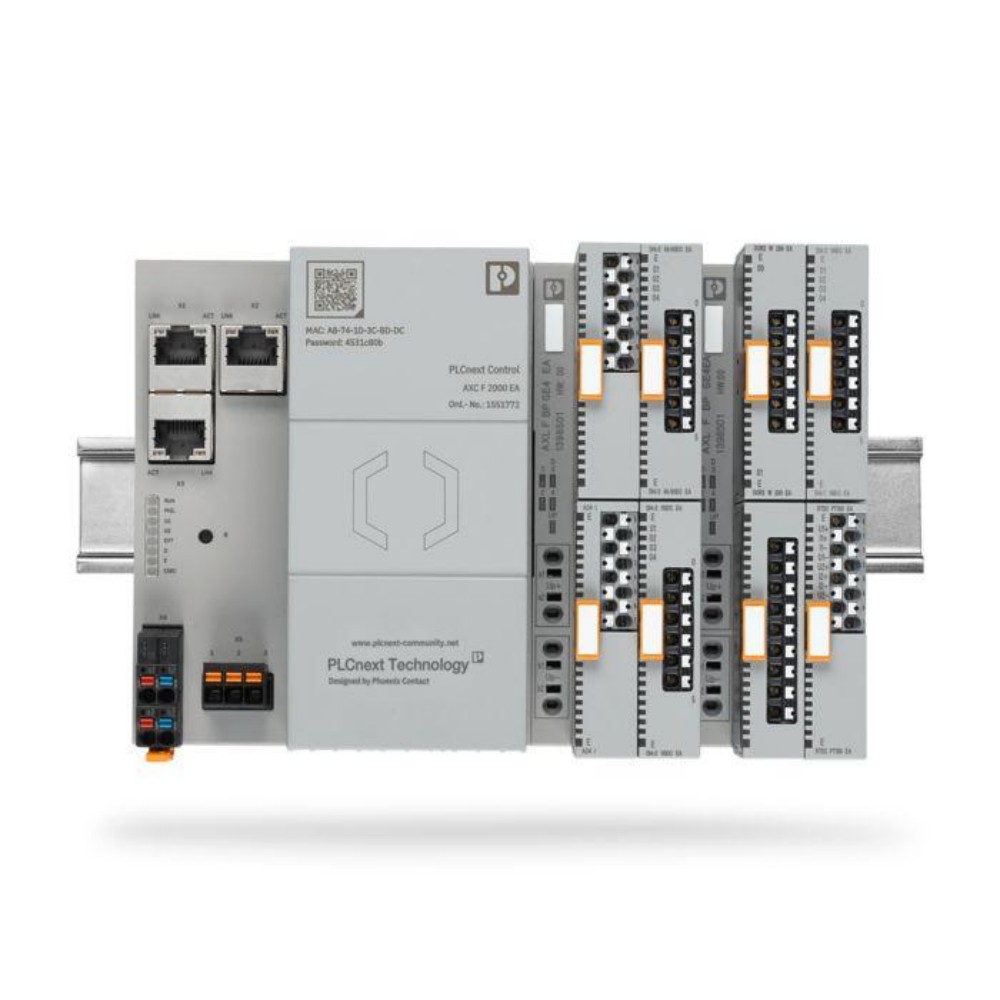
The new application runs directly on PLCnext Control hardware and provides standardized access to selected automation information, diagnostic data, and system functions. Instead of requiring AI applications to communicate separately with multiple PLCnext services, the MCP interface offers a common method for retrieving relevant automation information.
The Model Context Protocol is an open communication standard designed to allow AI applications to interact with external tools and data sources through a structured interface. In industrial environments, this approach can make it easier for compatible AI agents to obtain information from automation systems.
For example, during commissioning, an engineer may need to examine controller information, review diagnostic messages, and understand the operating status of connected equipment. An AI-assisted application could use authorized system information to help organize diagnostic findings and support troubleshooting activities.
Maintenance is another potential application. Industrial facilities generate large amounts of information through PLC controllers, sensors, remote I/O systems, and industrial communication networks. Making relevant information more accessible to AI tools could help technicians investigate equipment conditions and identify possible causes of operational problems.
Phoenix Contact has also addressed security considerations in the application design. The company identifies authentication, role-based access control, secure communication, logging, and request rate limiting among the planned protection mechanisms. These controls are important because industrial automation systems cannot expose unrestricted access to production equipment.
Another significant aspect is the separation of technical assistance from operational decision-making. AI applications may help users interpret information and perform engineering tasks, but the final assessment and decision remain with the human operator or engineer.
For PLC and DCS engineers, this development introduces new possibilities for connecting industrial control infrastructure with intelligent software tools. However, successful implementation will require careful consideration of network security, user permissions, data quality, and compatibility with existing automation architectures.
The technology may also support future developments in predictive maintenance and engineering assistance. As AI agents become more capable of interacting with industrial software, standardized interfaces could reduce the effort required to connect different applications and automation services.
PLCnext Technology already provides an open automation ecosystem that supports industrial control and software integration. The addition of MCP connectivity extends this concept by creating a more standardized connection between controller information and AI-based applications.
For industrial automation suppliers, the announcement highlights growing interest in open PLC platforms, industrial communication technologies, remote diagnostics, and intelligent engineering tools.
As manufacturing companies continue exploring industrial AI, technologies that connect existing PLC infrastructure with modern software applications may become increasingly relevant to smart factory development.
 Siemens Advances Industrial Automation With AI-Powered Production, PLC Engineering And Autonomous Robotics
 Dacke Industri Acquires ASO Safety Solutions To Expand Industrial Safety Sensor And Automation Capabilities
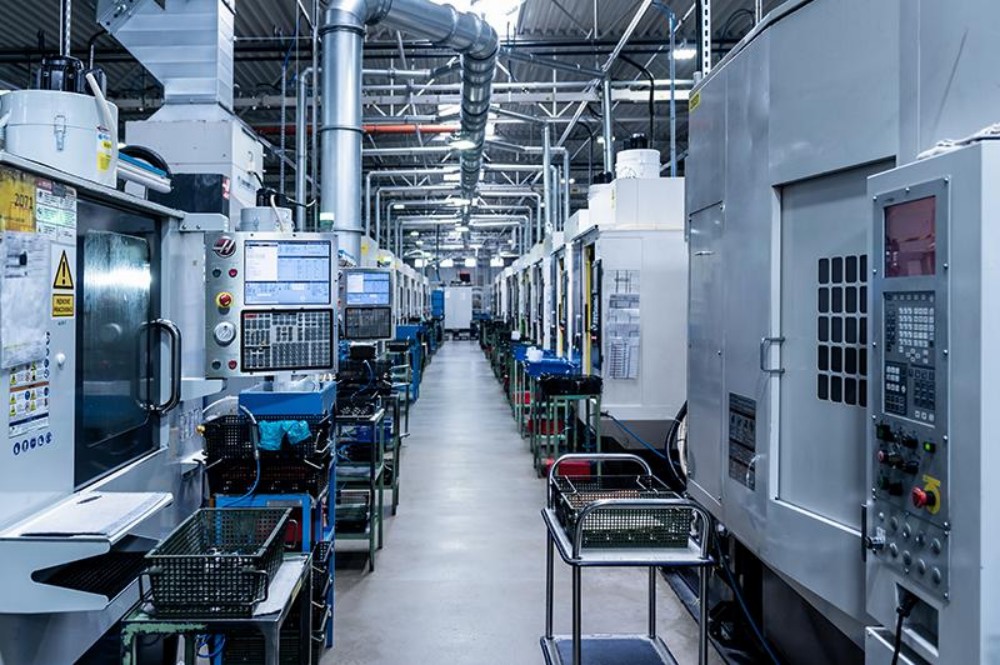 Rockwell Automation Implements Plex MES At Booster Precision Components To Improve Manufacturing Visibility And Traceability
 Yokogawa Launches OpreX Universal Autonomous Control System R1.01 PLC For Process Automation