100% Original, Ready to Ship!

Rockwell Automation Implements Plex MES At Booster Precision Components To Improve Manufacturing Visibility And Traceability
Rockwell Automation has announced that German manufacturer Booster Precision Components has selected its Plex Elastic Manufacturing Execution System (MES) for a digital manufacturing transformation project at the company’s Schwanewede facility near Bremen, Germany. Announced on November 25, 2026, the project aims to improve production visibility, product traceability, quality management and integration between manufacturing operations and enterprise business systems.
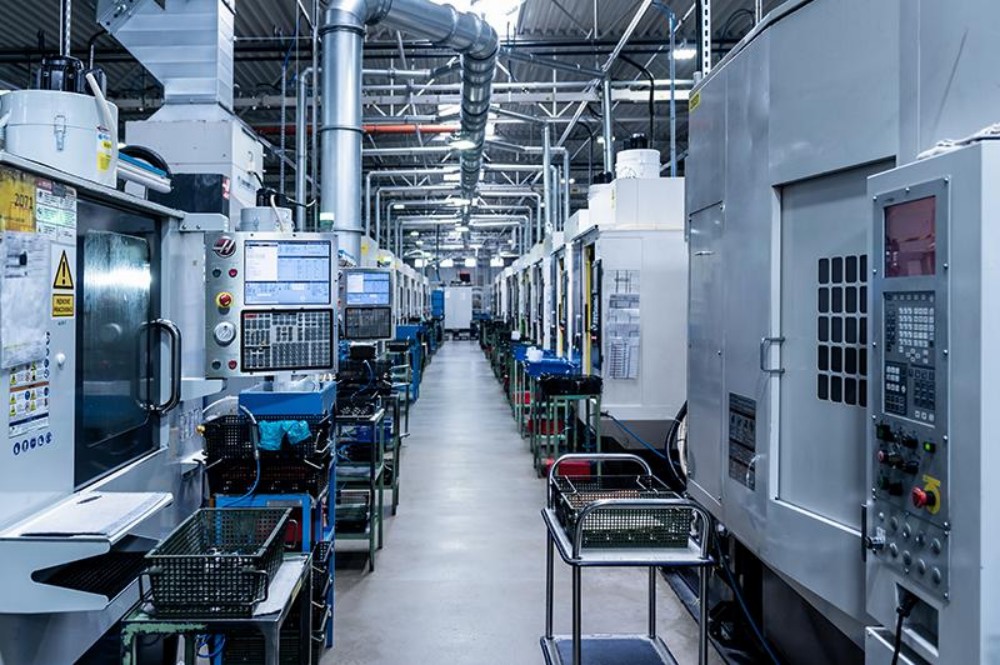
Booster Precision Components manufactures high-precision components for several industrial sectors, including automotive, energy, fuel cells, turbomachinery and general industrial applications. Its manufacturing operations require consistent process control, accurate production records and reliable quality management to meet customer requirements.
As manufacturing networks become more complex, companies increasingly need real-time information about what is happening on the shop floor. Traditional production environments may rely on separate systems, manual records and disconnected databases. This can make it difficult for managers to track production progress, identify quality issues and obtain a consistent view of factory performance.
The Plex Elastic MES platform is intended to address these challenges by providing a connected manufacturing execution environment. For Booster Precision Components, the implementation will include Plex Manufacturing Execution System and Plex Quality Management System capabilities.
The MES solution is designed to provide real-time production insight, support production tracking and strengthen end-to-end traceability. These functions can help manufacturers understand the status of work orders, monitor manufacturing processes and maintain more consistent records throughout production.
Quality management is another important part of the project. In precision manufacturing, product quality depends on consistent execution of production processes and the ability to identify deviations. A connected quality management environment can help organize inspection information, improve visibility into quality-related activities and support more systematic process improvement.
An additional objective is to improve integration between shop-floor operations and Booster’s SAP enterprise resource planning environment. ERP systems typically manage business processes such as purchasing, inventory, finance and order management, while MES platforms focus more directly on manufacturing execution. Connecting these environments can reduce information gaps between production teams and business departments.
Rockwell describes Plex Elastic MES as a cloud-native and interoperable manufacturing execution platform. Its modular architecture allows manufacturers to introduce capabilities according to operational priorities and expand the system as requirements develop.
For Booster Precision Components, the project is intended to establish a digital foundation for future manufacturing improvements. The company expects better production visibility, more standardized manufacturing and logistics processes, improved traceability and stronger decision-making based on accurate operational information.
The announcement is particularly relevant to manufacturers supplying automotive, energy and other high-precision industries, where traceability and quality requirements are often demanding. It also demonstrates how MES technology can complement existing PLC, DCS and industrial control infrastructure.
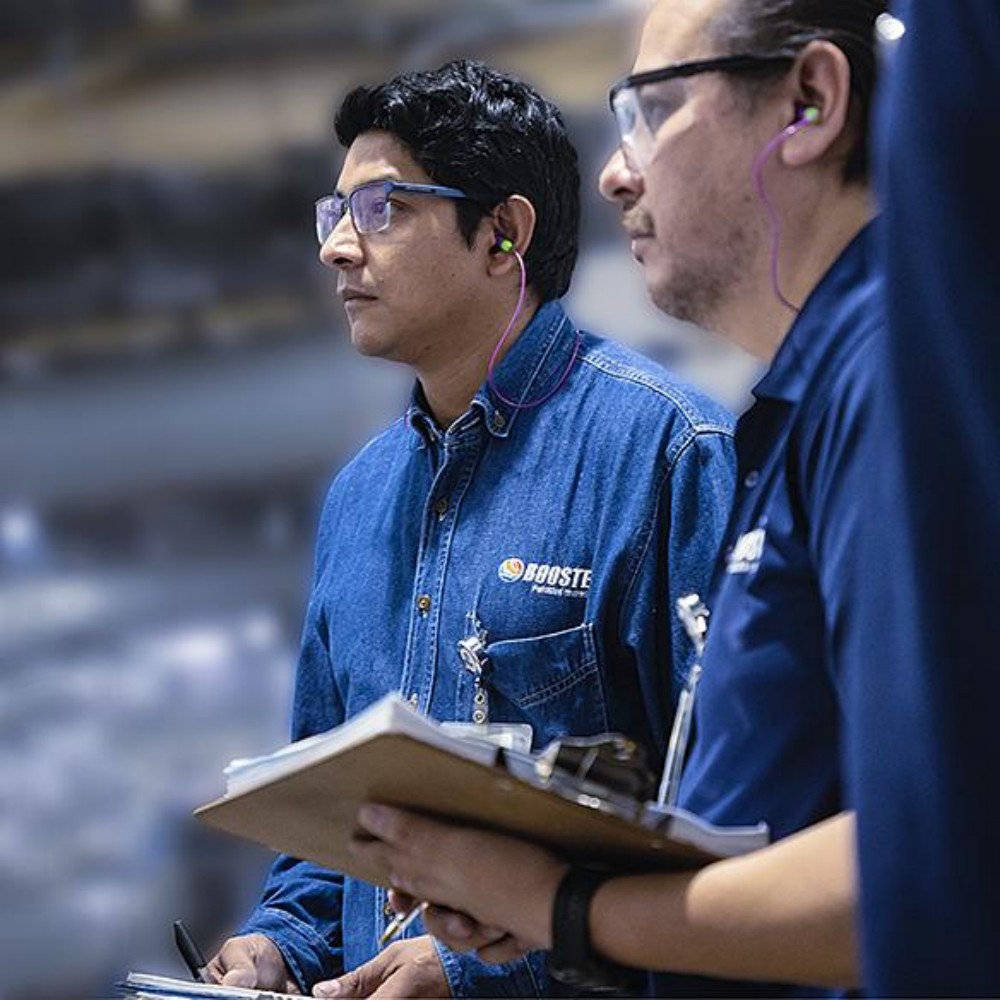
An MES platform does not replace the real-time control functions of PLCs or DCS systems. Instead, it operates at a higher manufacturing management level, collecting and organizing production information generated by equipment and operational systems. When properly integrated, PLCs, SCADA, MES and ERP platforms can form a more connected manufacturing architecture.
For automation engineers and system integrators, the project highlights the importance of considering data flow between shop-floor control systems and enterprise applications when planning factory modernization.
 Siemens Advances Industrial Automation With AI-Powered Production, PLC Engineering And Autonomous Robotics
 Dacke Industri Acquires ASO Safety Solutions To Expand Industrial Safety Sensor And Automation Capabilities
 Yokogawa Launches OpreX Universal Autonomous Control System R1.01 PLC For Process Automation
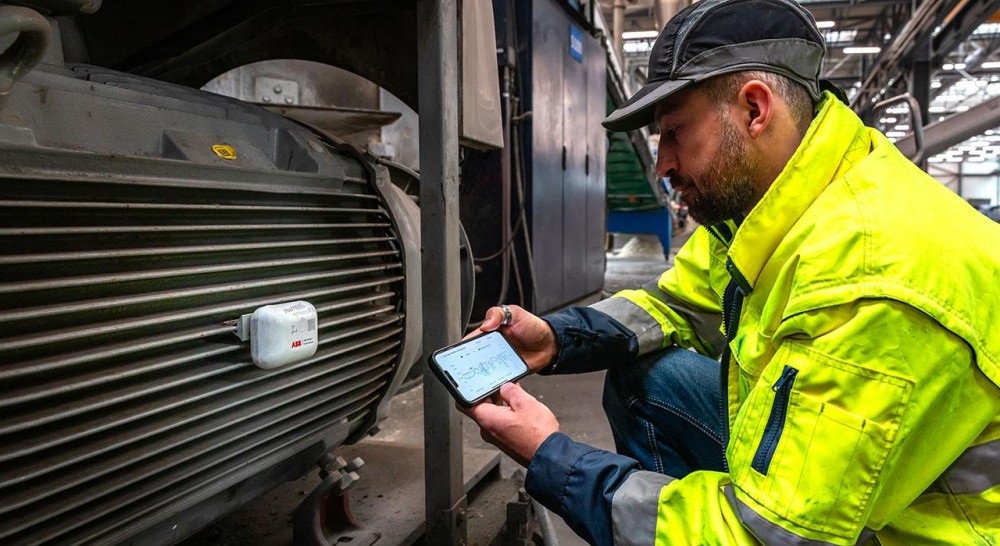 ABB Launches Intelleqt Intelligent Low-Voltage Motor With Built-In Industrial AI And Edge Computing