100% Original, Ready to Ship!

Interview With Honeywell Yu Feng: Manufacturing Must Find The Optimal Green Path In Industrial Transformation
The global push toward zero-carbon development is accelerating. As policies for zero-carbon industrial parks are implemented, the construction of zero-carbon factories is also gaining momentum. This year, China’s Ministry of Industry and Information Technology and four other departments jointly issued guidelines on zero-carbon factory development, outlining plans to select a group of pilot factories starting from 2026 to further drive deep decarbonization in the industrial sector.
More enterprises are now accelerating green transformation, with green factories and near-zero carbon initiatives already in progress. Honeywell’s Tianjin facility in the Tianjin Economic-Technological Development Area (TEDA) is part of this shift, exploring practical pathways toward low-carbon industrial manufacturing.
In an interview, Honeywell Greater China President Yu Feng said that 75% of Honeywell’s locally manufactured products in China come from nationally or provincially certified green factories. He noted that moving from green factories to zero-carbon factories is a natural stage in industrial development.
Enterprises Must Find The Optimal Green Balance
Yu Feng said the biggest challenge in manufacturing transformation is not a single issue such as technology or funding, but balancing multiple priorities: operational safety, efficiency, decarbonization, and cost control.
He highlighted several key pressures:
Profitability challenges as supply growth outpaces demand, leading to price declines and tighter margins
Need for innovation-driven growth beyond cost reduction
Shortage of skilled industrial talent, as fewer young workers enter complex manufacturing roles
Increasing automation, digitalization, and autonomy requirements in modern industrial plants
Yu Feng explained that Tianjin offers strong industrial foundations, port advantages, and proximity to Beijing. The city also has deep expertise in chemical engineering, supported by leading institutions such as Tianjin University.
He said the Tianjin plant is not only a manufacturing base but also a reflection of Honeywell’s 30-year presence in China, evolving into a fully integrated innovation center covering R&D, production, sales, and services.
China’s dual-carbon goals and new industrialization strategy align closely with Honeywell’s automation expertise. The upgraded Tianjin base allows faster localization of smart manufacturing and sustainability technologies.
Honeywell has deployed smart building energy management systems in the Tianjin facility, achieving measurable energy savings and emissions reductions. The site also hosts a sustainable development digital innovation center focused on energy efficiency, digitalization, and circular economy technologies, with the goal of scaling local innovations globally.
Yu Feng expressed strong support for China’s zero-carbon factory and zero-carbon industrial park initiatives. He said such transformation is a necessary evolution for enterprises and national development.
For manufacturing companies, zero-carbon parks can provide cleaner energy supply, improved efficiency, and better cost structures, helping strengthen long-term competitiveness.
Honeywell plans to collaborate closely with TEDA, sharing its energy management and digital solutions to support the development of a national-level zero-carbon park demonstration project.
Yu Feng said green factory experience is highly replicable, but requires strong leadership commitment. He emphasized that green transformation is not only about environmental benefits but also economic competitiveness, especially as carbon footprint requirements become increasingly important in global supply chains.
He added that companies can adopt different tools depending on their financial capacity, from cost-effective upgrades to full-system solutions. Honeywell also provides customized energy-saving recommendations based on factory conditions.
He noted that 75% of Honeywell’s China-made products already come from certified green factories, and the company actively shares best practices with suppliers and partners.
Yu Feng said the transition from green factories to zero-carbon factories is a systemic transformation involving strategy, technology, management, and supply chains.
He identified three key areas:
Technology integration, including breakthroughs in industrial decarbonization and process efficiency
Supply chain collaboration, enabling companies to evolve into ecosystem builders through shared standards and carbon management
Carbon asset management, where transparent carbon tracking can transform emissions control into a potential value driver
He concluded that the transition requires moving from incremental improvement to full system redesign, where the greatest challenges also bring the greatest opportunities for industrial innovation and long-term growth.
 Rockwell Automation Expands Industrial AI Capabilities With NVIDIA Nemotron Support
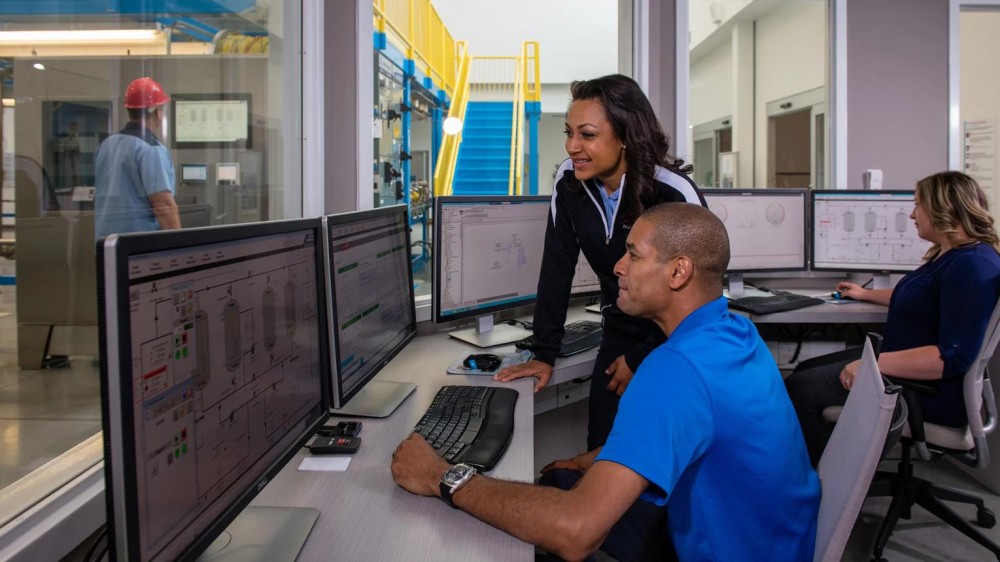 Rockwell Automation Introduces FactoryTalk Conductor To Advance AI-Driven Industrial Automation
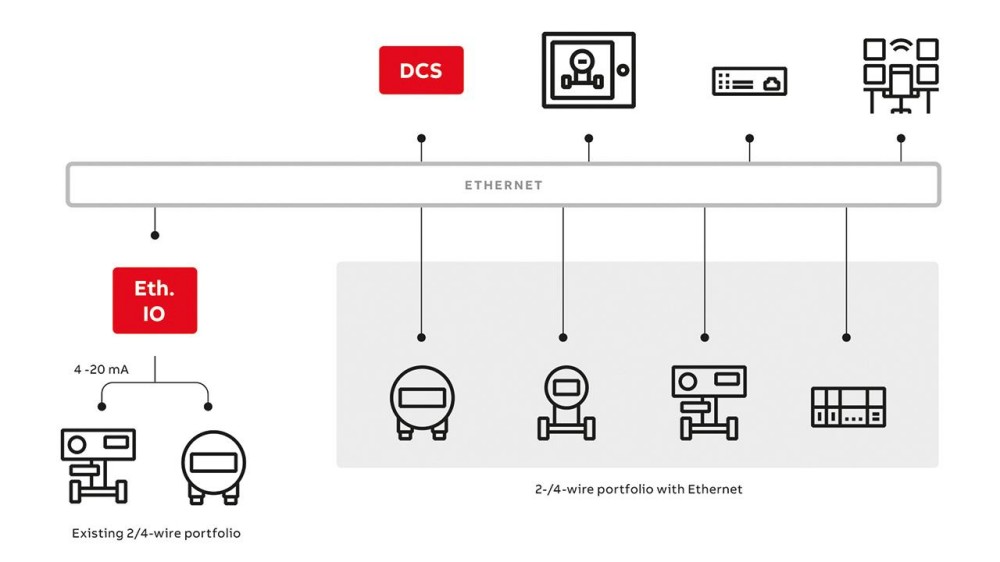 ABB And Boliden Advance DCS Modernization With Ethernet-APL Industrial Automation
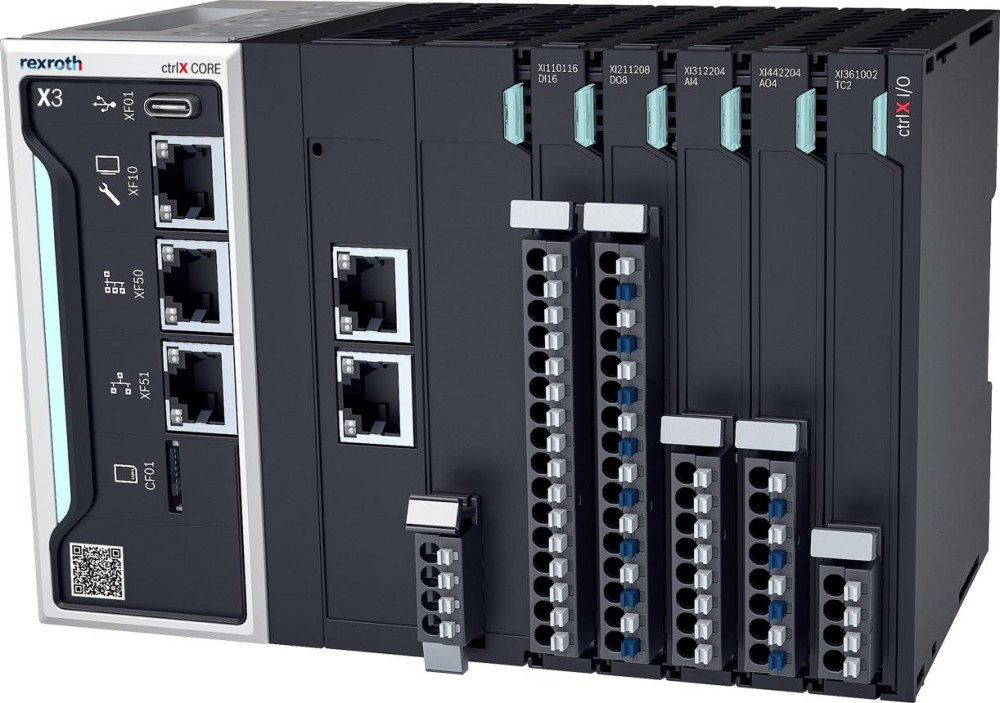 Bosch Rexroth Expands ctrlX AUTOMATION With New Safety PLC, Drive And Software Features