100% Original, Ready to Ship!

ABB XV C772 A102 3BHE032285R0102 HVD Board Installation Guide
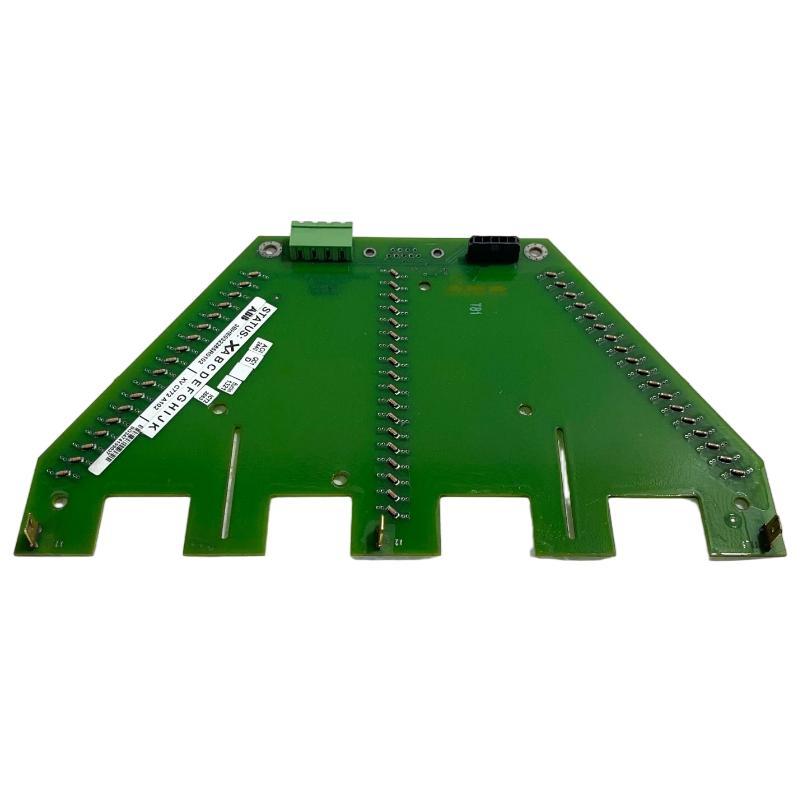
Table of Contents
- ABB XV C772 A102 HVD Board Overview
- ABB XV C772 A102 Installation Environment Requirements
- ABB XV C772 A102 Power Isolation Strategy
- ABB XV C772 A102 HVD Board Wiring Practices
- ABB XV C772 A102 Commissioning Validation
- Real Commissioning Case for ABB XV C772 A102
- FAQ
- Final Engineering Notes
ABB XV C772 A102 HVD Board Overview
ABB XV C772 A102 3BHE032285R0102 HVD board installation failures are commonly related to grounding layout and fiber communication routing rather than defective hardware. In medium-voltage ACS2000 systems, this board is responsible for high-voltage signal detection and isolation processing, which directly affects converter protection stability and DC bus monitoring.
The ABB XV C772 A102 HVD Board is widely used inside ABB ACS2000 and ACS5000 drive architectures where stable high-voltage feedback is required for inverter synchronization and fault protection. Improper setup may trigger converter trips, DC bus undervoltage alarms, or unstable gate firing sequences.
ABB XV C772 A102 Installation Environment Requirements
Before starting the installation guide procedure, engineers should verify cabinet conditions instead of directly inserting the module into the control rack.
- Ambient temperature should remain between -40°C and 70°C
- Relative humidity should remain below 95% non-condensing
- Cabinet grounding resistance should typically remain below 1Ω
- Fiber optic communication cables must be isolated from power cables
- EMI filters should be installed near high-frequency switching sections
In several commissioning projects, we observed unstable voltage feedback caused by routing analog signal cables parallel to inverter output cables. After rerouting the harness, DC bus fluctuation reduced from ±18V to less than ±3V during motor acceleration.
ABB XV C772 A102 Power Isolation Strategy
The XV C772 A102 circuit board operates inside medium-voltage drive systems where isolation integrity is critical. Engineers should never assume that cabinet isolation is sufficient after power-down.
- Disconnect incoming MV feeder
- Verify DC bus discharge below 50V
- Measure residual voltage using insulated HV probes
- Lock out inverter charging circuit
- Check grounding continuity before touching the HVD board
A common field mistake is measuring directly across the voltage divider terminals immediately after shutdown. In one maintenance case, residual voltage remained above 420VDC for nearly 11 minutes because of a failed discharge resistor inside the converter section.
ABB XV C772 A102 HVD Board Wiring Practices
Correct system configuration is essential during ABB XV C772 A102 HVD board setup and commissioning.
Recommended Wiring Logic
- Separate analog and switching power paths
- Use shielded twisted-pair cables for feedback signals
- Terminate shield on one side only
- Maintain minimum 150mm spacing from inverter output conductors
- Verify optical communication alignment before energizing
Typical Signal Verification
DC BUS FEEDBACK : 698VDC
ANALOG OUTPUT   : 9.98V
GROUND OFFSET   : 0.03V
FIBER STATUS    : NORMAL
If analog offset exceeds 0.5V under idle conditions, grounding loops or damaged shield terminations should be suspected before replacing the board.
ABB XV C772 A102 Commissioning Validation
During commissioning, the objective is not simply to power the board but to verify stable interaction with the converter control system.
Recommended Commissioning Sequence
- Initialize low-voltage control power only
- Verify HVD board communication status
- Monitor DC feedback scaling
- Enable charging circuit
- Perform no-load inverter test
- Apply gradual motor load increase
Engineers should carefully observe transient feedback behavior during motor acceleration. Sudden spikes usually indicate electromagnetic interference instead of board failure.
In one mining ventilation system startup, unstable voltage sampling caused repeated converter trips at 37Hz motor speed. After inspection, we found that the fiber transmitter connector was partially contaminated with conductive dust. Cleaning the connector stabilized communication immediately.
Real Commissioning Case for ABB XV C772 A102
A cement plant reported intermittent ACS2000 shutdowns during kiln fan startup. Initial suspicion focused on the XV C772 A102 HVD board because the drive reported inconsistent DC voltage measurements.
However, diagnostic trending showed that the voltage deviation appeared only when motor current exceeded 280A.
Further inspection revealed that the HVD signal cable shield had been grounded at both ends after a cabinet modification project. This created induced noise loops during high-current operation.
After correcting the shield termination:
- DC feedback ripple dropped from 14V to 2V
- Drive trips disappeared completely
- Motor startup time improved by 11%
- No additional hardware replacement was required
FAQ
Why does the ABB XV C772 A102 board show unstable voltage readings during commissioning?
The most common reason is EMI interference caused by improper cable routing or poor grounding. Shield termination and cable spacing should be checked before replacing the board.
Can the XV C772 A102 HVD board be hot-swapped?
No. The board operates inside medium-voltage drive systems and must only be replaced after complete isolation and DC bus discharge verification.
Why is the DC bus value different from the multimeter reading?
Scaling mismatch, analog calibration drift, or signal isolation problems can create differences between controller readings and direct measurements.
What is the most common commissioning mistake with this ABB circuit board?
Incorrect shield grounding and routing analog cables alongside inverter output conductors are the most frequent field problems.
How should fiber communication connectors be maintained?
Fiber connectors should remain free from dust and oil contamination. Even slight contamination may cause intermittent converter communication faults.
Why does the drive trip only during acceleration?
Acceleration introduces higher switching noise and current transients, which may expose grounding weaknesses or unstable signal references.
What should engineers verify before replacing the HVD board?
They should first verify DC bus stability, grounding continuity, optical communication quality, and analog signal integrity.
Can incorrect cabinet grounding damage the XV C772 A102 board?
Yes. Long-term exposure to transient voltage differences and common-mode noise may damage sensitive analog detection circuits.
Final Engineering Notes
ABB XV C772 A102 3BHE032285R0102 HVD board setup and commissioning reliability depend heavily on grounding quality, signal isolation, and proper cabinet wiring practices. In most field cases, communication instability and voltage feedback faults originate from installation details rather than actual PCB failure. A disciplined commissioning process significantly improves ACS2000 drive stability and reduces unnecessary spare part replacement.
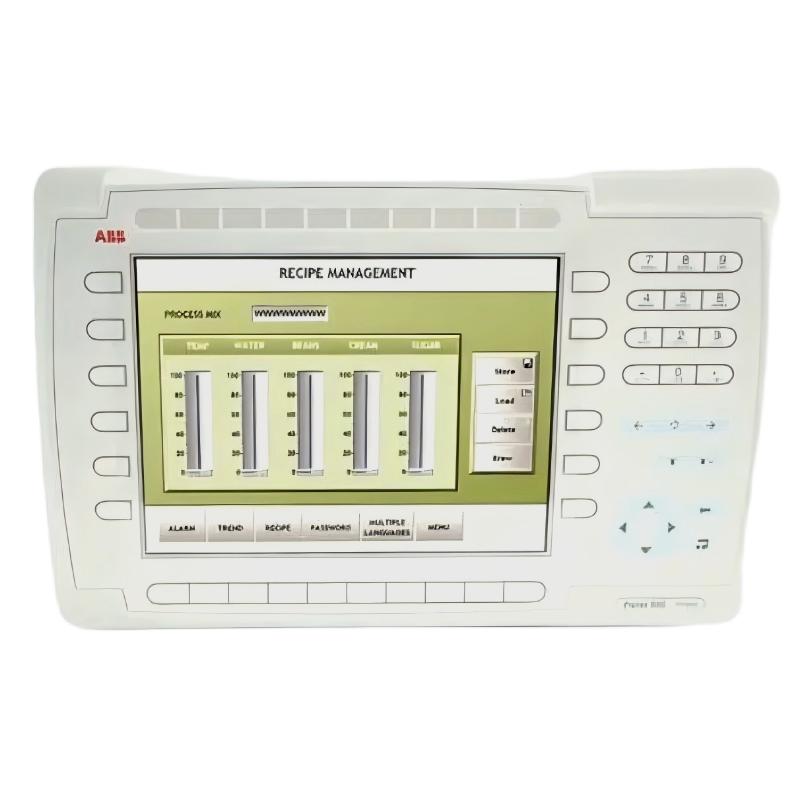 ABB PP845 3BSE042235R1 Operation Panel Installation Guide
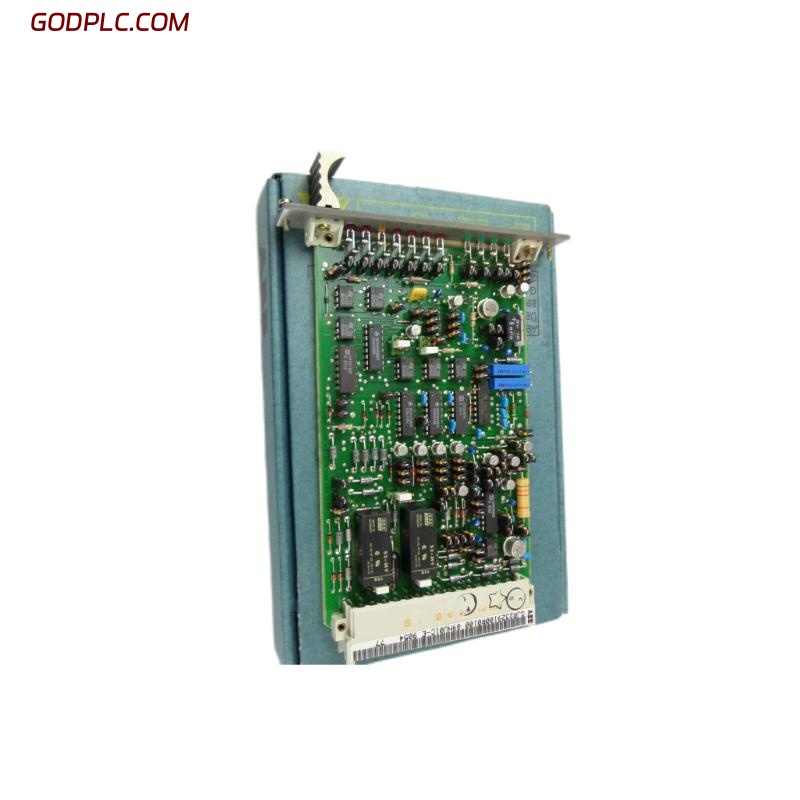 ABB 89NU01E Safety Relay Installation Guide
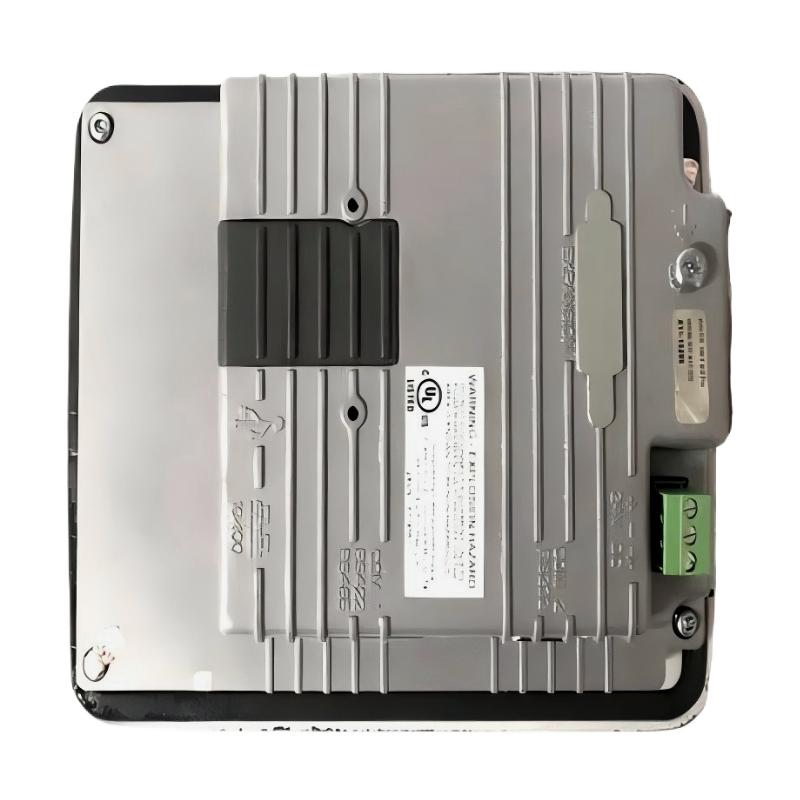 ABB PP825 3BSE042240R1 Operation Panel Installation Guide
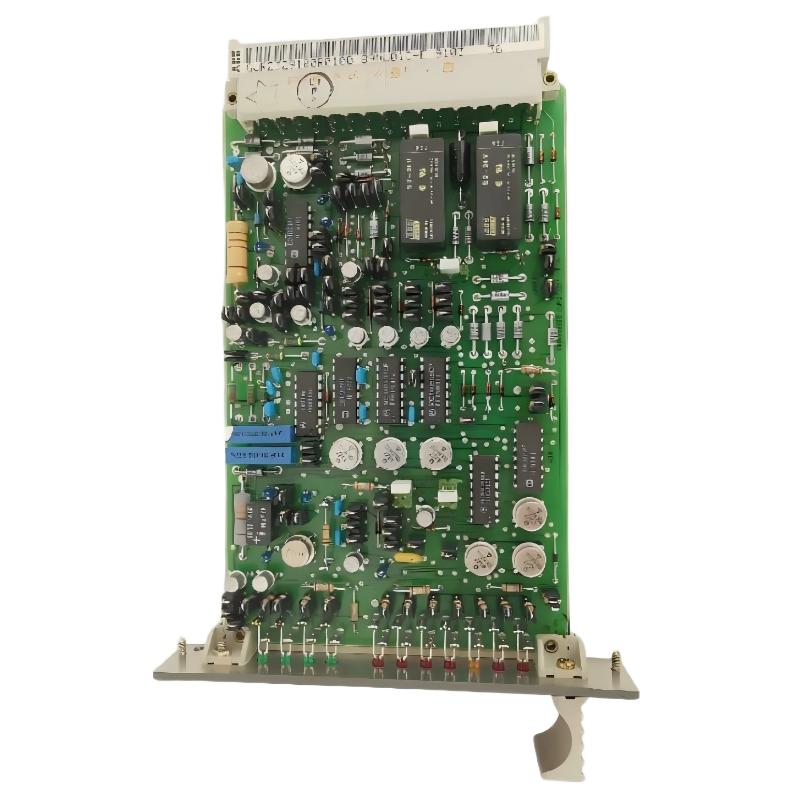 ABB 89NU01D-E GJR2329100R0100 Alarm Module Installation Guide