100% Original, Ready to Ship!

Aptiv Expands Industrial Robotics Partnerships With TARS And Shanghai Electric To Advance Physical AI In Manufacturing
Aptiv is accelerating its expansion into industrial robotics through new strategic partnerships with TARS and Shanghai Electric. Announced on November 6, 2026, during the 9th China International Import Expo (CIIE), the agreements focus on integrating advanced robotics technologies into manufacturing operations and bringing Aptiv’s computing and power management solutions into next-generation robotic platforms.
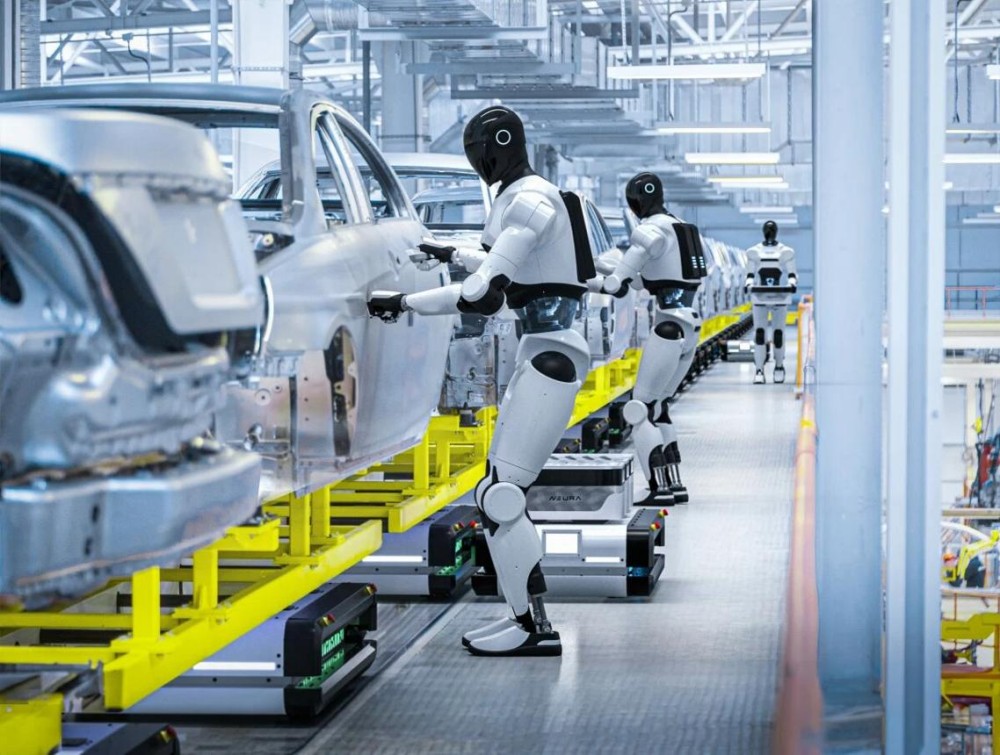
Hundreds of Robots Moving Toward Manufacturing Deployment
Under the agreements, robots developed by TARS and Shanghai Electric are being gradually deployed on Aptiv’s production lines. Hundreds of robots are moving from initial validation toward broader industrial deployment.
Real manufacturing environments provide an important testing ground for physical AI technologies. Unlike laboratory demonstrations, factory applications require robots to operate reliably around equipment, materials, production processes, and changing working conditions.
The experience gained from these deployments will help the partners refine robotic systems and improve their ability to handle complex manufacturing tasks.
Computing and Motion Control Technologies Support Robotics
Aptiv plans to integrate its high-performance computing platforms and intelligent power distribution solutions into robots developed by both partners. Initial production is planned by the end of 2026.
These computing platforms support essential robotic functions, including environmental perception, decision-making, and motion control. Their scalable architecture is designed to accommodate different robot configurations while supporting more efficient technology development and application integration.
For industrial automation manufacturers, these developments highlight the growing importance of computing hardware, control software, electrical power management, and industrial connectivity in modern robotic systems.
What This Means for Industrial Automation
The expansion of physical AI into manufacturing could influence how factories approach material handling, production assistance, machine operation, and flexible automation.
Traditional industrial robots typically perform predefined movements within carefully configured workspaces. AI-enabled robotic systems aim to improve their ability to perceive surroundings and respond to changing conditions.
However, reliable factory deployment still depends on proven control architectures, safety engineering, industrial communication, and integration with existing PLC and production systems.
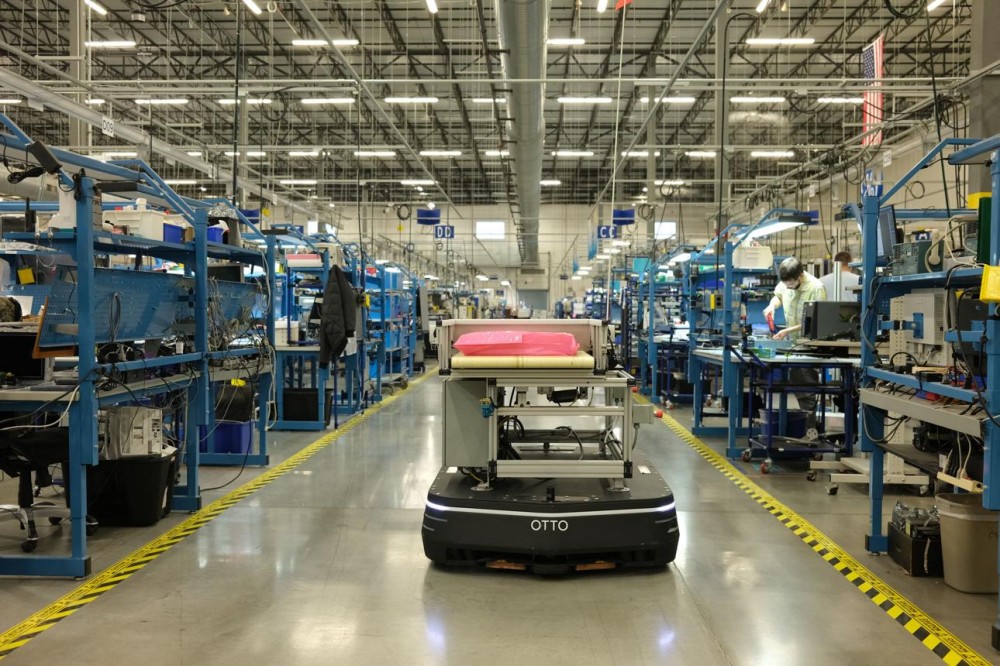
Aptiv’s partnerships demonstrate how technologies developed for automotive electronics and high-volume manufacturing are increasingly being applied to industrial robotics.
As smart manufacturing continues to evolve, the integration of robotics, computing platforms, motion control, and industrial automation will remain an important area to watch.
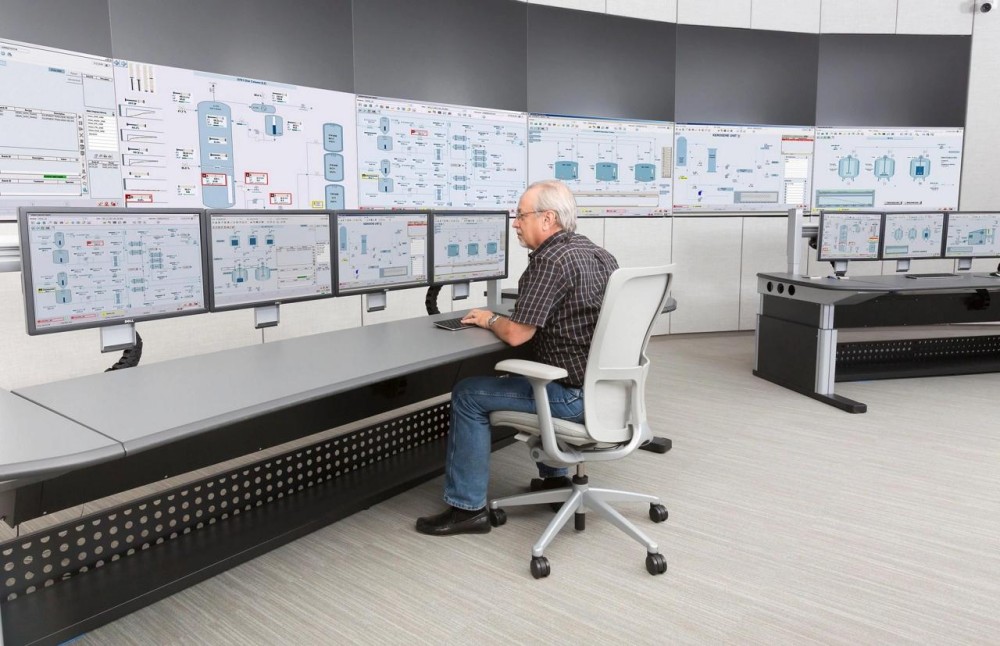 Aptiv Expands Industrial Robotics Partnerships To Advance Physical AI In Smart Manufacturing
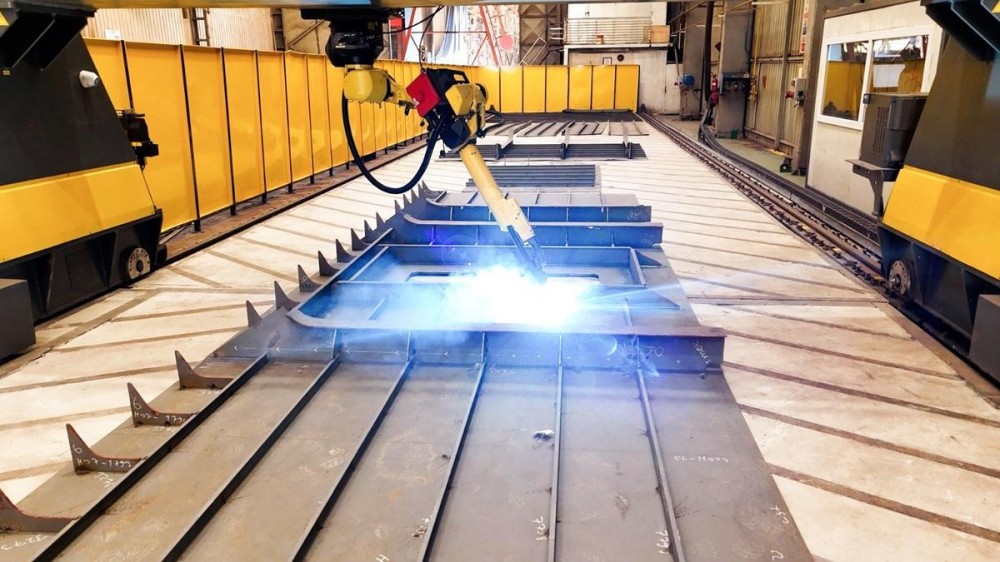 Path Robotics Raises $300 Million To Expand AI-Powered Industrial Welding Automation
 Rockwell Automation Introduces PanelView Pro HMI For Modern Industrial Automation Systems
 Yokogawa Selected As Main Automation Contractor For LNG Canada Phase 2 Expansion Project