100% Original, Ready to Ship!

DOBOT Launches Three New Robotics Platforms To Advance Industrial Automation And Smart Manufacturing
DOBOT has unveiled three new robotics platforms at its 2026 Robotics Ecosystem Conference and Product Launch in Frankfurt, Germany. The announcement introduces LUMO, PULSA, and the CRH Series, covering embodied artificial intelligence, collaborative robotics, and high-performance industrial automation.
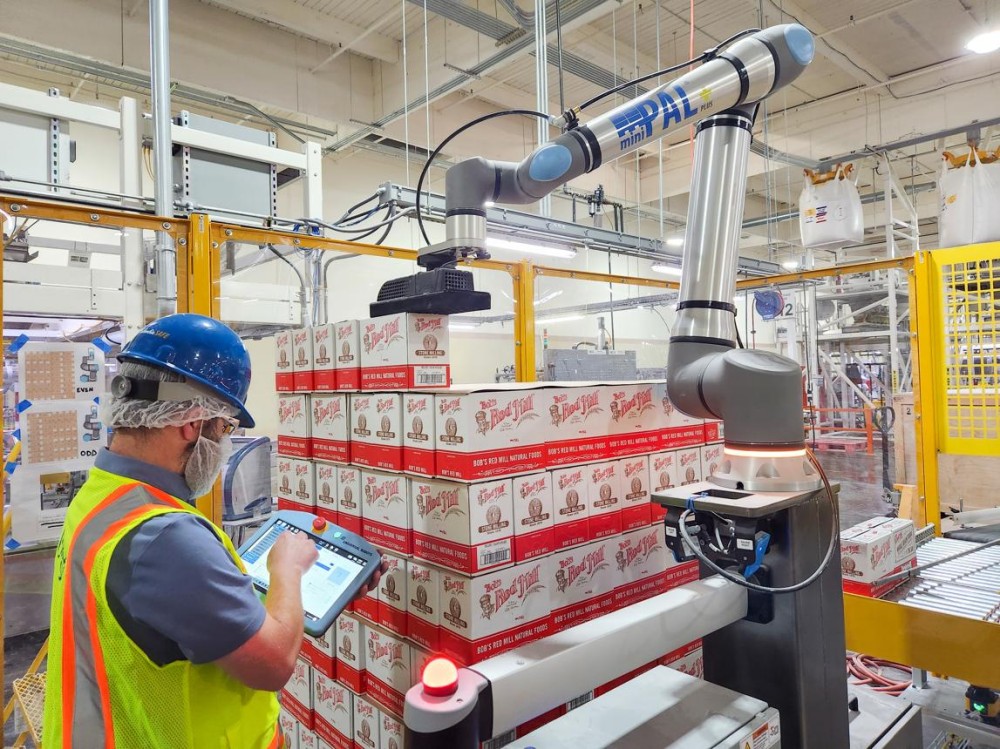
The event brought together nearly 200 manufacturing executives, system integrators, researchers, and automation specialists. Eighteen live demonstrations highlighted applications in industrial automation, intelligent robotics, and technical education.
PULSA: High-Speed Collaborative Robots
One of the major highlights is the PULSA series, designed for high-speed industrial applications such as machine tending, sorting, assembly, and logistics.
The series offers two payload options: 7 kg and 12 kg. Their repeatability specifications are ±0.02 mm and ±0.03 mm, respectively, making them suitable for applications requiring consistent positioning and precise movement.
The robots also support human-robot collaboration and include functional safety features designed to meet ISO 13849-1 Performance Level d, Category 3 requirements. More than 20 configurable safety functions are available.
These capabilities make the PULSA series relevant to manufacturers looking to introduce flexible robotic automation into existing production lines.
CRH Series for Demanding Industrial Applications
The CRH series targets applications including welding, spraying, and inspection.
Available in 7 kg and 12 kg payload versions, the robots feature a maximum J6 joint speed of 450 degrees per second and an instantaneous tool center point (TCP) speed of up to 7 m/s.
DOBOT’s HyperMove algorithm optimizes acceleration, deceleration, and motion trajectories to reduce vibration and mechanical impact. Internal cable routing also simplifies the integration of vision systems and end-of-arm tooling.
Additional features include joint torque sensing, TÜV certification, and more than 30 configurable safety functions.
LUMO and the Future of Intelligent Robotics
The third platform, LUMO, focuses on embodied intelligence and combines vision-language-action modeling with three-dimensional spatial understanding.
Powered by DOBOT’s DobotWAM foundation model, the platform is designed for research, education, home companionship, and commercial service applications.
The company also highlighted collaborations with ecosystem partners including Siemens, SICK, SCHUNK, Mech-Mind, and OnRobot. Their technologies support applications such as welding, palletizing, machine tending, and vision-based handling.
Implications for Industrial Automation
The launch reflects the growing demand for integrated robotic solutions rather than standalone robotic hardware.
For manufacturers and system integrators, the combination of collaborative robots, machine vision, safety technologies, and intelligent software creates new opportunities for flexible production.
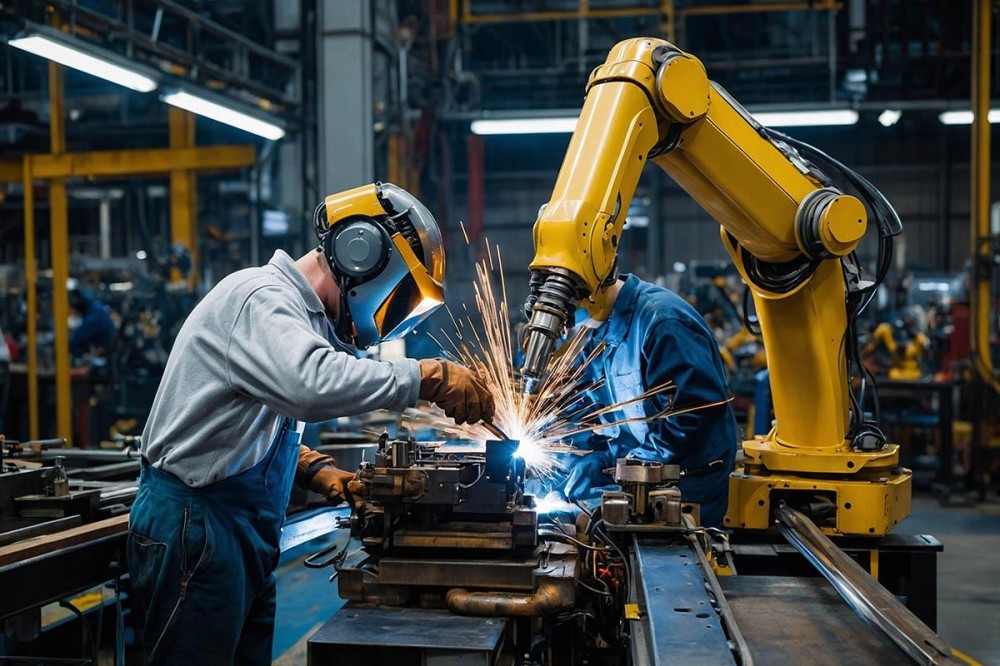
As industrial robotics continues to develop, reliable PLC controllers, I/O modules, motion control systems, and industrial communication networks will remain essential for connecting robotic equipment with wider factory automation architectures.
DOBOT’s latest platforms demonstrate how the industrial robotics market is moving toward more adaptable and intelligent manufacturing solutions.
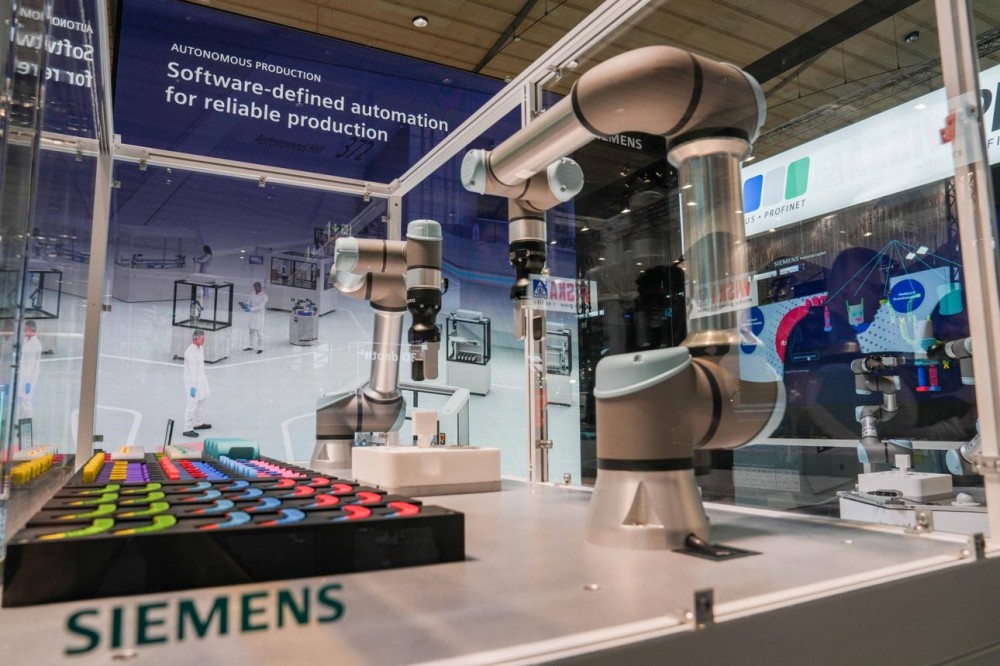 Siemens Advances Industrial Automation With AI-Powered Production, PLC Engineering And Autonomous Robotics
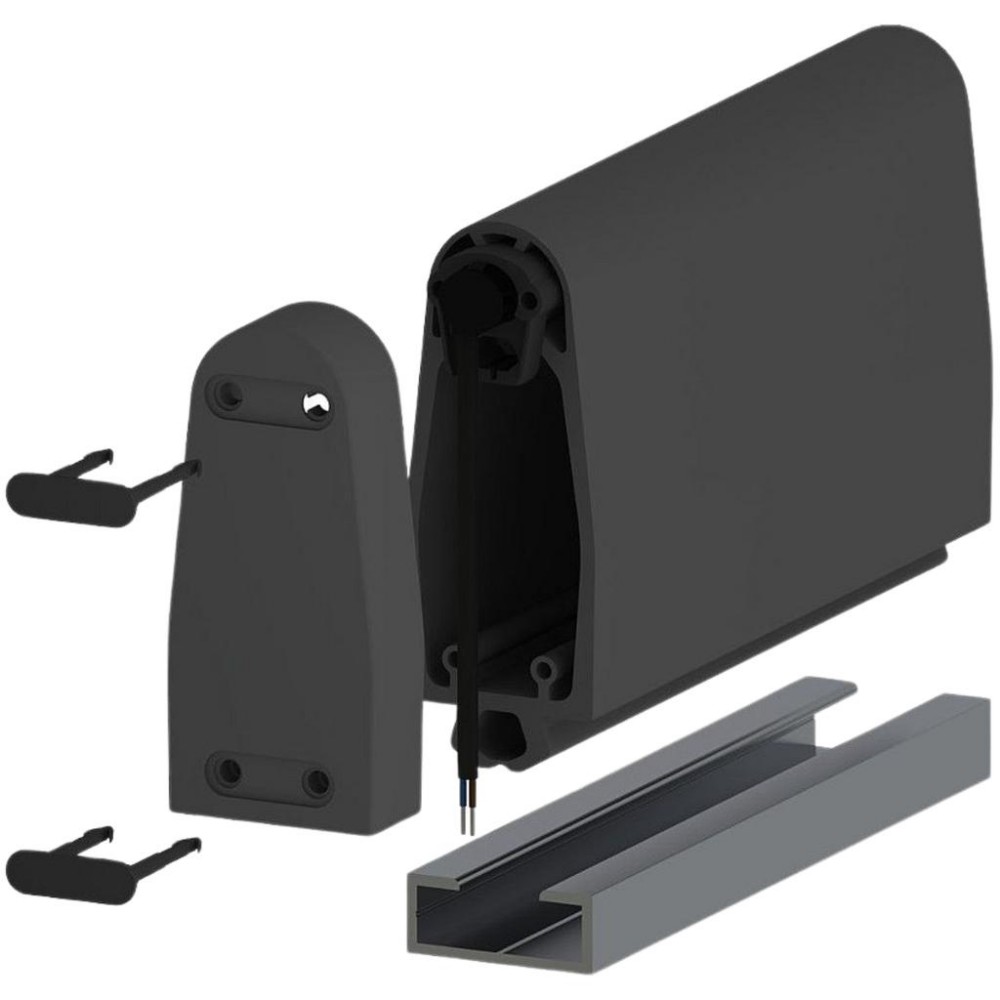 Dacke Industri Acquires ASO Safety Solutions To Expand Industrial Safety Sensor And Automation Capabilities
 Rockwell Automation Implements Plex MES At Booster Precision Components To Improve Manufacturing Visibility And Traceability
 Yokogawa Launches OpreX Universal Autonomous Control System R1.01 PLC For Process Automation