100% Original, Ready to Ship!

General Motors Plans 20% Increase In Factory Robotics And Industrial Automation By 2028
General Motors (GM) is planning to increase the use of robotics and industrial automation across its North American manufacturing facilities by approximately 20% by 2028. The announcement reflects the automotive industry’s growing focus on manufacturing efficiency, production flexibility, and advanced factory technologies.
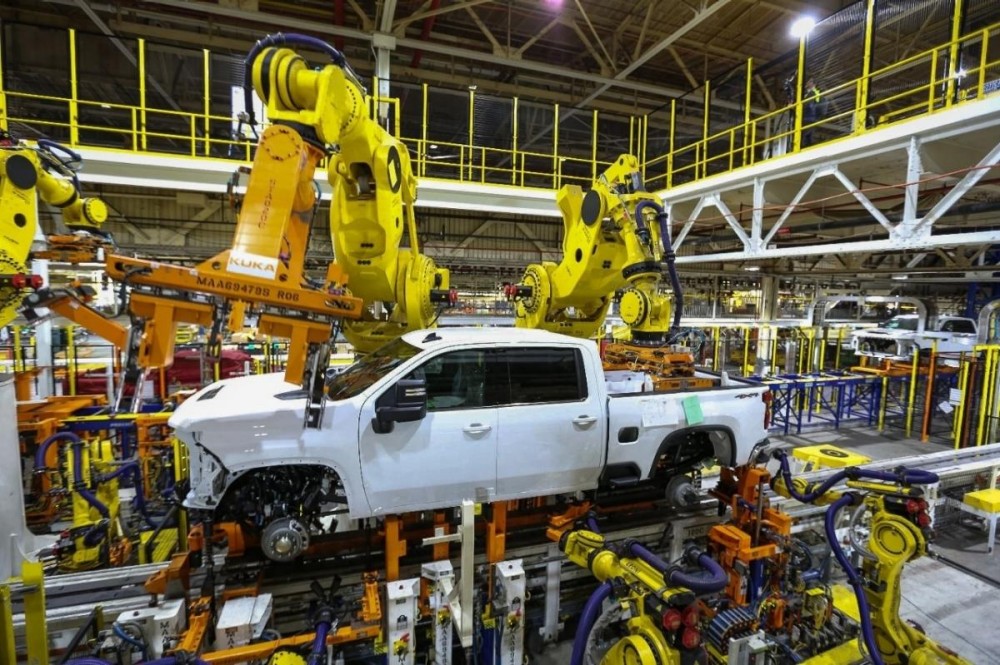
According to a report published on November 17, 2026, the company’s automation strategy is partly driven by rising labor expenses and the increasing cost of maintaining competitive manufacturing operations. GM is also working to bring more production activities and supply chains closer to its North American markets, creating additional pressure to improve factory productivity.
The company’s plans involve expanding the deployment of industrial robots and other automated manufacturing equipment. One important area of development is the use of autonomous mobile robots (AMRs), which can transport components and materials across production facilities without requiring traditional fixed conveyor systems for every movement.
AMRs are becoming increasingly important in modern manufacturing because they provide greater flexibility when factory layouts or production requirements change. Integrated with warehouse management systems, industrial networks, and manufacturing execution systems, these robots can support more efficient material handling and production logistics.
GM is also developing robotic applications at its Kokomo, Indiana, facility, particularly for internal material transportation. In addition, the company is encouraging automotive parts suppliers to submit their own automation plans. Its supplier evaluation process may consider the extent to which suppliers adopt automation technologies.
From an industrial automation engineering perspective, this development creates opportunities across several technology segments.
Programmable logic controllers (PLCs) remain essential for coordinating automated production equipment, conveyor systems, safety circuits, and manufacturing processes. Industrial robot controllers manage precise movement and positioning, while sensors and machine vision systems provide real-time feedback for inspection and quality control.
Industrial Ethernet, distributed I/O systems, variable frequency drives, and advanced human-machine interfaces also play important roles in connecting different machines and production cells.
The expansion of mobile robotics is particularly relevant because autonomous vehicles must communicate reliably with factory control systems while navigating changing production environments. This requires coordinated integration between automation software, wireless networks, safety systems, and production management platforms.
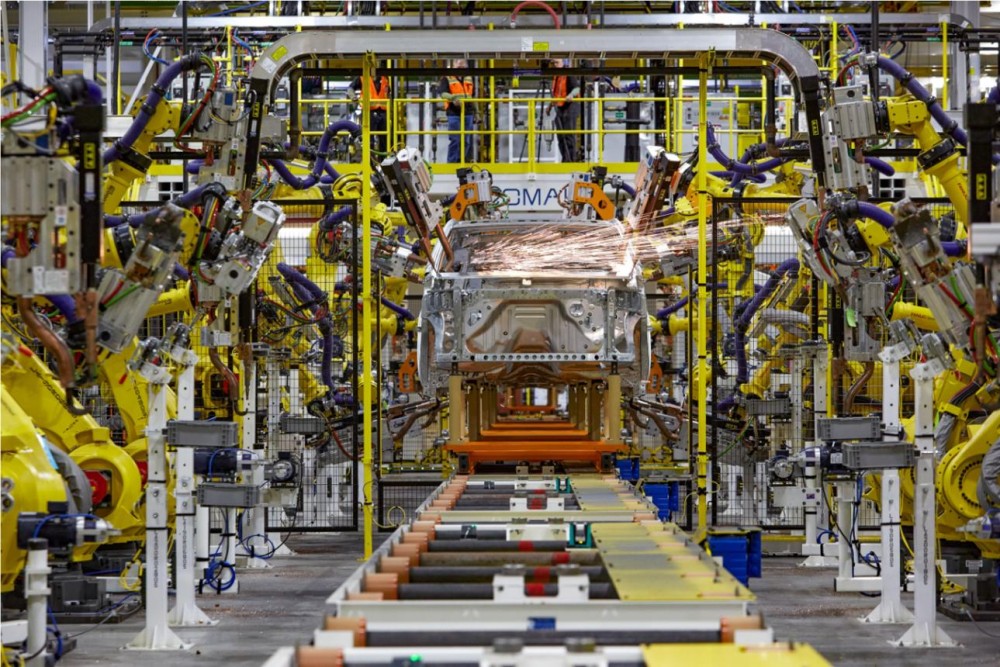
However, the transition also raises workforce considerations. Labor organizations have expressed concerns about the potential impact of automation on manufacturing employment, while GM argues that robotics can improve workplace safety, product quality, and operational efficiency.
The planned 20% increase by 2028 demonstrates that industrial automation is becoming a central part of automotive manufacturing strategy. For automation suppliers, system integrators, and industrial component distributors, the trend highlights continued demand for PLC systems, robotic controllers, industrial sensors, motion control equipment, and factory communication technologies.
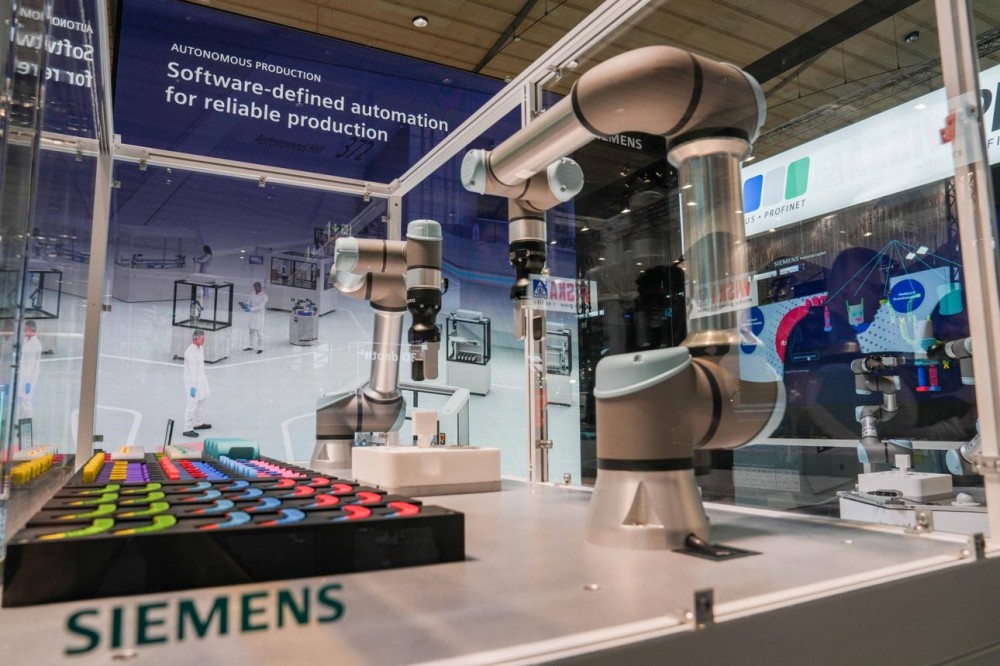 Siemens Advances Industrial Automation With AI-Powered Production, PLC Engineering And Autonomous Robotics
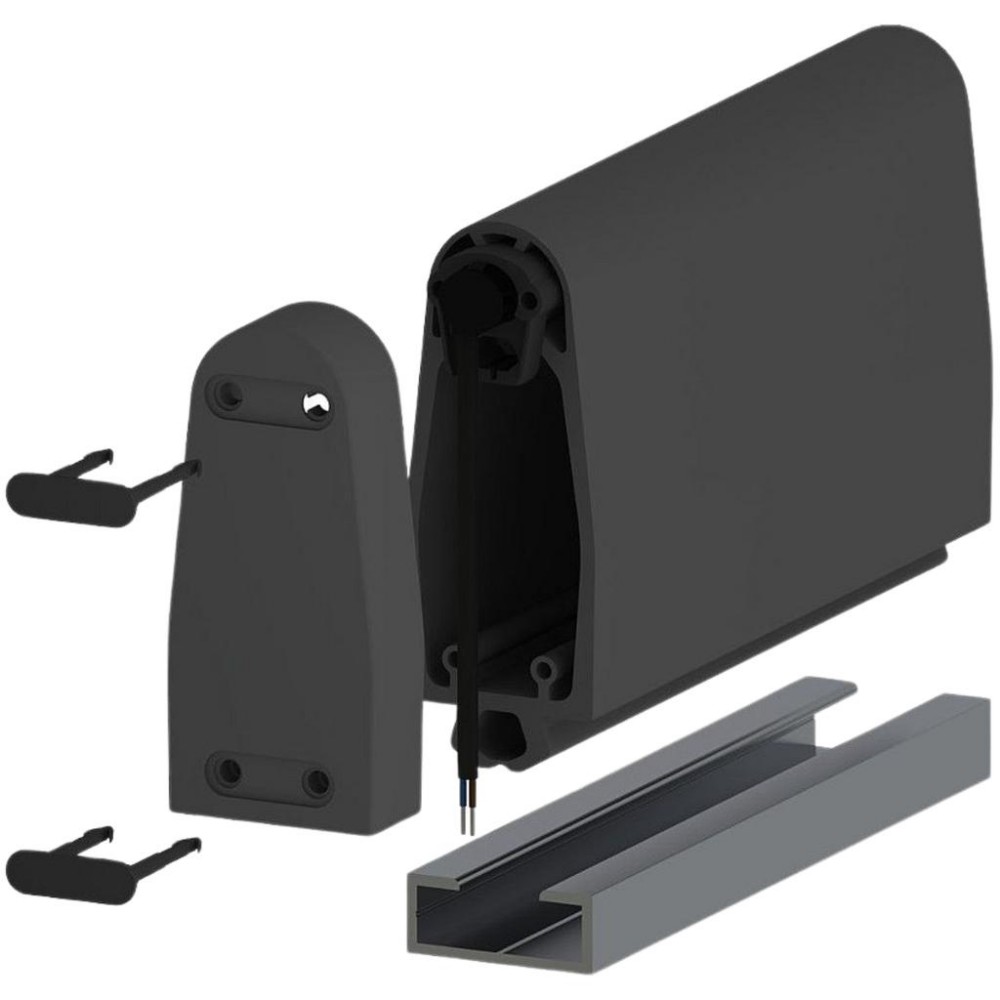 Dacke Industri Acquires ASO Safety Solutions To Expand Industrial Safety Sensor And Automation Capabilities
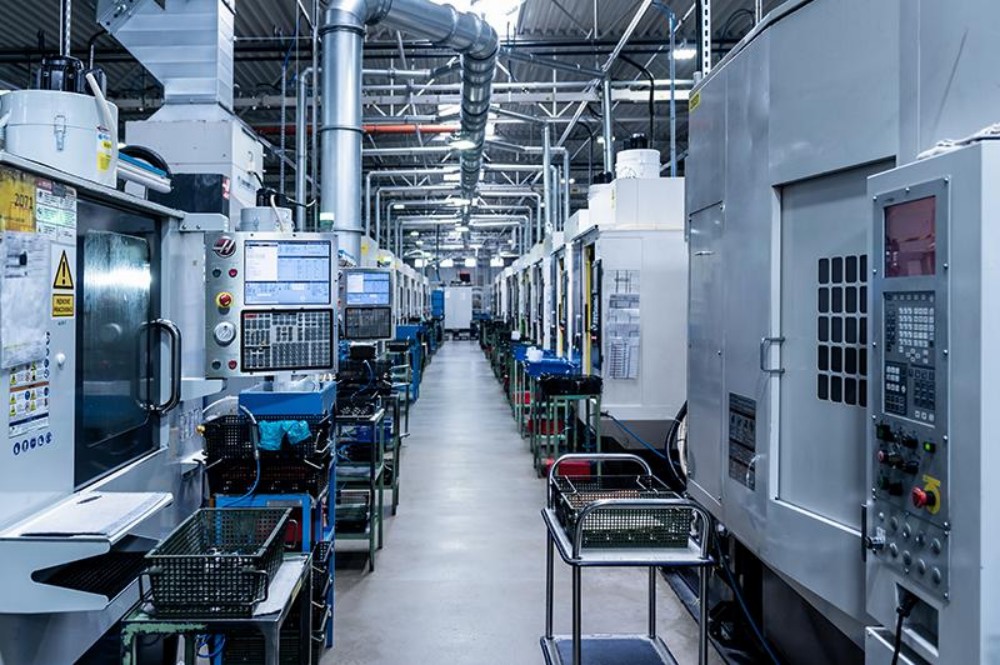 Rockwell Automation Implements Plex MES At Booster Precision Components To Improve Manufacturing Visibility And Traceability
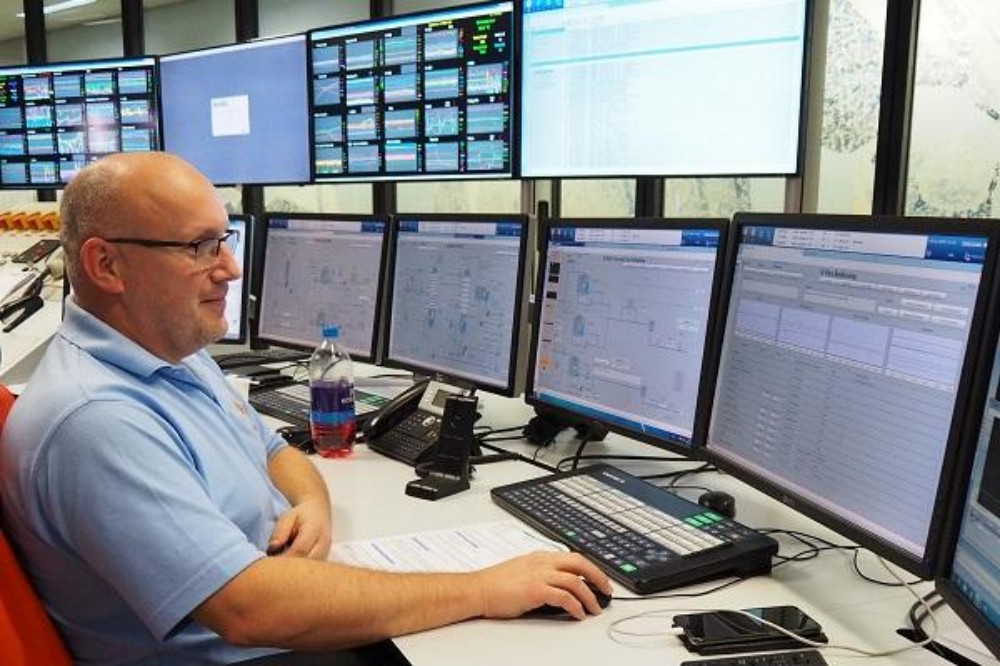 Yokogawa Launches OpreX Universal Autonomous Control System R1.01 PLC For Process Automation