100% Original, Ready to Ship!

Rockwell Automation Expands Industrial Edge AI With NVIDIA GPU-Powered 6300B-SB1 Computers
Rockwell Automation has announced a new range of GPU-enabled industrial computers designed to support demanding artificial intelligence workloads closer to manufacturing operations. Announced on November 17, 2026, the offering combines Rockwell’s industrial automation expertise with NVIDIA accelerated computing to expand the processing capabilities available at the industrial edge.
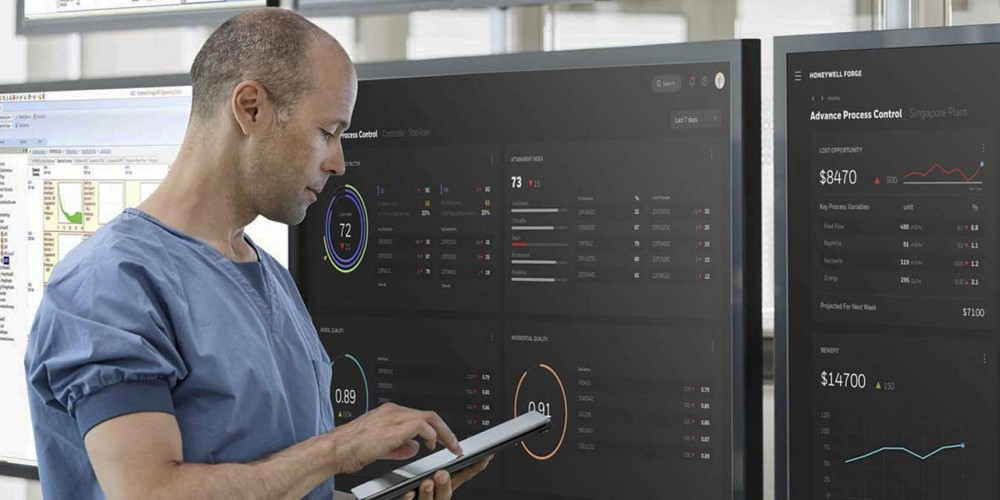
The initial product range includes two models in the 6300B-SB1 EdgeAI industrial PC family: the EdgeAI 4000, equipped with an NVIDIA RTX PRO 4000 Blackwell GPU, and the EdgeAI 2000, featuring an NVIDIA RTX 2000E Ada Generation GPU. These systems are intended for applications that require more computing performance than conventional industrial control and visualization workloads.
One important target application is advanced machine vision. In modern production environments, machine vision systems are used for product inspection, defect detection, component identification and process verification. GPU acceleration can provide additional processing capacity for image-intensive workloads, helping manufacturers deploy more sophisticated inspection and analysis applications close to production equipment.
Rockwell also identifies model predictive control, predictive maintenance and small language models as potential applications. These technologies address different operational needs. Model predictive control can support the optimization of complex processes, while predictive maintenance uses equipment and process data to help identify potential failures before they cause unplanned downtime.
Small language models offer another application at the supervisory level. When integrated with FactoryTalk Optix, they can provide context-aware information and advisory support for operators and maintenance personnel. For example, an operator may use locally processed information to understand equipment conditions or review maintenance-related guidance without relying entirely on a cloud connection.
A key feature of the new industrial computers is their ability to run compute-intensive workloads locally. This is relevant to factories where low response times, data protection requirements or limited internet connectivity make cloud-based processing less suitable. Keeping selected AI workloads on premises can also help manufacturers maintain greater control over operational data.
Rockwell emphasizes that the GPU-enabled computers complement rather than replace its existing control, HMI and industrial AI architecture. Not every automation application requires a discrete GPU. Conventional PLC control, visualization and other established functions can continue using existing platforms, while GPU-equipped systems provide additional capacity where advanced computing is necessary.
The announcement highlights the growing role of industrial edge computing in digital manufacturing. As factories adopt AI-based inspection, maintenance analytics and operator assistance, computing infrastructure is becoming an increasingly important part of automation system design.

For system integrators and plant engineers, the practical challenge will be selecting the right architecture for each application. Factors such as environmental conditions, software compatibility, cybersecurity, data integration and lifecycle support should all be considered before deploying GPU-based industrial PCs.
Rockwell’s new 6300B-SB1 EdgeAI systems demonstrate how industrial computing is evolving beyond traditional data collection and visualization toward more demanding, locally executed AI applications.
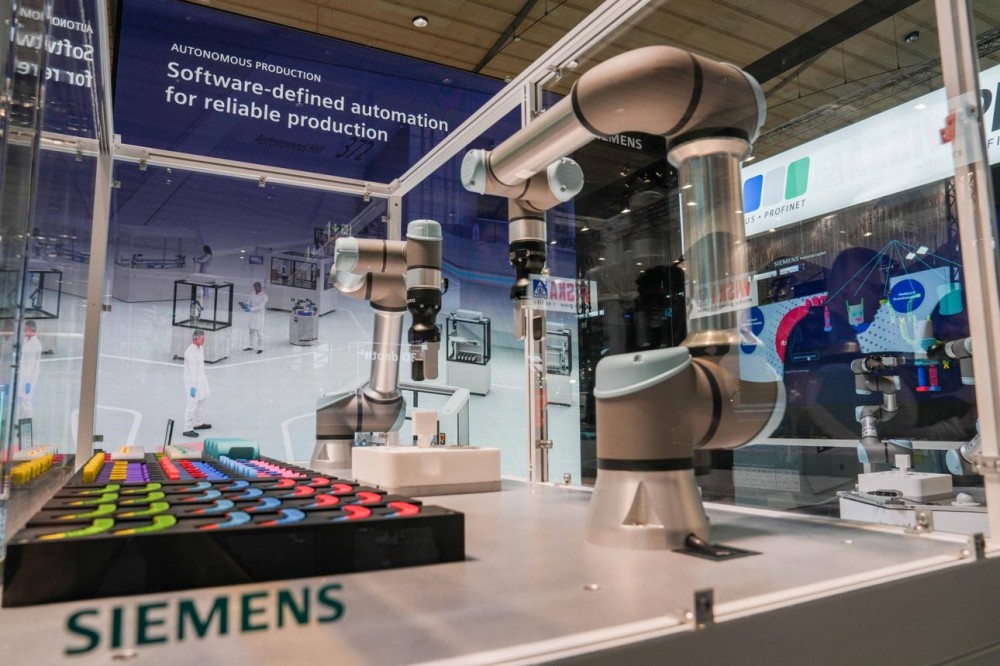 Siemens Advances Industrial Automation With AI-Powered Production, PLC Engineering And Autonomous Robotics
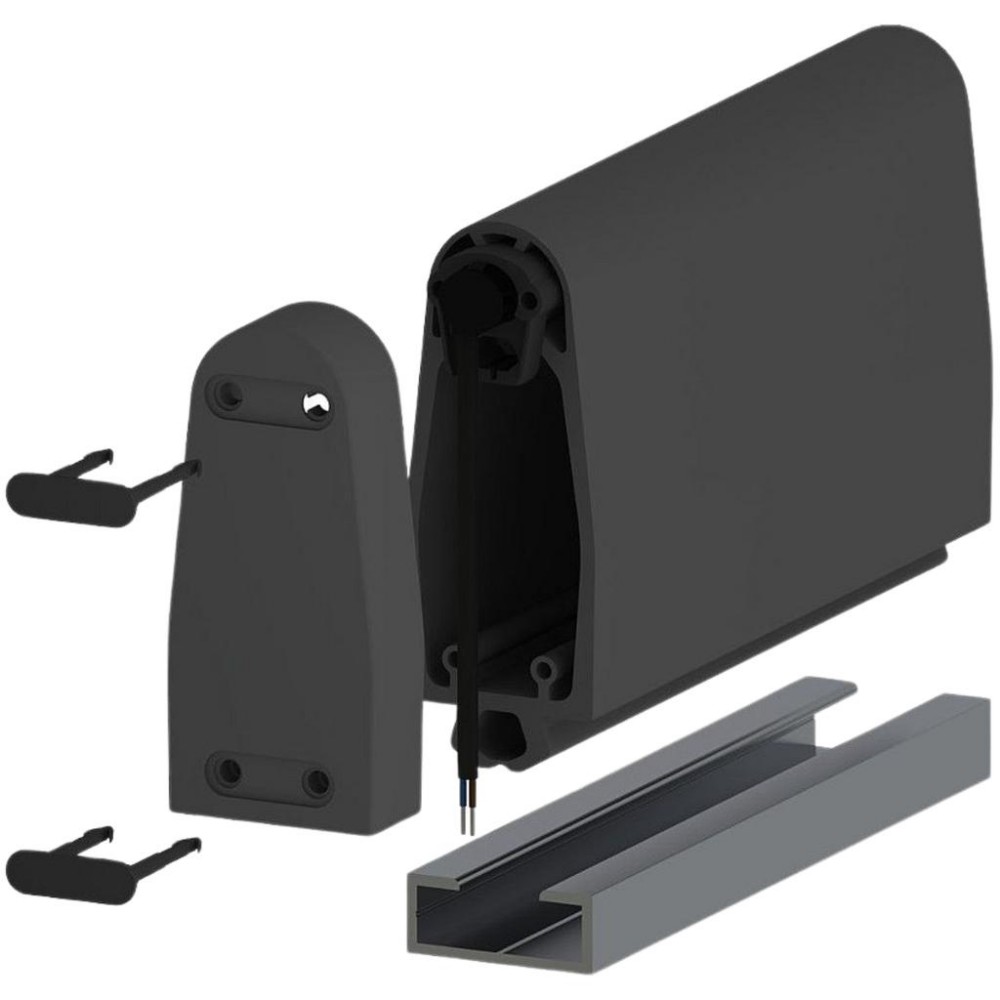 Dacke Industri Acquires ASO Safety Solutions To Expand Industrial Safety Sensor And Automation Capabilities
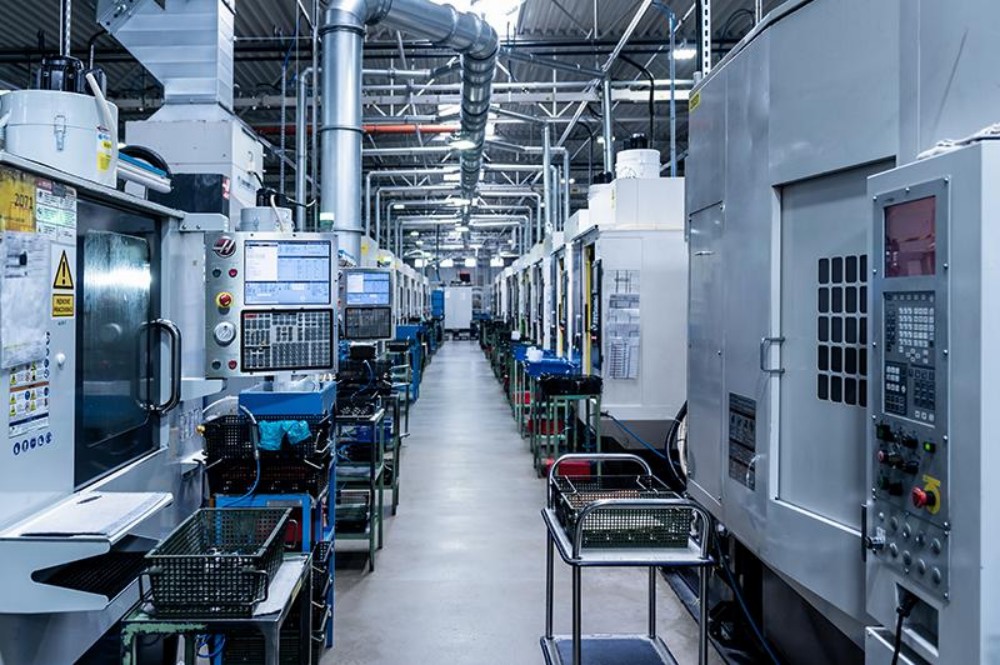 Rockwell Automation Implements Plex MES At Booster Precision Components To Improve Manufacturing Visibility And Traceability
 Yokogawa Launches OpreX Universal Autonomous Control System R1.01 PLC For Process Automation