100% Original, Ready to Ship!

Rockwell Automation Launches NVIDIA GPU-Powered Industrial EdgeAI Computers For Factory Automation
Rockwell Automation announced a new range of GPU-enabled industrial computing solutions on November 17, 2026, expanding its industrial edge computing portfolio with NVIDIA accelerated computing technology. The new offering is designed to support demanding artificial intelligence and machine learning workloads closer to manufacturing operations.
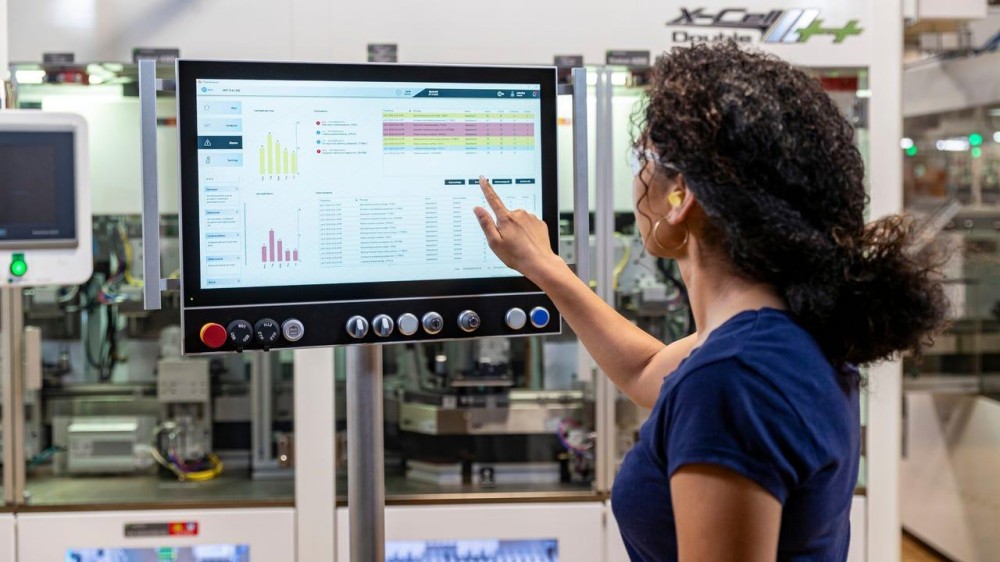
As factories adopt more data-intensive applications, conventional industrial computing platforms may not provide sufficient processing capacity for every advanced AI workload. Applications such as high-resolution machine vision, predictive maintenance and complex production analysis can require significant computing resources.
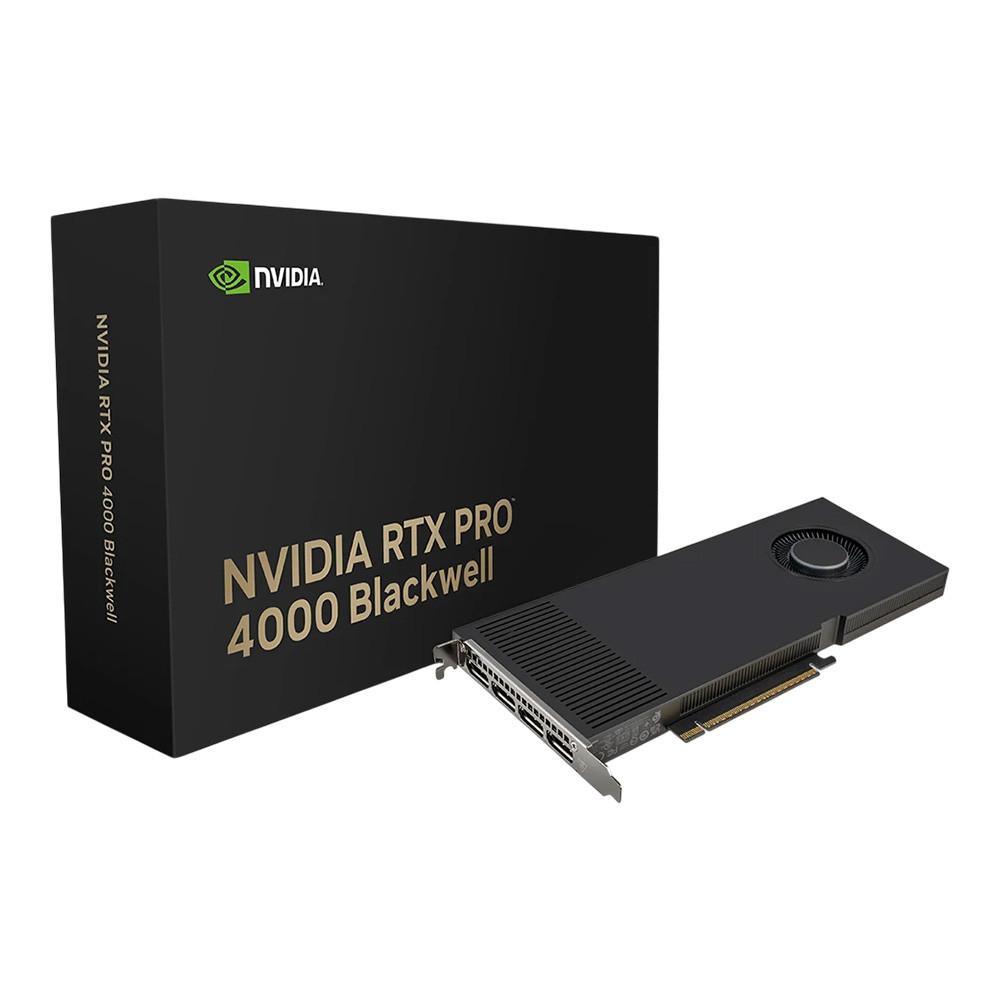
Rockwell’s new industrial computers are intended to address these requirements by bringing GPU acceleration into industrial environments. The initial offering includes two configurations: the 6300B-SB1 EdgeAI 4000, equipped with an NVIDIA RTX PRO 4000 Blackwell GPU, and the 6300B-SB1 EdgeAI 2000, featuring an NVIDIA RTX 2000E Ada Generation GPU.
These systems are designed to provide additional computing capacity at the supervisory level of industrial automation architectures. Rather than replacing established PLCs or conventional control systems, they complement existing automation infrastructure by handling workloads that benefit from GPU processing.
Potential applications include advanced machine vision, model predictive control, predictive maintenance, reinforcement learning and small language models. These technologies can help manufacturers analyze production information, identify abnormal operating conditions and provide more useful information to operators and maintenance personnel.
One important feature of this approach is the ability to process data locally. In many industrial facilities, sending all operational information to remote cloud platforms is not always practical. Network limitations, data security requirements and the need for fast responses can make on-premises computing more suitable.
By deploying GPU-enabled computers within the manufacturing environment, companies can run selected AI applications closer to machines and production processes. This can reduce dependence on cloud connectivity and support applications that require local data processing.
Rockwell also highlighted the integration of AI capabilities with FactoryTalk Optix, its industrial visualization and HMI software. Small language models can provide context-aware information and advisory support to operators and maintenance teams. For example, AI-assisted applications may help personnel interpret equipment information, review operating conditions or identify relevant maintenance data.
The company presented the technology during Automation Fair 2026 in Boston, held from November 16 to 19. The announcement reflects a broader industrial trend: AI computing is moving closer to production equipment rather than remaining exclusively in centralized data centers.
For manufacturers, system integrators and industrial automation professionals, GPU-enabled edge computing offers another architectural option. PLCs and DCS platforms remain essential for deterministic control, while industrial computers can provide the additional processing capacity required for advanced analytics and AI applications.
The development is particularly relevant to smart factories, machine builders and manufacturers seeking to introduce AI without completely redesigning their existing control infrastructure.
 Siemens Advances Industrial Automation With AI-Powered Production, PLC Engineering And Autonomous Robotics
 Dacke Industri Acquires ASO Safety Solutions To Expand Industrial Safety Sensor And Automation Capabilities
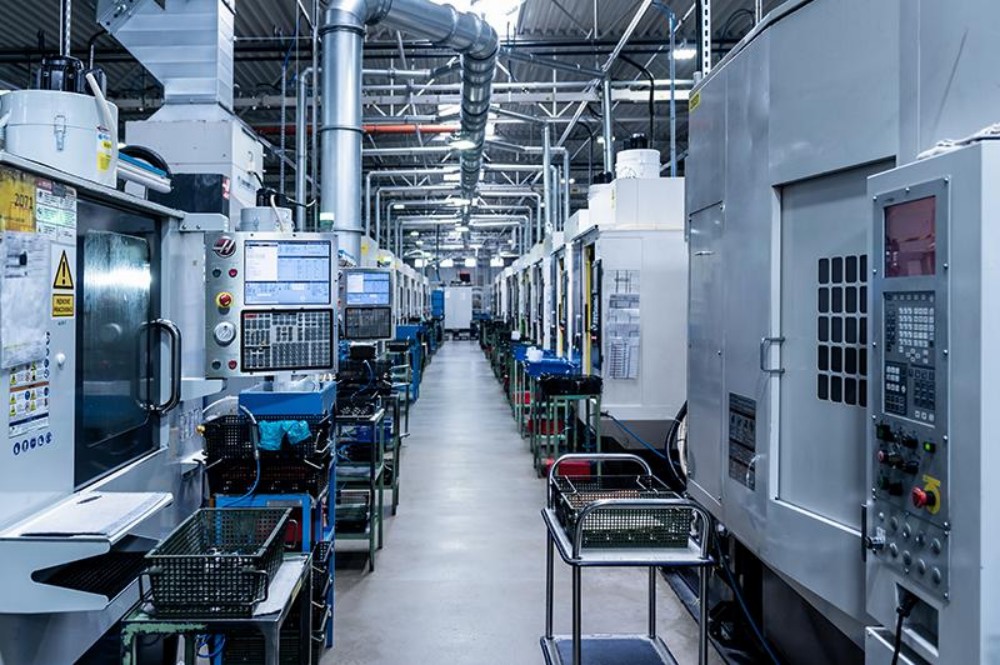 Rockwell Automation Implements Plex MES At Booster Precision Components To Improve Manufacturing Visibility And Traceability
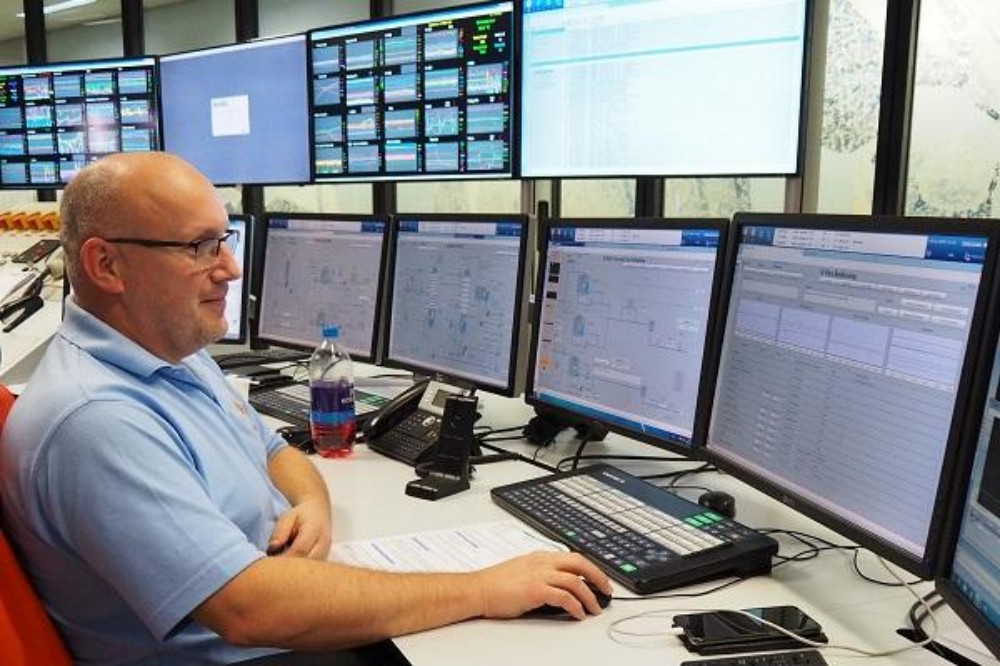 Yokogawa Launches OpreX Universal Autonomous Control System R1.01 PLC For Process Automation