100% Original, Ready to Ship!

Siemens And NVIDIA Advance AI-Powered Autonomous Factories With New Industrial AI Solutions
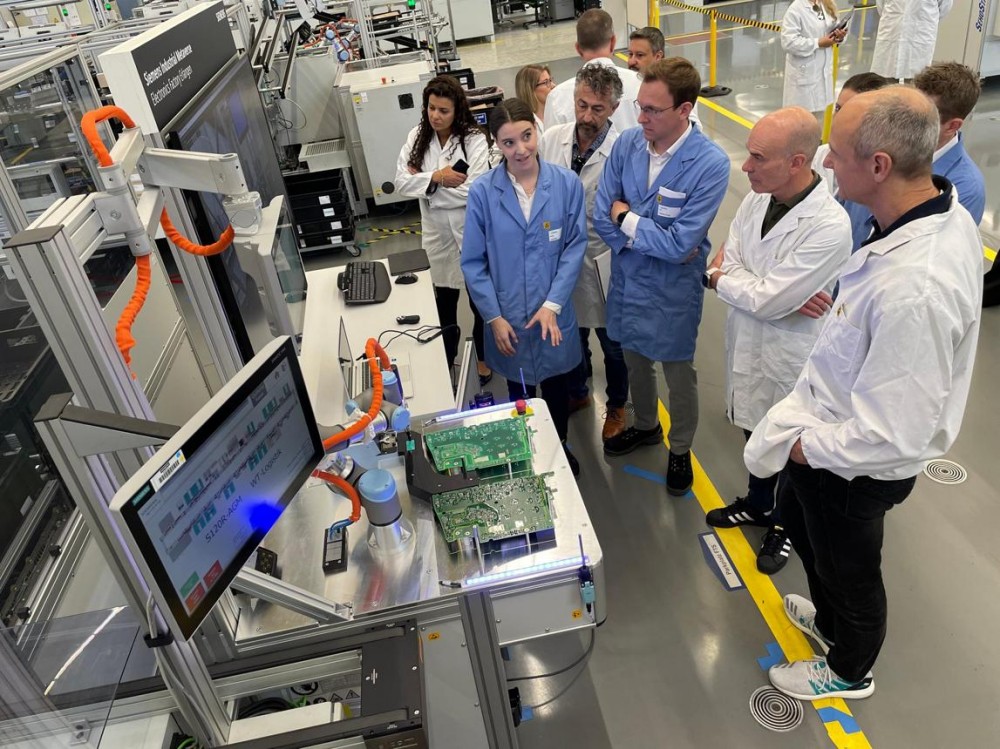
Siemens and NVIDIA are taking another step toward AI-powered autonomous manufacturing by introducing new industrial AI applications at Siemens’ Electronics Factory in Erlangen, Germany. Announced on October 19, 2026, the developments demonstrate how artificial intelligence and digital twin technologies can improve production planning, engineering efficiency, and factory operations.
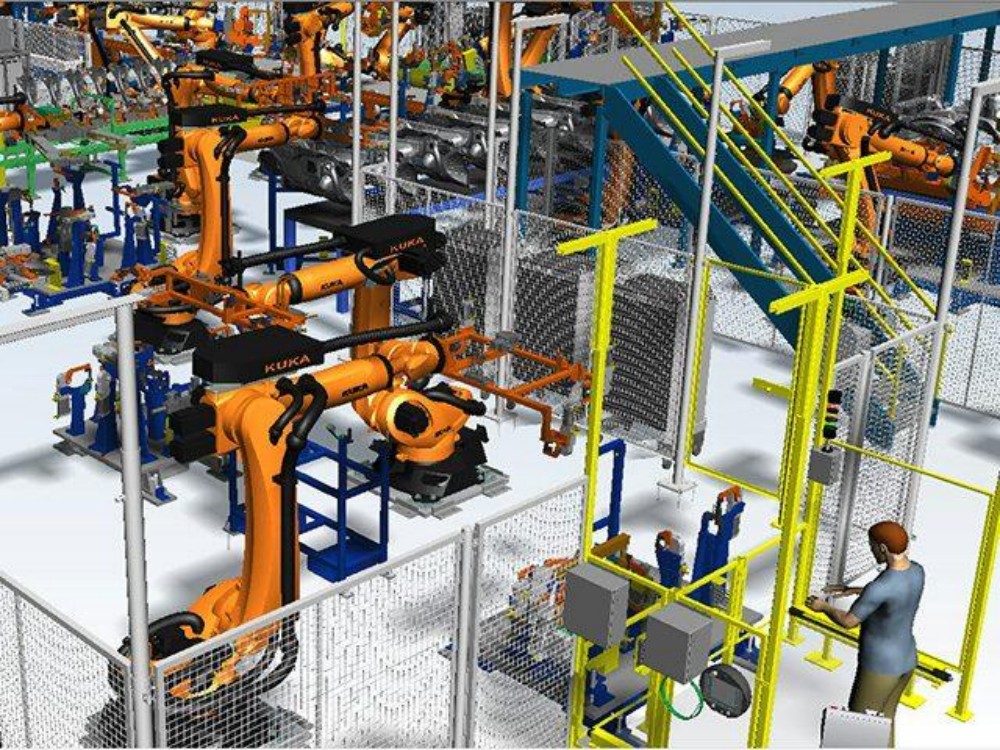
The collaboration builds on the companies’ previously announced partnership to develop AI-powered manufacturing facilities. Their latest applications have been developed and tested in a real production environment, providing a practical example of how industrial AI can move beyond theoretical demonstrations.
AI Agents Improve Production Planning
One of the key applications is an AI agent that supports production planning at the Erlangen factory. When new orders arrive, the system can generate different production scenarios and evaluate their impact using predefined performance indicators.
Before a proposed production plan is implemented, it can be tested through a digital twin of the entire manufacturing facility. This approach allows planners to evaluate different scenarios virtually before making changes to actual production operations.
According to Siemens, agent-based production planning can enable cost savings of up to 20%, while helping factories respond more flexibly to changing customer orders, material shortages, and production requirements.
Digital Twins Reduce Engineering Effort
Another important development is the use of AI and simulation to accelerate production ramp-up.
Siemens reports that fully virtual production ramp-up can reduce engineering effort by up to 85%. By validating manufacturing processes in a digital environment before physical implementation, engineering teams can identify potential problems earlier and reduce the need for repeated adjustments on the factory floor.
The collaboration combines Siemens’ industrial automation and engineering software with NVIDIA’s AI, simulation, and accelerated computing technologies.
Implications for PLC and Industrial Automation
The developments are particularly relevant to manufacturers using PLC controllers, industrial networks, robotics, and manufacturing execution systems.
Digital twins can connect engineering models with real production information, including PLC programs, machine data, and industrial IoT information. This creates opportunities to improve production visibility and coordinate engineering activities across different manufacturing stages.
However, AI-generated production plans still require engineering validation, appropriate access controls, and integration with existing control architectures.
The Siemens and NVIDIA collaboration demonstrates how industrial AI is moving toward practical factory applications. As these technologies mature, the combination of PLC systems, simulation, digital twins, and intelligent production planning could become an important foundation for more flexible manufacturing operations.
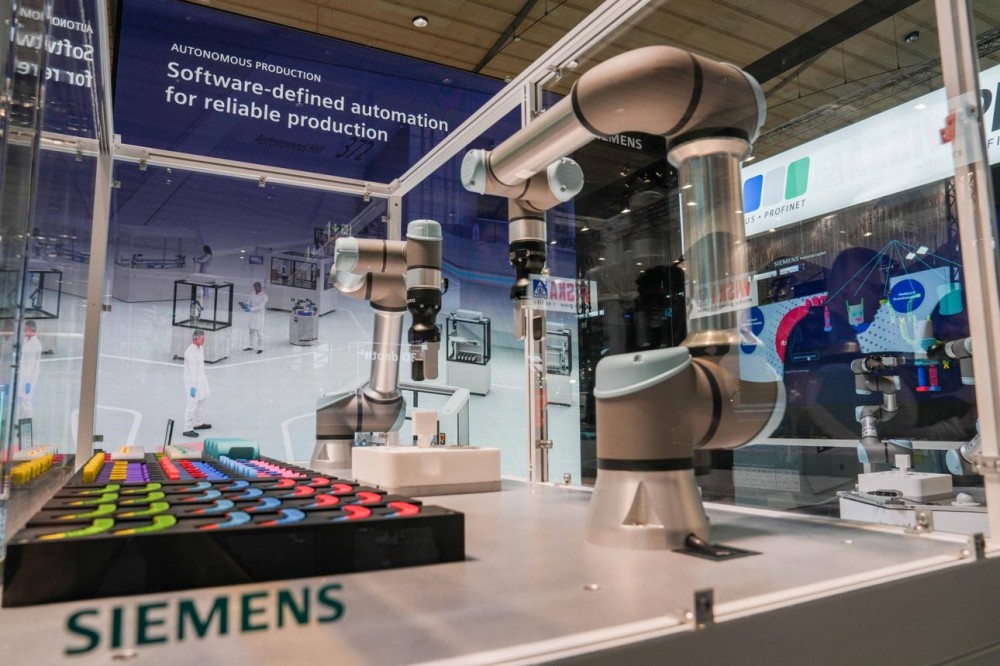 Siemens Advances Industrial Automation With AI-Powered Production, PLC Engineering And Autonomous Robotics
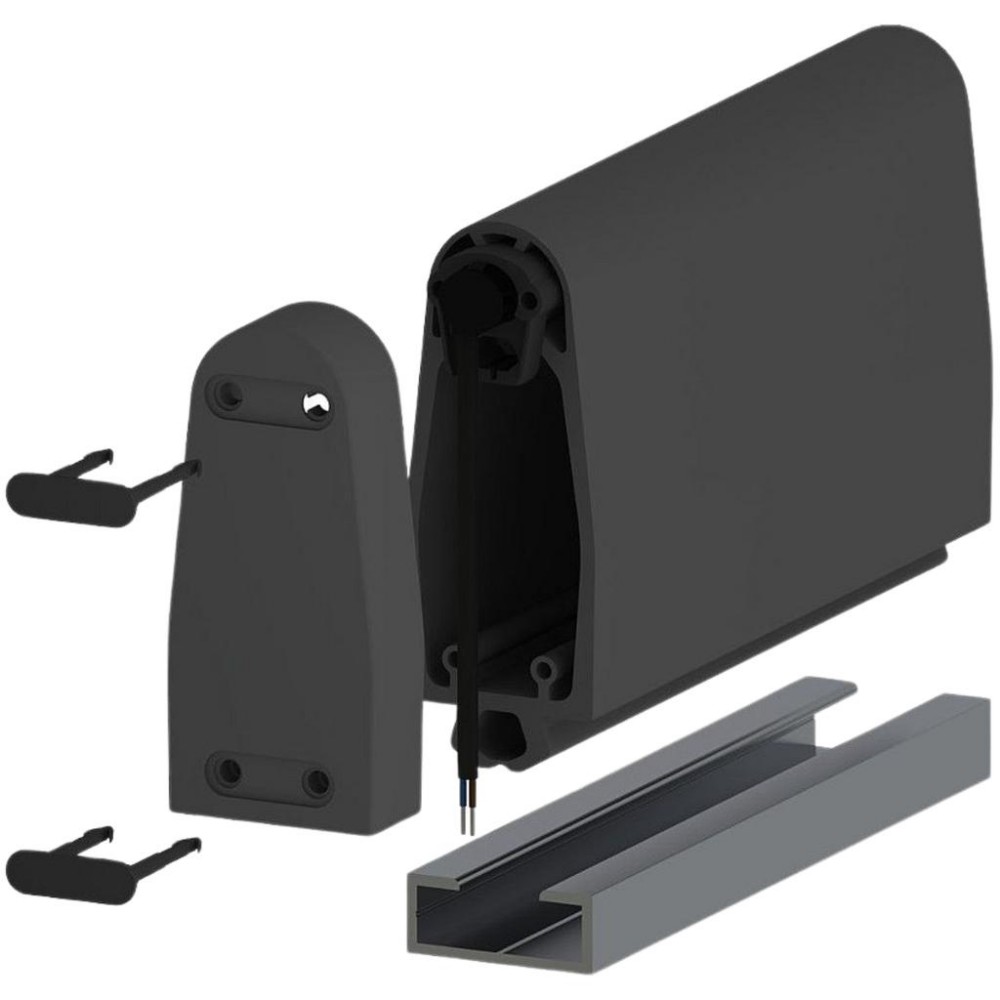 Dacke Industri Acquires ASO Safety Solutions To Expand Industrial Safety Sensor And Automation Capabilities
 Rockwell Automation Implements Plex MES At Booster Precision Components To Improve Manufacturing Visibility And Traceability
 Yokogawa Launches OpreX Universal Autonomous Control System R1.01 PLC For Process Automation