

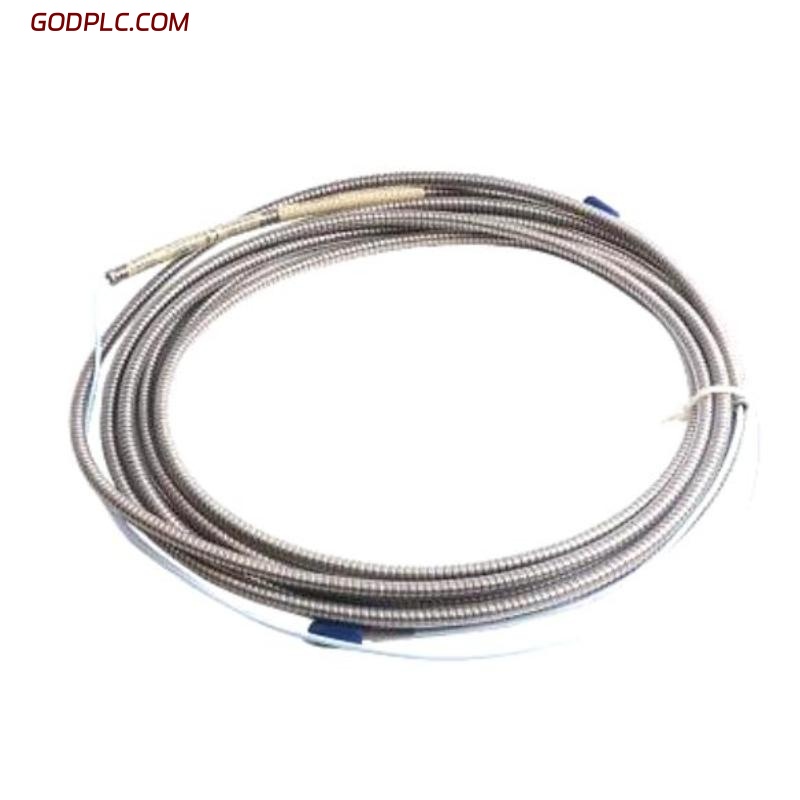
Technical Specifications
| Parameter | Value |
|---|---|
| Part Number | 330102-00-64-10-02-00 |
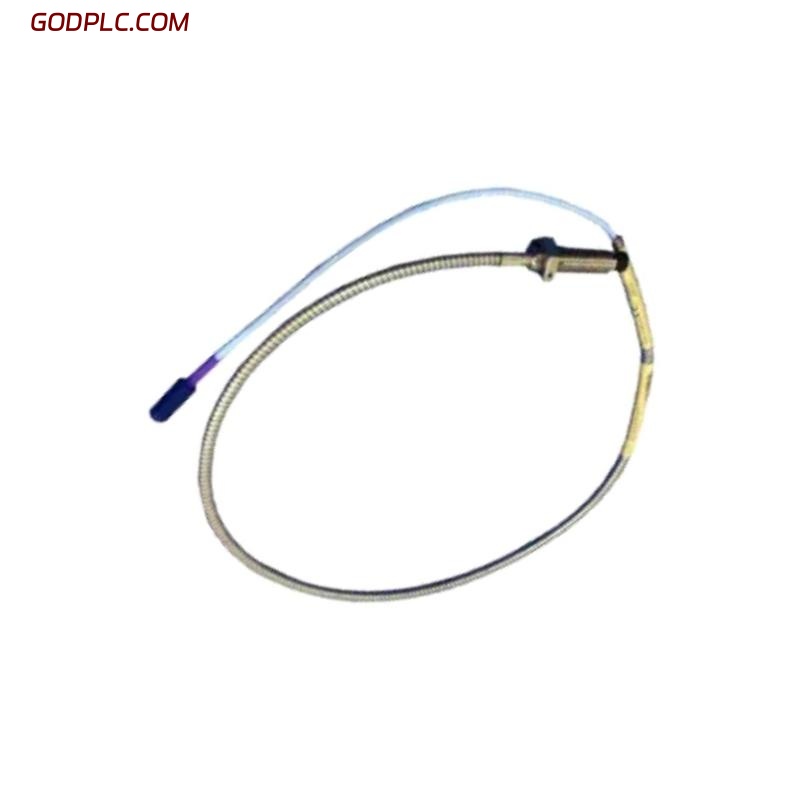
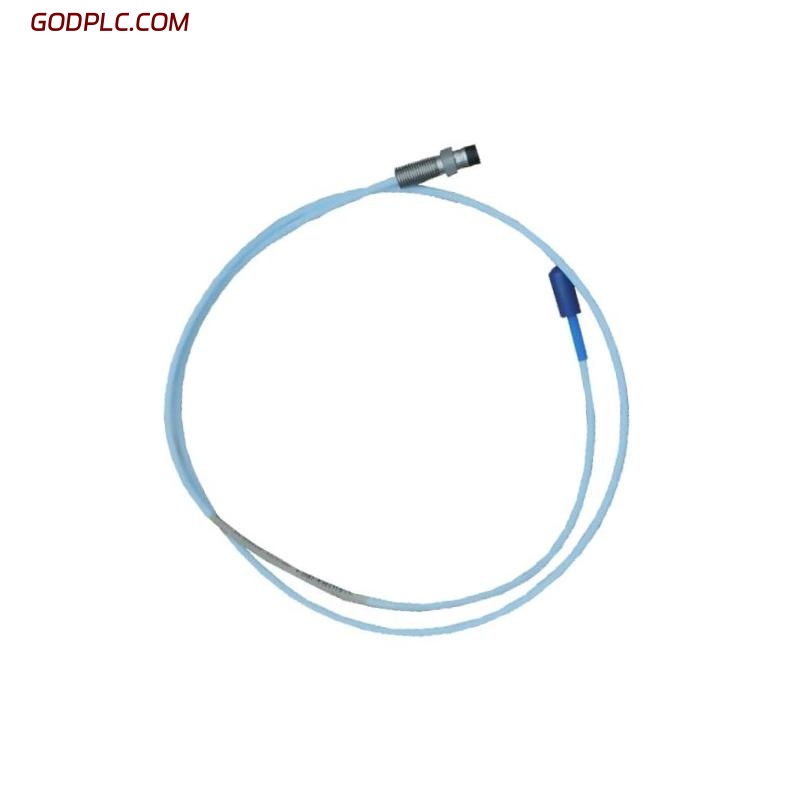
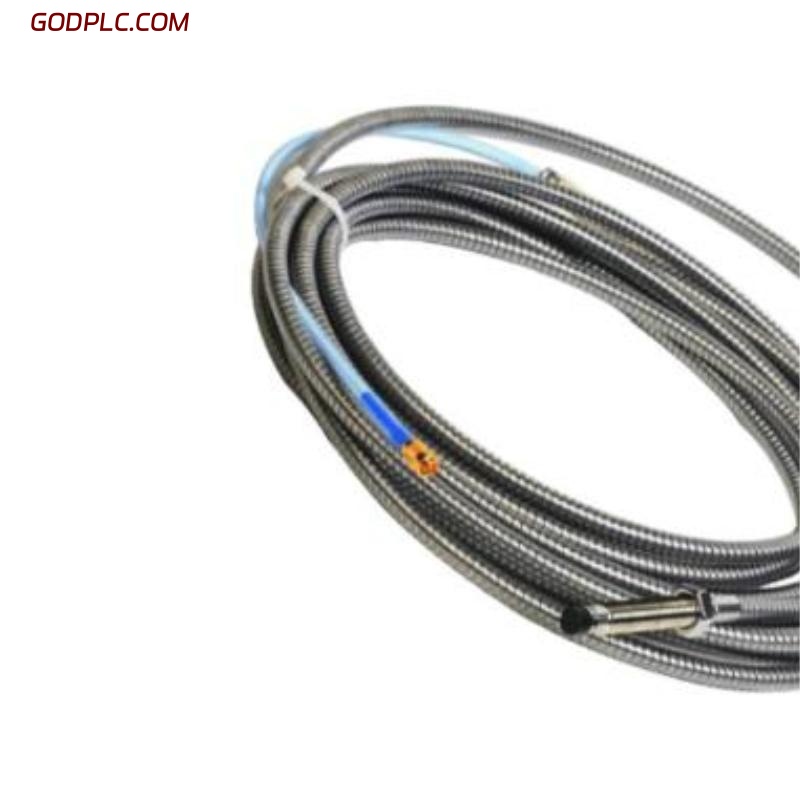
| Probe Type | 3300 XL 8 mm Proximity Probe (armored) |
| Tip Diameter | 8 mm |
| Thread / Mount Type | 3/8-24 UNF |
| Unthreaded Length | 0.0 in |
| Case Length | 6.4 in (≈162.6 mm) |
| Cable Length | 1.0 m (3.3 ft) |
| Connector | Miniature coaxial ClickLoc™ |
| Linear Operating Range | Approx. 0.25 mm to 2.3 mm |
| Operating Voltage (with Proximitor) | –17.5 V to –26 V DC |
| Output Type | Voltage proportional to gap (eddy-current) |
| Operating Temperature | –52 °C to +177 °C |
| Maximum Field-Wiring Length | 305 m |
| Body Material | Stainless steel |
| Tip Material | PPS (Polyphenylene Sulfide) |
| Environmental Rating | IP67 |
| Dimensions | 81.3 × 50 × 63.5 mm |
| Weight | ~0.15 kg |
FAQ
-
Q: What is the main use case of the 330102-00-64-10-02-00 probe?
A: It is typically used for precise shaft vibration and displacement monitoring in turbomachinery and other critical rotating equipment. -
Q: Why does this model have a 6.4-inch case length?
A: The extended case length supports installations requiring deeper mounting or longer mechanical reach without compromising stability. -
Q: How reliable is the ClickLoc connector in high-vibration environments?
A: The ClickLoc mechanism locks securely with a tactile “click,” preventing accidental loosening and ensuring a consistent electrical connection. -
Q: Can the 1-meter probe cable be used with additional extension cables?
A: Yes, as long as the total wiring length remains within the system limit, typically up to 305 meters, to maintain signal integrity. -
Q: How important is maintaining the correct probe-to-shaft gap?
A: Essential. The accuracy of the displacement reading depends on keeping the gap within the probe’s linear measuring range. -
Q: Is this probe suitable for high-temperature machinery environments?
A: Yes. The probe is designed to operate reliably in temperatures from –52 °C to +177 °C, making it appropriate for demanding industrial settings. -
Q: What durability advantages does the armored design provide?
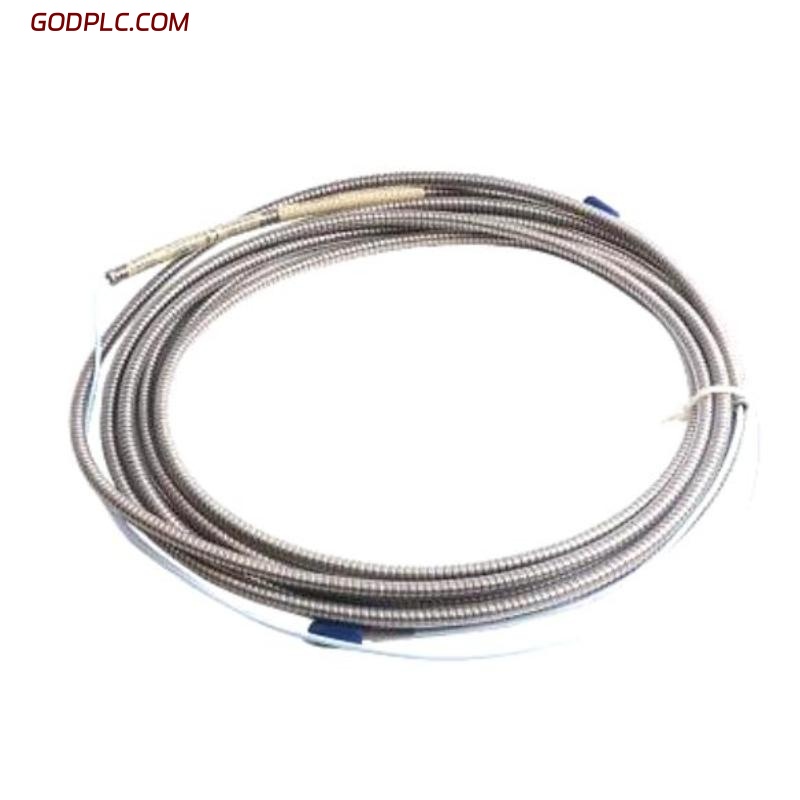
A: The armored construction enhances mechanical protection, shielding the cable and probe body from abrasion, impact, and harsh handling. -
Q: Does this model require recalibration when used with different target materials?
A: It performs best with steel targets similar to factory calibration conditions; alternative materials may require system-level recalibration to maintain accuracy.