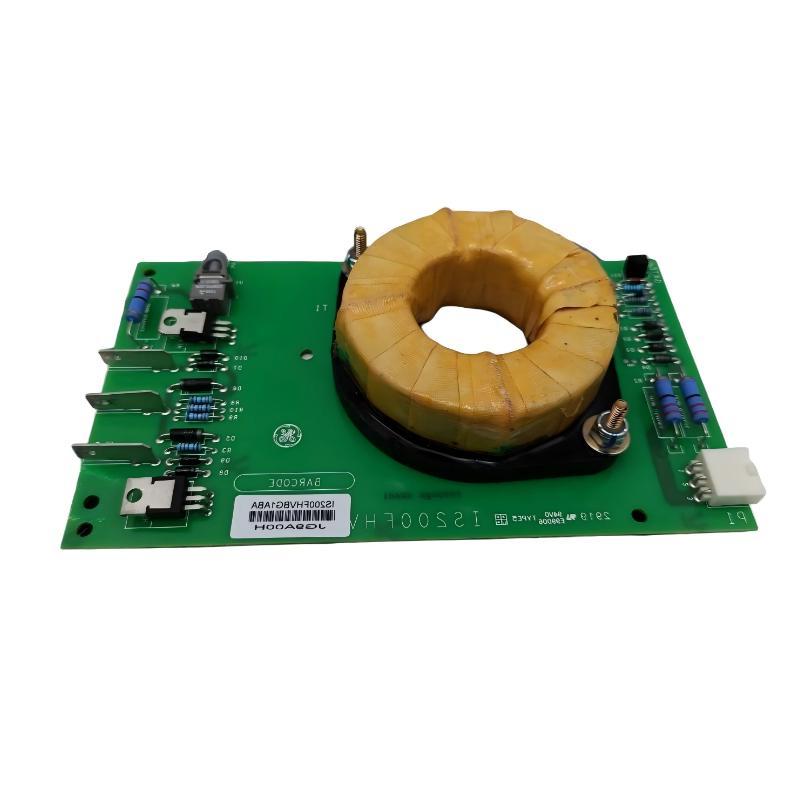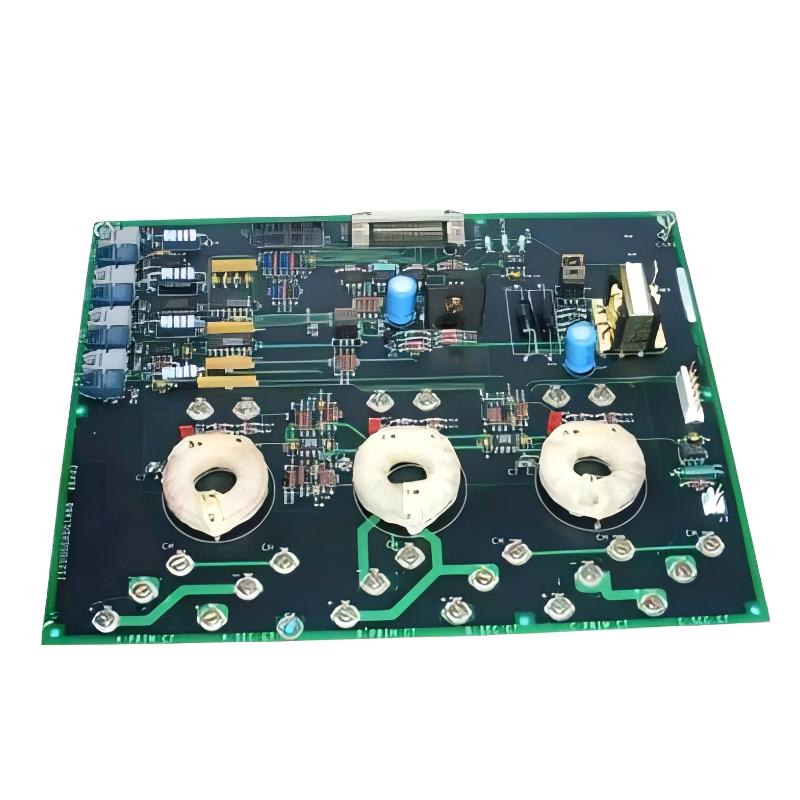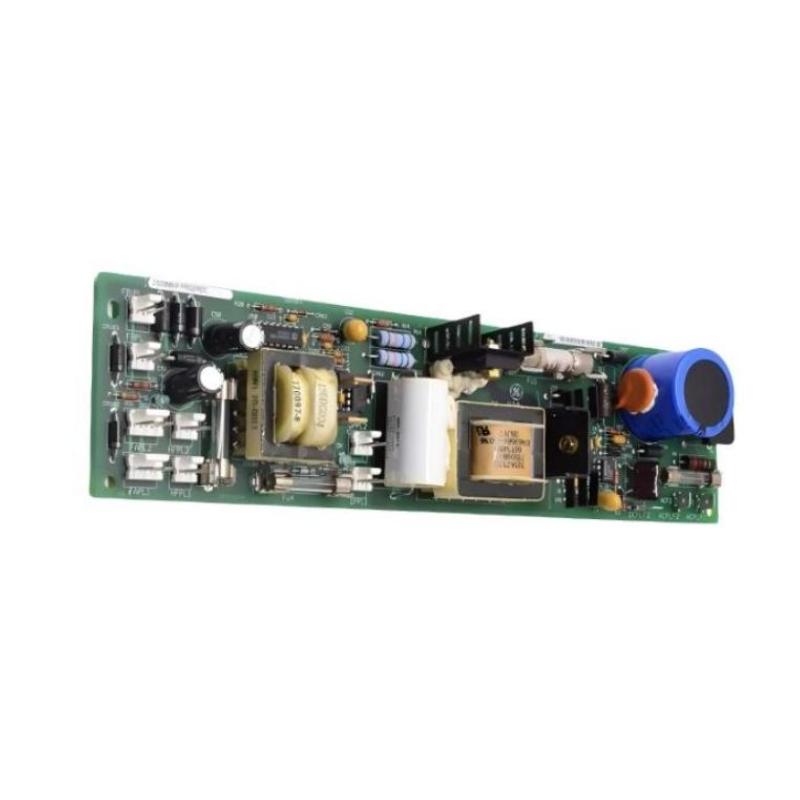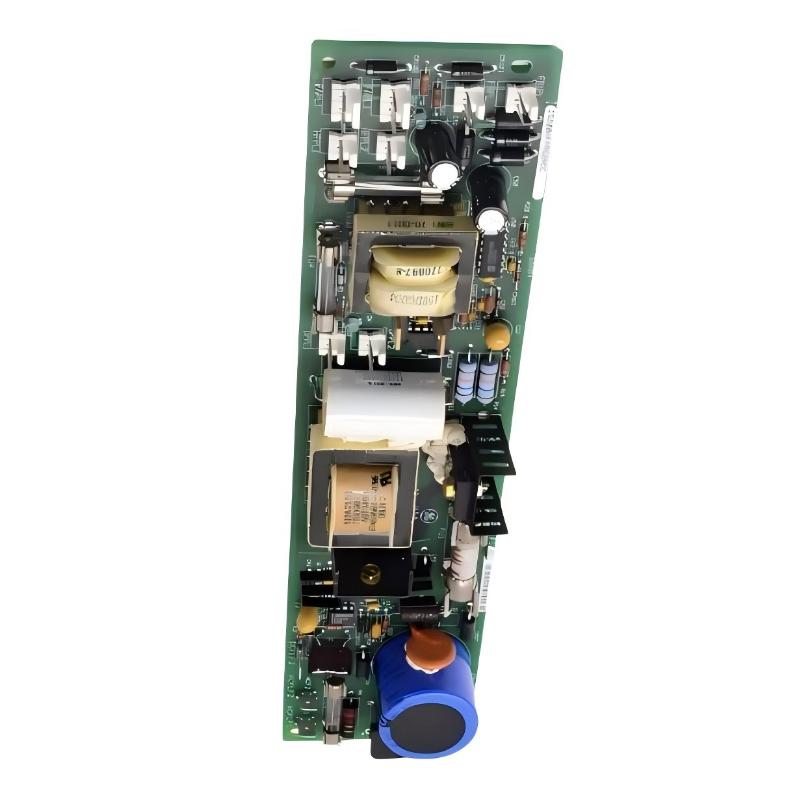
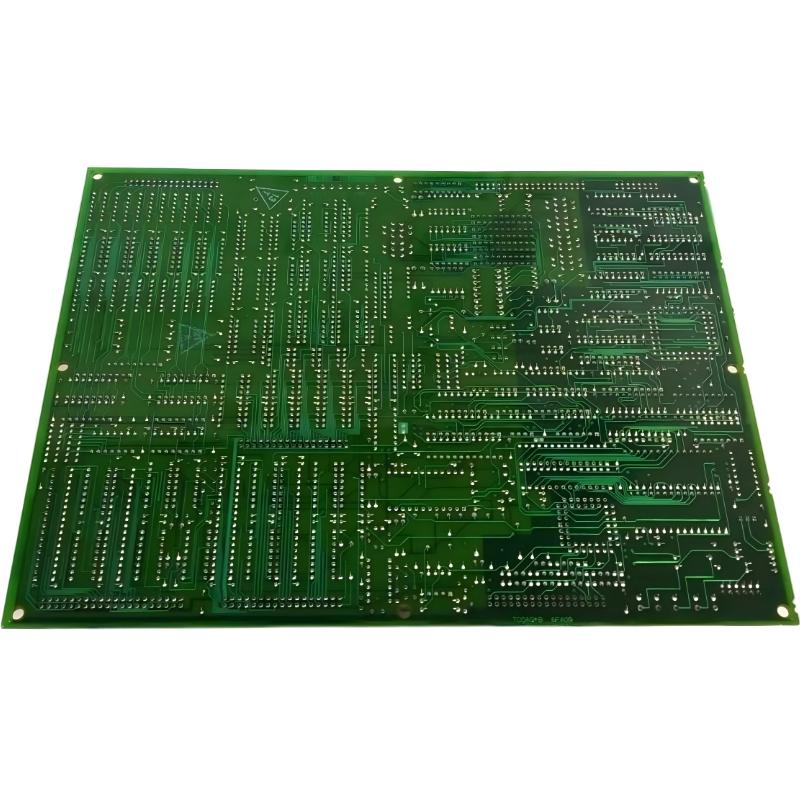
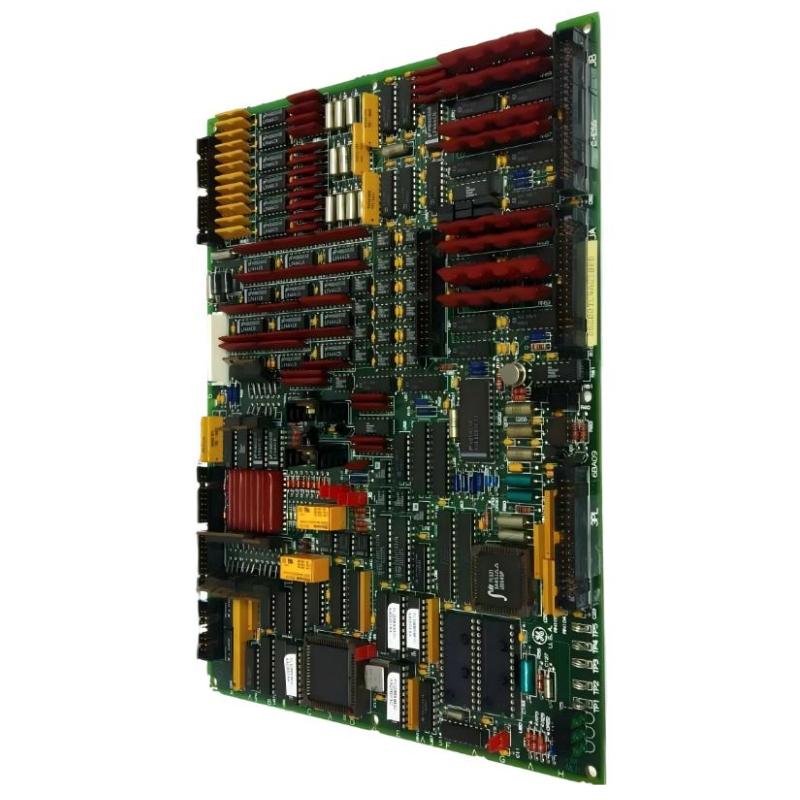
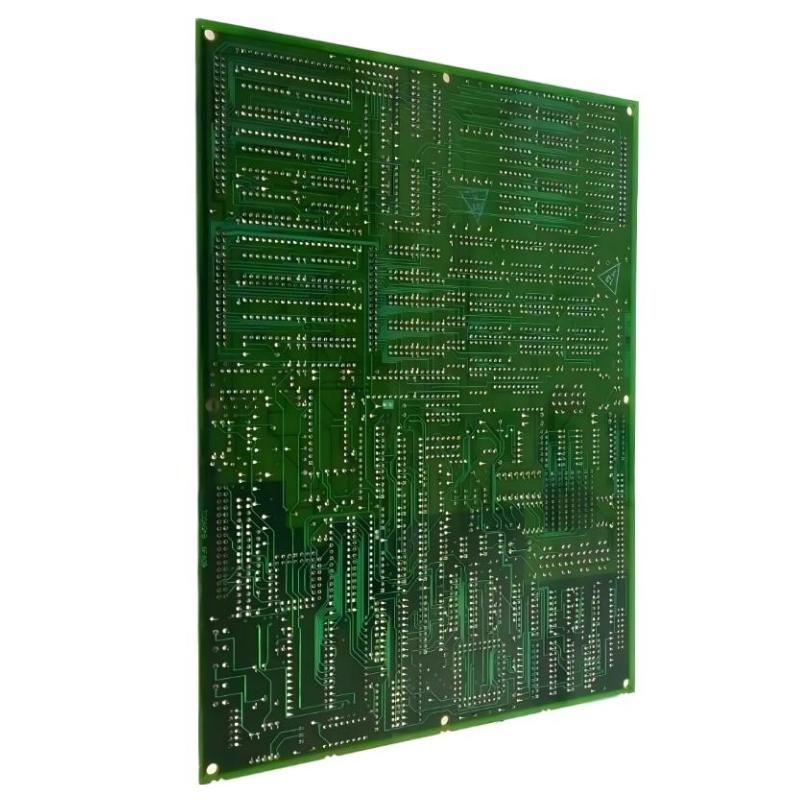
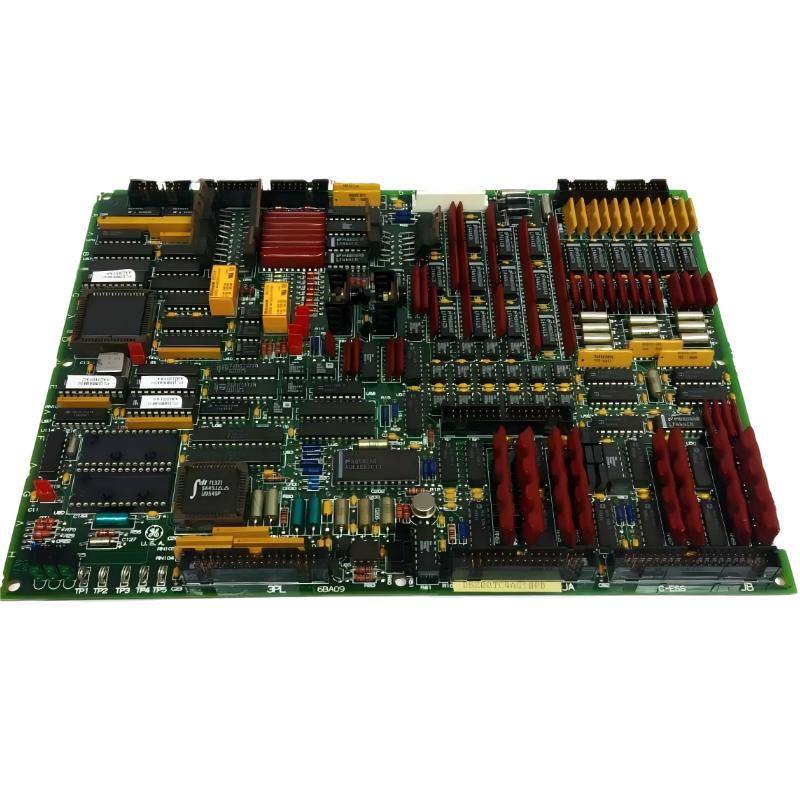
GE DS200TCQAG1BEC RST Analog I/O Board
| Company Information | ||||||||
| [email protected] | ||||||||
| Mobile | +8613666084105 | |||||||
| +8613666084105 | ||||||||
| 13666084105 | ||||||||
| Add to | Room 1004, No. 62 Xiangxiu Li, Siming District, Xiamen City, Fujian Province, China | |||||||
 Technical Specifications
| Parameter | Specification |
|---|---|
| Model | DS200TCQAG1BEC |
| Brand | GE General Electric |
| Series | Mark V |
| Product Type | RST Analog I/O Board |
| Functional Acronym | TCQA |
| Board Function | Analog Input/Output Processing and Signal Conditioning |
| PCB Coating | Normal Coating |
| Revision Quantity | 3 Revisions |
| Backward Compatibility | First two revisions compatible |
| Mark V Grouping | Group 1 |
| Connectors | Four 34-pin connectors and two 40-pin connectors |
| Jumpers | 6 |
| Status Indicators | 6 LEDs |
| Main Signal Functions | Analog signal scaling, conditioning, input/output interfacing and signal processing |
| Supported Signal Types | LVDT/LVDR, thermocouple, 4–20 mA, vibration, pulse, voltage and related turbine control signals |
| LVDT/LVDR Function | Actuator position feedback and servo valve-related position monitoring |
| 4–20 mA Function | Processing and conditioning of analog current input/output signals |
| Pulse Signal Function | Pulse-rate signal processing and conditioning |
| Thermocouple Interface | Thermocouple input and cold-junction compensation interface |
| Vibration Interface | Vibration signal input processing |
| Servo Application | Analog signal processing for turbine fuel and servo control functions |
| Diagnostic Indicators | Six board-mounted LEDs for board status and activity indication |
| Typical Applications | GE Mark V turbine control systems, turbine instrumentation and analog signal processing |
| Dimensions | 330 × 280 × 25 mm |
| Weight | 0.59 kg |
FAQ
1. What is the main function of the GE DS200TCQAG1BEC RST Analog I/O Board?
The DS200TCQAG1BEC is an RST Analog I/O Board used in GE Mark V turbine control systems. Its primary role is to receive, scale, condition and process a variety of analog signals associated with turbine instrumentation and control. The board can interface with signals from LVDT/LVDR position sensors, thermocouples, 4–20 mA circuits, vibration inputs, pulse signals and other turbine-related measurement circuits. After signal conditioning, the processed information can be passed to other Mark V control boards or used by the control logic for monitoring, regulation and protection functions. Because it sits between field signal interfaces and the turbine control logic, incorrect board operation can affect several different measurement or control functions.
2. What types of signals can the DS200TCQAG1BEC process?
The DS200TCQAG1BEC is designed to handle several categories of analog and related turbine control signals. These include LVDT/LVDR position feedback, thermocouple signals, 4–20 mA inputs and outputs, vibration signals, pulse-rate inputs, voltage signals and other signals associated with the Mark V control architecture. The board performs signal scaling and conditioning so that incoming field measurements can be interpreted correctly by the control system. Different signal paths use different board connectors and interface circuits, so the correct terminal board and connector assignment must be maintained when servicing the system. When troubleshooting an input problem, it is useful to identify the complete signal path from the field device through the terminal board and TCQA board to the control logic.
3. What is the purpose of the LVDT/LVDR inputs on the DS200TCQAG1BEC?
The LVDT/LVDR inputs are used to obtain actuator position feedback in turbine control applications. LVDT and LVDR devices can provide position information that allows the control system to determine the actual position of an actuator or servo mechanism. The DS200TCQAG1BEC receives the corresponding position signals through the appropriate interface and performs the necessary scaling and conditioning before the information is used by the Mark V control logic. Accurate position feedback is particularly important for servo-controlled functions because an incorrect position signal can cause the control system to calculate an incorrect actuator position. If an LVDT-related value is unstable or incorrect, the sensor, wiring, terminal board, excitation circuit and TCQA input path should all be checked.
4. How does the DS200TCQAG1BEC handle 4–20 mA signals?
The DS200TCQAG1BEC provides signal processing and conditioning for 4–20 mA input and output circuits used within the Mark V turbine control system. These signals can represent process measurements or control-related values and may originate from field transmitters or be routed toward other control devices. The board scales and conditions the current signal so that the control system can use the corresponding engineering value. When troubleshooting a 4–20 mA signal, the current should be checked at appropriate points in the signal path rather than assuming that an abnormal value is caused by the board itself. Field instrumentation, wiring, terminal boards and board configuration should be examined before replacing the TCQA board.
5. What are the jumpers on the DS200TCQAG1BEC used for?
The DS200TCQAG1BEC contains six board-mounted jumpers that are used for hardware configuration and testing functions. Certain jumpers are associated with the configuration of milliamp output circuits, including selection of the applicable output current range. Other jumper positions are used for specific board functions or testing. Because jumper settings can directly affect how an input or output circuit behaves, they should match the configuration required by the specific Mark V application. Before replacing a board, it is good practice to document the jumper positions on the existing board and compare them with the replacement. Incorrect jumper settings can produce apparently incorrect signal values even when the board itself is functioning normally.
6. What do the six LEDs on the DS200TCQAG1BEC indicate?
The DS200TCQAG1BEC includes six board-mounted LEDs that provide visual information about board status and activity. These indicators can be useful during commissioning and troubleshooting because they allow technicians to observe whether the board is receiving power and whether relevant processing or communication activity is occurring. An LED condition should not be interpreted independently of the overall turbine control system, however. If a board appears abnormal, the LED status should be considered together with the Mark V diagnostic information, connected terminal boards, field signals and other related control boards. Recording the LED condition before removing a suspected faulty board can also provide useful information for subsequent troubleshooting.
7. How should the DS200TCQAG1BEC be diagnosed when an analog signal is abnormal?
When an analog signal becomes abnormal, troubleshooting should proceed systematically through the complete signal chain. First check the field transmitter or sensor and verify that its output is within the expected range. Then inspect field wiring, terminal board connections and the corresponding cable between the terminal board and the TCQA board. The relevant connector, jumper configuration and board input circuit should then be checked. Mark V diagnostic information can be used to determine whether the control system is detecting an input-related fault. If the field signal is correct but the value received by the control system remains incorrect, the TCQA signal-conditioning path becomes a stronger candidate for investigation. Comparing the affected signal with other channels can also help distinguish a board-level problem from a field instrumentation issue.
8. What should be checked when replacing a DS200TCQAG1BEC?
Before replacing the DS200TCQAG1BEC, record the existing connector locations, jumper positions and LED conditions. The board has multiple connectors serving different functions, including power distribution, conditioned signals, thermocouple inputs, turbine control inputs and outputs, trip signals, LVDT/LVDR position inputs and vibration inputs. All power should be removed before disconnecting or reconnecting board wiring. Ribbon cables should be handled by their connectors rather than by pulling on the cable itself. After installing the replacement board, verify that every connector is correctly positioned and that the jumper configuration matches the original application. The Mark V diagnostic system should then be checked to confirm proper board operation and to verify that the affected analog, position, vibration or other signals are being processed correctly.
GE DS200TCQAG1BEC RST Analog I/O Board is in stock. Please contact us for a quick quote and competitive pricing.
| Company Information | ||||||||
| [email protected] | ||||||||
| Mobile | +8613666084105 | |||||||
| +8613666084105 | ||||||||
| 13666084105 | ||||||||
| Add to | Room 1004, No. 62 Xiangxiu Li, Siming District, Xiamen City, Fujian Province, China | |||||||
Company Introduction
Xiamen Shengruite Trading Co., Ltd. is a company specializing in the supply of industrial PLC spare parts.
We provide high-quality PLC spare parts to customers in the global manufacturing, energy and power, chemical and other fields.
Since its establishment in 2011, after 13 years of rapid development, the cumulative global shipments have reached 223,650 pieces, with an annual output value of US$50 million.
Successfully served more than 500 customers in more than 100 countries and regions including Saudi Arabia, UAE, the United States, Europe, Africa, and Southeast Asia
Our Mission
Provide customers with the best quality PLC spare parts and the fastest delivery service to ensure that their industrial automation systems are always in the best operating condition.
We provide a 1-year warranty service, and we support returns and exchanges for any issues to ensure your rights and interests are fully protected.
We can provide detailed product images upon request, and our team can arrange warehouse photos for confirmation to ensure you have all the information you need before making a purchase.
Shipping times vary depending on your location. With the support of our 16 global warehouses, we strive to deliver orders as quickly as possible. Contact us to get an estimated delivery time for your specific location.
The minimum order quantity (MOQ) is typically one unit. However, for larger orders, please contact us for potential discounts and pricing details.
Yes, we offer competitive pricing for bulk purchases. Please reach out to our sales team with the specifics of your order to receive a custom quote.
We accept various payment methods for wholesale orders, including bank transfers (T/T), letters of credit, and other options upon agreement. For large transactions, please contact us directly for payment terms.
Yes, we offer flexible ordering options for both small and large quantities. Whether youre looking for a single unit or a large batch, we can accommodate your needs.
We occasionally offer promotional discounts for new wholesale customers. Contact us to learn more about any current offers available for first-time buyers.
If you are unsure of compatibility with your existing setup please provide your system details and our support team can verify compatibility prior to purchase.
Returns are accepted within 30 days if the product is unused, unopened, and in its original packaging. Please note that return shipping and associated costs are the buyer\\\\\\\\\\\\\\\\\\\\\\\\\\\\\\\\\\\\\\\\\\\\\\\\\\\\\\\\\\\\\\\\\\\\\\\\\\\\\\\\\\\\\\\\\\\\\\\\\\\\\\\\\\\\\\\\\\\\\\\\\\\\\\\\\\\\\\\\\\\\\\\\\\\\\\\\\\\\\\\\\\\\\\\\\\\\\\\\\\\\\\\\\\\\\\\\\\\\\\\\\\\\\\\\\\\\\\\\\\\\\\\\\\\\\\\\\\\\\\\\\\\\\\\\\\\\\\\\\\\\\\\\\\\\\\\\\\\\\\\\\\\\\\\\\\\\\\\\\\\\\\\\\\\\\\\\\\\\\\\\\\\\\\\\\\\\\\\\\\\\\\\\\\\\\\\\\\\\\\\\\\\\\\\\\\\\\\\\\\\\\\\\\\\\\\\\\\\\\\\\\\\\\\\\\\\\\\\\\\\\\\\\\\\\\\\\\\\\\\\\\\\\\\\\\\\\\\\\\\\\\\\\\\\\\\\\\\\\\\\\\\\\\\\\\\\\\\\\\\\\\\\\\\\\\\\\\\\\\\\\\\\\\\\\\\\\\\\\\\\\\\\\\\\\\\\\\\\\\\\\\\\\\\\\\\\\\\\\\\\\\\\\\\\\\\\\\\\\\\\\\\\\\\\\\\\\\\\\\\\\\\\\\\\\\\\\\\\\\\\\\\\\\\\\\\\\\\\\\\\\\\\\\\\\\\\\\\\\\\\\\\\\\\\\\\\\\\\\\\\\\\\\\\\\\\\\\\\\\\\\\\\\\\\\\\\\\\\\\\\\\\\\\\\\\\\\\\\\\\\\\\\\\\\\\\\\\\\\\\\\\\\\\\\\\\\\\\\\\\\\\\\\\\\\\\\\\\\\\\\\\\\\\\\\\\\\\\\\\\\\\\\\\\\\\\\\\\\\\\\\\\\\\\\\\\\\\\\\\\\\\\\\\\\\\\\\\\\\\\\\\\\\\\\\\\\\\\\\\\\\\\\\\\\\\\\\\\\\\\\\\\\\\\\\\\\\\\\\\\\\\\\\\\\\\\\\\\\\\\\\\\\\\\\\\\\\\\\\\\\\\\\\\\\\\\\\\\\\\\\\\\\\\\\\\\\\\\\\\\\\\\\\\\\\\\\\\\\\\\\\\\\\\\\\\\\\\\\\\\\\\\\\\\\\\\\\\\\\\\\\\\\\\\\\\\\\\\\\\\\\\\\\\\\\\\\\\\\\\\\\\\\\\\\\\\\\\\\\\\\\\\\\\\\\\\\\\\\\\\\\\\\\\\\\\\\\\\\\\\\\\\\\\\\\\\\\\\\\\\\\\\\\\\\\\\\\\\\\\\\\\\\\\\\\\\\\\\\\\\\\\\\\\\\\\\\\\\\\\\\\\\\\\\\\\\\\\\\\\\\\\\\\\\\\\\\\\\\\\\\\\\\\\\\\\\\\\\\\\\\\\\\\\\\\\\\\\\\\\\\\\\\\\\\\\\\\\\\\\\\\\\\\\\\\\\\\\\\\\\\\\\\\\\\\\\\\\\\\\\\\\\\\\\\\\\\\\\\\\\\\\\\\\\\\\\\\\\\\\\\\\\\\\\\\\\\\\\\\\\\\\\\\\\\\\\\\\\\\\\\\\\\\\\\\\\\\\\\\\\\\\\\\\\\\\\\\\\\\\\\\\\\\\\\\\\\\\\\\\\\\\\\\\\\\\\\\\\\\\\\\\\\\\\\\\\\\\\\\\\\\\\\\\\\\\\\\\\\\\\\\\\\\\\\\\\\\\\\\\\\\\\\\\\\\\\\\\\\\\\\\\\\\\\\\\\\\\\\\\\\\\\\\\\\\\\\\\\\\\\\\\\\\\\\\\\\\\\\\\\\\\\\\\\\\\\\\\\\\\\\\\\\\\\\\\\\\\\\\\\\\\\\\\\\\\\\\\\\\\\\\\\\\\\\\\\\\\\\\\\\\\\\\\\\\\\\\\\\\\\\\\\\\\\\\\\\\\\\\\\\\\\\\\\\\\\\\\\\\\\\\\\\\\\\\\\\\\\\\\\\\\\\\\\\\\\\\\\\\\\\\\\\\\\\\\\\\\\\\\\\\\\\\\\\\\\\\\\\\\\\\\\\\\\\\\\\\\\\\\\\\\\\\\\\\\\\\\\\\\\\\\\\\\\\\\\\\\\\\\\\\\\\\\\\\\\\\\\\\\\\\\\\\\\\\\\\\\\\\\\\\\\\\\\\’s responsibility.
Yes, we offer technical support for the installation and integration of our products. Our team can assist with setup, configuration, and troubleshooting to ensure a smooth installation.