Technical Specifications
| Parameter | Specification |
|---|---|
| Model | ALR121‑S00 |
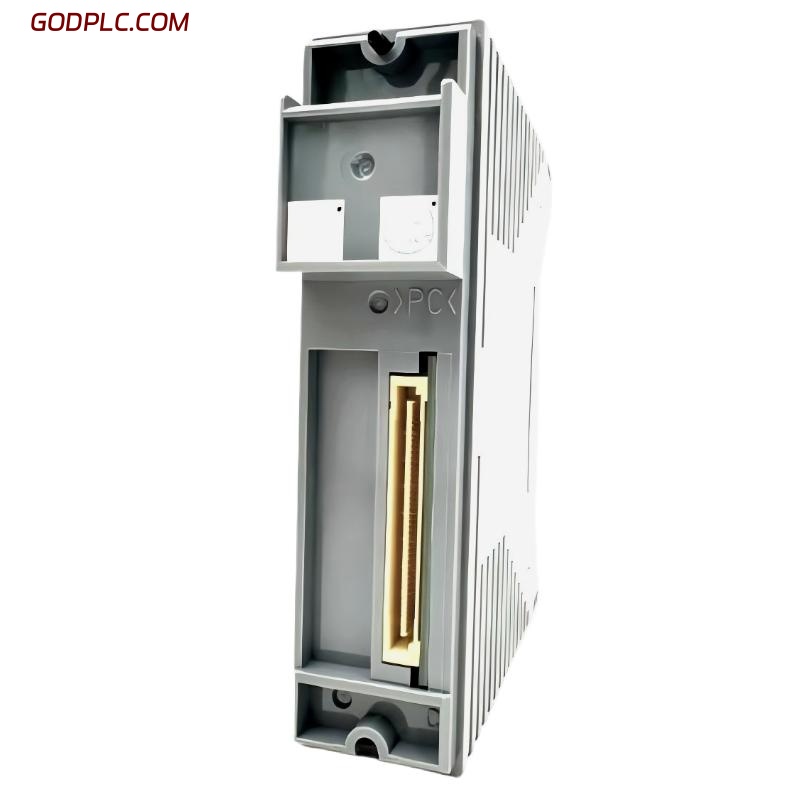
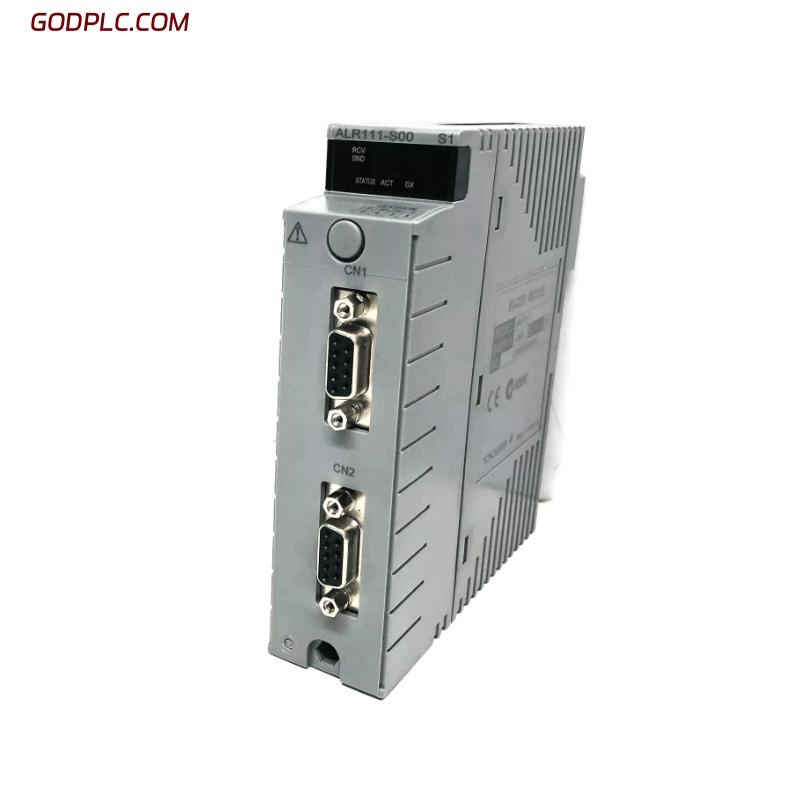
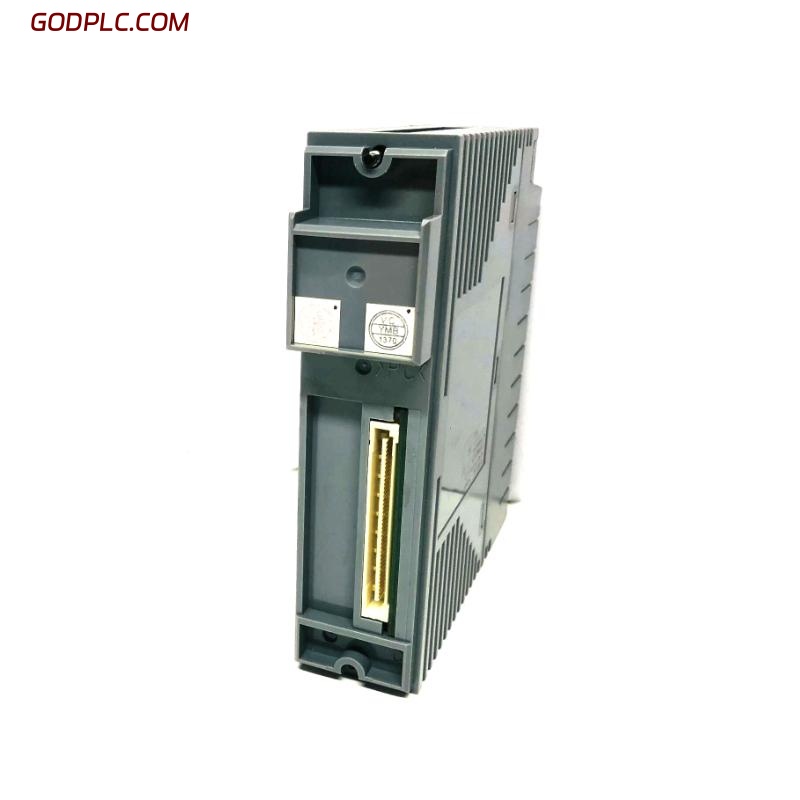
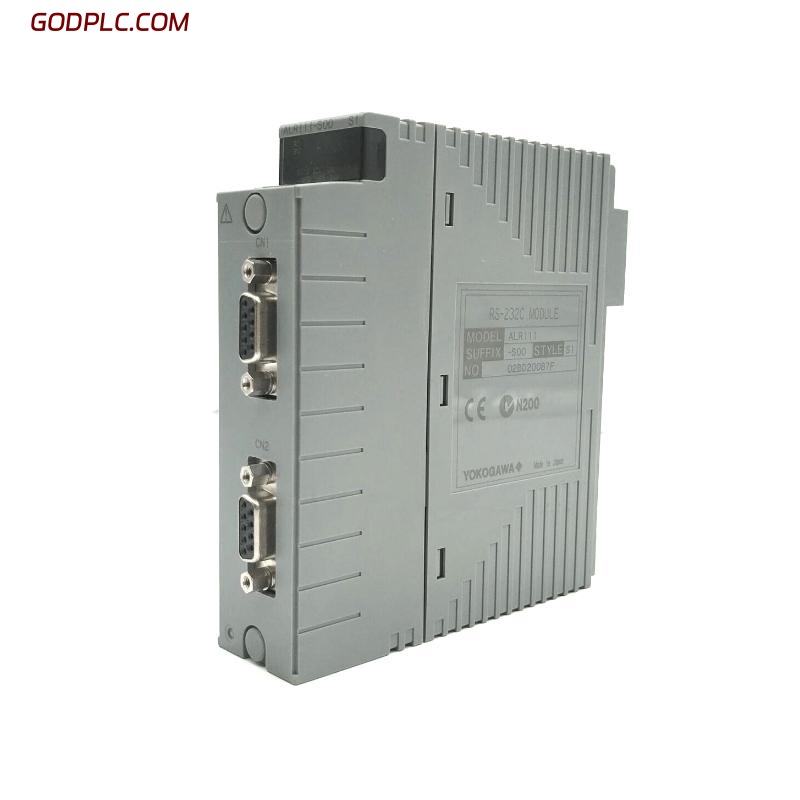
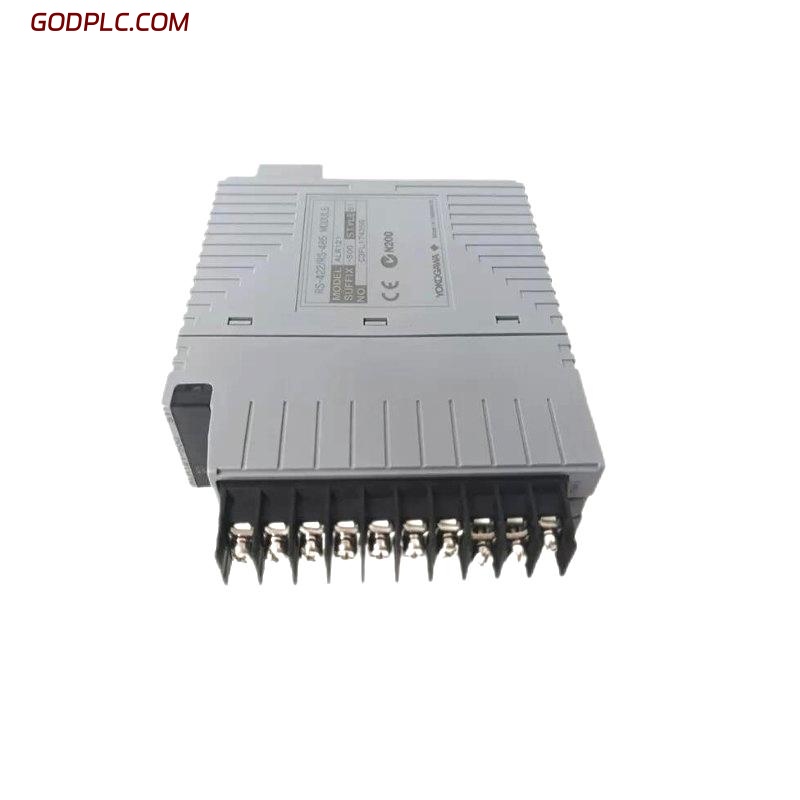
| Type | Serial Communication Module (RS‑422/RS‑485, 2‑port) |
| Interface | RS‑422 (point‑to‑point) / RS‑485 (multipoint) |
| Transmission Speeds | 1 200 / 2 400 / 4 800 / 9 600 / 19 200 / 38 400 bps |
| Current Consumption | Approx. 0.5 A |
| External Dimensions | Width ≈ 32.8 mm × Height ≈ 142.9 mm × Depth ≈ 125.5 mm |
| Weight | Approx. 0.34 kg |
FAQ
Q1: What does the suffix “‑S00” in ALR121‑S00 signify?
A1: It designates the standard version of the module, indicating a standard type with no explosion‑proof option or additional enhancements.
Q2: Which communication protocols are supported by this module?
A2: It supports half‑duplex communication over RS‑422 (point‑to‑point) and RS‑485 (multipoint) networks.
Q3: What baud rates can the ALR121‑S00 operate at?
A3: It supports 1 200, 2 400, 4 800, 9 600, 19 200, and 38 400 bps, adaptable to the connected subsystem.
Q4: What are the physical dimensions and weight of this module?
A4: The module measures approximately 32.8 mm wide, 142.9 mm high, 125.5 mm deep, and weighs about 0.34 kg.
Q5: How much current does the module draw during operation?
A5: The current consumption is approximately 0.5 A under normal operational conditions.
Q6: Can this module be used in a dual‑redundant communication setup?
A6: Yes — dual‑redundant communication is supported by installing two modules in adjacent slots, enabling fault‑tolerant configurations.
Q7: What types of control stations or systems is this module designed for?
A7: It is designed for field control systems or safety control stations requiring serial communication to subsystems such as FA‑M3 or Modbus devices.
Q8: Where can installation or wiring guidance be found for this module?
A8: Detailed installation and wiring instructions are provided in the manufacturer’s hardware specification and installation manual for the ALR121 series.