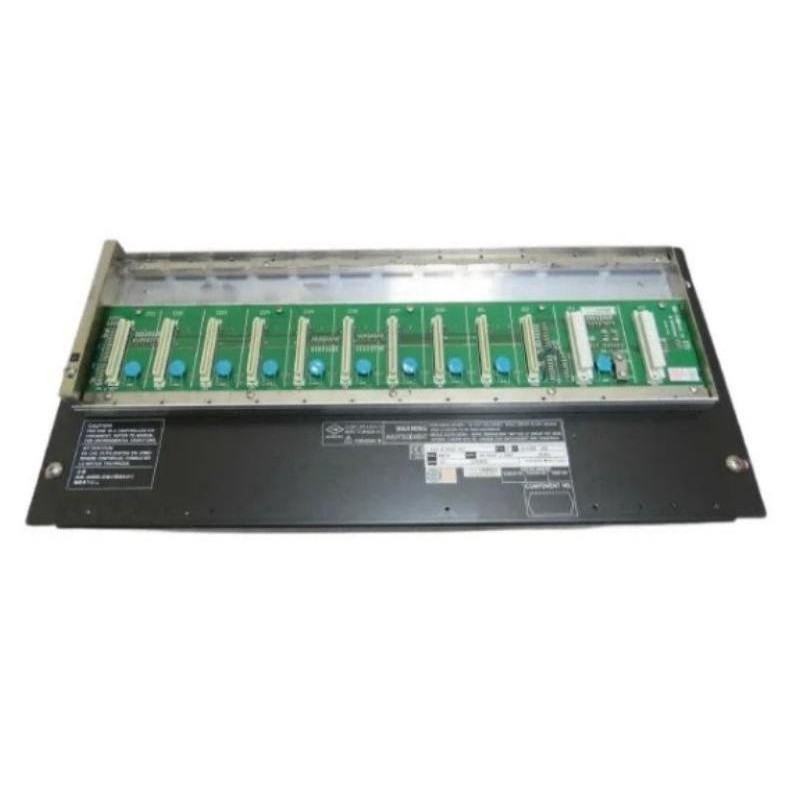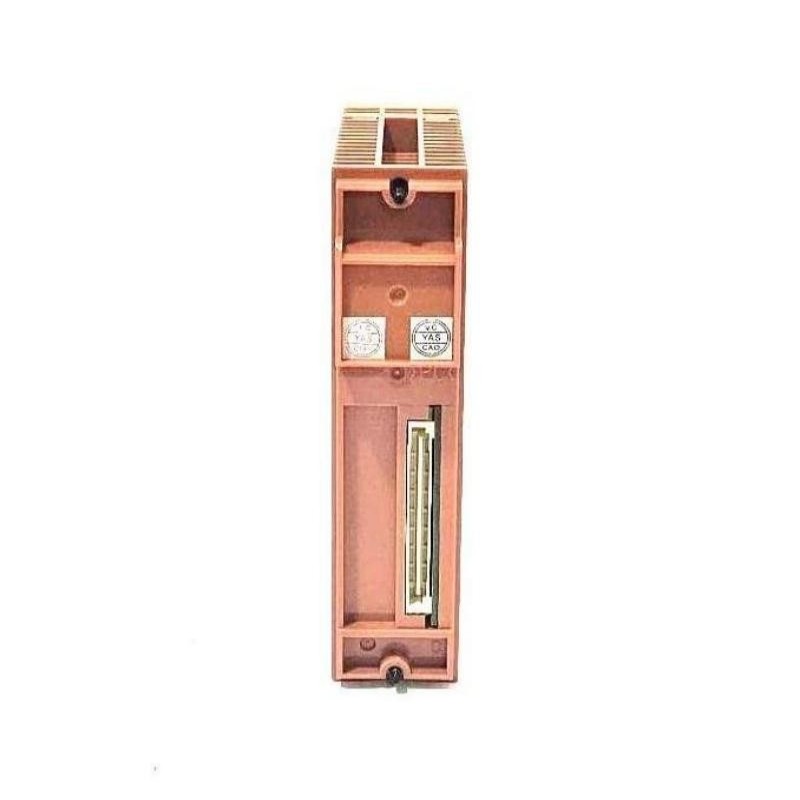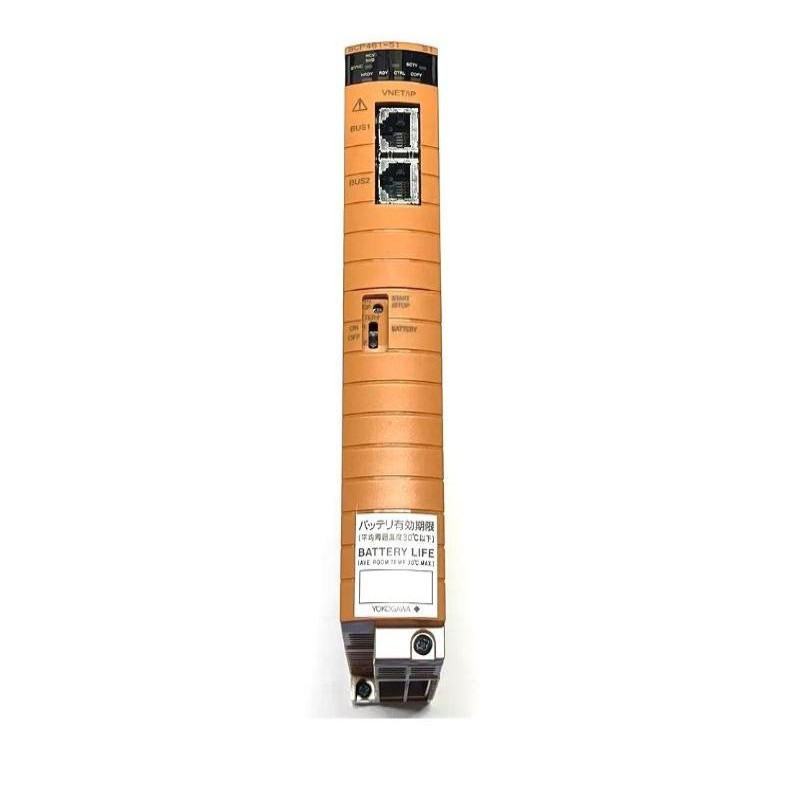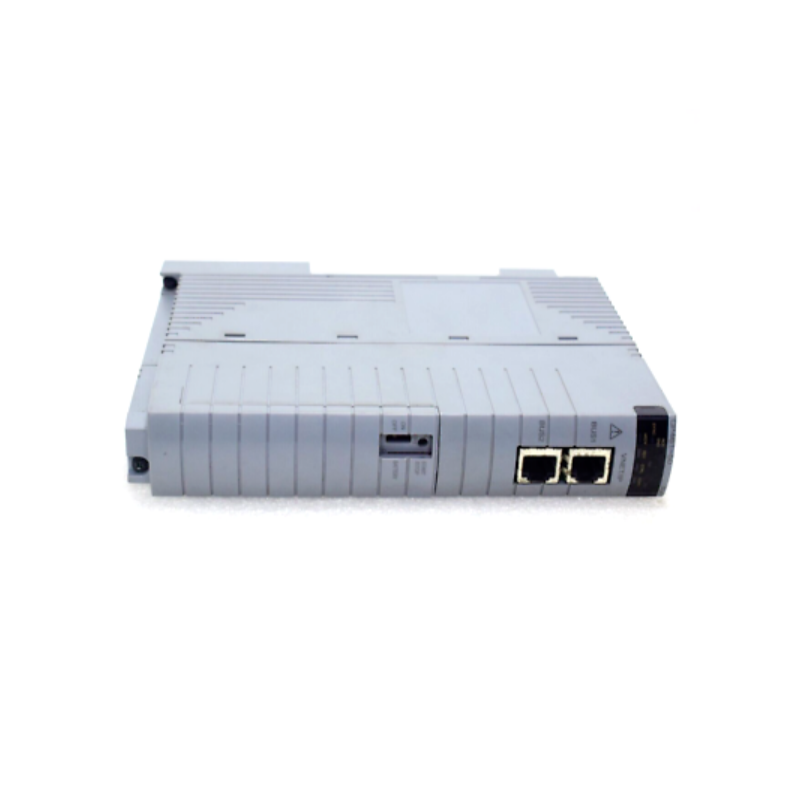
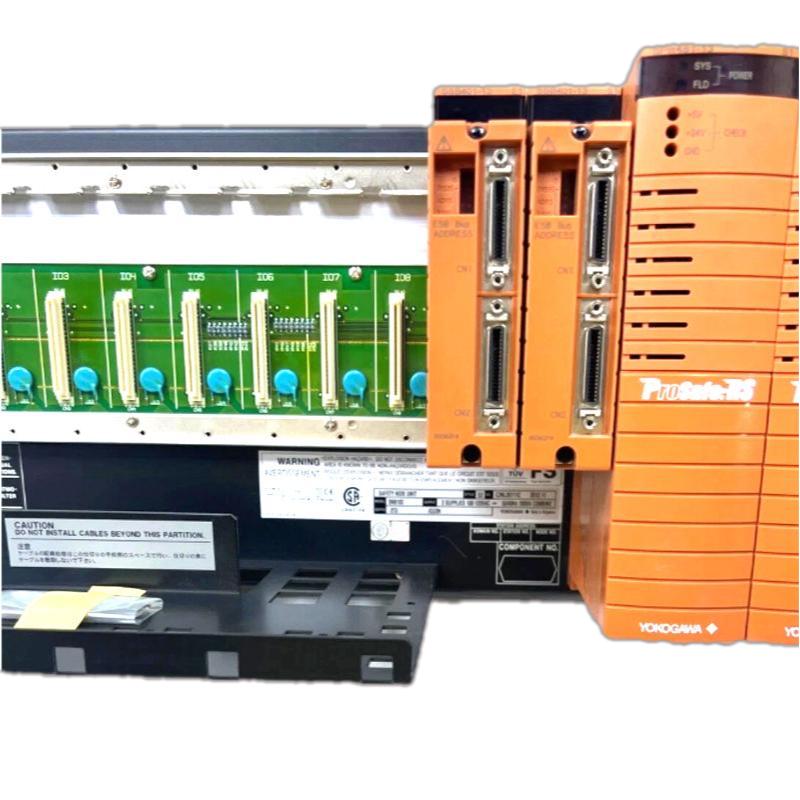
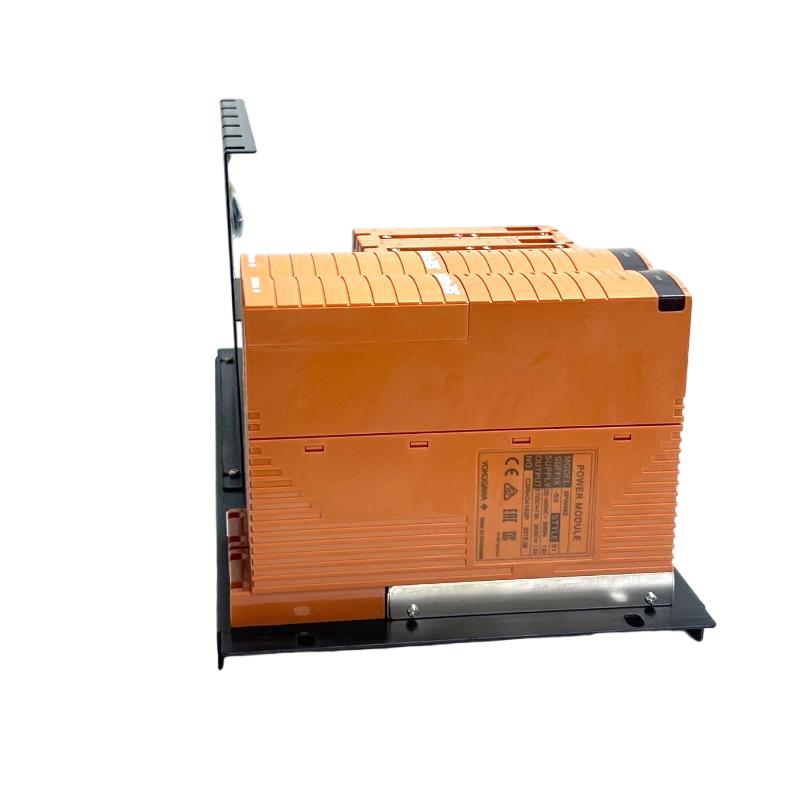
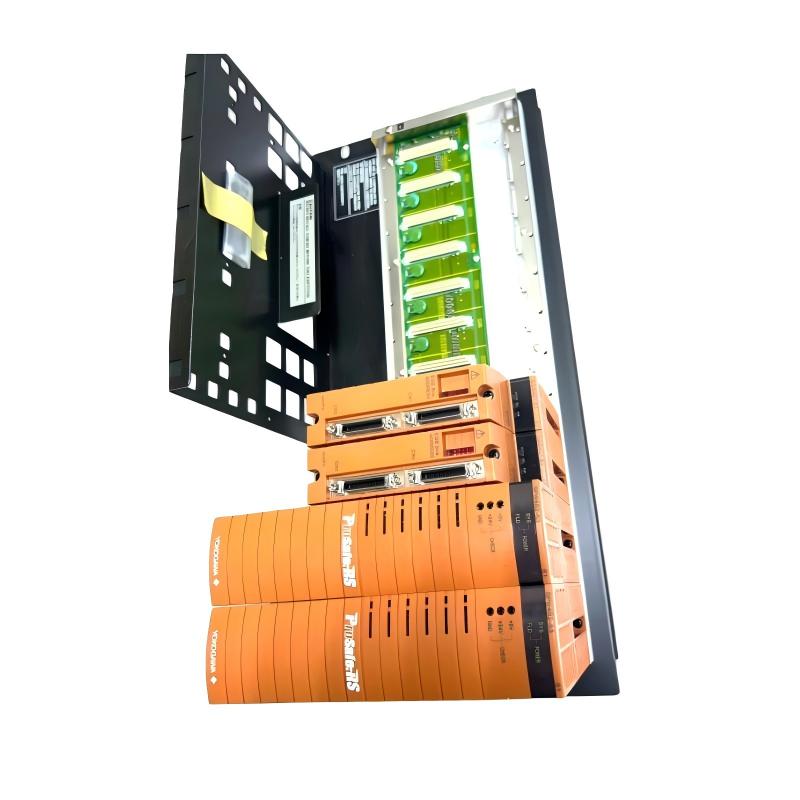
Yokogawa SNB10D-225/CU2N Safety Node Unit
| Company Information | ||||||||
| [email protected] | ||||||||
| Mobile | +8613666084105 | |||||||
| +8613666084105 | ||||||||
| 13666084105 | ||||||||
| Add to | Room 1004, No. 62 Xiangxiu Li, Siming District, Xiamen City, Fujian Province, China | |||||||
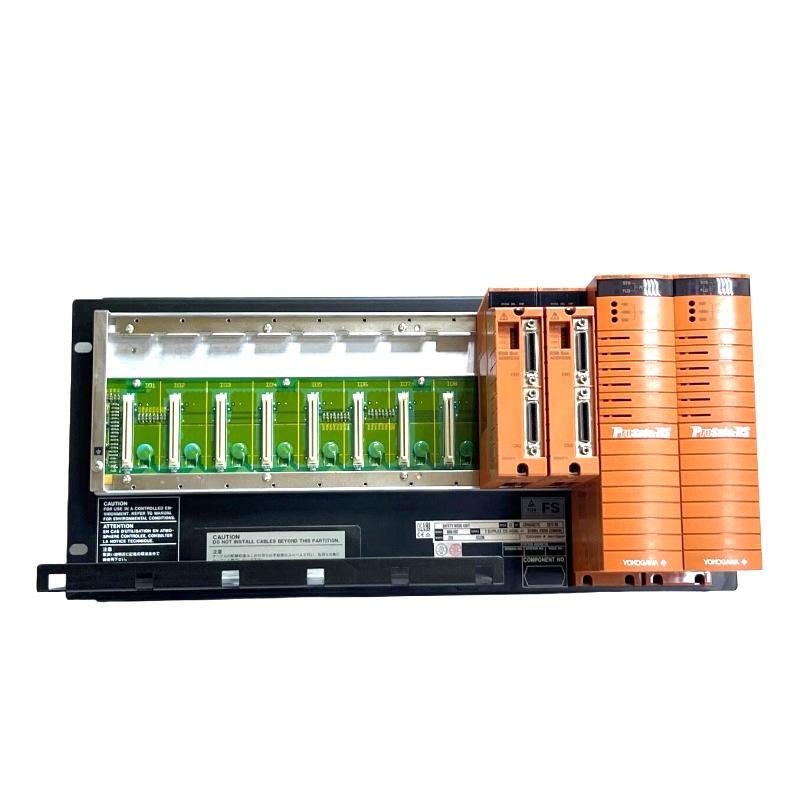 Technical Specifications
| Parameter | Specification |
|---|---|
| Model | SNB10D-225/CU2N |
| Product Type | Safety Node Unit |
| Manufacturer | Yokogawa |
| System Platform | ProSafe-RS Safety Instrumented System |
| Main Function | Provides distributed safety I/O expansion, field signal acquisition, and communication between field devices and the safety control system |
| Application | Safety instrumented systems, emergency shutdown systems, safety interlocking, industrial process protection, and critical equipment monitoring |
| Communication Interface | ESB Bus communication interface |
| Connector Unit | CU2N ESB Bus Connector Unit |
| Node Type | Distributed safety node unit |
| Installation Method | 19-inch rack mounting |
| Power Supply Configuration | Dual redundant power supply configuration |
| Power Supply Structure | Dual power module architecture |
| Communication Method | ESB Bus communication with the safety controller |
| Supported Modules | Power supply modules, ESB Bus interface modules, optical ESB Bus communication modules, and safety I/O modules |
| Safety Level | Designed for SIL 3 safety applications |
| System Expansion Capability | Supports distributed I/O expansion for large-scale safety control systems |
| Diagnostic Functions | Module status monitoring, communication diagnostics, fault detection, and system health monitoring |
| System Architecture | Distributed safety control architecture |
| Typical Applications | Oil & gas, petrochemical, chemical processing, power generation, metallurgy, and other continuous process industries |
| Operating Environment | Designed for continuous operation inside industrial control cabinets |
| Environmental Compatibility | Industrial-grade design with high resistance to electromagnetic interference |
| Reliability Features | High availability design with redundancy and fault tolerance |
| Structural Design | Modular architecture for flexible configuration, expansion, and maintenance |
| Dimensions | 482.6 × 221.5 × 205 mm |
| Weight | 5.9 kg |
FAQ
1. What is the primary function of the SNB10D-225/CU2N Safety Node Unit?
The SNB10D-225/CU2N Safety Node Unit is a distributed safety communication and I/O interface designed for the Yokogawa ProSafe-RS Safety Instrumented System (SIS). It enables reliable acquisition of field safety signals, distributed safety I/O expansion, and secure communication between field devices and the central safety controller through the ESB Bus network.
The unit serves as a communication hub for safety-related devices such as emergency stop pushbuttons, pressure transmitters, temperature sensors, gas detectors, valve position switches, and other process safety instruments. By collecting and transmitting operational data in real time, it allows the safety controller to continuously evaluate plant conditions and execute predefined safety logic whenever abnormal situations occur.
Its distributed architecture reduces field wiring, simplifies installation in large industrial facilities, and provides greater flexibility when expanding or modifying the safety system. The modular design also improves maintainability throughout the equipment lifecycle.
2. Which industrial applications are suitable for the SNB10D-225/CU2N?
The SNB10D-225/CU2N is intended for industrial processes where high functional safety, continuous operation, and reliable communication are essential. It is commonly deployed in oil and gas production, petrochemical plants, chemical processing facilities, refineries, power generation stations, offshore platforms, LNG terminals, and other critical process industries.
In oil and gas applications, the unit supports emergency shutdown systems (ESD), fire and gas detection systems (F&G), compressor protection, pipeline monitoring, and production safety control.
Chemical processing plants use the Safety Node Unit to monitor hazardous processes, protect reactors, implement safety interlocks, and supervise emergency isolation systems.
Power generation facilities utilize the unit for turbine protection, boiler safety monitoring, auxiliary equipment supervision, and critical shutdown applications requiring dependable communication with the safety controller.
Its industrial-grade construction allows reliable operation under demanding environmental conditions while supporting long-term plant availability.
3. How does the SNB10D-225/CU2N communicate with the ProSafe-RS controller?
The SNB10D-225/CU2N communicates with the ProSafe-RS safety controller through the ESB Bus communication network, which provides fast and reliable data exchange between distributed safety nodes and the central controller.
Safety I/O modules installed within the node acquire digital inputs, analog measurements, and equipment status information from connected field devices. These signals are transferred through the ESB Bus to the safety controller for continuous evaluation.
The controller processes incoming information according to the configured safety application program. Whenever hazardous operating conditions are detected, protective commands are immediately transmitted to final control elements such as shutdown valves, relays, alarms, motors, and other safety devices.
The CU2N connector configuration is intended for standard ESB Bus node connections, providing flexible communication network design while maintaining stable data transmission throughout large distributed safety systems.
4. Why does the SNB10D-225/CU2N support redundant system architecture?
Redundancy is an essential feature of safety instrumented systems because safety functions must remain available even when individual hardware components experience failures.
The SNB10D-225/CU2N supports redundant power supply architecture, allowing the unit to continue operating if one power source becomes unavailable. This significantly increases overall system availability and minimizes the possibility of unexpected production shutdowns caused by hardware failures.
The unit also continuously monitors internal operating conditions, communication status, and module health. Diagnostic information is automatically reported to the engineering workstation, allowing maintenance personnel to identify developing problems before they affect plant operation.
For industries operating around the clock, including refineries, petrochemical complexes, and power plants, redundant architecture improves operational reliability while reducing maintenance risks and unplanned downtime.
5. What installation practices should be followed for the SNB10D-225/CU2N?
Successful installation begins with verifying compatibility between the Safety Node Unit, ProSafe-RS controller, communication modules, power supply modules, and installed safety I/O modules.
The unit should be mounted securely inside an industrial control cabinet with adequate ventilation, reliable grounding, and a stable power supply. Proper grounding is especially important because it minimizes electromagnetic interference and helps maintain communication stability.
Engineers should carefully install ESB Bus communication cables according to Yokogawa system requirements. Incorrect cable routing, loose connectors, or improper network configuration can negatively affect communication reliability.
Following installation, complete commissioning should include verification of power supply operation, node recognition, communication status, module diagnostics, field I/O functionality, and safety logic execution. Performing comprehensive testing before startup helps ensure long-term system reliability.
6. How can communication or hardware faults be diagnosed on the SNB10D-225/CU2N?
Fault diagnosis should begin by reviewing diagnostic information available within the ProSafe-RS engineering environment.
Maintenance personnel should first verify that the redundant power supply system is functioning correctly and that no hardware fault indicators are present. The ESB Bus communication network should then be inspected by checking interface modules, communication cables, connectors, and node status information.
If communication hardware is operating normally, engineers should verify system configuration parameters, hardware allocation, node addresses, and engineering database settings to eliminate configuration errors.
When communication remains healthy but alarms continue to occur, connected safety I/O modules and field instruments should also be inspected. Faults originating from sensors, transmitters, switches, or actuators can generate diagnostic messages that appear within the Safety Node Unit.
The integrated diagnostic capabilities allow maintenance personnel to quickly isolate faults, shorten troubleshooting time, and restore normal operation efficiently.
7. What expansion capabilities are provided by the SNB10D-225/CU2N?
The SNB10D-225/CU2N features a modular architecture that supports flexible system expansion for both new installations and future plant upgrades.
The unit is compatible with redundant power modules, ESB Bus communication modules, optical communication modules, digital safety I/O modules, and analog safety I/O modules. These modules support connections to emergency stop devices, pressure transmitters, temperature sensors, gas detectors, flow instruments, valve position switches, and numerous other safety-related field devices.
As production requirements increase, engineers can expand the safety system by installing additional compatible modules rather than replacing the existing infrastructure. This approach minimizes engineering effort, reduces upgrade costs, and preserves previous system investments.
Its scalable architecture makes the SNB10D-225/CU2N well suited for large industrial automation projects that require long-term flexibility.
8. How can long-term operational reliability be maintained for the SNB10D-225/CU2N?
Long-term reliability depends on preventive maintenance, routine diagnostics, and proper environmental management.
Maintenance personnel should periodically review diagnostic logs, communication status, module health information, and historical alarm records to identify potential issues before they become operational problems.
Power supply modules, communication cables, terminal connections, and installed hardware should be inspected regularly to ensure secure electrical connections and stable system performance.
The industrial control cabinet should also be maintained in a clean environment with controlled temperature, humidity, vibration, and electromagnetic interference to maximize the lifespan of electronic components.
Whenever system modifications or hardware replacements are performed, only compatible ProSafe-RS modules should be installed. Comprehensive functional testing should always be completed before returning the system to normal operation.
With scheduled maintenance, continuous monitoring, and proper engineering practices, the SNB10D-225/CU2N can provide dependable operation and long-term performance in demanding industrial safety applications.
Yokogawa SNB10D-225/CU2N Safety Node Unit is in stock. Please contact us for a quick quote and competitive pricing.
| Company Information | ||||||||
| [email protected] | ||||||||
| Mobile | +8613666084105 | |||||||
| +8613666084105 | ||||||||
| 13666084105 | ||||||||
| Add to | Room 1004, No. 62 Xiangxiu Li, Siming District, Xiamen City, Fujian Province, China | |||||||
Company Introduction
Xiamen Shengruite Trading Co., Ltd. is a company specializing in the supply of industrial PLC spare parts.
We provide high-quality PLC spare parts to customers in the global manufacturing, energy and power, chemical and other fields.
Since its establishment in 2011, after 13 years of rapid development, the cumulative global shipments have reached 223,650 pieces, with an annual output value of US$50 million.
Successfully served more than 500 customers in more than 100 countries and regions including Saudi Arabia, UAE, the United States, Europe, Africa, and Southeast Asia
Our Mission
Provide customers with the best quality PLC spare parts and the fastest delivery service to ensure that their industrial automation systems are always in the best operating condition.
We provide a 1-year warranty service, and we support returns and exchanges for any issues to ensure your rights and interests are fully protected.
We can provide detailed product images upon request, and our team can arrange warehouse photos for confirmation to ensure you have all the information you need before making a purchase.
Shipping times vary depending on your location. With the support of our 16 global warehouses, we strive to deliver orders as quickly as possible. Contact us to get an estimated delivery time for your specific location.
The minimum order quantity (MOQ) is typically one unit. However, for larger orders, please contact us for potential discounts and pricing details.
Yes, we offer competitive pricing for bulk purchases. Please reach out to our sales team with the specifics of your order to receive a custom quote.
We accept various payment methods for wholesale orders, including bank transfers (T/T), letters of credit, and other options upon agreement. For large transactions, please contact us directly for payment terms.
Yes, we offer flexible ordering options for both small and large quantities. Whether youre looking for a single unit or a large batch, we can accommodate your needs.
We occasionally offer promotional discounts for new wholesale customers. Contact us to learn more about any current offers available for first-time buyers.
If you are unsure of compatibility with your existing setup please provide your system details and our support team can verify compatibility prior to purchase.
Returns are accepted within 30 days if the product is unused, unopened, and in its original packaging. Please note that return shipping and associated costs are the buyer\\\\\\\\\\\\\\\\\\\\\\\\\\\\\\\\\\\\\\\\\\\\\\\\\\\\\\\\\\\\\\\\\\\\\\\\\\\\\\\\\\\\\\\\\\\\\\\\\\\\\\\\\\\\\\\\\\\\\\\\\\\\\\\\\\\\\\\\\\\\\\\\\\\\\\\\\\\\\\\\\\\\\\\\\\\\\\\\\\\\\\\\\\\\\\\\\\\\\\\\\\\\\\\\\\\\\\\\\\\\\\\\\\\\\\\\\\\\\\\\\\\\\\\\\\\\\\\\\\\\\\\\\\\\\\\\\\\\\\\\\\\\\\\\\\\\\\\\\\\\\\\\\\\\\\\\\\\\\\\\\\\\\\\\\\\\\\\\\\\\\\\\\\\\\\\\\\\\\\\\\\\\\\\\\\\\\\\\\\\\\\\\\\\\\\\\\\\\\\\\\\\\\\\\\\\\\\\\\\\\\\\\\\\\\\\\\\\\\\\\\\\\\\\\\\\\\\\\\\\\\\\\\\\\\\\\\\\\\\\\\\\\\\\\\\\\\\\\\\\\\\\\\\\\\\\\\\\\\\\\\\\\\\\\\\\\\\\\\\\\\\\\\\\\\\\\\\\\\\\\\\\\\\\\\\\\\\\\\\\\\\\\\\\\\\\\\\\\\\\\\\\\\\\\\\\\\\\\\\\\\\\\\\\\\\\\\\\\\\\\\\\\\\\\\\\\\\\\\\\\\\\\\\\\\\\\\\\\\\\\\\\\\\\\\\\\\\\\\\\\\\\\\\\\\\\\\\\\\\\\\\\\\\\\\\\\\\\\\\\\\\\\\\\\\\\\\\\\\\\\\\\\\\\\\\\\\\\\\\\\\\\\\\\\\\\\\\\\\\\\\\\\\\\\\\\\\\\\\\\\\\\\\\\\\\\\\\\\\\\\\\\\\\\\\\\\\\\\\\\\\\\\\\\\\\\\\\\\\\\\\\\\\\\\\\\\\\\\\\\\\\\\\\\\\\\\\\\\\\\\\\\\\\\\\\\\\\\\\\\\\\\\\\\\\\\\\\\\\\\\\\\\\\\\\\\\\\\\\\\\\\\\\\\\\\\\\\\\\\\\\\\\\\\\\\\\\\\\\\\\\\\\\\\\\\\\\\\\\\\\\\\\\\\\\\\\\\\\\\\\\\\\\\\\\\\\\\\\\\\\\\\\\\\\\\\\\\\\\\\\\\\\\\\\\\\\\\\\\\\\\\\\\\\\\\\\\\\\\\\\\\\\\\\\\\\\\\\\\\\\\\\\\\\\\\\\\\\\\\\\\\\\\\\\\\\\\\\\\\\\\\\\\\\\\\\\\\\\\\\\\\\\\\\\\\\\\\\\\\\\\\\\\\\\\\\\\\\\\\\\\\\\\\\\\\\\\\\\\\\\\\\\\\\\\\\\\\\\\\\\\\\\\\\\\\\\\\\\\\\\\\\\\\\\\\\\\\\\\\\\\\\\\\\\\\\\\\\\\\\\\\\\\\\\\\\\\\\\\\\\\\\\\\\\\\\\\\\\\\\\\\\\\\\\\\\\\\\\\\\\\\\\\\\\\\\\\\\\\\\\\\\\\\\\\\\\\\\\\\\\\\\\\\\\\\\\\\\\\\\\\\\\\\\\\\\\\\\\\\\\\\\\\\\\\\\\\\\\\\\\\\\\\\\\\\\\\\\\\\\\\\\\\\\\\\\\\\\\\\\\\\\\\\\\\\\\\\\\\\\\\\\\\\\\\\\\\\\\\\\\\\\\\\\\\\\\\\\\\\\\\\\\\\\\\\\\\\\\\\\\\\\\\\\\\\\\\\\\\\\\\\\\\\\\\\\\\\\\\\\\\\\\\\\\\\\\\\\\\\\\\\\\\\\\\\\\\\\\\\\\\\\\\\\\\\\\\\\\\\\\\\\\\\\\\\\\\\\\\\\\\\\\\\\\\\\\\\\\\\\\\\\\\\\\\\\\\\\\\\\\\\\\\\\\\\\\\\\\\\\\\\\\\\\\\\\\\\\\\\\\\\\\\\\\\\\\\\\\\\\\\\\\\\\\\\\\\\\\\\\\\\\\\\\\\\\\\\\\\\\\\\\\\\\\\\\\\\\\\\\\\\\\\\\\\\\\\\\\\\\\\\\\\\\\\\\\\\\\\\\\\\\\\\\\\\\\\\\\\\\\\\\\\\\\\\\\\\\\\\\\\\\\\\\\\\\\\\\\\\\\\\\\\\\\\\\\\\\\\\\\\\\\\\\’s responsibility.
Yes, we offer technical support for the installation and integration of our products. Our team can assist with setup, configuration, and troubleshooting to ensure a smooth installation.