100% Original, Ready to Ship!

ABB XV C772 A102 3BHE032285R0102 HVD Board Fault Diagnosis And Troubleshooting Guide
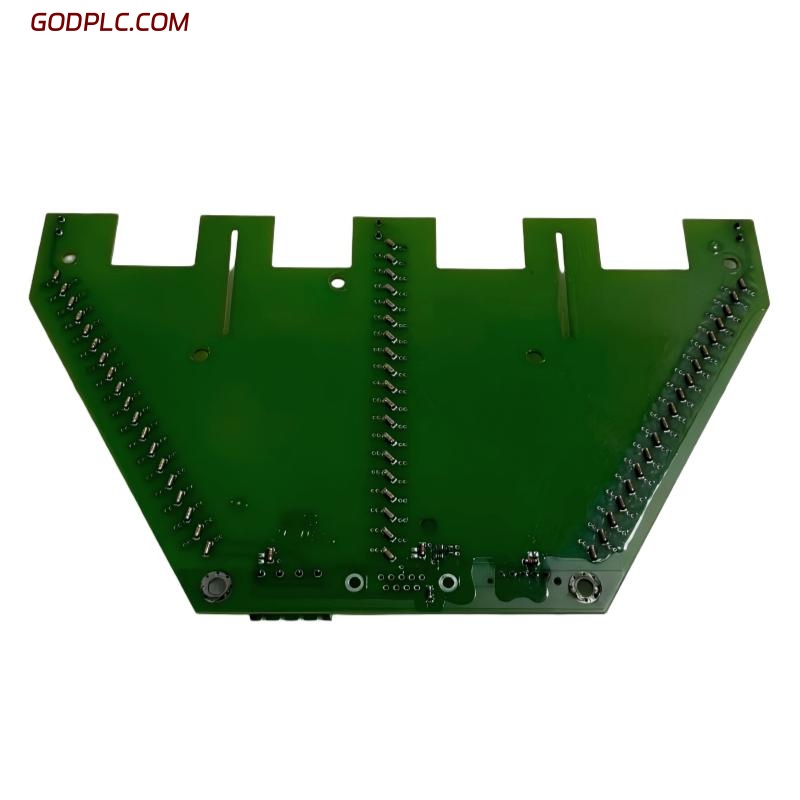
Table of Contents
- ABB XV C772 A102 Fault Patterns
- ABB XV C772 A102 Communication Fault Troubleshooting
- ABB XV C772 A102 Voltage Feedback Diagnosis
- ABB XV C772 A102 Thermal Failure Analysis
- ABB XV C772 A102 Diagnostic Logic Process
- Real Field Repair Case
- FAQ
- Final Engineering Notes
ABB XV C772 A102 Fault Patterns
ABB XV C772 A102 HVD board faults are often misdiagnosed as complete hardware failure even though most issues originate from unstable feedback circuits, contamination, or grounding interference. In ACS2000 systems, incorrect voltage feedback can immediately trigger converter protection logic.
Typical fault symptoms include:
- DC bus feedback instability
- Random converter trips during acceleration
- Fiber communication interruption
- Voltage scaling mismatch
- Intermittent undervoltage alarms
- Drive startup blocking
In practical troubleshooting, intermittent faults are more difficult than permanent failures because the board may appear healthy during static testing.
ABB XV C772 A102 Communication Fault Troubleshooting
Communication problems inside ABB medium-voltage drives usually appear before complete HVD board failure.
Observed Symptoms
- Drive control panel freezes during startup
- Converter status becomes unavailable
- Fiber communication alarms appear intermittently
- Voltage values remain frozen despite load changes
Recommended Fault Diagnosis Logic
CHECK FIBER TX POWER
CHECK RX SIGNAL STABILITY
VERIFY 5V ISOLATED SUPPLY
INSPECT CONNECTOR OXIDATION
MEASURE GROUND OFFSET
One field engineer replaced two control boards before discovering that the actual issue was microscopic dust contamination inside the optical receiver connector.
After cleaning the connector:
- Communication recovered immediately
- Converter synchronization stabilized
- No additional hardware replacement was required
ABB XV C772 A102 Voltage Feedback Diagnosis
The XV C772 A102 HVD board continuously processes high-voltage measurement signals. Incorrect feedback values may force the PLC controller or drive processor into protective shutdown mode.
Typical Measurement Deviations
| Measured Condition | Possible Cause |
|---|---|
| Voltage fluctuation ±20V | Ground noise or cable shielding issue |
| 0V feedback reading | Isolation circuit failure |
| Slow voltage response | Damaged filtering capacitor |
| Random overvoltage alarms | EMI coupling from inverter output |
Experienced engineers normally compare oscilloscope waveform behavior instead of relying only on static multimeter readings.
In one commissioning repair case, waveform analysis showed repetitive 4kHz interference spikes synchronized with inverter switching frequency. The actual cause was an improperly grounded shield clamp inside the cabinet.
ABB XV C772 A102 Thermal Failure Analysis
Thermal stress is another common reason for ABB XV C772 A102 circuit board instability.
The board itself may continue operating normally at low load conditions while failing under thermal expansion during heavy motor operation.
Common Heat-Related Failure Indicators
- Faults appear after 20-30 minutes of operation
- Communication loss increases with cabinet temperature
- Analog drift becomes worse at higher load
- Electrolytic capacitors show discoloration
We observed one paper mill installation where cabinet airflow dropped because the cooling filter was blocked by fiber dust. Internal cabinet temperature increased from 36°C to 58°C during production, causing repeated HVD signal instability.
After restoring airflow:
- Signal drift disappeared
- Voltage deviation reduced below 0.2%
- No further trips occurred during continuous operation
ABB XV C772 A102 Diagnostic Logic Process
Good troubleshooting does not start with board replacement. It starts with signal verification.
Recommended Diagnostic Sequence
- Verify power supply stability
- Check optical communication status
- Measure grounding potential difference
- Inspect analog feedback waveform
- Verify cabinet thermal condition
- Replace board only after external causes are excluded
This engineering logic reduces unnecessary spare consumption and shortens downtime significantly.
Real Field Repair Case
A mining conveyor system using an ABB ACS2000 drive experienced random shutdowns approximately twice per shift. The control logs showed unstable DC bus feedback from the XV C772 A102 HVD board.
Initial maintenance teams suspected PCB failure and prepared for board replacement.
However, detailed troubleshooting showed:
- 5V isolated supply remained stable
- Fiber communication quality was normal
- Voltage instability appeared only above 320A motor current
Further investigation revealed mechanical vibration near the cabinet base. A loosened grounding strap created intermittent common-mode noise under heavy load conditions.
After tightening the grounding system:
- Voltage ripple reduced from 17V to 1.5V
- Converter trips disappeared
- System uptime improved immediately
- The original HVD board remained in service
FAQ
Why does the ABB XV C772 A102 board fail intermittently instead of permanently?
Intermittent faults are usually related to temperature changes, grounding instability, or vibration rather than damaged semiconductor components.
What is the first check during ABB HVD board troubleshooting?
Engineers should first verify isolated power supplies and communication integrity before replacing the circuit board.
Why do voltage alarms appear only during motor acceleration?
Acceleration increases inverter switching activity and electromagnetic interference, exposing weak shielding or grounding problems.
Can optical communication contamination cause converter shutdowns?
Yes. Dust or oil contamination on fiber connectors may interrupt communication and trigger protection faults.
What indicates thermal instability on the XV C772 A102 board?
Fault frequency increasing with cabinet temperature is a strong indicator of thermal-related instability.
Why is waveform analysis important during troubleshooting?
Oscilloscope analysis reveals transient interference and signal distortion that cannot be detected with static measurements alone.
Should the HVD board be replaced immediately after a voltage fault?
No. External causes such as grounding, EMI, and isolation problems should always be investigated first.
How can cabinet vibration affect HVD board operation?
Mechanical vibration may loosen grounding connections or connectors, causing intermittent communication and feedback instability.
Final Engineering Notes
ABB XV C772 A102 3BHE032285R0102 HVD board troubleshooting requires systematic signal analysis rather than direct PCB replacement. Most field failures are associated with grounding, EMI interference, communication contamination, or thermal conditions inside the drive cabinet. Careful fault diagnosis significantly reduces downtime and prevents unnecessary replacement of expensive medium-voltage drive components.
 ABB PM572 1SAP130200R0200 CPU Module Troubleshooting Guide
 ABB 89AS30 GKWN000317R0100 Analog Signal Multiplier Troubleshooting Guide
 ABB PM510 3BSE000270R1 CPU Board Troubleshooting Guide
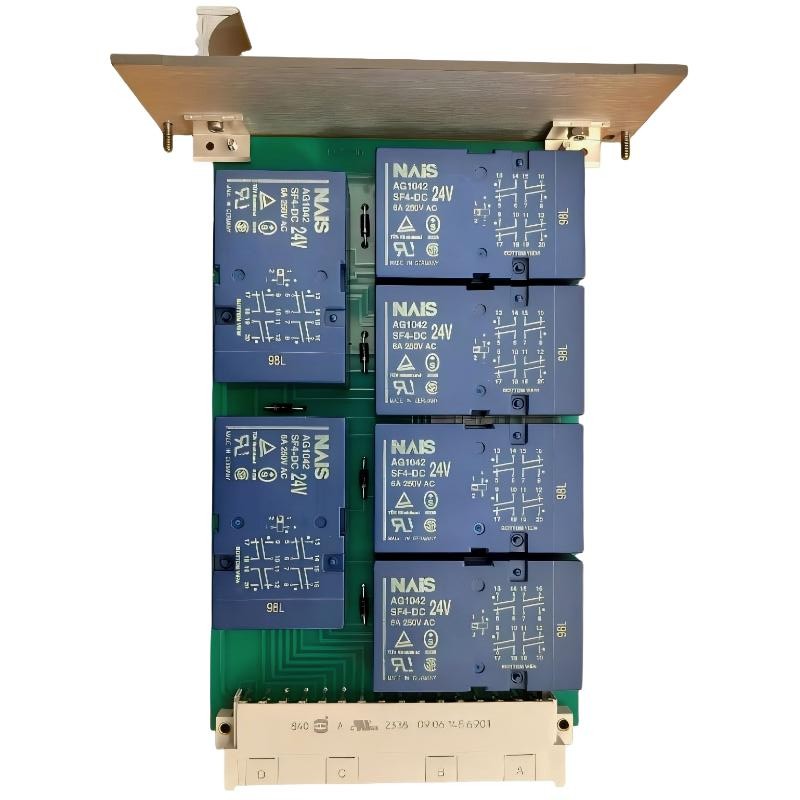 ABB 89AR30/R0100 Relay Unit Troubleshooting Guide For Control And Protection Faults