100% Original, Ready to Ship!

ABB XV D825 A01 3BHE015619R0001 Interface Board Fault Diagnosis And Troubleshooting
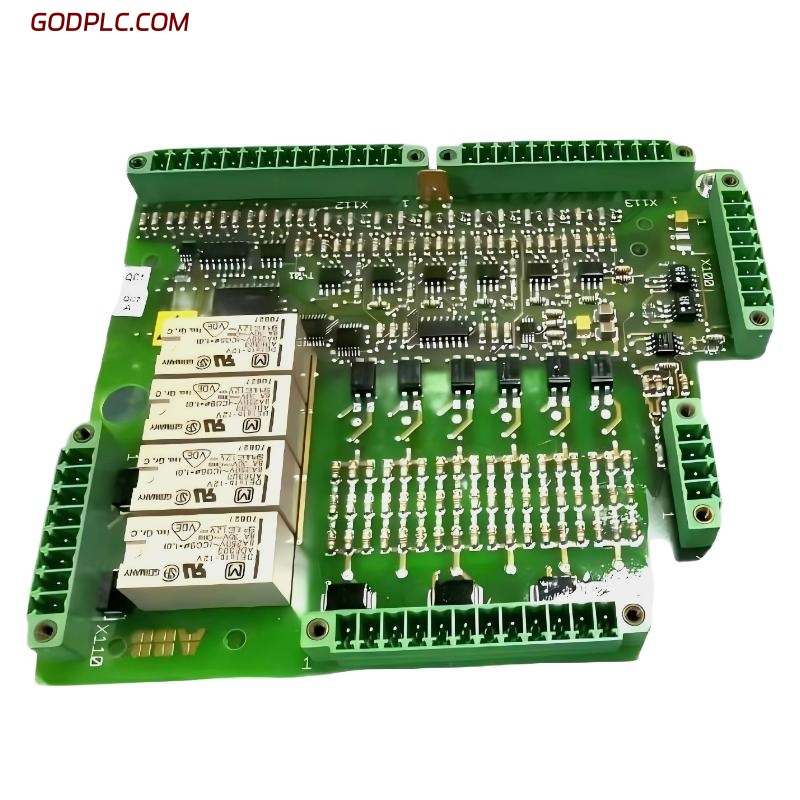
Table of Contents
- ABB XV D825 A01 Fault Behavior Overview
- Fault Symptoms in PLC and Drive Systems
- Fault Diagnosis Process (Field Method)
- Communication Fault Analysis
- Signal Integrity and Noise Issues
- Real Troubleshooting Case
- FAQ
- Final Engineering Notes
ABB XV D825 A01 Fault Behavior Overview
ABB XV D825 A01 3BHE015619R0001 interface board faults are often misinterpreted as hardware failure, but in real industrial environments the majority of issues come from signal disruption, grounding instability, or PLC Controller communication mismatch rather than physical PCB damage.
In many drive systems, this interface board acts as a communication bridge. When it fails logically (not physically), the system may still show power present but lose data exchange with PLC or field devices.
Fault Symptoms in PLC and Drive Systems
Typical ABB XV D825 A01 fault symptoms observed in field troubleshooting include:
- Intermittent PLC communication loss
- I/O signals freezing or delayed response
- Random drive interlock triggers
- Fieldbus timeout alarms (Modbus / Profibus)
- Analog input drifting under load
One key engineering observation: faults often appear only during dynamic load conditions, not during static testing.
Fault Diagnosis Process (Field Method)
Effective Fault Diagnosis for ABB XV D825 A01 should follow signal-first logic instead of replacement-first logic.
STEP 1: CHECK 24V CONTROL POWER STABILITY
STEP 2: VERIFY PLC COMMUNICATION STATUS
STEP 3: TEST FIELD BUS TERMINATION RESISTANCE
STEP 4: MEASURE GROUND POTENTIAL DIFFERENCE
STEP 5: INSPECT SHIELD CONTINUITY
STEP 6: ISOLATE INTERFACE BOARD
In one commissioning troubleshooting case, the board was replaced twice before engineers identified a loose grounding strap causing intermittent voltage reference drift.
Communication Fault Analysis
Communication failure is the most common issue associated with ABB XV D825 A01 interface boards.
Observed Failure Pattern
- PLC Controller shows “device not responding”
- Communication restores after cabinet restart
- Error increases under motor load
- Fieldbus signal quality fluctuates
These symptoms strongly indicate EMI coupling or improper termination rather than internal board damage.
In one real case, Profibus termination resistor was missing, causing reflection noise up to 6–8V peak. After correction, communication stabilized immediately.
Signal Integrity and Noise Issues
Signal integrity problems are often mistaken for board failure. ABB XV D825 A01 is sensitive to grounding and shielding conditions due to mixed signal routing design.
Common Noise Sources
- Inverter switching transients
- Improper cable bundling
- Ground loop currents
- Cabinet fan motor EMI
Oscilloscope analysis in one packaging plant showed periodic 4kHz noise bursts synchronized with VFD switching frequency. The actual cause was shared grounding path between power and signal sections.
Real Troubleshooting Case
A production line experienced repeated PLC communication drops every time a high-load conveyor motor started. Initial assumption: faulty ABB XV D825 A01 interface board.
However, diagnostics showed:
- Board supply voltage stable at 24.1V
- PLC CPU running normally
- Communication failure only during startup surge
Final root cause: cabinet grounding strap was partially loosened after maintenance work. Under high current, it created intermittent ground potential shift.
After tightening grounding system:
- Fault frequency dropped to zero
- PLC scan cycle stabilized
- System uptime improved immediately
FAQ
Why does ABB XV D825 A01 fail only during heavy load?
Because load changes increase EMI and ground potential variation, exposing hidden signal instability.
Is replacement the first step in troubleshooting?
No. Engineers should always verify power, grounding, and communication integrity first.
Why does communication recover after reboot?
Reboot temporarily resets timing and communication buffers but does not fix underlying electrical noise issues.
Can cable shielding cause interface board faults?
Yes. Incorrect shield termination is one of the most common root causes.
Why does PLC show intermittent device loss?
This typically indicates signal noise or bus termination issues rather than board failure.
How to confirm board failure vs system issue?
Use isolation testing: if the fault persists across different systems, then board failure is more likely.
Final Engineering Notes
ABB XV D825 A01 3BHE015619R0001 troubleshooting requires systematic signal-based diagnosis rather than immediate hardware replacement. Most failures in industrial automation systems originate from grounding issues, EMI interference, or incorrect PLC Controller communication configuration. Proper diagnostic discipline significantly reduces downtime and prevents unnecessary spare part consumption.
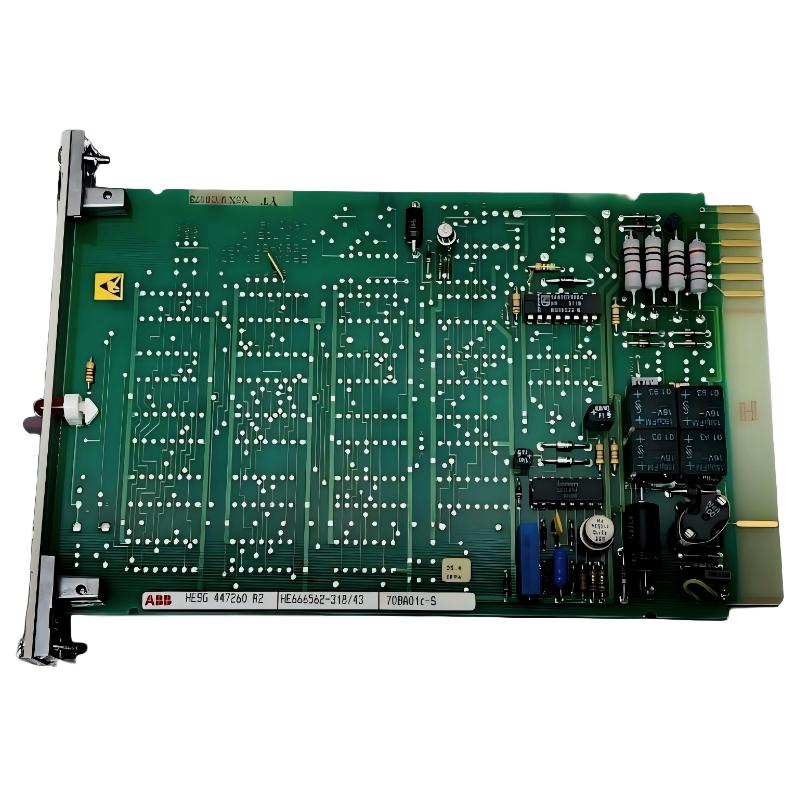 ABB 70BA01C-S HESG447260R2 Bus Terminal Module Troubleshooting Guide
ABB 70BA01C-S HE667102-318 Bus Terminal Module Troubleshooting Guide
ABB 70BA01C-S HESG447260R2 Bus Terminal Module Troubleshooting Guide
ABB 70BA01C-S HE667102-318 Bus Terminal Module Troubleshooting Guide
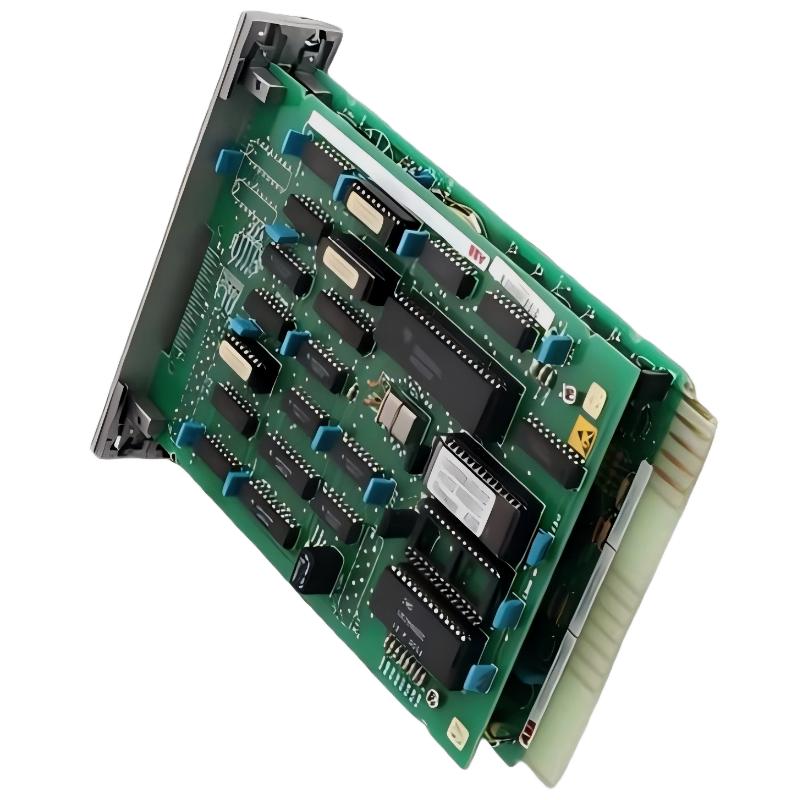 ABB 70BK03B-ES HESG447271R0002 Local Bus Interface Module Troubleshooting Guide
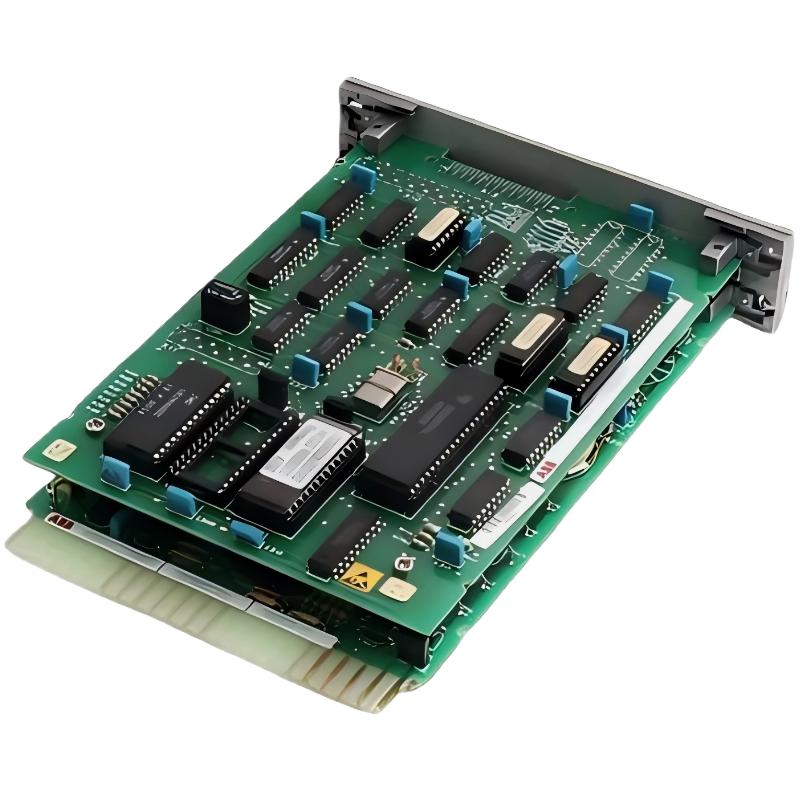 ABB 70BK03b-ES HESG447271R2 Local Bus Interface Module Troubleshooting Guide