100% Original, Ready to Ship!

ABB Decodes A New Path For High-Quality Development In Steel And Nonferrous Metals Industry
Introduction: Industrial Transformation Driven By Digitalization
As global manufacturing moves toward high-efficiency, low-carbon, and intelligent production systems, the steel and nonferrous metals industry is undergoing a structural transformation. Energy-intensive production processes, complex metallurgical workflows, and increasing environmental regulations are accelerating the need for advanced industrial automation solutions.
In this context, ABB is playing a pivotal role in decoding a new pathway for high-quality development through integrated electrification, automation, and digital technologies.
Rather than relying on incremental upgrades, modern steel and nonferrous producers are increasingly adopting system-level optimization strategies that combine drives, motors, control systems, and real-time data analytics.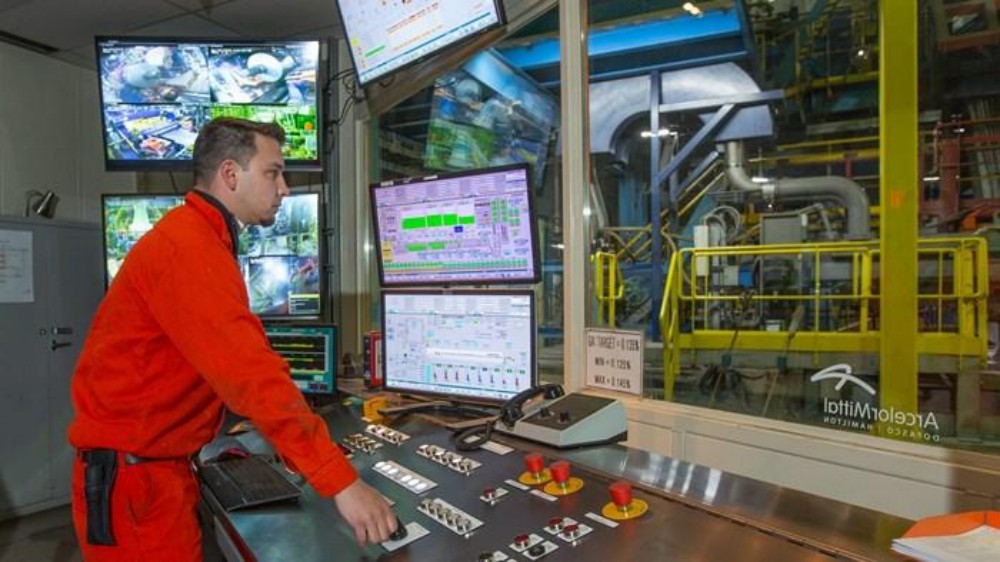
Smart Manufacturing Becomes The Core Driver
The steel industry is traditionally characterized by high energy consumption and continuous production processes. ABB’s industrial automation portfolio enables plants to shift from reactive maintenance models to predictive and data-driven operations.
Key enabling technologies include:
- Distributed Control Systems (DCS) for process stability
- PLC-based automation for discrete control and interlocking logic
- Industrial drives for precise motor speed regulation
- Condition monitoring systems for predictive maintenance
- Advanced analytics platforms for production optimization
These systems help manufacturers improve yield, reduce downtime, and optimize energy usage across blast furnaces, rolling mills, and refining lines.
Electrification And Energy Efficiency In Heavy Industry
Energy efficiency is now a central requirement in steel and nonferrous metal production. Electrification of mechanical processes—such as pumping, compression, and rolling—has become a major trend.
ABB’s high-efficiency motors and variable speed drives support:
- Reduced energy consumption in continuous production lines
- Lower mechanical stress on equipment
- Improved process stability under variable load conditions
- Enhanced integration with renewable energy systems
By transitioning from mechanical or hydraulic systems to fully electrified architectures, manufacturers can significantly reduce lifecycle costs while improving operational reliability.
Digitalization And Industrial IoT Integration
The convergence of industrial IoT and automation is redefining how steel plants operate. Real-time data acquisition from sensors, controllers, and drive systems enables centralized monitoring and intelligent decision-making.
In modern deployments, ABB digital platforms allow:
- Real-time visualization of production KPIs
- Early detection of equipment anomalies
- Remote diagnostics and maintenance support
- Optimization of production scheduling
- Energy consumption tracking at machine level
This shift from isolated control systems to connected industrial ecosystems supports the broader industry goal of “smart steel plants” and “green metallurgy.”
Nonferrous Metals Industry: Precision And Stability Requirements
The nonferrous metals sector—including copper, aluminum, and zinc production—requires extremely stable process control due to sensitivity in temperature, chemical composition, and mechanical deformation stages.
Automation solutions in this segment focus on:
- Precision temperature regulation in smelting processes
- High-accuracy motor control in rolling and extrusion
- Continuous casting process optimization
- Quality inspection through sensor-based monitoring systems
ABB’s integrated automation approach helps reduce material waste while improving consistency in final product quality.
Sustainability And Carbon Reduction Pressure
Global decarbonization policies are pushing heavy industries toward lower emissions. Steel production alone accounts for a significant share of global industrial CO₂ emissions, making efficiency improvements critical.
Through electrification and intelligent control systems, ABB enables:
- Reduction in energy losses across production chains
- Improved utilization of raw materials
- Optimization of furnace combustion processes
- Integration with carbon tracking and reporting systems
These improvements support compliance with international environmental standards and corporate ESG goals.
Industry Outlook: From Automation To Autonomous Operations
The future of steel and nonferrous metals production is moving toward semi-autonomous and fully autonomous industrial systems. This evolution is driven by:
- AI-based process optimization
- Machine learning predictive maintenance
- Digital twins of production lines
- Fully integrated energy management systems
ABB’s long-term development direction aligns with this transformation, focusing on building scalable, interoperable automation ecosystems that support next-generation industrial manufacturing.
Conclusion
The steel and nonferrous metals industry is entering a new phase defined by intelligence, electrification, and sustainability. Companies that adopt integrated automation solutions are better positioned to improve productivity, reduce costs, and meet strict environmental requirements.
Through its advanced industrial automation and digital technologies, ABB is helping global manufacturers decode a more efficient and sustainable development pathway for heavy industry.
 Rockwell Automation Expands Industrial AI Capabilities With NVIDIA Nemotron Support
 Rockwell Automation Introduces FactoryTalk Conductor To Advance AI-Driven Industrial Automation
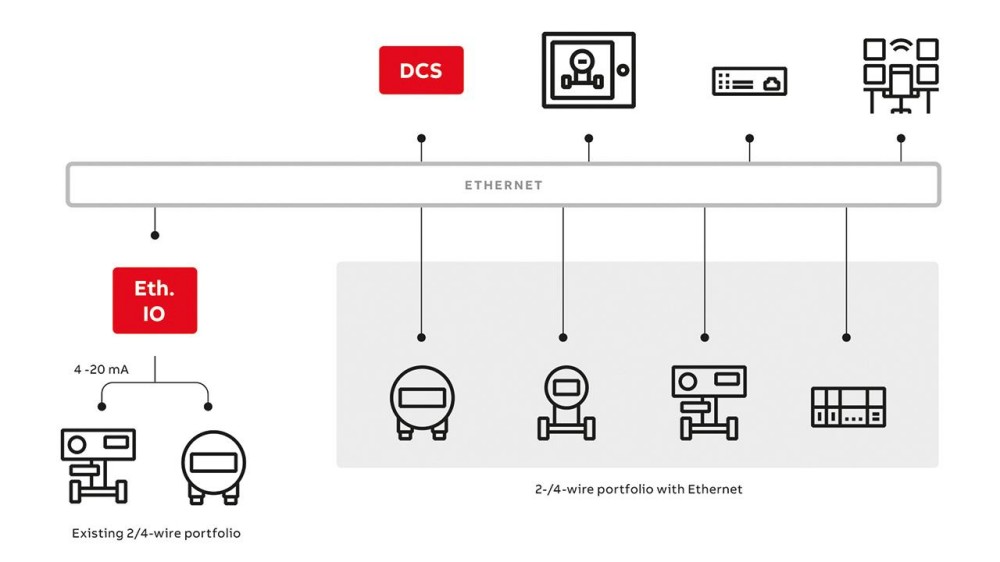 ABB And Boliden Advance DCS Modernization With Ethernet-APL Industrial Automation
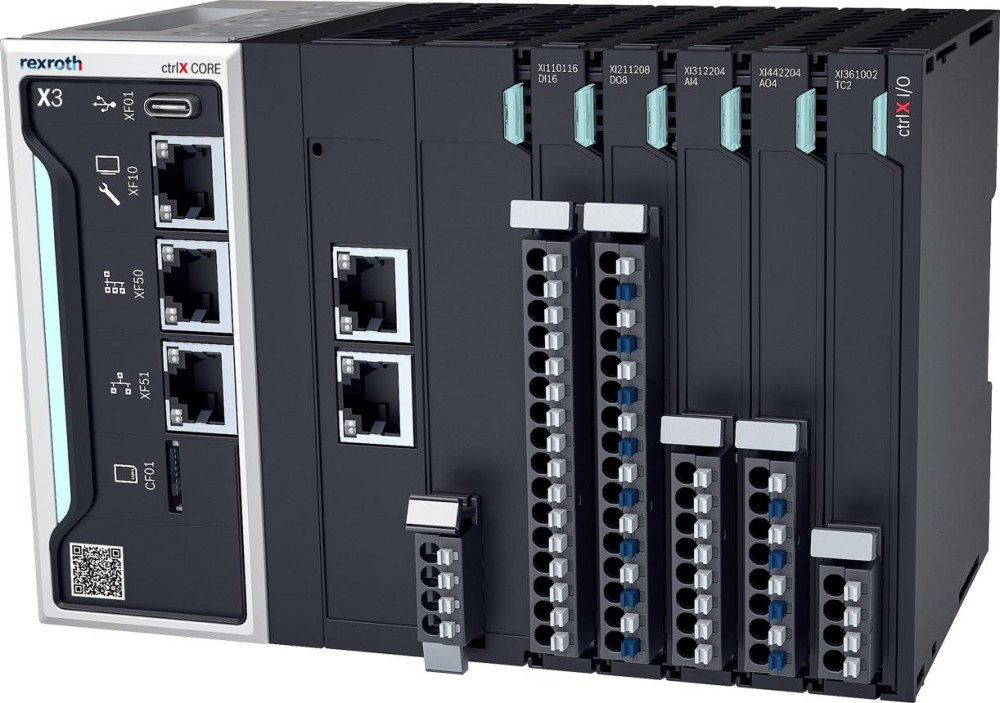 Bosch Rexroth Expands ctrlX AUTOMATION With New Safety PLC, Drive And Software Features