100% Original, Ready to Ship!

AI-Powered Robots Demonstrate The Future Of Industrial Automation In Europe
Artificial intelligence and robotics are moving closer to industrial applications as European researchers and technology companies demonstrate new generations of AI-powered robots. In September 2026, the European Parliament in Brussels hosted an event featuring advanced robots designed to demonstrate applications in logistics, manufacturing, and other real-world environments.
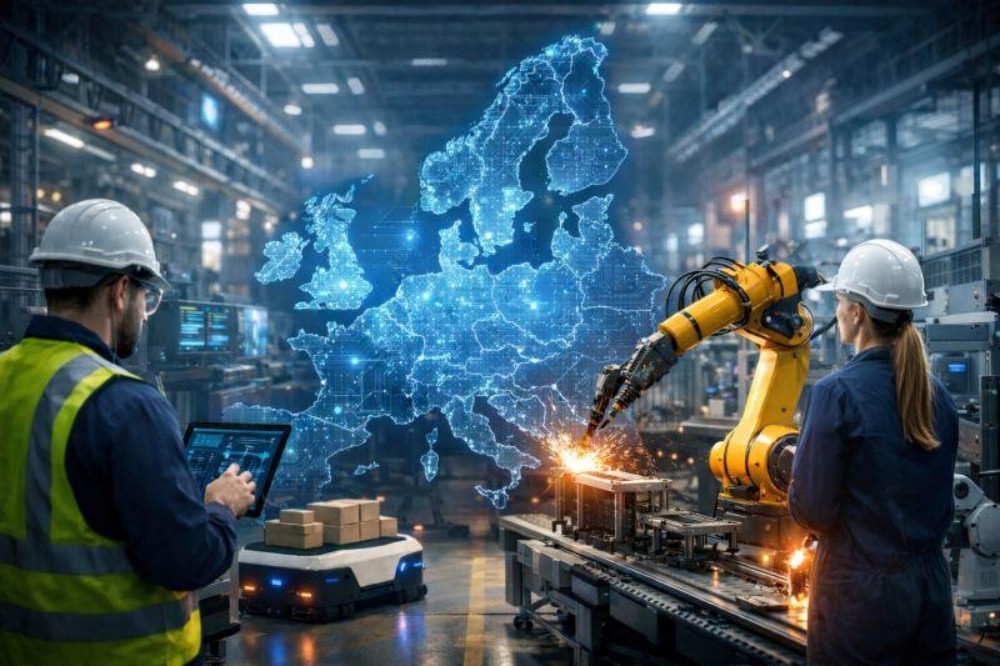
The event highlighted the growing connection between artificial intelligence and physical automation. Unlike traditional industrial robots that normally operate according to carefully programmed routines, AI-powered robots are being developed to perceive their surroundings, interpret changing conditions, and adapt their actions.
For the industrial automation industry, this development could have important implications for future factory systems. Traditional PLC-based automation remains essential for deterministic control, safety functions, machine sequencing, and real-time industrial processes. However, AI technologies can potentially add a higher level of decision-making and perception.
For example, AI-enabled vision systems can help robots identify objects, recognize changes in production environments, and select appropriate actions. Combined with industrial robots, sensors, edge computing, PLC controllers, and industrial networks, these technologies could create more flexible manufacturing systems.
The European event also emphasized the concept of physical AI, in which artificial intelligence interacts directly with the physical world. European policymakers and technology organizations are increasingly examining AI-powered robotics as an important technology for strengthening industrial competitiveness and technological capabilities.
One of the most important potential applications is flexible manufacturing. Traditional automation systems are highly effective when products and processes remain stable. However, factories producing multiple product variants may require frequent machine reconfiguration. Robots with improved perception and AI-based decision-making could potentially handle a wider range of tasks without extensive manual reprogramming.
Workforce shortages are another factor driving interest in robotics. Europe faces an ageing population and a shrinking workforce in several industries. Automated systems could help manufacturers address labor shortages by taking over repetitive, physically demanding, or difficult tasks while allowing human workers to focus on supervision, maintenance, engineering, and higher-value activities.
However, AI-powered robotics is still developing. Many advanced humanoid and intelligent robot systems remain experimental, and industrial deployment requires high levels of safety, reliability, repeatability, cybersecurity, and integration with existing control systems.
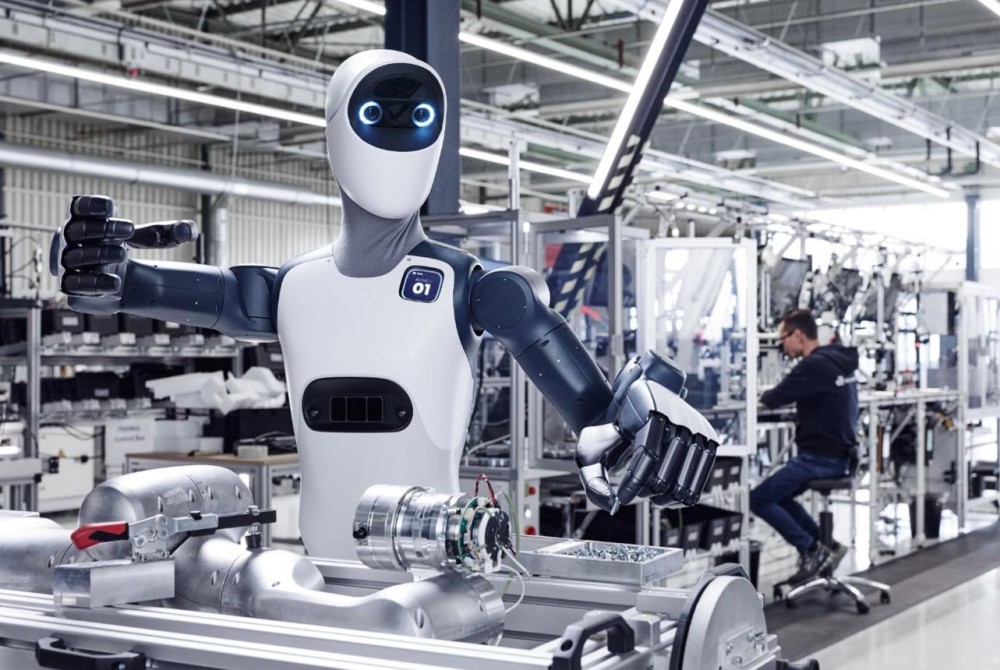
For PLC, DCS, SCADA, robotics, and industrial automation professionals, the direction is nevertheless significant. The future factory is likely to combine deterministic control with AI-based perception and optimization rather than replacing conventional automation entirely.
As AI, robotics, sensors, industrial networking, and edge computing continue to converge, manufacturers are likely to explore new ways of creating flexible and intelligent production systems.
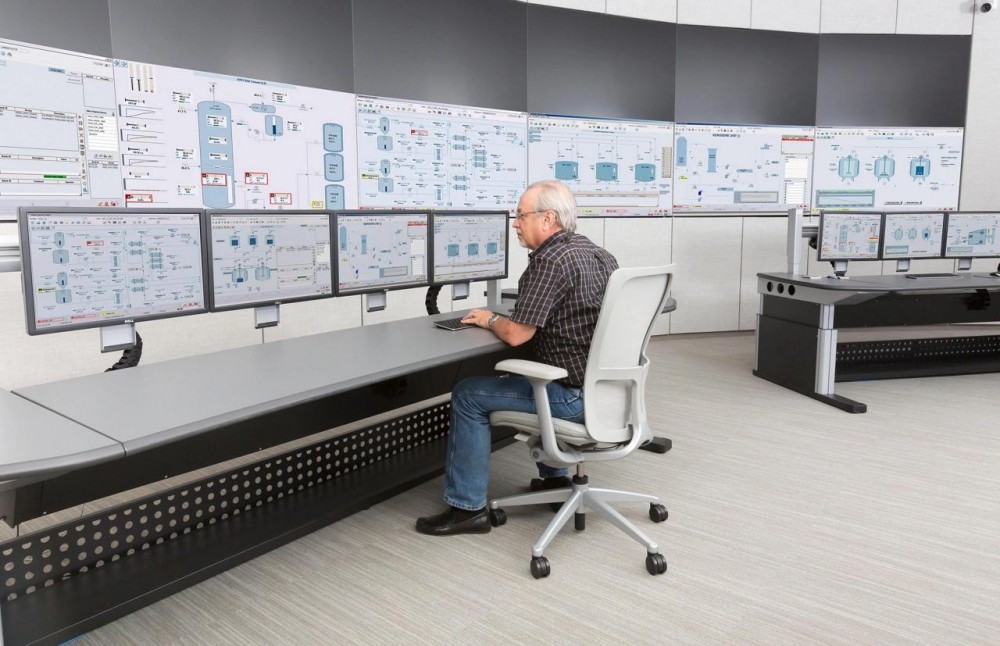 Schneider Electric Launches Foxboro Software-Defined DCS To Advance Industrial Automation
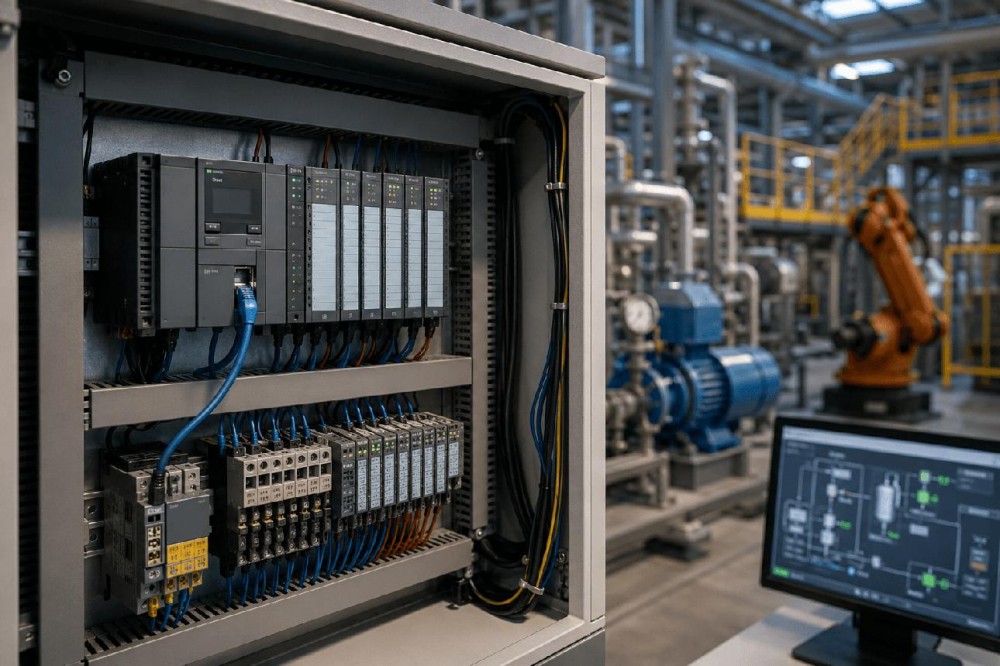 Rockwell Automation Introduces FactoryTalk Conductor: A New AI Platform For Industrial Automation
 Rockwell Automation Expands Industrial AI Capabilities With NVIDIA Nemotron Support
 Rockwell Automation Introduces FactoryTalk Conductor To Advance AI-Driven Industrial Automation