100% Original, Ready to Ship!

Schneider Electric Launches Foxboro Software-Defined DCS To Advance Industrial Automation
Schneider Electric announced EcoStruxure™ Foxboro Software Defined Automation (SDA) on September 2, 2026, introducing an open, software-defined distributed control system (DCS) designed to support the modernization of industrial process control. The new architecture combines Foxboro’s established process automation capabilities with a more flexible approach to software deployment, cybersecurity, and industrial system integration.
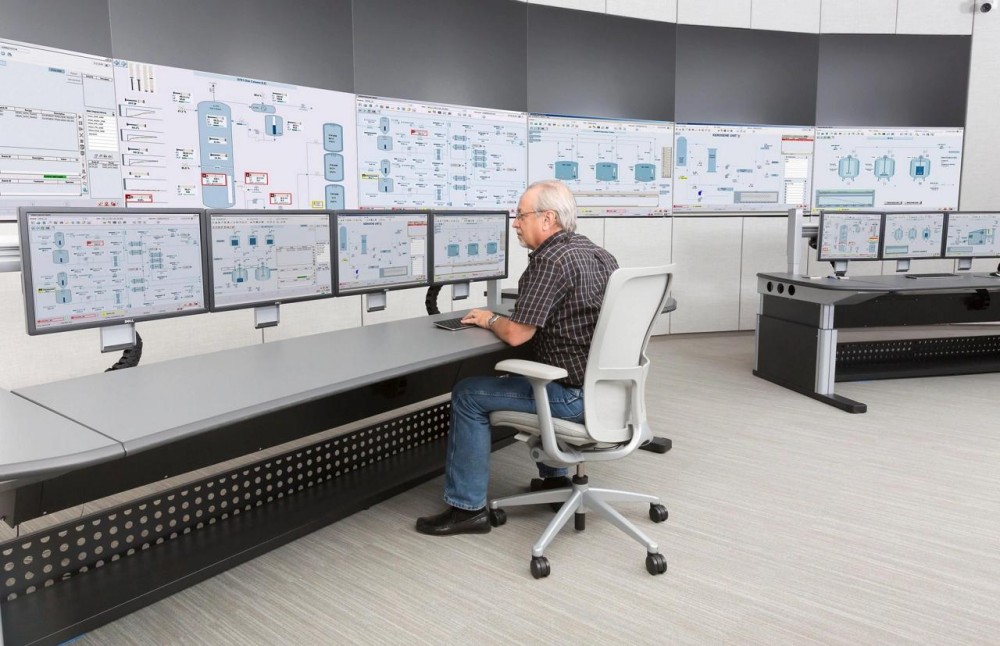
Software-Defined Automation Creates New Opportunities for DCS Modernization
Industrial facilities increasingly face challenges associated with aging control systems, rising maintenance costs, and the need to integrate new digital technologies. Traditional automation architectures can make upgrades complex, particularly when software is closely tied to specific hardware platforms.
Foxboro SDA addresses these challenges by separating software from hardware, enabling a more flexible approach to system configuration and modernization. According to Schneider Electric, the architecture is designed to help manufacturers protect existing investments while adopting new capabilities with less disruption to ongoing operations.
For process industries such as chemicals, energy, water treatment, and manufacturing, this approach could provide additional flexibility when planning control system upgrades and integrating digital applications.
Open Architecture and Industrial Cybersecurity
A key feature of Foxboro SDA is its emphasis on openness and interoperability. The platform is designed to support integration between industrial automation technologies and digital applications, helping connect operational technology (OT) with information technology (IT).
Schneider Electric also highlights cybersecurity built into the system’s design, including alignment with IEC 62443-3-3 requirements. This is particularly relevant for industrial facilities where reliable process control, network security, and operational continuity are essential.
By supporting a more modular architecture, software-defined automation may also help engineering teams adapt system configurations to different plant requirements. However, compatibility, migration procedures, and security controls must be evaluated for each installation before deployment.
Implications for PLC, DCS, and SCADA Systems
The development of software-defined automation reflects a broader shift in industrial control system design. Rather than relying exclusively on fixed hardware configurations, manufacturers are exploring architectures that make it easier to integrate software, analytics, and advanced digital technologies.
DCS platforms remain essential for coordinating complex continuous processes, while PLCs continue to provide reliable machine-level and equipment-level control. SCADA systems support supervisory monitoring, data acquisition, and operational visibility across distributed facilities.
These technologies serve different but complementary purposes. Their effective integration can help manufacturers improve process visibility, simplify maintenance planning, and establish a foundation for future digital transformation initiatives.
What Industrial Buyers Should Consider
For plant operators, system integrators, and industrial automation buyers, software-defined DCS technology presents an opportunity to reassess long-term modernization strategies. Before selecting a new architecture, organizations should evaluate existing controller compatibility, engineering requirements, cybersecurity policies, lifecycle costs, and the availability of technical support.
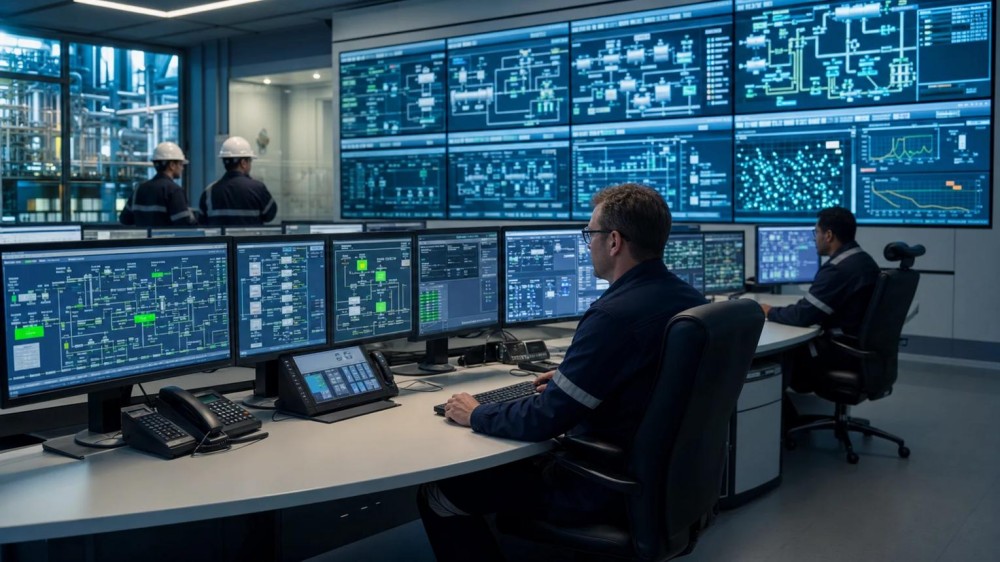
Schneider Electric’s Foxboro SDA announcement highlights the growing importance of open, flexible, and security-conscious automation systems. As industrial facilities continue modernizing their control infrastructure, interoperability and lifecycle management will remain important considerations in building reliable, future-ready production environments.
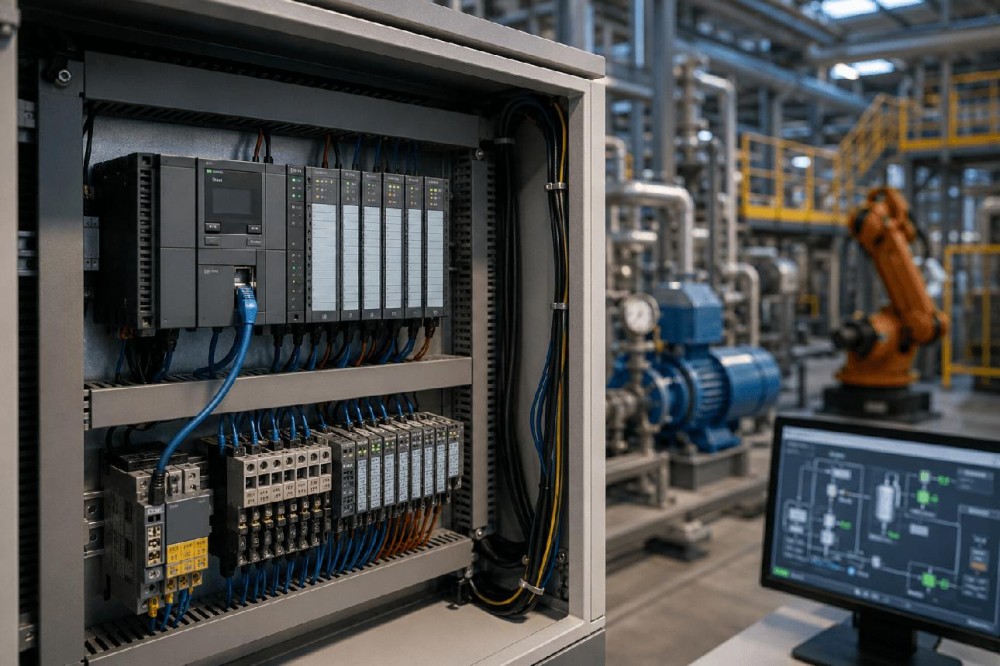 Rockwell Automation Introduces FactoryTalk Conductor: A New AI Platform For Industrial Automation
 Rockwell Automation Expands Industrial AI Capabilities With NVIDIA Nemotron Support
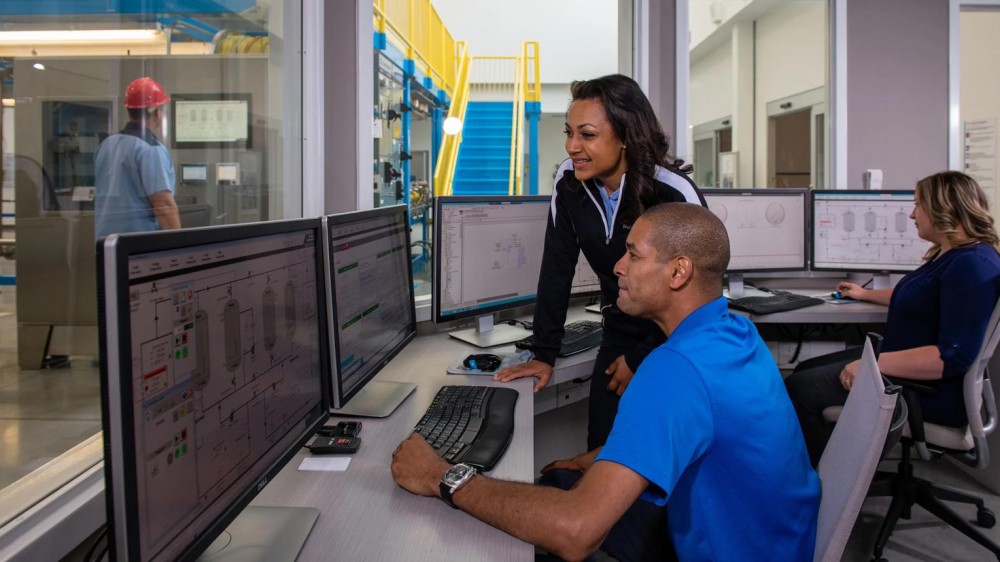 Rockwell Automation Introduces FactoryTalk Conductor To Advance AI-Driven Industrial Automation
 ABB And Boliden Advance DCS Modernization With Ethernet-APL Industrial Automation