100% Original, Ready to Ship!

ABB And Boliden Advance DCS Modernization With Ethernet-APL Industrial Automation
ABB and Boliden Kokkola have successfully deployed Ethernet-APL instrumentation at the Kokkola zinc production plant in Finland, connecting modern field devices to the existing ABB Ability System 800xA distributed control system (DCS). The project demonstrates how process industries can introduce new industrial communication technologies while retaining established automation infrastructure.
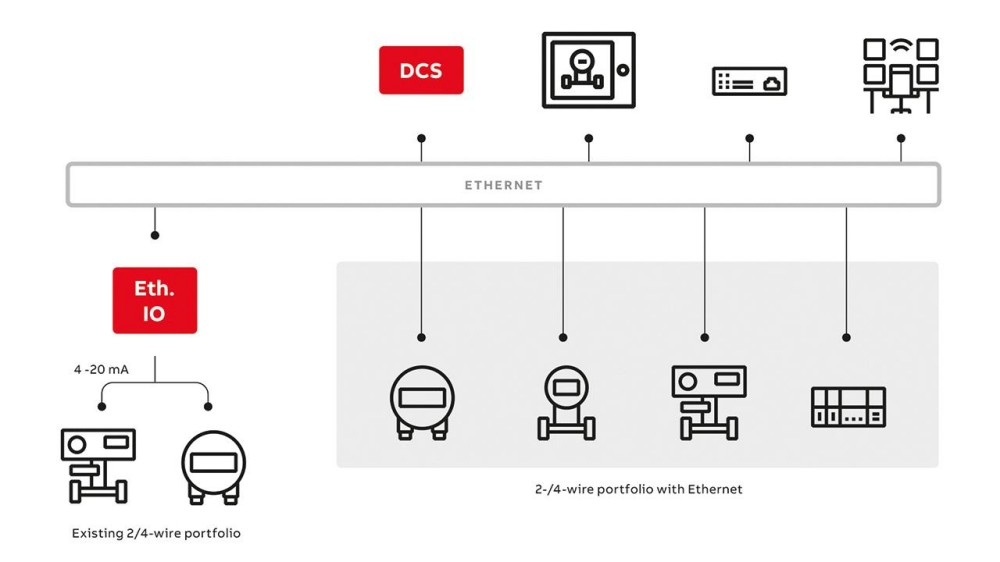
The development is particularly relevant to manufacturers seeking better field-device visibility, improved diagnostics, and more efficient maintenance without undertaking a complete control system replacement.
Ethernet-APL Brings Industrial Ethernet Closer to Field Devices
Ethernet-APL, short for Advanced Physical Layer, is an Ethernet technology developed for process automation environments. It enables Ethernet communication at the field level and is designed to support applications that require long cable distances and, with appropriate equipment, intrinsic safety in hazardous areas.
For process plants, this technology can help connect compatible instruments and provide richer access to device information. Engineers and maintenance teams can potentially use this information to investigate faults, identify abnormal conditions, and make better-informed maintenance decisions.
At the Kokkola facility, Ethernet-APL is being introduced alongside existing PROFIBUS PA instrumentation. This approach allows the plant to evaluate new connectivity while continuing to use established equipment and infrastructure where appropriate.
Integrating New Technology with an Existing DCS
ABB Ability System 800xA provides the plant’s established distributed control environment. According to the project announcement, the platform supports multiple communication technologies, including PROFIBUS and PROFINET, as well as third-party systems.
The ability to integrate new field-level communication with an existing DCS is important for industrial operators managing long equipment lifecycles. Replacing an entire control system can require extensive engineering, testing, commissioning, and production planning. A phased modernization strategy may allow individual areas to be upgraded according to operational priorities.
The project also includes a pilot of ABB Ability Field Information Manager (FIM). The tool supports centralized field-device monitoring, configuration, and diagnostics across multiple networks, providing engineers with a more unified view of connected instrumentation.
The deployment involved Pepperl+Fuchs, an industrial automation supplier with expertise in sensors and technologies for process industries.
Benefits for Maintenance and Process Operations
Better access to field-device information can help maintenance teams troubleshoot instrumentation problems more efficiently. Instead of relying exclusively on manual inspection, technicians may be able to use device diagnostics and configuration information to narrow down potential causes before visiting equipment in the field.
For facilities operating continuously, earlier identification of device issues can support maintenance planning and reduce unnecessary intervention. The actual benefits depend on the instrumentation installed, the quality of available diagnostic data, and how effectively plant teams incorporate that information into their maintenance procedures.
Ethernet-APL should not be viewed as an automatic replacement for every existing industrial network. Compatibility, hazardous-area requirements, network design, device availability, and system validation must all be assessed during engineering.
What This Means for PLC, DCS, and Instrumentation Buyers
The ABB and Boliden project highlights an important direction in industrial automation: modernizing connectivity without discarding control infrastructure that continues to perform reliably.
For plant owners and system integrators, future projects should consider Ethernet-APL compatibility, DCS integration, field-device diagnostics, network segmentation, and long-term product support. PLCs, DCS platforms, remote I/O, sensors, and industrial networks must work together within a clearly engineered architecture.
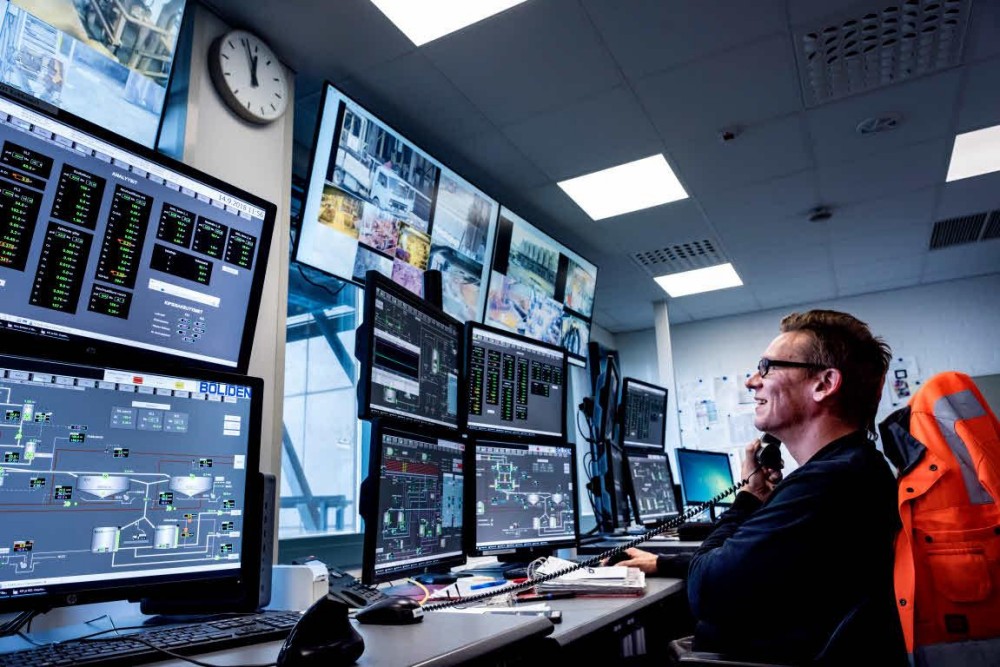
As process industries continue their digital transformation, Ethernet-APL offers another option for improving field-level connectivity and supporting data-driven maintenance. The Kokkola deployment provides a practical example of how industrial operators can evaluate this technology within an established production environment.
 Rockwell Automation Expands Industrial AI Capabilities With NVIDIA Nemotron Support
 Rockwell Automation Introduces FactoryTalk Conductor To Advance AI-Driven Industrial Automation
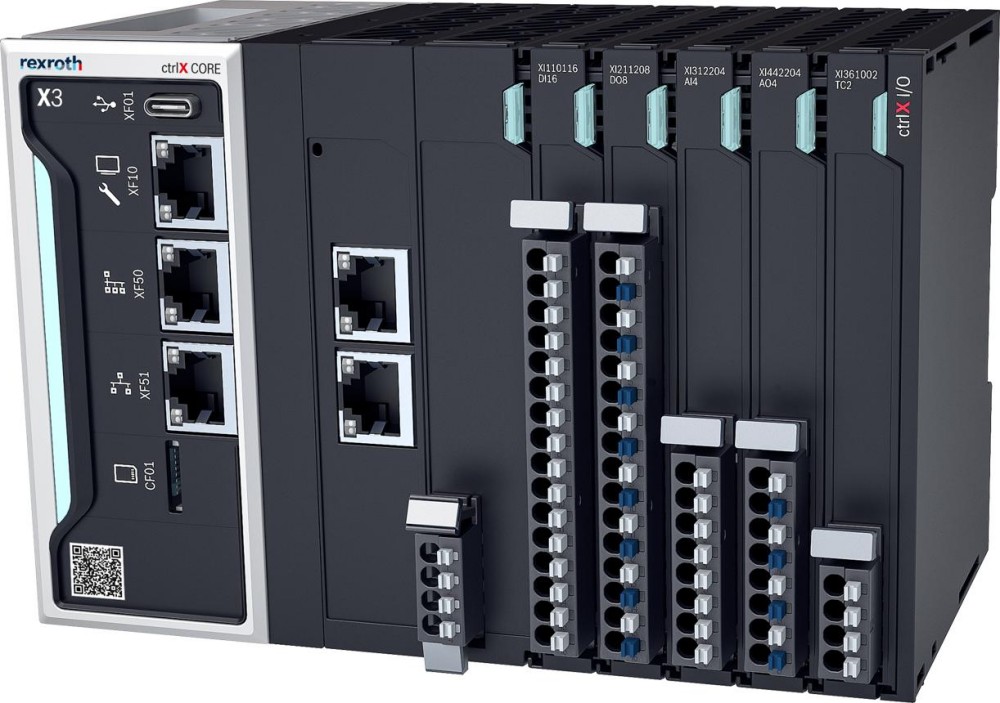 Bosch Rexroth Expands ctrlX AUTOMATION With New Safety PLC, Drive And Software Features
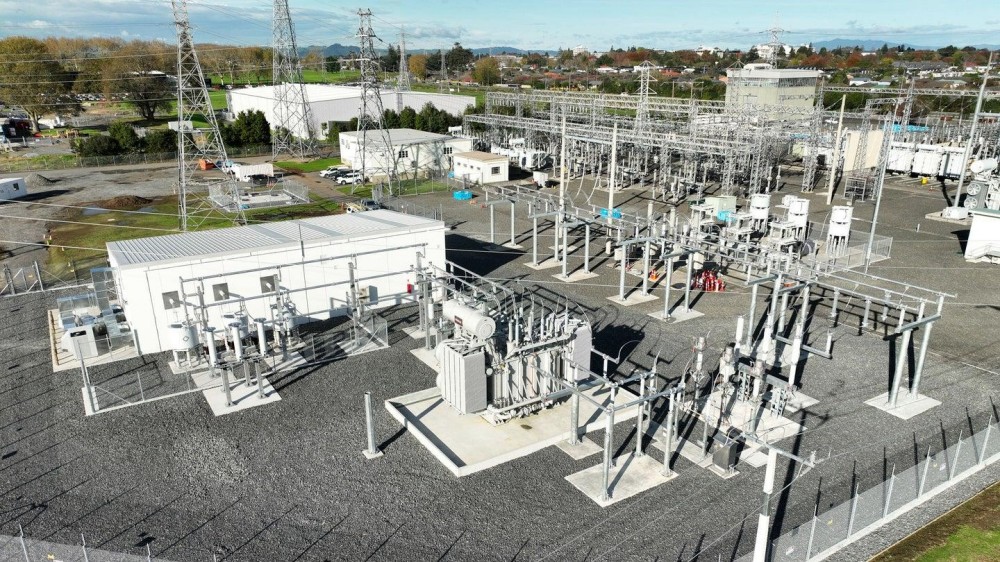 Hitachi Energy And Rockwell Automation Partner To Integrate Power And Industrial Automation