100% Original, Ready to Ship!

Hitachi Energy And Rockwell Automation Partner To Integrate Power And Industrial Automation
Hitachi Energy and Rockwell Automation have announced a collaboration to integrate electrical power infrastructure with industrial automation systems, aiming to help manufacturers and industrial operators improve efficiency, reliability, and operational coordination. The partnership introduces a grid-to-process approach that connects the systems supplying energy to industrial facilities with the control technologies managing production.
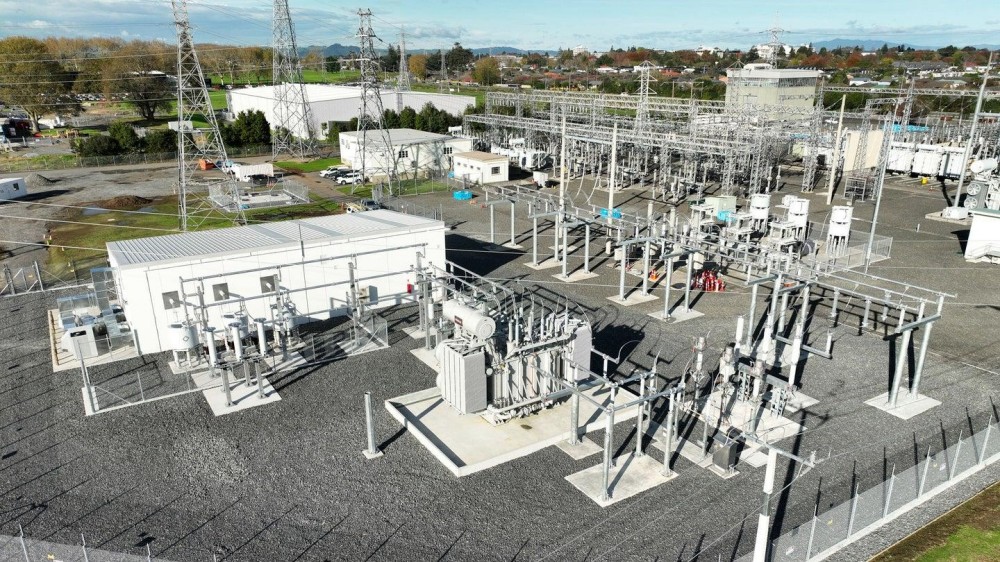
The initiative initially focuses on the mining and metals industries, where energy-intensive processes and complex production operations require reliable power, coordinated control, and effective resource management.
Connecting Electrical Infrastructure with Industrial Control
Industrial facilities traditionally manage power infrastructure and production automation through different engineering disciplines. Electrical systems handle grid connections, power quality, protection, and distribution, while automation platforms monitor equipment, coordinate production sequences, and manage process operations.
The collaboration between Hitachi Energy and Rockwell Automation aims to bring these capabilities together through a more integrated architecture. By coordinating energy infrastructure and industrial processes, operators may gain better visibility into how power availability and consumption affect production performance.
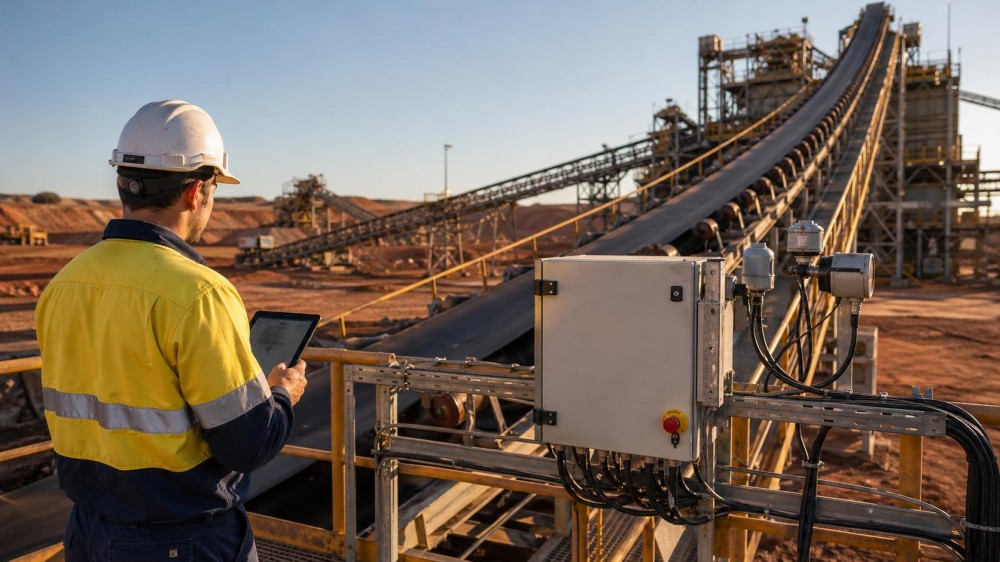
This approach is particularly relevant to mining operations, where crushing, grinding, conveying, and mineral processing can require substantial amounts of electricity. Power interruptions or unstable electrical conditions can disrupt production, affect equipment utilization, and increase operating costs.
Integrating electrical engineering with process automation can help project teams coordinate system design earlier and improve communication between power and production specialists.
The Role of PLC, DCS, and Industrial Software
Programmable logic controllers (PLCs) remain essential for machine-level control, equipment sequencing, and industrial input/output management. Distributed control systems (DCS) are widely used to coordinate continuous processes, manage alarms, and provide operators with centralized process visibility.
When these systems are integrated with electrical infrastructure and energy management technologies, industrial operators can develop a more comprehensive view of facility performance.
For example, a mining operation may combine PLC-controlled conveyors, process control systems, motor drives, electrical protection equipment, and plant monitoring software. Coordinated information exchange can help engineering teams investigate production bottlenecks, understand energy consumption, and plan maintenance more effectively.
However, successful integration depends on compatible communications interfaces, reliable data exchange, suitable network architecture, and clearly defined control responsibilities. Existing PLC and DCS systems do not automatically become interoperable simply because an integrated architecture is proposed.
Supporting Industrial Electrification and Digital Transformation
The partnership comes as energy-intensive industries face growing pressure to expand capacity, improve energy efficiency, and reduce environmental impact. Electrification is becoming an increasingly important part of industrial modernization, but adding electrical capacity alone does not guarantee better production performance.
Industrial companies also need to coordinate power availability, equipment demand, process requirements, and operational planning. Combining expertise in electrification and automation could help address these interconnected engineering challenges.
The companies have indicated that their collaboration will explore solution development, customer engagement, and selected industrial applications. Although mining and metals are the initial priorities, the approach may also have relevance for other energy-intensive sectors.
What Industrial Automation Buyers Should Consider
For plant owners and system integrators, integrated power and automation projects require careful evaluation of controller compatibility, industrial Ethernet connectivity, electrical protection, system redundancy, cybersecurity, and lifecycle support.
Project teams should also establish how energy data will be collected, displayed, and used without compromising critical control functions. Clear separation between monitoring, supervisory optimization, and safety-related functions is important when designing reliable industrial systems.
The Hitachi Energy and Rockwell Automation collaboration highlights the growing importance of connecting electrical infrastructure with PLC, DCS, and digital automation platforms. As industrial facilities become more electrified and data-driven, coordinated power and process engineering may become an increasingly valuable part of modern industrial automation.
 Rockwell Automation Expands Industrial AI Capabilities With NVIDIA Nemotron Support
 Rockwell Automation Introduces FactoryTalk Conductor To Advance AI-Driven Industrial Automation
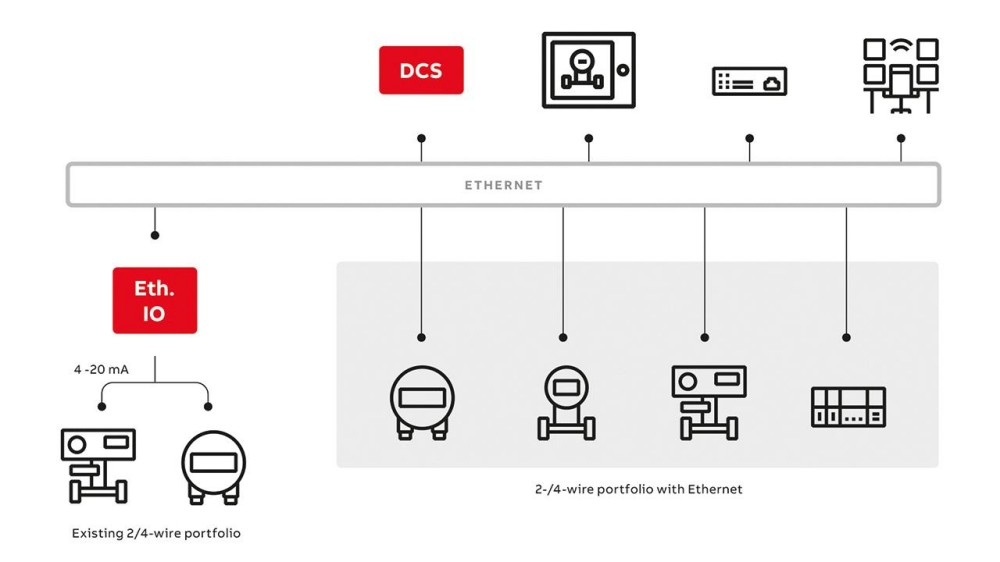 ABB And Boliden Advance DCS Modernization With Ethernet-APL Industrial Automation
 Bosch Rexroth Expands ctrlX AUTOMATION With New Safety PLC, Drive And Software Features