100% Original, Ready to Ship!

Rockwell Automation Expands Industrial AI Capabilities With NVIDIA Nemotron Support
Rockwell Automation has announced support for NVIDIA Nemotron open models within FactoryTalk® Conductor™, its AI-native orchestration platform for industrial automation. The development gives manufacturers another option for deploying artificial intelligence across engineering workflows while maintaining greater control over their data, infrastructure, and AI model choices.
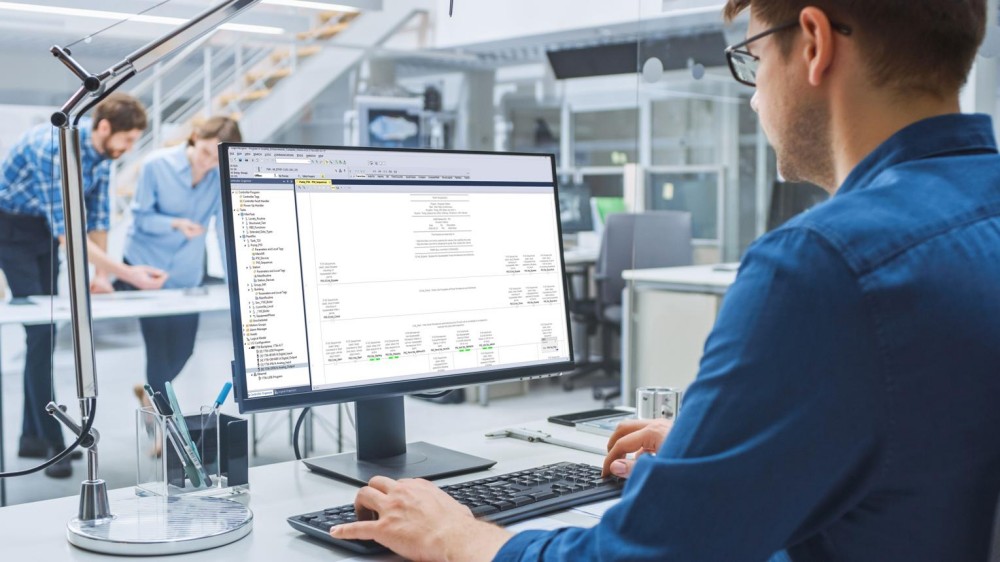
The announcement comes as manufacturers explore ways to move beyond isolated AI assistants toward coordinated digital workflows that connect engineering software, industrial knowledge, and operational processes. For companies operating PLC-based production lines, complex control systems, and digitally connected factories, this development highlights the growing role of AI in industrial engineering.
Bringing AI Orchestration into Industrial Automation
FactoryTalk Conductor is designed to coordinate AI agents, specialized capabilities, software applications, and workflows across the industrial automation lifecycle. Instead of using AI only to answer individual questions, engineers can initiate tasks through natural-language interactions and connect the software tools needed to complete more complex activities.
Rockwell Automation says the platform combines its verified agents and skills with the flexibility to use supported AI models. Adding NVIDIA Nemotron support expands the available deployment options for organizations that want to incorporate open models into their automation engineering environments.
This approach could be relevant to tasks such as engineering assistance, software development support, project documentation, and testing workflows. The actual capabilities available will depend on the implemented integrations, model configuration, and customer-specific engineering processes.
Greater Flexibility for Industrial Data and AI Deployment
Manufacturers often handle sensitive information, including machine configurations, production data, engineering standards, and equipment documentation. As AI adoption increases, organizations must consider where this information is processed, who can access it, and how AI services fit existing IT and operational technology policies.
According to Rockwell Automation, support for NVIDIA Nemotron open models provides additional flexibility for customers seeking greater control over AI infrastructure and model management. Organizations may evaluate deployment options that better align with internal data governance, security requirements, and cost objectives.
However, using an open model does not automatically guarantee data privacy or cybersecurity. Companies still need to assess hosting arrangements, access permissions, network boundaries, model behavior, and applicable licensing requirements before deployment.
What This Means for PLC and DCS Engineers
Industrial automation projects depend on reliable engineering processes, validated control logic, and carefully managed changes. AI orchestration may help teams navigate software tools and accelerate selected engineering activities, but it does not remove the need for technical review, simulation, testing, and formal approval.
For PLC engineers, AI-assisted workflows may eventually help with repetitive documentation, code review support, troubleshooting information retrieval, and development tasks. In DCS environments, similar approaches may support engineering knowledge management and lifecycle documentation. These are potential application areas rather than guaranteed outcomes for every installation.
Critical control functions must continue to meet their required performance, reliability, and safety criteria. Engineers should independently verify AI-generated outputs before applying them to live industrial systems.
A Practical Step Toward AI-Enabled Manufacturing
For manufacturers considering industrial AI, the most effective starting point is a clearly defined engineering challenge. Organizations should evaluate integration compatibility, data governance, cybersecurity, human oversight, and measurable performance targets before expanding deployments.
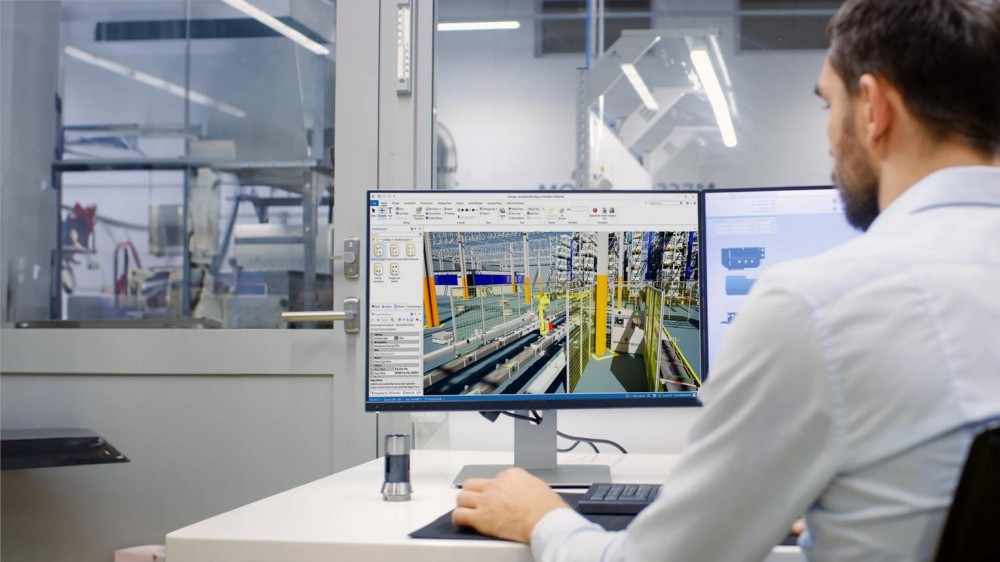
Rockwell Automation’s expanded FactoryTalk Conductor model support reflects a wider trend toward more flexible AI infrastructure in industrial automation. As factories connect engineering software, control systems, and digital workflows, AI orchestration may become an increasingly important tool for improving engineering productivity while keeping technical accountability with qualified personnel.
 Rockwell Automation Introduces FactoryTalk Conductor To Advance AI-Driven Industrial Automation
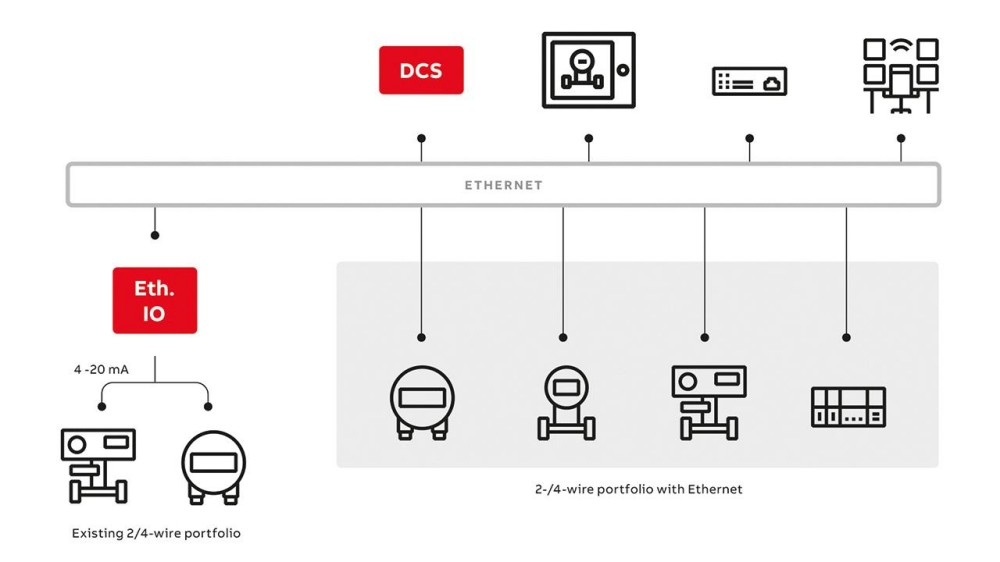 ABB And Boliden Advance DCS Modernization With Ethernet-APL Industrial Automation
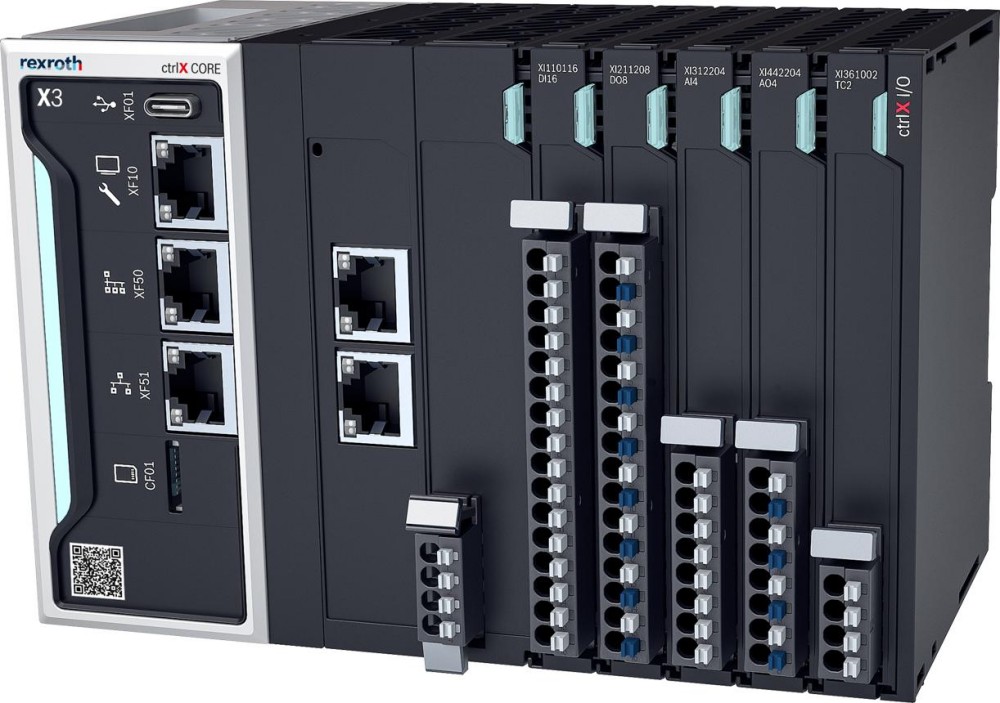 Bosch Rexroth Expands ctrlX AUTOMATION With New Safety PLC, Drive And Software Features
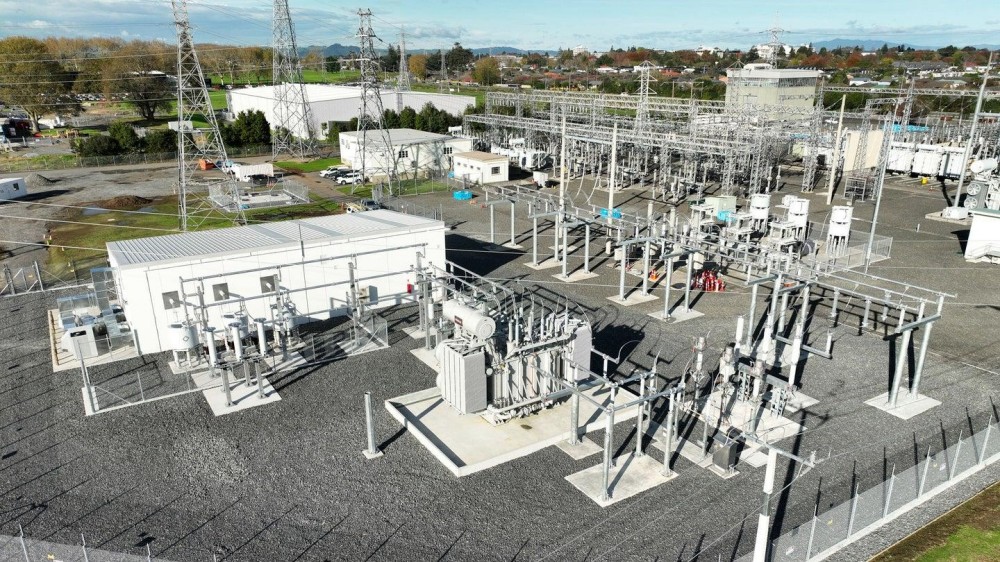 Hitachi Energy And Rockwell Automation Partner To Integrate Power And Industrial Automation