100% Original, Ready to Ship!

Rockwell Automation Introduces FactoryTalk Conductor: A New AI Platform For Industrial Automation
Rockwell Automation has announced FactoryTalk® Conductor™, an AI-native orchestration platform designed to connect artificial intelligence agents, engineering software, and industrial workflows across the automation lifecycle. Announced on October 21, 2026, the platform represents a new development in the integration of AI with industrial automation engineering, system design, testing, and maintenance.
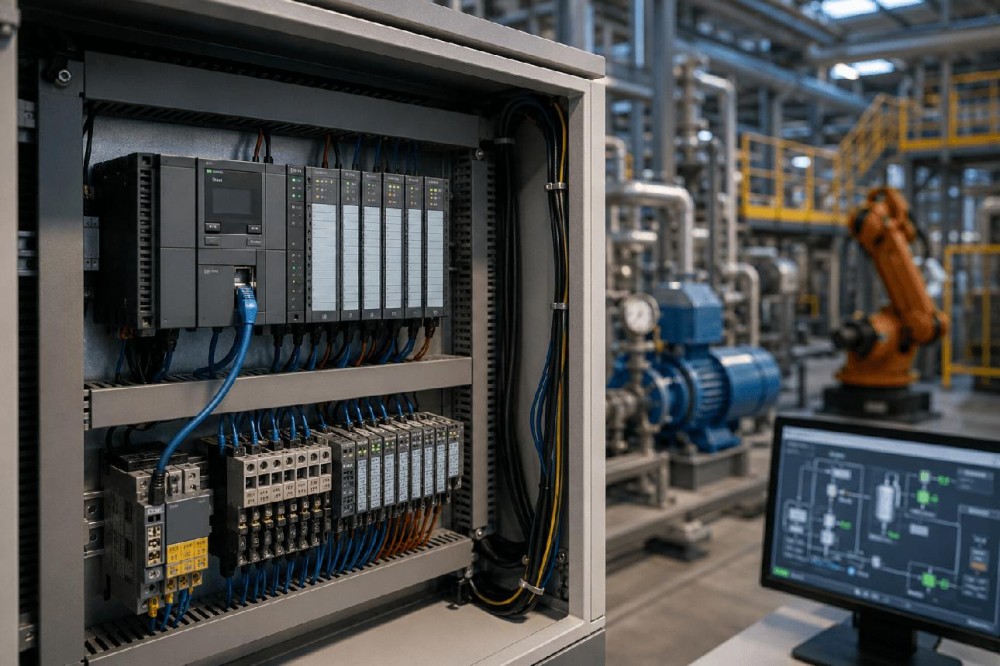
Connecting AI with Industrial Automation Workflows
As manufacturers pursue smarter production systems, industrial automation is expanding beyond traditional programmable logic controllers (PLCs), human-machine interfaces (HMIs), and supervisory control and data acquisition (SCADA) systems. Manufacturers increasingly need tools that connect engineering applications, operational data, and technical expertise while maintaining established industrial standards.
FactoryTalk Conductor is designed to address this challenge by coordinating AI-powered tasks across compatible software applications. Rather than focusing exclusively on answering individual questions, the platform aims to connect multiple AI agents and workflows to support more complex engineering activities.
According to Rockwell Automation, users will be able to initiate engineering tasks through natural-language interactions. The platform will then coordinate the software tools and AI capabilities required to carry out supported workflows.
Integration with PLC Programming and Simulation Software
At its planned initial launch, FactoryTalk Conductor is designed to integrate with several Rockwell Automation software products, including Studio 5000 Logix Designer, Logix Echo, Emulate3D, and FactoryTalk Optix.
These integrations cover important stages of industrial automation projects, including controller programming, virtual controller testing, manufacturing simulation, and HMI application development.
For PLC engineers and system integrators, this approach could help streamline repetitive engineering activities and improve coordination between design, development, and verification tasks. Simulation and testing workflows may also benefit from closer integration between engineering tools, potentially helping teams identify issues before equipment is commissioned.
However, the practical benefits will depend on the supported workflows, project requirements, and validation procedures adopted by each organization.
AI Adoption Requires Security and Engineering Governance
The introduction of AI into industrial environments also raises important questions about cybersecurity, intellectual property, engineering accountability, and operational reliability.
Rockwell Automation states that FactoryTalk Conductor is designed to support enterprise AI governance and different model deployment preferences, including hosted AI services and locally hosted models. The company also highlights verified AI agents and skills intended to bring industrial expertise into engineering workflows.
For facilities operating critical processes, AI-generated recommendations and engineering changes still require appropriate review, testing, and authorization. Safety interlocks, controller logic, network security, and change-management procedures must remain subject to established engineering controls.
AI should complement the expertise of automation engineers rather than replace the verification processes required for reliable industrial operations.
Planned Availability and Industry Outlook
Rockwell Automation plans to demonstrate FactoryTalk Conductor at Automation Fair 2026 in Boston, with commercial availability expected in the first quarter of 2027.
The announcement reflects a broader industrial trend: AI is moving from isolated assistance tools toward coordinated workflows that connect engineering applications, simulation environments, and operational technologies.
For manufacturers, system integrators, and industrial automation professionals, the key question will be how effectively these capabilities translate into measurable improvements in engineering productivity, commissioning efficiency, and system lifecycle management.
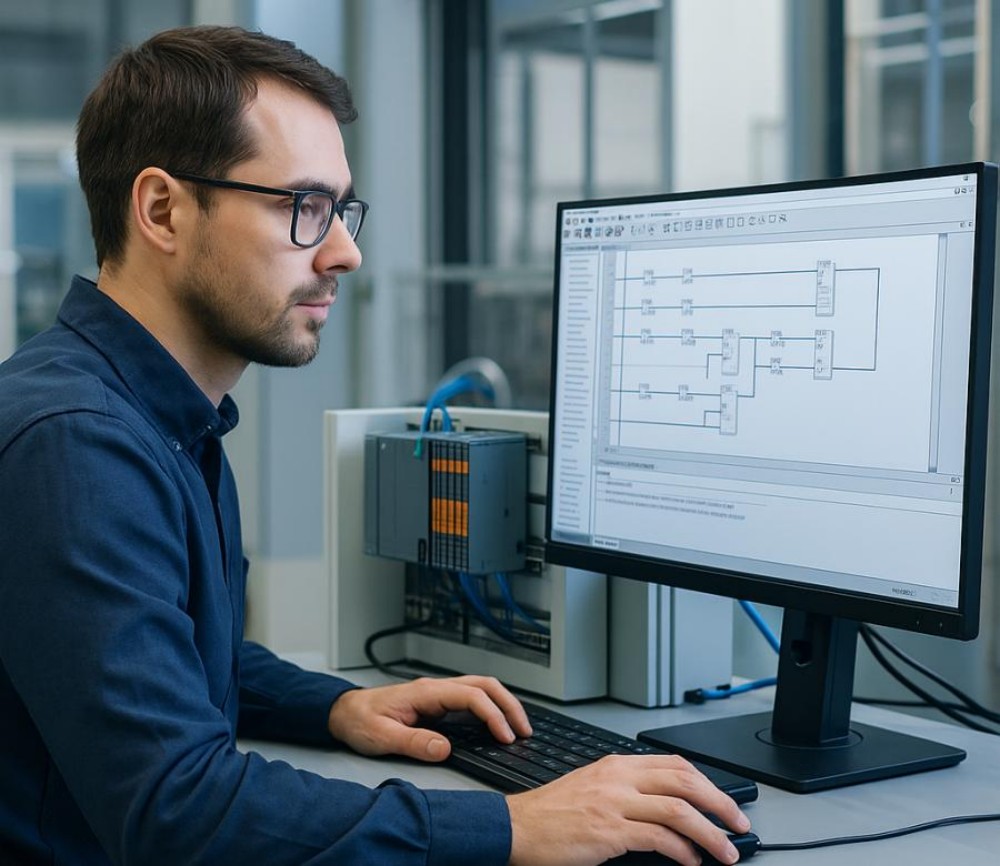
As AI-enabled engineering develops, PLCs, DCS platforms, industrial networks, and control-system software will continue to provide the essential foundation for dependable production. Combining these established technologies with carefully governed AI workflows could create new opportunities for more efficient and flexible manufacturing.
 Rockwell Automation Expands Industrial AI Capabilities With NVIDIA Nemotron Support
 Rockwell Automation Introduces FactoryTalk Conductor To Advance AI-Driven Industrial Automation
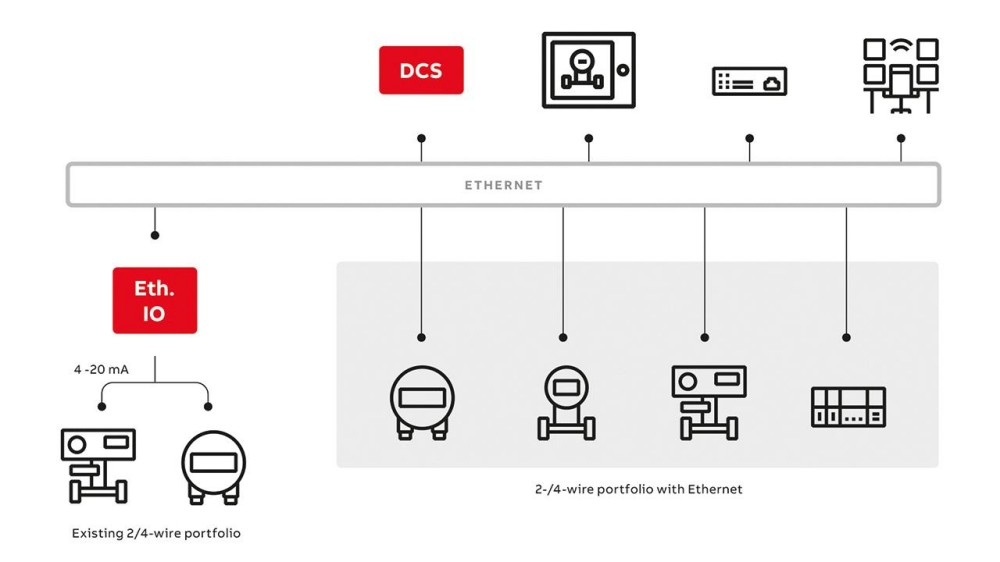 ABB And Boliden Advance DCS Modernization With Ethernet-APL Industrial Automation
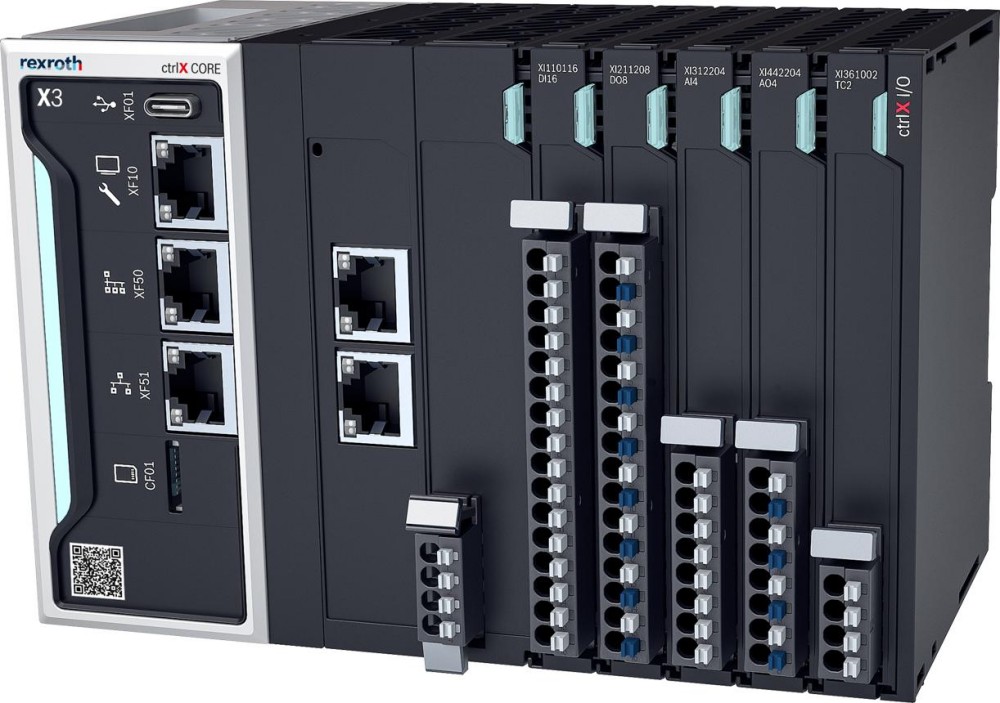 Bosch Rexroth Expands ctrlX AUTOMATION With New Safety PLC, Drive And Software Features