100% Original, Ready to Ship!

ABB Divests Robotics Business In $38.2 Billion Deal, Reshaping Global Industrial Automation Landscape
In a major development that is set to reshape the global industrial automation sector, ABB has announced the divestment of its robotics business in a transaction valued at approximately 38.2 billion (in local currency equivalent), sparking strong reactions across the industrial equipment and smart manufacturing markets.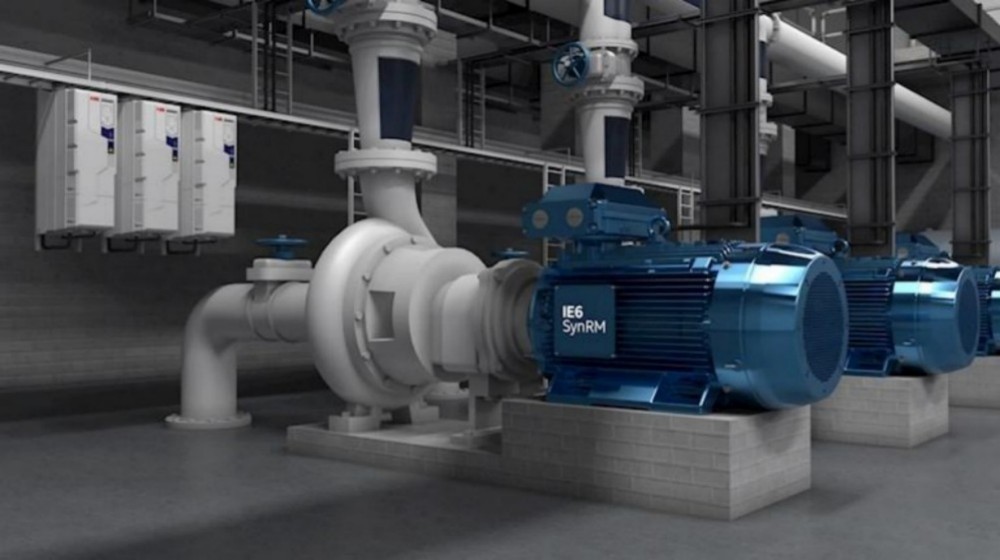
The deal marks one of the most significant strategic shifts in ABB’s recent history, as the company continues to streamline its portfolio and focus on high-growth areas such as electrification, process automation, and digital energy solutions. The robotics division, long regarded as one of ABB’s flagship industrial segments, has been a key player in global factory automation, automotive production lines, and advanced manufacturing systems.
Strategic Shift Toward Core Industrial Automation
According to industry analysts, ABB’s decision reflects a broader trend among global industrial conglomerates to optimize portfolios and unlock shareholder value through targeted divestments. By exiting the robotics segment, ABB is expected to strengthen its balance sheet and accelerate investments in grid infrastructure, electrification technologies, and AI-driven industrial solutions.
The robotics business has been a cornerstone of ABB’s innovation strategy for decades, offering advanced robotic arms, collaborative robots (cobots), and integrated automation systems widely used in automotive, electronics, logistics, and metal processing industries. Its exit from this segment signals a notable restructuring of its long-term industrial positioning.
Market Reaction And Industry Impact
The announcement has already stirred significant activity in global financial and industrial markets. Investors are closely evaluating the implications for supply chains, automation integrators, and OEM partners that have traditionally relied on ABB’s robotics portfolio.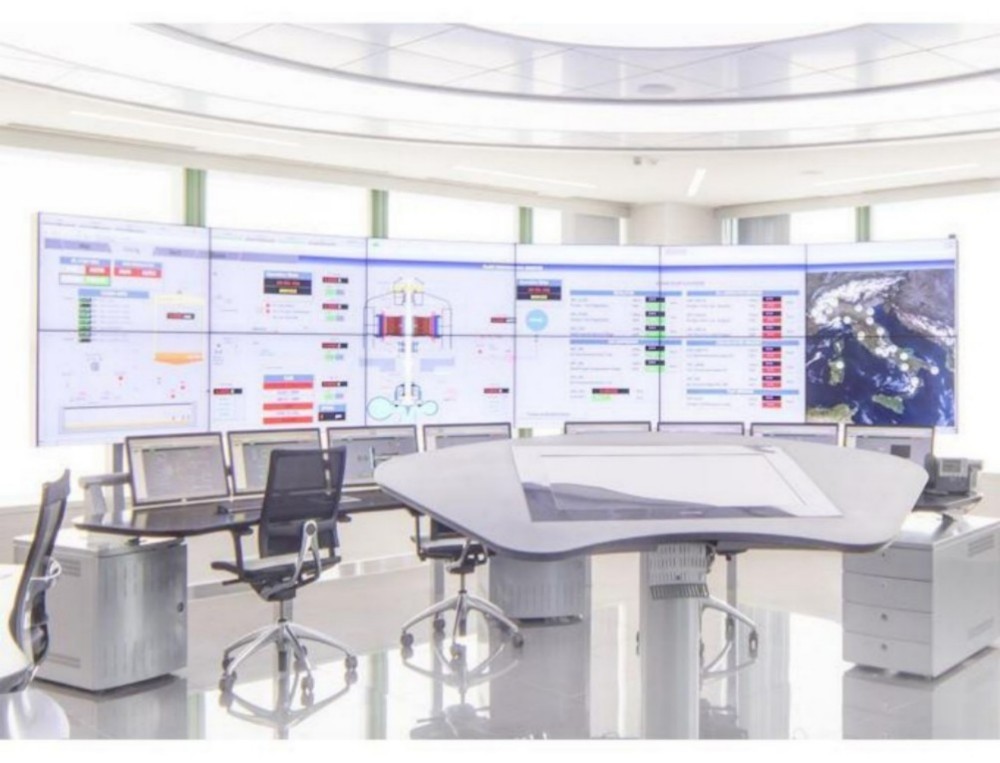
Competitors in the industrial robotics space, including other major automation players, are expected to reassess their market strategies in light of the acquisition. The deal may also accelerate consolidation within the robotics and smart manufacturing ecosystem, particularly as demand for AI-enabled production systems continues to grow.
Implications For Industrial Automation And Smart Manufacturing
From an industrial perspective, the transaction underscores the ongoing transformation of manufacturing technologies. The robotics sector is increasingly driven by artificial intelligence, machine vision, edge computing, and IIoT (Industrial Internet of Things) integration.
For system integrators and industrial end-users, the transition raises key questions about product continuity, long-term service support, and platform compatibility. However, analysts suggest that the underlying technology base of ABB Robotics is expected to remain intact under new ownership, ensuring continuity in critical industrial applications.
Outlook
As the deal progresses toward completion, the industrial automation industry is expected to undergo a period of adjustment. The divestment not only redefines ABB’s strategic direction but also highlights the increasing value of robotics as a standalone high-growth asset class within global manufacturing technology.
With global demand for automation continuing to rise, driven by labor shortages and supply chain optimization needs, the impact of this transaction will likely extend far beyond ABB’s immediate corporate structure, influencing investment patterns and technology development across the entire industrial sector.
 Rockwell Automation Expands Industrial AI Capabilities With NVIDIA Nemotron Support
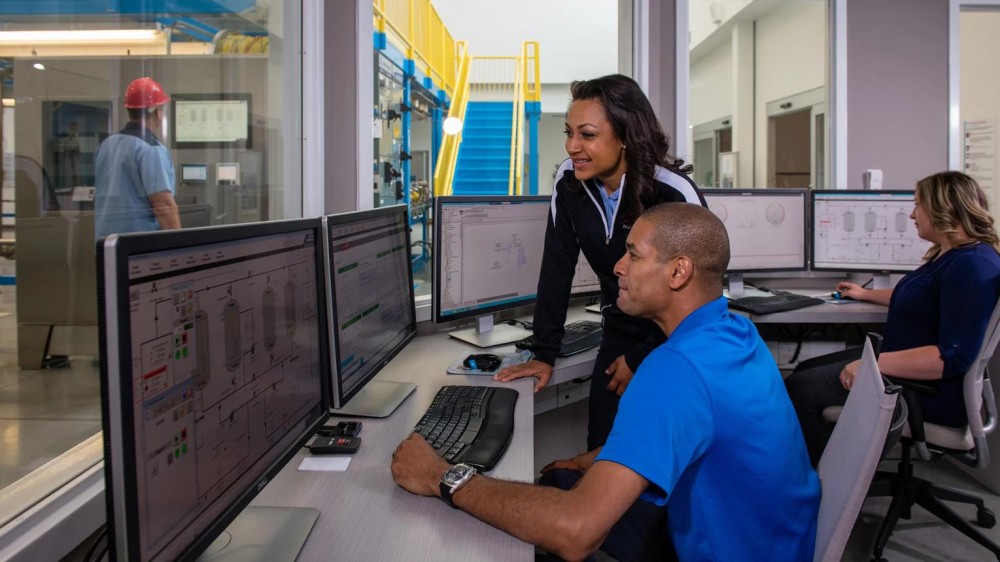 Rockwell Automation Introduces FactoryTalk Conductor To Advance AI-Driven Industrial Automation
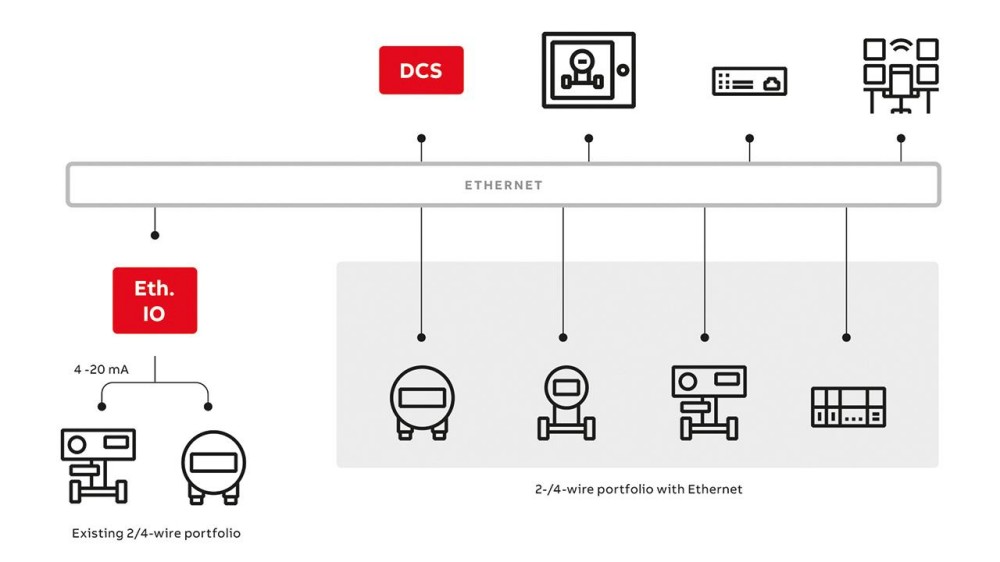 ABB And Boliden Advance DCS Modernization With Ethernet-APL Industrial Automation
 Bosch Rexroth Expands ctrlX AUTOMATION With New Safety PLC, Drive And Software Features