100% Original, Ready to Ship!

PLC And DCS Integration Becomes Key Technology Trend For Next Generation Industrial Automation Systems
The integration between PLC and DCS technologies has become a major trend in the development of modern industrial automation systems. As factories demand greater flexibility, connectivity, and real-time information management, traditional control system boundaries are becoming less obvious.
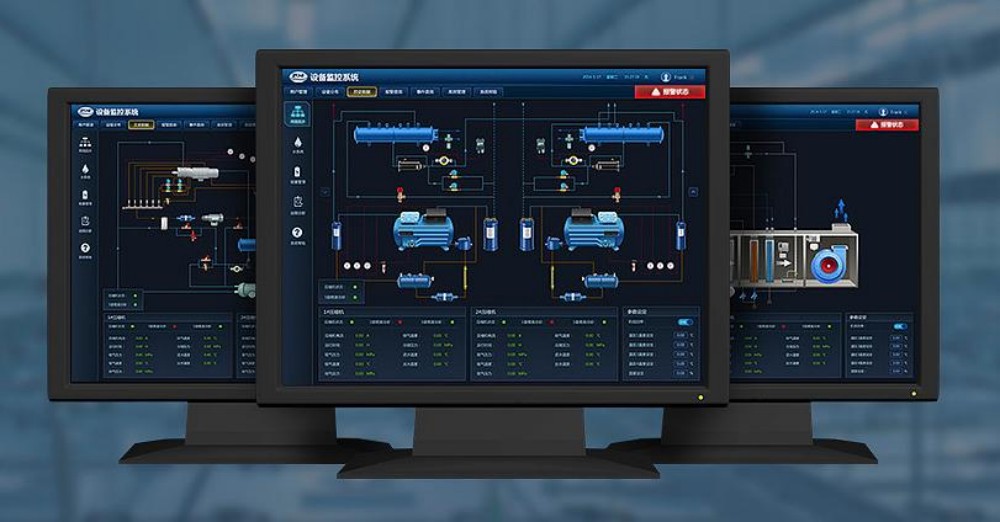
Historically, PLC systems were mainly used for machine automation and discrete manufacturing applications, while DCS platforms were commonly applied in continuous process industries such as chemical plants, power stations, and oil production facilities.
However, Industry 4.0 development has changed the requirements of industrial control systems. Manufacturers now need automation platforms that combine fast control performance with advanced data management capabilities.
Modern PLC systems are becoming more powerful with improved processing capability, industrial Ethernet communication, and advanced diagnostic functions. At the same time, DCS platforms are adopting more flexible architectures that support integration with smart devices and industrial software applications.
The combination of PLC and DCS technologies enables companies to build more efficient automation environments. Production data from field sensors, controllers, and process equipment can be collected and analyzed to improve operational decisions.
Industrial communication technologies such as Ethernet/IP, PROFINET, Modbus TCP, and OPC UA are playing an important role in connecting different automation devices. These communication standards allow PLC, DCS, SCADA, and enterprise systems to exchange information more efficiently.
Another important factor driving PLC and DCS integration is predictive maintenance. By analyzing equipment data, companies can identify potential failures before they cause production downtime.
Automation engineers are increasingly required to understand multiple technologies, including PLC programming, DCS configuration, industrial networking, cybersecurity, and database integration.
For global manufacturers and automation suppliers, this creates strong demand for control components such as PLC CPUs, I/O modules, communication modules, industrial sensors, and DCS spare parts.
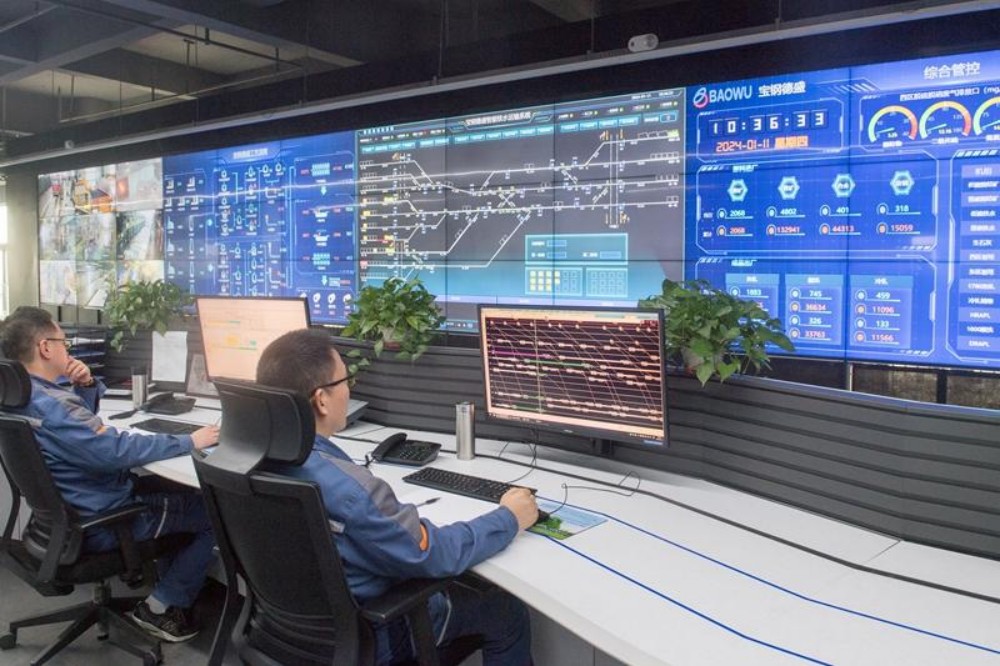
The future of industrial automation will not be defined by a single control technology. Instead, successful automation systems will combine PLC, DCS, IoT, artificial intelligence, and digital platforms into a unified industrial ecosystem.
As factories continue their digital transformation journey, PLC and DCS integration will remain one of the most important technologies supporting smart manufacturing worldwide.
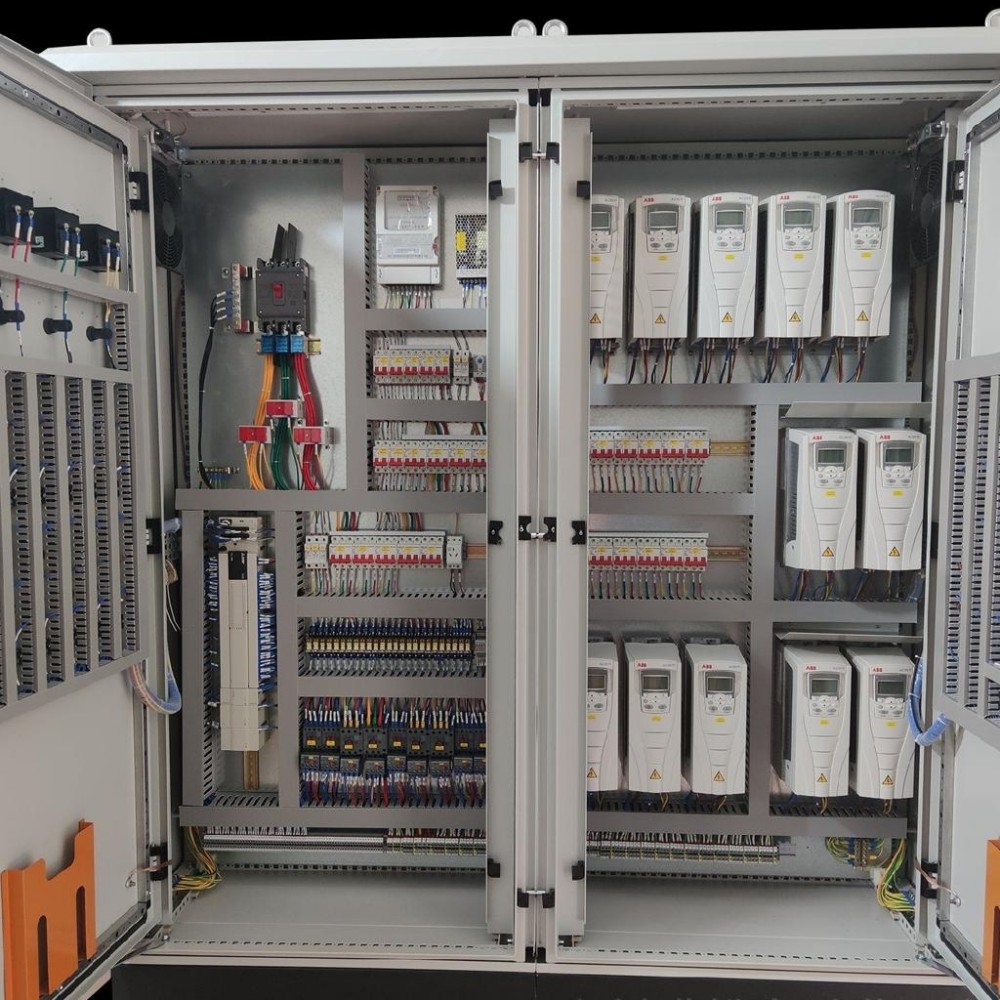 ABB Expands Industrial Automation Strategy With Advanced Electrification And Control Technology Development
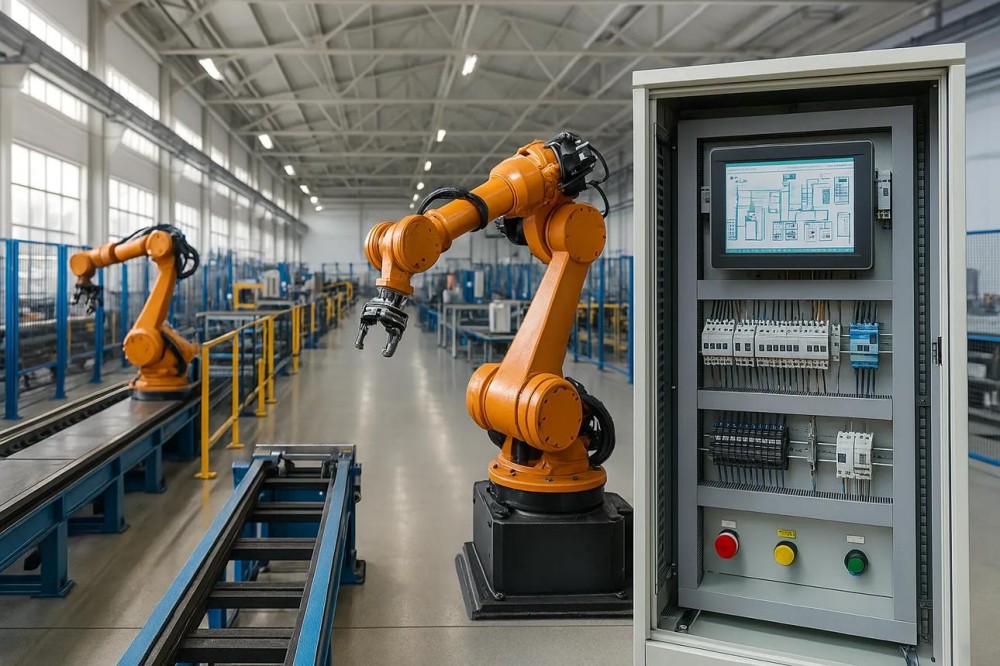 Industrial Automation Trends 2026: AI-Powered PLC And DCS Systems Accelerate Smart Factory Development
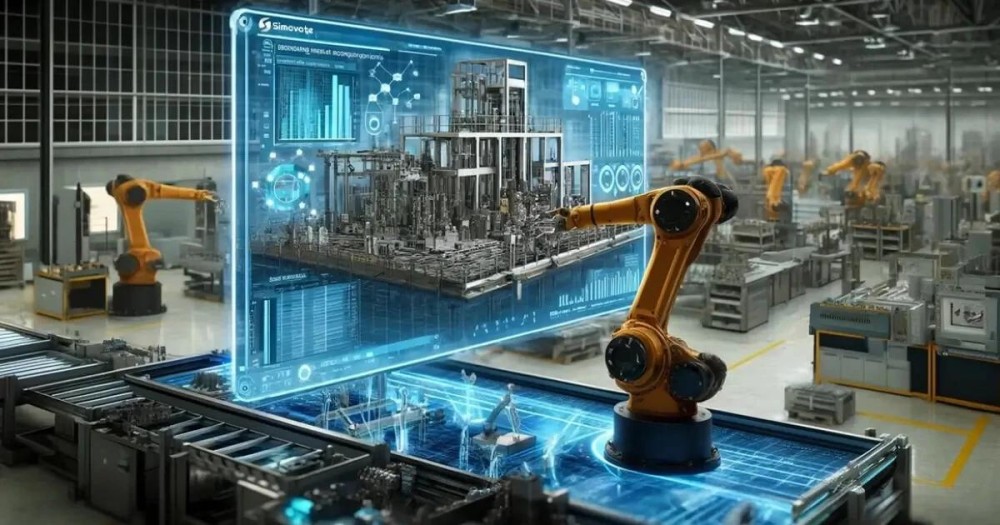 AI And Digital Twin Technologies Transform The Future Of Industrial Automation Systems
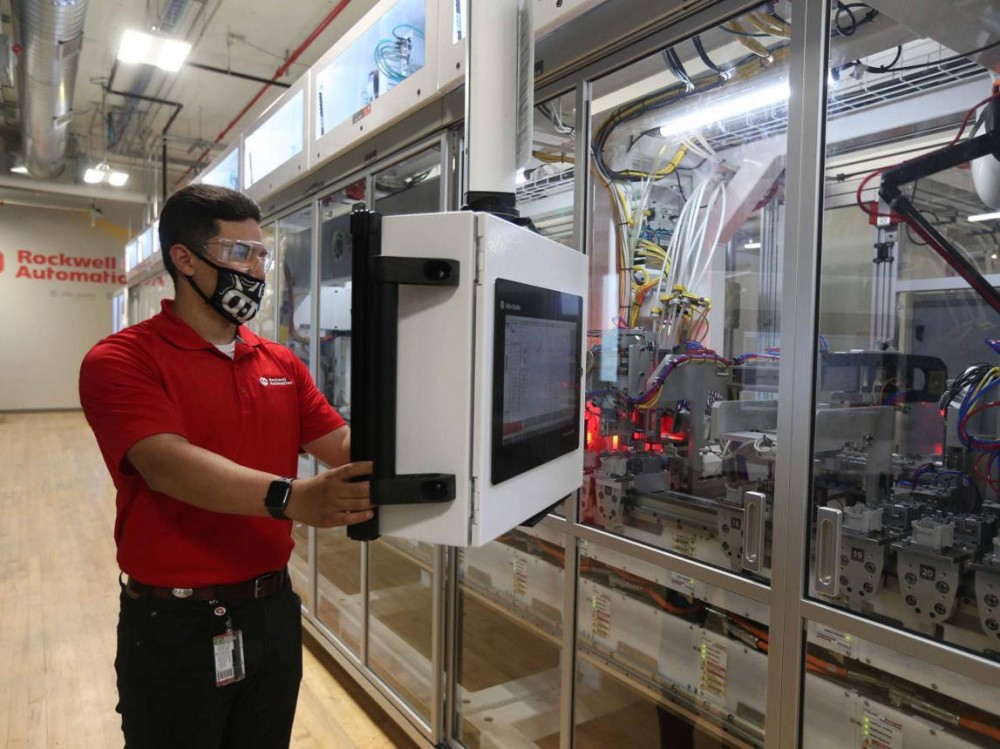 Rockwell Automation Advances Smart Factory Development With Cloud-Connected Industrial Automation Solutions