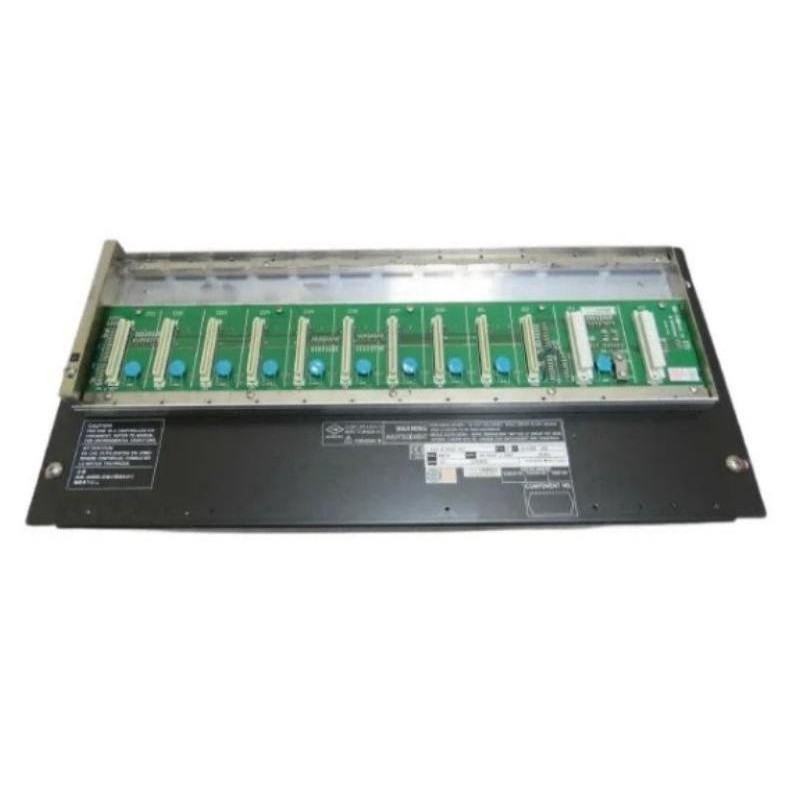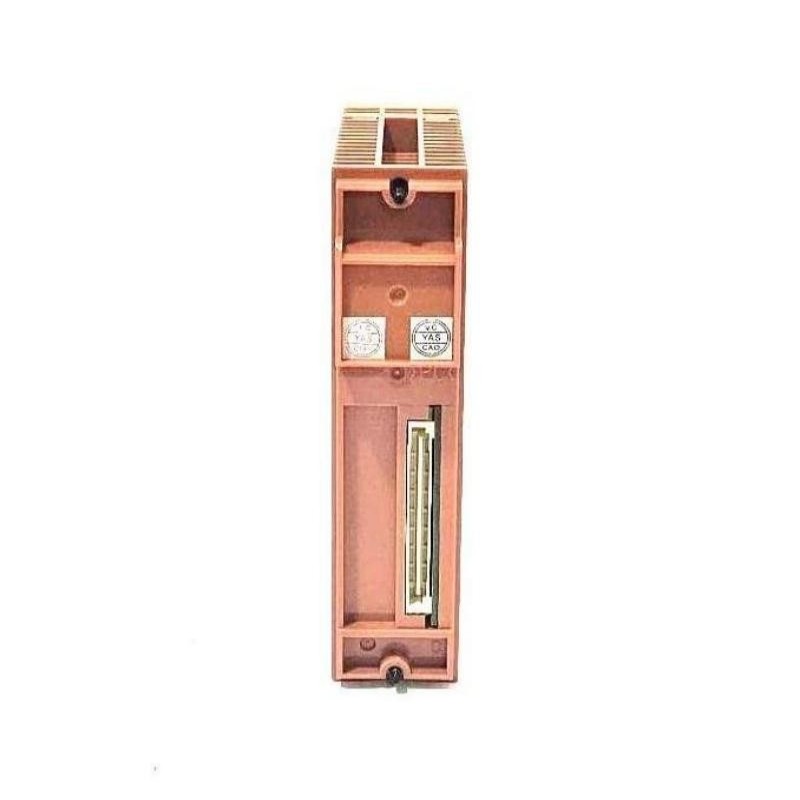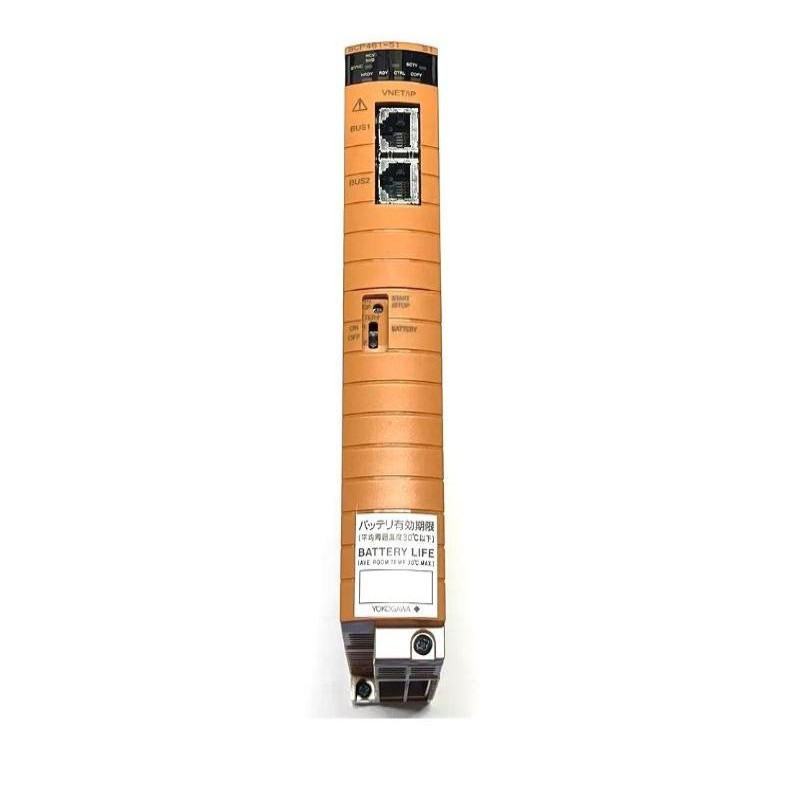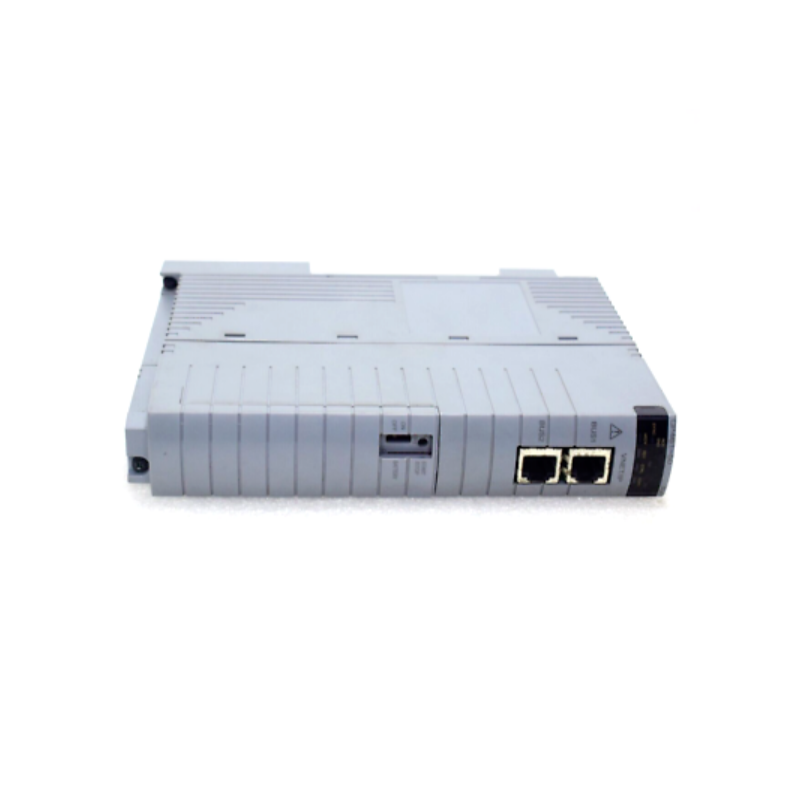
Yokogawa SNB10D-213/CU2N Safety Node Unit
| Company Information | ||||||||
| [email protected] | ||||||||
| Mobile | +8613666084105 | |||||||
| +8613666084105 | ||||||||
| 13666084105 | ||||||||
| Add to | Room 1004, No. 62 Xiangxiu Li, Siming District, Xiamen City, Fujian Province, China | |||||||
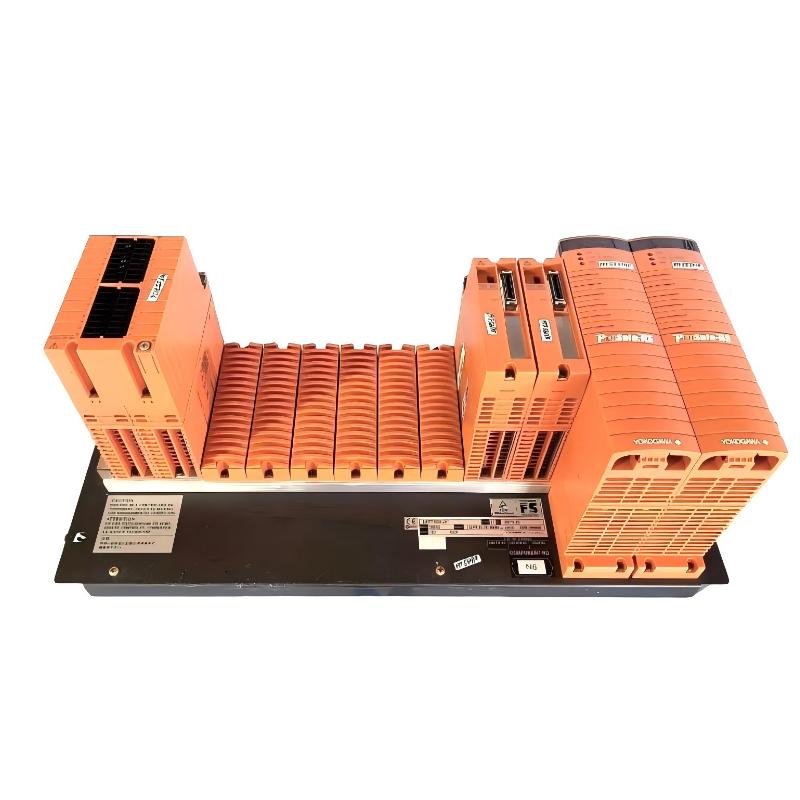 Technical Specifications
| Parameter | Specification |
|---|---|
| Model | SNB10D-213/CU2N |
| Product Type | Safety Node Unit |
| Manufacturer | Yokogawa |
| System Platform | ProSafe-RS Safety Instrumented System |
| Main Function | Provides distributed safety I/O expansion, field signal acquisition, and communication between field devices and the safety control system |
| Application | Safety instrumented systems, industrial process monitoring, and critical equipment protection |
| Communication Interface | ESB Bus communication interface |
| Node Type | Safety node unit for rack installation |
| Power Supply Configuration | Dual redundant power supply configuration |
| Power Supply Voltage | Supports system-configured AC or DC power supply options |
| Communication Redundancy | Supports redundant communication configuration for improved system availability |
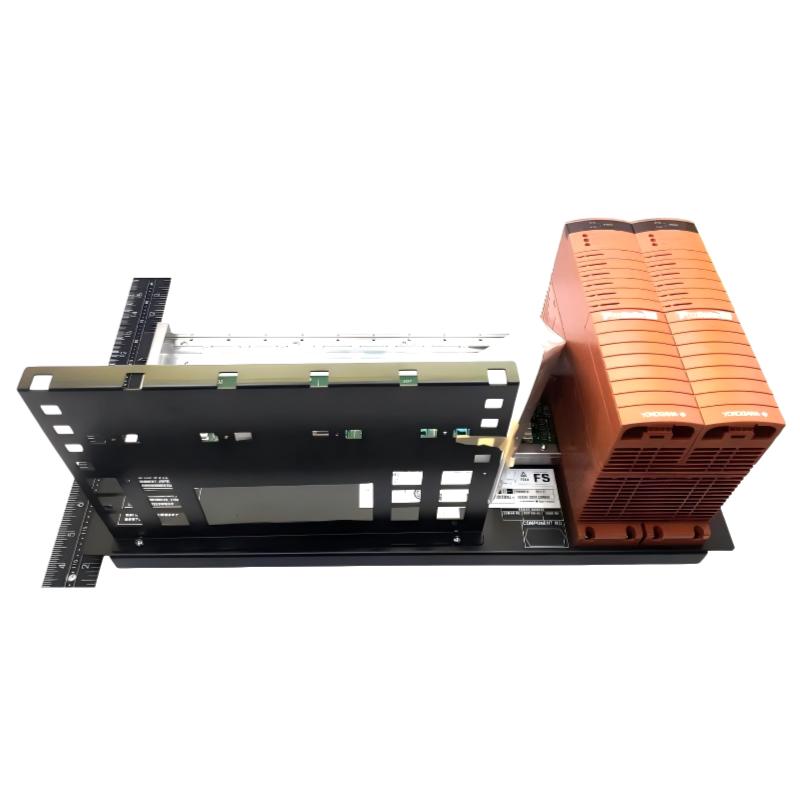
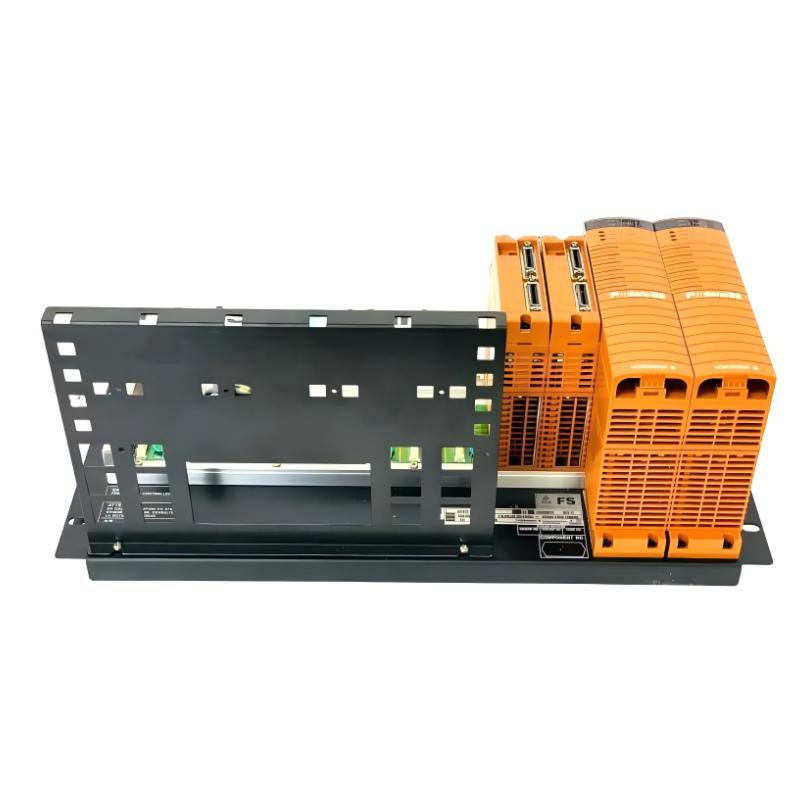
| Supported Modules | Power supply modules, ESB bus interface modules, optical ESB communication modules, and I/O modules |
| Safety Integrity Level | SIL 3 compliant safety system application |
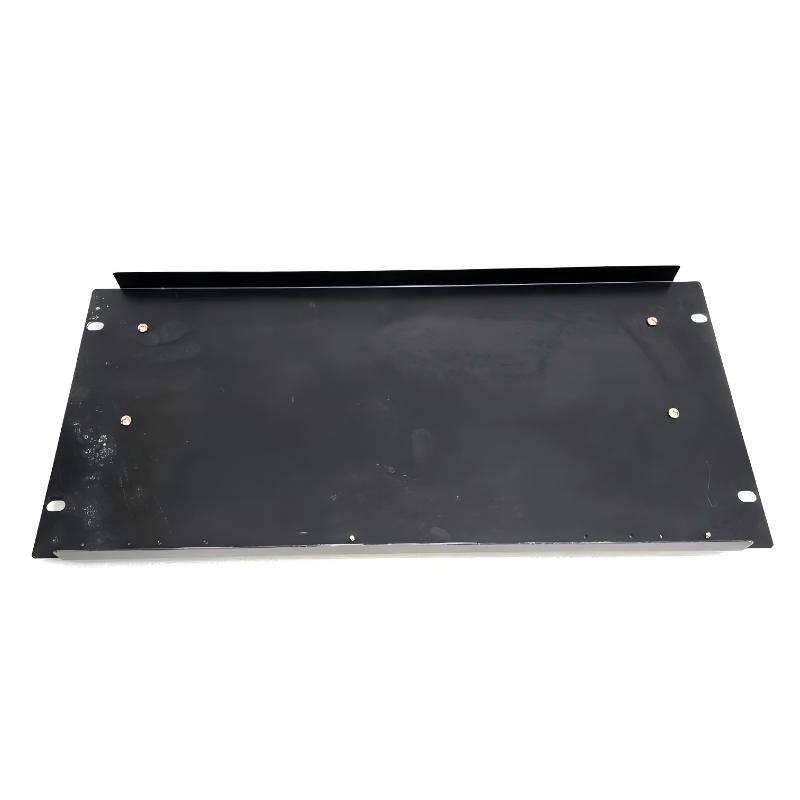
| Installation Method | 19-inch rack mounting |
| Mounting Structure | Installed in standard control cabinets using rack mounting method |
| Typical Applications | Oil and gas, petrochemical, power generation, chemical processing, and other safety-critical industries |
| Operating Environment | Designed for continuous operation in industrial control environments |
| Reliability Features | Redundant architecture, high availability design, and fault diagnosis support |
| System Expansion Capability | Allows distributed I/O expansion for large-scale safety control systems |
| Dimensions | 482.6 × 221.5 × 205 mm |
| Weight | 5.9 kg |
FAQ
1. What is the main function of the SNB10D-213/CU2N Safety Node Unit?
The SNB10D-213/CU2N Safety Node Unit is a key hardware component used in Yokogawa ProSafe-RS safety instrumented systems. Its main function is to provide a reliable connection between field-level safety devices and the central safety control system, enabling signal acquisition, communication, and distributed safety control.
In industrial process plants, many safety-related devices such as emergency shutdown switches, pressure transmitters, temperature sensors, and valve actuators need to exchange information with the safety control system. The Safety Node Unit acts as an important interface point that collects field signals through connected I/O modules and transfers the information to the safety controller through the ESB communication network.
The unit supports distributed installation, allowing I/O modules to be located closer to field equipment. This reduces complicated field wiring, improves system organization, and makes large safety system installations easier to maintain.
With a design focused on high availability and reliability, the SNB10D-213/CU2N is suitable for applications where continuous operation and safety performance are critical, such as petrochemical plants, power stations, and oil and gas facilities.
2. What industries commonly use the SNB10D-213/CU2N Safety Node Unit?
The SNB10D-213/CU2N Safety Node Unit is widely used in industries that require high-performance safety instrumented systems and reliable process protection.
Typical applications include oil and gas production facilities, refineries, chemical plants, pharmaceutical production lines, power generation facilities, and other industrial processes where safety shutdown and emergency protection functions are required.
In the oil and gas industry, the unit can be used for safety monitoring of critical equipment such as compressors, pumps, pressure systems, and process control units. When abnormal conditions occur, signals collected through the safety system can trigger protective actions to reduce operational risks.
In chemical processing plants, the Safety Node Unit helps connect various safety sensors and actuators to the safety control system, supporting functions such as emergency shutdown, fire and gas protection, and process safety monitoring.
Because of its compatibility with the ProSafe-RS safety platform, the unit is designed for applications requiring high reliability, stable communication, and compliance with industrial safety requirements.
3. How does the SNB10D-213/CU2N communicate with the safety control system?
The SNB10D-213/CU2N Safety Node Unit communicates with the safety control system through the ESB Bus communication network.
In a typical ProSafe-RS architecture, the Safety Node Unit is installed as a distributed field-level component. The connected I/O modules collect signals from field devices, and the Safety Node Unit transfers these signals through the ESB communication path to the safety control unit.
The safety controller processes the received information according to configured safety logic. Based on the analysis results, it can send control commands to field actuators, shutdown systems, or alarm devices.
The communication structure allows flexible system design because safety nodes can be installed closer to the actual process equipment. This reduces long cable distances and improves overall system efficiency.
The communication design also supports reliable data transmission, which is essential for safety applications where signal accuracy and response time directly affect plant protection performance.
4. Why does the SNB10D-213/CU2N use a redundant system design?
The SNB10D-213/CU2N uses a redundant design concept to improve system availability and reduce the impact of hardware failures.
In safety instrumented systems, unexpected failures of critical components can affect plant operation and safety functions. Redundant power supply and communication structures help maintain system operation even when one part of the system experiences a fault.
For example, if one power module or communication path encounters an abnormal condition, the redundant configuration can help maintain stable system performance and reduce the possibility of complete system interruption.
This design approach is especially important in industries such as oil refining, chemical processing, and power generation, where unplanned shutdowns can result in significant production losses and safety risks.
By improving fault tolerance and system availability, the SNB10D-213/CU2N helps ensure that safety functions remain reliable during continuous industrial operation.
5. What should be considered when installing the SNB10D-213/CU2N Safety Node Unit?
Proper installation is essential to ensure stable operation and reliable communication of the SNB10D-213/CU2N Safety Node Unit.
Before installation, engineers should confirm that the system configuration matches the project requirements, including compatible power modules, communication modules, I/O modules, and safety controller settings.
During installation, the unit should be securely mounted in the control cabinet according to system design requirements. Power wiring, ESB communication connections, and module connections must be installed correctly to prevent communication failures or abnormal operation.
The grounding system should also be properly designed because grounding quality can directly affect the stability of industrial control equipment.
After hardware installation is completed, system commissioning should be performed. This includes checking power status, communication status, I/O signal transmission, diagnostic information, and safety logic operation.
Following correct installation procedures ensures that the Safety Node Unit can provide stable performance throughout the entire operating period.
6. How can technicians troubleshoot communication problems with the SNB10D-213/CU2N?
When communication problems occur with the SNB10D-213/CU2N Safety Node Unit, technicians should perform a systematic inspection of both hardware and software configuration.
The first step is checking the power supply status and diagnostic indicators. Abnormal power conditions or module alarms may indicate problems with the power configuration or hardware condition.
The next step is to inspect ESB Bus communication connections. Loose connectors, damaged cables, incorrect wiring, or communication module failures can interrupt data transmission between the Safety Node Unit and the control system.
Engineers should also verify system configuration parameters, including node settings, communication assignments, and hardware configuration within the safety engineering software.
If communication hardware and configuration are confirmed to be correct, further inspection should focus on connected I/O modules and field devices to determine whether the problem originates from the signal source.
A structured troubleshooting process helps reduce downtime and allows maintenance personnel to identify the actual cause of communication failures efficiently.
7. What modules can be connected to the SNB10D-213/CU2N Safety Node Unit?
The SNB10D-213/CU2N supports a modular configuration that allows users to build flexible safety control systems according to application requirements.
The unit can support different types of modules, including power supply modules, ESB communication modules, optical communication expansion modules, and safety I/O modules.
By combining different I/O modules, the system can connect various field devices such as emergency stop switches, safety sensors, transmitters, valves, and other safety-related equipment.
The modular design allows the system to be expanded according to plant size and process requirements. Engineers can add additional safety nodes or I/O modules when system requirements increase without completely redesigning the control architecture.
This flexibility makes the SNB10D-213/CU2N suitable for both medium-sized and large industrial safety applications where scalability and reliability are important considerations.
8. How can the long-term reliability of the SNB10D-213/CU2N be maintained?
To maintain long-term reliability of the SNB10D-213/CU2N Safety Node Unit, regular inspection, proper operation, and preventive maintenance are required.
First, maintenance personnel should regularly check system diagnostic information, module status indicators, and communication performance. Early detection of abnormal conditions can prevent unexpected system failures.
Power supply conditions should also be monitored to ensure stable operation. Any abnormal voltage fluctuations, module alarms, or communication interruptions should be investigated promptly.
The condition of wiring connections should be inspected periodically, especially in industrial environments where vibration, temperature changes, or contamination may affect equipment reliability.
When replacing modules or expanding the system, only compatible components should be used, and all configuration changes should be properly tested before returning the system to normal operation.
Through regular maintenance and proper system management, the SNB10D-213/CU2N can provide stable and reliable performance for safety-critical industrial applications over a long operating period.
Yokogawa SNB10D-213/CU2N Safety Node Unit is in stock. Please contact us for a quick quote and competitive pricing.
| Company Information | ||||||||
| [email protected] | ||||||||
| Mobile | +8613666084105 | |||||||
| +8613666084105 | ||||||||
| 13666084105 | ||||||||
| Add to | Room 1004, No. 62 Xiangxiu Li, Siming District, Xiamen City, Fujian Province, China | |||||||
Company Introduction
Xiamen Shengruite Trading Co., Ltd. is a company specializing in the supply of industrial PLC spare parts.
We provide high-quality PLC spare parts to customers in the global manufacturing, energy and power, chemical and other fields.
Since its establishment in 2011, after 13 years of rapid development, the cumulative global shipments have reached 223,650 pieces, with an annual output value of US$50 million.
Successfully served more than 500 customers in more than 100 countries and regions including Saudi Arabia, UAE, the United States, Europe, Africa, and Southeast Asia
Our Mission
Provide customers with the best quality PLC spare parts and the fastest delivery service to ensure that their industrial automation systems are always in the best operating condition.
We provide a 1-year warranty service, and we support returns and exchanges for any issues to ensure your rights and interests are fully protected.
We can provide detailed product images upon request, and our team can arrange warehouse photos for confirmation to ensure you have all the information you need before making a purchase.
Shipping times vary depending on your location. With the support of our 16 global warehouses, we strive to deliver orders as quickly as possible. Contact us to get an estimated delivery time for your specific location.
The minimum order quantity (MOQ) is typically one unit. However, for larger orders, please contact us for potential discounts and pricing details.
Yes, we offer competitive pricing for bulk purchases. Please reach out to our sales team with the specifics of your order to receive a custom quote.
We accept various payment methods for wholesale orders, including bank transfers (T/T), letters of credit, and other options upon agreement. For large transactions, please contact us directly for payment terms.
Yes, we offer flexible ordering options for both small and large quantities. Whether youre looking for a single unit or a large batch, we can accommodate your needs.
We occasionally offer promotional discounts for new wholesale customers. Contact us to learn more about any current offers available for first-time buyers.
If you are unsure of compatibility with your existing setup please provide your system details and our support team can verify compatibility prior to purchase.
Returns are accepted within 30 days if the product is unused, unopened, and in its original packaging. Please note that return shipping and associated costs are the buyer\\\\\\\\\\\\\\\\\\\\\\\\\\\\\\\\\\\\\\\\\\\\\\\\\\\\\\\\\\\\\\\\\\\\\\\\\\\\\\\\\\\\\\\\\\\\\\\\\\\\\\\\\\\\\\\\\\\\\\\\\\\\\\\\\\\\\\\\\\\\\\\\\\\\\\\\\\\\\\\\\\\\\\\\\\\\\\\\\\\\\\\\\\\\\\\\\\\\\\\\\\\\\\\\\\\\\\\\\\\\\\\\\\\\\\\\\\\\\\\\\\\\\\\\\\\\\\\\\\\\\\\\\\\\\\\\\\\\\\\\\\\\\\\\\\\\\\\\\\\\\\\\\\\\\\\\\\\\\\\\\\\\\\\\\\\\\\\\\\\\\\\\\\\\\\\\\\\\\\\\\\\\\\\\\\\\\\\\\\\\\\\\\\\\\\\\\\\\\\\\\\\\\\\\\\\\\\\\\\\\\\\\\\\\\\\\\\\\\\\\\\\\\\\\\\\\\\\\\\\\\\\\\\\\\\\\\\\\\\\\\\\\\\\\\\\\\\\\\\\\\\\\\\\\\\\\\\\\\\\\\\\\\\\\\\\\\\\\\\\\\\\\\\\\\\\\\\\\\\\\\\\\\\\\\\\\\\\\\\\\\\\\\\\\\\\\\\\\\\\\\\\\\\\\\\\\\\\\\\\\\\\\\\\\\\\\\\\\\\\\\\\\\\\\\\\\\\\\\\\\\\\\\\\\\\\\\\\\\\\\\\\\\\\\\\\\\\\\\\\\\\\\\\\\\\\\\\\\\\\\\\\\\\\\\\\\\\\\\\\\\\\\\\\\\\\\\\\\\\\\\\\\\\\\\\\\\\\\\\\\\\\\\\\\\\\\\\\\\\\\\\\\\\\\\\\\\\\\\\\\\\\\\\\\\\\\\\\\\\\\\\\\\\\\\\\\\\\\\\\\\\\\\\\\\\\\\\\\\\\\\\\\\\\\\\\\\\\\\\\\\\\\\\\\\\\\\\\\\\\\\\\\\\\\\\\\\\\\\\\\\\\\\\\\\\\\\\\\\\\\\\\\\\\\\\\\\\\\\\\\\\\\\\\\\\\\\\\\\\\\\\\\\\\\\\\\\\\\\\\\\\\\\\\\\\\\\\\\\\\\\\\\\\\\\\\\\\\\\\\\\\\\\\\\\\\\\\\\\\\\\\\\\\\\\\\\\\\\\\\\\\\\\\\\\\\\\\\\\\\\\\\\\\\\\\\\\\\\\\\\\\\\\\\\\\\\\\\\\\\\\\\\\\\\\\\\\\\\\\\\\\\\\\\\\\\\\\\\\\\\\\\\\\\\\\\\\\\\\\\\\\\\\\\\\\\\\\\\\\\\\\\\\\\\\\\\\\\\\\\\\\\\\\\\\\\\\\\\\\\\\\\\\\\\\\\\\\\\\\\\\\\\\\\\\\\\\\\\\\\\\\\\\\\\\\\\\\\\\\\\\\\\\\\\\\\\\\\\\\\\\\\\\\\\\\\\\\\\\\\\\\\\\\\\\\\\\\\\\\\\\\\\\\\\\\\\\\\\\\\\\\\\\\\\\\\\\\\\\\\\\\\\\\\\\\\\\\\\\\\\\\\\\\\\\\\\\\\\\\\\\\\\\\\\\\\\\\\\\\\\\\\\\\\\\\\\\\\\\\\\\\\\\\\\\\\\\\\\\\\\\\\\\\\\\\\\\\\\\\\\\\\\\\\\\\\\\\\\\\\\\\\\\\\\\\\\\\\\\\\\\\\\\\\\\\\\\\\\\\\\\\\\\\\\\\\\\\\\\\\\\\\\\\\\\\\\\\\\\\\\\\\\\\\\\\\\\\\\\\\\\\\\\\\\\\\\\\\\\\\\\\\\\\\\\\\\\\\\\\\\\\\\\\\\\\\\\\\\\\\\\\\\\\\\\\\\\\\\\\\\\\\\\\\\\\\\\\\\\\\\\\\\\\\\\\\\\\\\\\\\\\\\\\\\\\\\\\\\\\\\\\\\\\\\\\\\\\\\\\\\\\\\\\\\\\\\\\\\\\\\\\\\\\\\\\\\\\\\\\\\\\\\\\\\\\\\\\\\\\\\\\\\\\\\\\\\\\\\\\\\\\\\\\\\\\\\\\\\\\\\\\\\\\\\\\\\\\\\\\\\\\\\\\\\\\\\\\\\\\\\\\\\\\\\\\\\\\\\\\\\\\\\\\\\\\\\\\\\\\\\\\\\\\\\\\\\\\\\\\\\\\\\\\\’s responsibility.
Yes, we offer technical support for the installation and integration of our products. Our team can assist with setup, configuration, and troubleshooting to ensure a smooth installation.