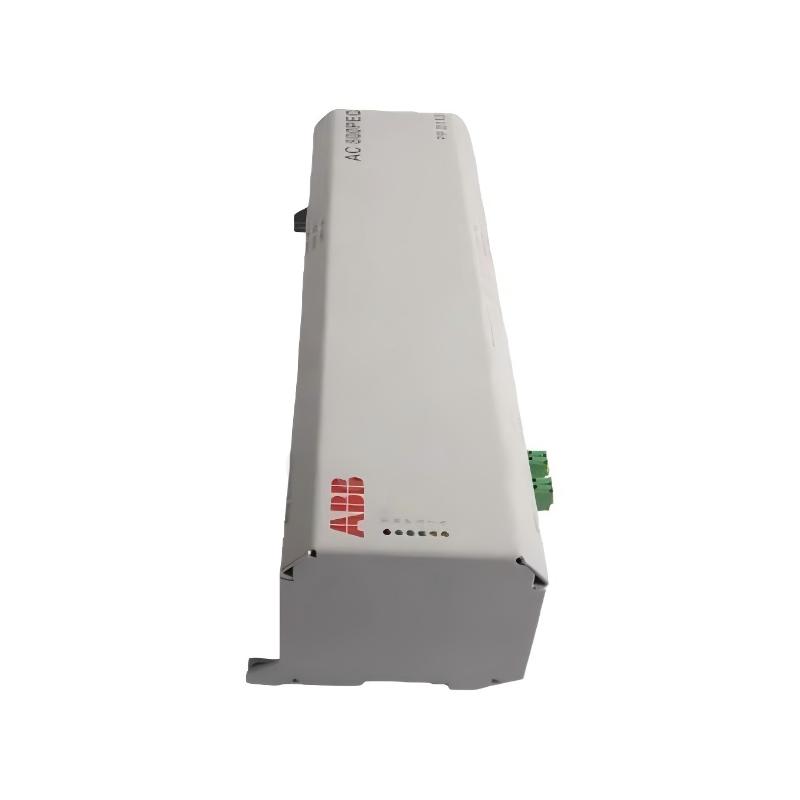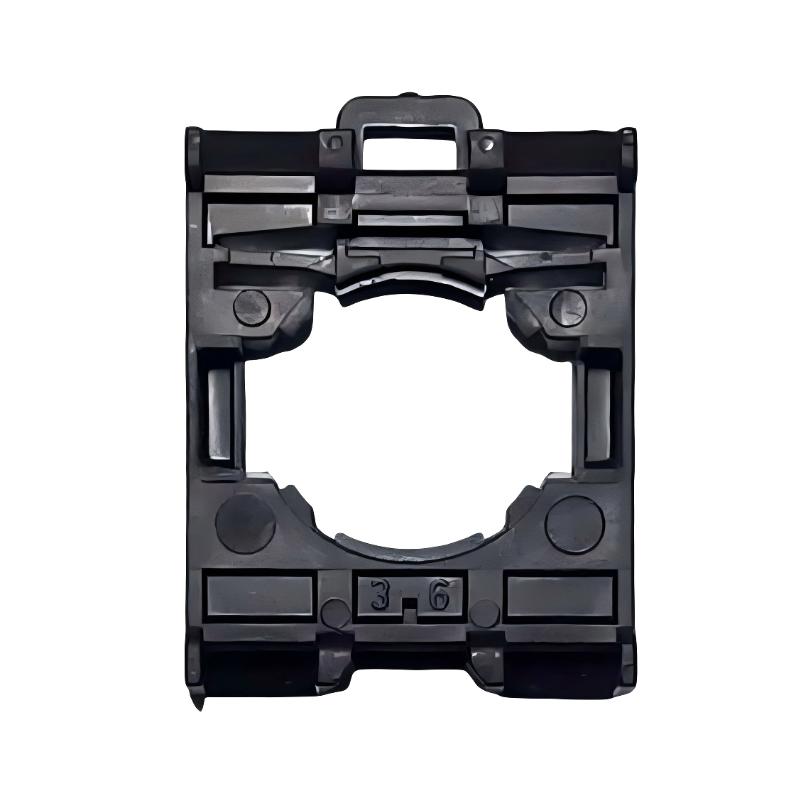
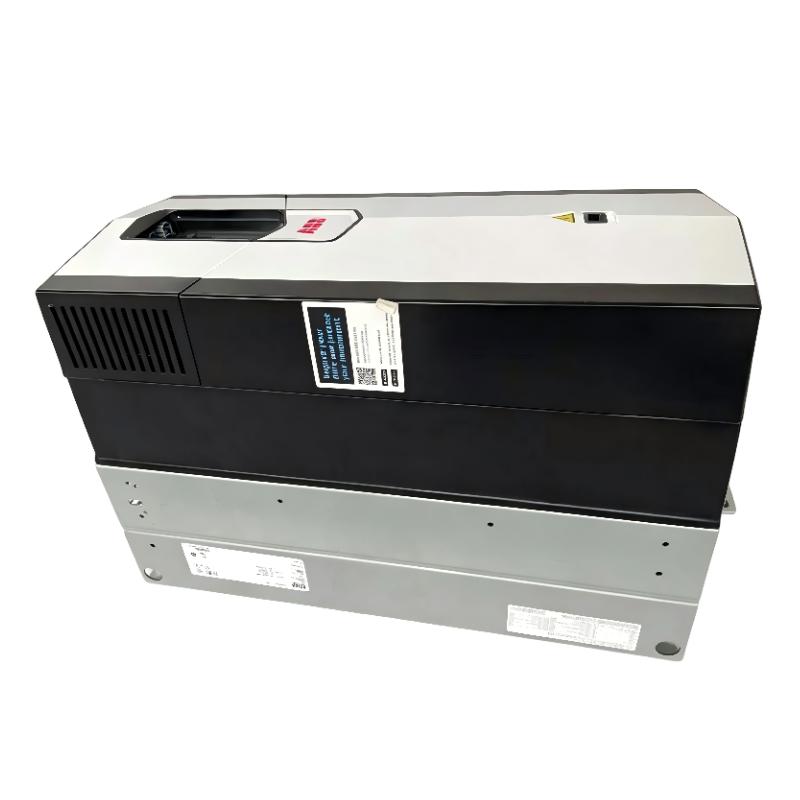
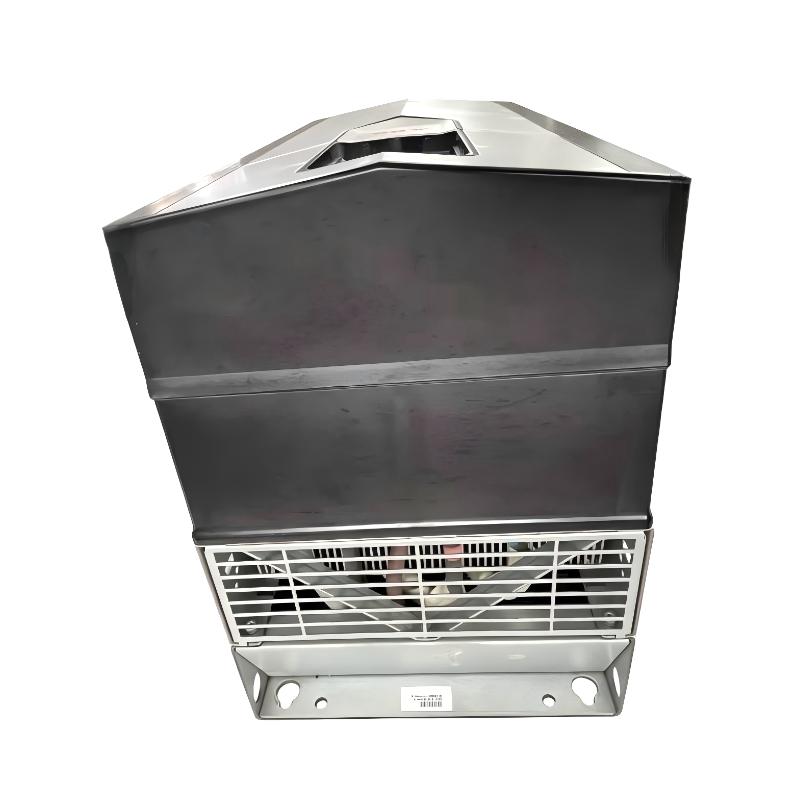
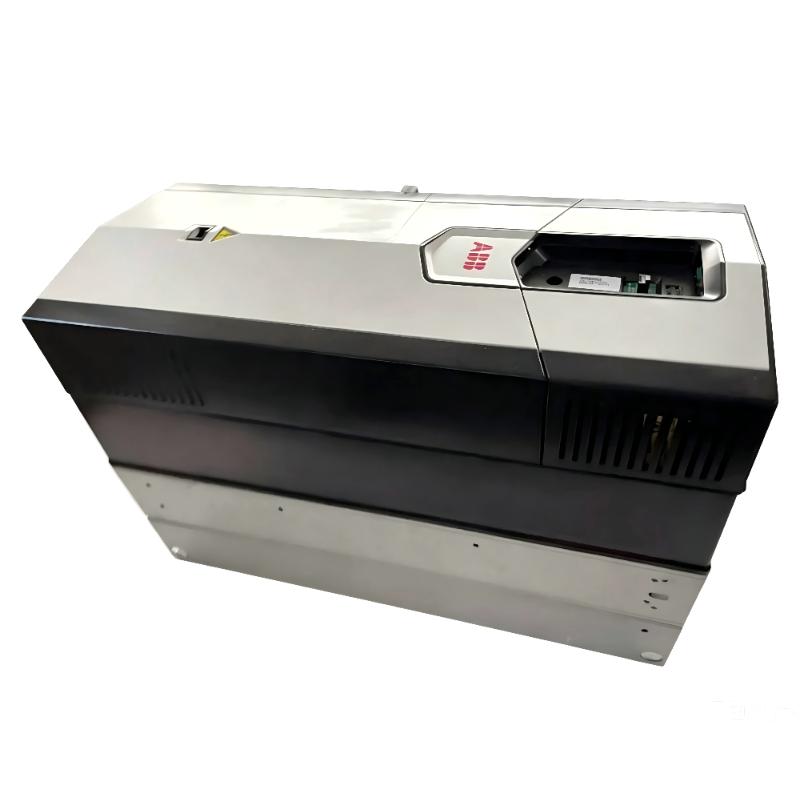
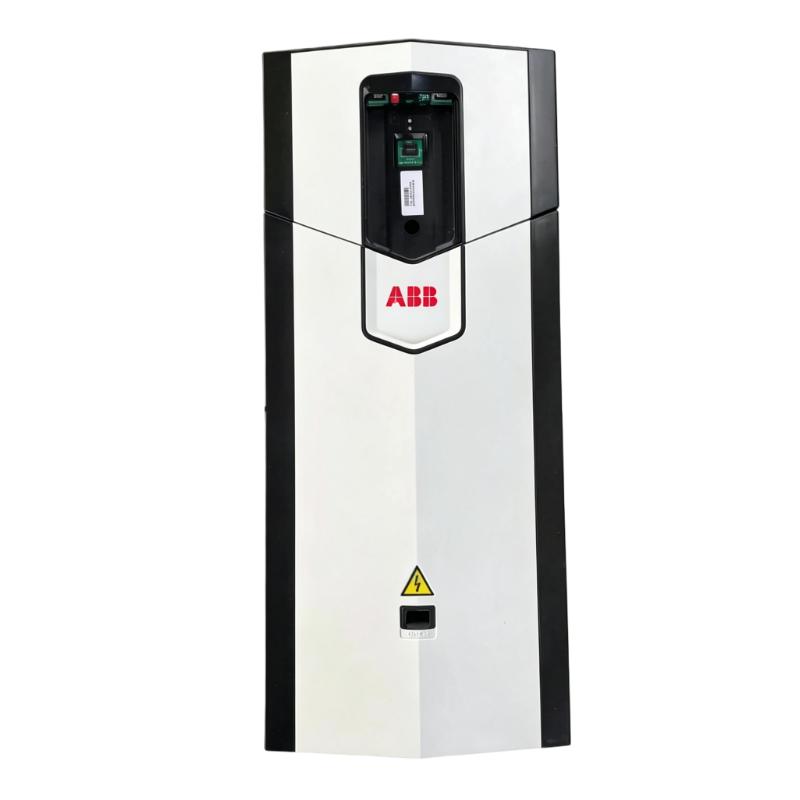
ABB ACS880-01-145A-3 3AUA0000108026 Variable Frequency Drive
| Company Information | ||||||||
| [email protected] | ||||||||
| Mobile | +8613666084105 | |||||||
| +8613666084105 | ||||||||
| 15305023276 | ||||||||
| Add to | Room 1004, No. 62 Xiangxiu Li, Siming District, Xiamen City, Fujian Province, China | |||||||
 Technical Specifications
| Parameter | Specification |
|---|---|
| Model | ACS880-01-145A-3 |
| Ordering Number | 3AUA0000108026 |
| Product Type | Low Voltage Variable Frequency Drive (VFD) |
| Drive Series | ACS880-01 Wall-Mounted Drive |
| Input Voltage | 3-Phase 380–480 V AC |
| Input Frequency | 50/60 Hz |
| Rated Output Current | 145 A |
| Rated Power (Heavy Duty) | 75 kW |
| Rated Power (Normal Duty) | 90 kW |
| Output Frequency Range | 0–500 Hz |
| Control Technology | Direct Torque Control (DTC) and Sensorless Vector Control |
| Protection Rating | IP21 (Standard) |
| Cooling Method | Forced Air Cooling |
| Communication Interface | Standard industrial communication interface with optional fieldbus adapters (PROFINET, EtherNet/IP, PROFIBUS DP, Modbus RTU, CANopen, etc.) |
| EMC Compliance | Industrial EMC compliant |
| Overload Capacity | 150% rated current for 60 seconds (Heavy Duty) |
| Operating Temperature | -15°C to +50°C (derating required above rated ambient temperature) |
| Mounting Method | Wall-Mounted |
| Dimensions | 727 × 252 × 357 mm |
| Weight | 42.2 kg |
FAQ
1. What types of industrial equipment can benefit most from the ACS880-01-145A-3 Variable Frequency Drive?
The ACS880-01-145A-3 is specifically designed for medium- and high-power industrial applications where reliability, precise motor control, and energy efficiency are essential. It is widely deployed in centrifugal pumps, ventilation systems, compressors, conveyors, crushers, mixers, extruders, paper manufacturing lines, mining machinery, marine equipment, HVAC installations, and heavy-duty production systems. ABB’s Direct Torque Control (DTC) technology enables extremely fast torque response and excellent speed accuracy without requiring encoder feedback in many applications. As a result, the drive performs exceptionally well in processes involving rapidly changing loads, frequent start-stop cycles, and demanding torque requirements. Its advanced control algorithms also reduce mechanical stress on motors and driven equipment, contributing to longer equipment life and lower maintenance costs.
2. What commissioning procedures should be completed before the drive enters normal operation?
Before energizing the drive, installers should carefully verify that the incoming power supply matches the specified voltage range and that all input, output, control, and grounding connections comply with installation requirements. The complete motor nameplate information—including rated voltage, rated current, rated frequency, rated speed, rated power, and power factor—should then be entered accurately into the drive parameters. Performing a Motor Identification Run (ID Run) is strongly recommended because it creates a precise mathematical model of the connected motor, allowing the drive to optimize torque production, speed regulation, overload capability, and energy efficiency. After parameter configuration, the system should undergo no-load testing, followed by gradual loading while monitoring current, voltage, temperature, and operating stability to ensure all functions operate correctly before full production begins.
3. Why does the drive occasionally generate overcurrent faults, and what troubleshooting steps are recommended?
Overcurrent faults usually occur when the drive detects current levels exceeding its protection limits. Common causes include excessive mechanical loading, locked or seized equipment, motor winding faults, output cable damage, insufficient acceleration time, incorrect motor parameter configuration, or short circuits on the motor side. In high-inertia applications such as conveyors, crushers, or large fans, acceleration settings that are too aggressive may produce excessive starting current. Troubleshooting should begin with inspecting the driven equipment for mechanical resistance, verifying motor insulation resistance, checking cable continuity, and confirming that all motor parameters match the actual motor nameplate. Reviewing acceleration ramps, current limits, torque limits, and load characteristics often helps eliminate repeated overcurrent trips while improving long-term operating reliability.
4. How can long-term operational reliability and equipment lifespan be maximized?
Maintaining high reliability requires a structured preventive maintenance program. Cooling fans, ventilation channels, and heat sinks should be inspected regularly and cleaned to prevent dust accumulation that can reduce cooling efficiency. Electrical terminals should be tightened periodically because loose connections may generate excessive heat and eventually damage power components. Operators should continuously monitor diagnostic information such as output current, DC bus voltage, internal temperatures, cooling fan status, and historical fault records to identify developing problems before failures occur. In facilities operating around the clock, replacing consumable components such as cooling fans according to recommended maintenance intervals significantly reduces unexpected downtime. Maintaining a clean, dry installation environment with stable ambient temperatures also contributes to extending the service life of the IGBTs, capacitors, and other critical electronic components.
5. What factors can affect low-speed torque performance and speed stability?
Reduced torque at low speeds or unstable speed regulation can result from several conditions, including incomplete Motor ID Run procedures, inaccurate motor parameter settings, inappropriate control mode selection, fluctuating supply voltage, or excessive mechanical resistance within the driven system. Mechanical issues such as worn bearings, shaft misalignment, gearbox wear, or excessive friction may also reduce low-speed performance. Repeating the Motor Identification Run after verifying all motor nameplate information often restores optimal torque production. In applications requiring continuous high torque at very low speeds, users can further optimize torque boost parameters, speed controller gains, acceleration profiles, and current limits. Careful tuning enables smoother operation, better load handling capability, and reduced vibration throughout the operating range.
6. How can reliable communication be established between the drive and industrial automation systems?
The ACS880-01-145A-3 supports integration with PLCs, DCS platforms, SCADA systems, and other industrial controllers through optional communication adapters supporting widely used industrial protocols. Successful integration requires selecting the appropriate fieldbus module, assigning unique communication addresses, configuring baud rates or network parameters, and correctly mapping process data between the controller and the drive. Once communication has been established, users can remotely perform start and stop commands, adjust speed references, monitor operating status, retrieve alarm information, collect diagnostic data, and implement predictive maintenance strategies. To ensure maximum communication reliability, industrial-grade shielded communication cables should be installed separately from power wiring, while all equipment should share a properly designed low-impedance grounding system that minimizes electromagnetic interference.
7. What should maintenance personnel inspect if repeated overheating alarms occur?
Repeated overheating alarms generally indicate inadequate cooling performance, excessive operating load, restricted airflow, or unfavorable environmental conditions. Maintenance personnel should first verify that all cooling fans are functioning correctly and inspect the heat sink for dust, oil contamination, or debris that may reduce heat dissipation efficiency. Cabinet ventilation should also be evaluated to confirm that adequate airflow is available and that nearby heat-generating equipment is not increasing the ambient temperature beyond recommended limits. Operators should compare the actual motor current with the rated current to determine whether continuous overload conditions exist. Reviewing operating history, temperature trends, and fault logs can help identify recurring thermal patterns. Correcting cooling deficiencies and reducing unnecessary overload conditions significantly improves equipment reliability and extends component lifespan.
8. What installation practices are recommended to minimize electromagnetic interference (EMI) and improve overall system performance?
Proper installation practices play a critical role in ensuring stable long-term operation. Shielded motor cables should be installed with full 360-degree grounding in accordance with industrial EMC guidelines, while power cables, control wiring, encoder cables, and communication cables should be routed separately to reduce electromagnetic coupling. In installations involving long motor cable runs, output reactors, dv/dt filters, or sine-wave filters can effectively reduce reflected voltage, minimize high-frequency switching stress, and protect both the motor insulation and the drive output stage. Establishing a low-impedance grounding network throughout the electrical installation further improves noise immunity and communication stability. Following these recommendations reduces nuisance alarms, improves signal integrity, enhances automation system reliability, and ensures consistent performance in demanding industrial environments operating continuously over extended periods.
ABB ACS880-01-145A-3 3AUA0000108026 Variable Frequency Drive is in stock. Please contact us for a quick quote and competitive pricing.
| Company Information | ||||||||
| [email protected] | ||||||||
| Mobile | +8613666084105 | |||||||
| +8613666084105 | ||||||||
| 13950166376 | ||||||||
| Add to | Room 1004, No. 62 Xiangxiu Li, Siming District, Xiamen City, Fujian Province, China | |||||||
Company Introduction
Xiamen Shengruite Trading Co., Ltd. is a company specializing in the supply of industrial PLC spare parts.
We provide high-quality PLC spare parts to customers in the global manufacturing, energy and power, chemical and other fields.
Since its establishment in 2011, after 13 years of rapid development, the cumulative global shipments have reached 223,650 pieces, with an annual output value of US$50 million.
Successfully served more than 500 customers in more than 100 countries and regions including Saudi Arabia, UAE, the United States, Europe, Africa, and Southeast Asia
Our Mission
Provide customers with the best quality PLC spare parts and the fastest delivery service to ensure that their industrial automation systems are always in the best operating condition.
We provide a 1-year warranty service, and we support returns and exchanges for any issues to ensure your rights and interests are fully protected.
We can provide detailed product images upon request, and our team can arrange warehouse photos for confirmation to ensure you have all the information you need before making a purchase.
Shipping times vary depending on your location. With the support of our 16 global warehouses, we strive to deliver orders as quickly as possible. Contact us to get an estimated delivery time for your specific location.
The minimum order quantity (MOQ) is typically one unit. However, for larger orders, please contact us for potential discounts and pricing details.
Yes, we offer competitive pricing for bulk purchases. Please reach out to our sales team with the specifics of your order to receive a custom quote.
We accept various payment methods for wholesale orders, including bank transfers (T/T), letters of credit, and other options upon agreement. For large transactions, please contact us directly for payment terms.
Yes, we offer flexible ordering options for both small and large quantities. Whether youre looking for a single unit or a large batch, we can accommodate your needs.
We occasionally offer promotional discounts for new wholesale customers. Contact us to learn more about any current offers available for first-time buyers.
If you are unsure of compatibility with your existing setup please provide your system details and our support team can verify compatibility prior to purchase.
Returns are accepted within 30 days if the product is unused, unopened, and in its original packaging. Please note that return shipping and associated costs are the buyer\\\\\\\\\\\\\\\\\\\\\\\\\\\\\\\\\\\\\\\\\\\\\\\\\\\\\\\\\\\\\\\\\\\\\\\\\\\\\\\\\\\\\\\\\\\\\\\\\\\\\\\\\\\\\\\\\\\\\\\\\\\\\\\\\\\\\\\\\\\\\\\\\\\\\\\\\\\\\\\\\\\\\\\\\\\\\\\\\\\\\\\\\\\\\\\\\\\\\\\\\\\\\\\\\\\\\\\\\\\\\\\\\\\\\\\\\\\\\\\\\\\\\\\\\\\\\\\\\\\\\\\\\\\\\\\\\\\\\\\\\\\\\\\\\\\\\\\\\\\\\\\\\\\\\\\\\\\\\\\\\\\\\\\\\\\\\\\\\\\\\\\\\\\\\\\\\\\\\\\\\\\\\\\\\\\\\\\\\\\\\\\\\\\\\\\\\\\\\\\\\\\\\\\\\\\\\\\\\\\\\\\\\\\\\\\\\\\\\\\\\\\\\\\\\\\\\\\\\\\\\\\\\\\\\\\\\\\\\\\\\\\\\\\\\\\\\\\\\\\\\\\\\\\\\\\\\\\\\\\\\\\\\\\\\\\\\\\\\\\\\\\\\\\\\\\\\\\\\\\\\\\\\\\\\\\\\\\\\\\\\\\\\\\\\\\\\\\\\\\\\\\\\\\\\\\\\\\\\\\\\\\\\\\\\\\\\\\\\\\\\\\\\\\\\\\\\\\\\\\\\\\\\\\\\\\\\\\\\\\\\\\\\\\\\\\\\\\\\\\\\\\\\\\\\\\\\\\\\\\\\\\\\\\\\\\\\\\\\\\\\\\\\\\\\\\\\\\\\\\\\\\\\\\\\\\\\\\\\\\\\\\\\\\\\\\\\\\\\\\\\\\\\\\\\\\\\\\\\\\\\\\\\\\\\\\\\\\\\\\\\\\\\\\\\\\\\\\\\\\\\\\\\\\\\\\\\\\\\\\\\\\\\\\\\\\\\\\\\\\\\\\\\\\\\\\\\\\\\\\\\\\\\\\\\\\\\\\\\\\\\\\\\\\\\\\\\\\\\\\\\\\\\\\\\\\\\\\\\\\\\\\\\\\\\\\\\\\\\\\\\\\\\\\\\\\\\\\\\\\\\\\\\\\\\\\\\\\\\\\\\\\\\\\\\\\\\\\\\\\\\\\\\\\\\\\\\\\\\\\\\\\\\\\\\\\\\\\\\\\\\\\\\\\\\\\\\\\\\\\\\\\\\\\\\\\\\\\\\\\\\\\\\\\\\\\\\\\\\\\\\\\\\\\\\\\\\\\\\\\\\\\\\\\\\\\\\\\\\\\\\\\\\\\\\\\\\\\\\\\\\\\\\\\\\\\\\\\\\\\\\\\\\\\\\\\\\\\\\\\\\\\\\\\\\\\\\\\\\\\\\\\\\\\\\\\\\\\\\\\\\\\\\\\\\\\\\\\\\\\\\\\\\\\\\\\\\\\\\\\\\\\\\\\\\\\\\\\\\\\\\\\\\\\\\\\\\\\\\\\\\\\\\\\\\\\\\\\\\\\\\\\\\\\\\\\\\\\\\\\\\\\\\\\\\\\\\\\\\\\\\\\\\\\\\\\\\\\\\\\\\\\\\\\\\\\\\\\\\\\\\\\\\\\\\\\\\\\\\\\\\\\\\\\\\\\\\\\\\\\\\\\\\\\\\\\\\\\\\\\\\\\\\\\\\\\\\\\\\\\\\\\\\\\\\\\\\\\\\\\\\\\\\\\\\\\\\\\\\\\\\\\\\\\\\\\\\\\\\\\\\\\\\\\\\\\\\\\\\\\\\\\\\\\\\\\\\\\\\\\\\\\\\\\\\\\\\\\\\\\\\\\\\\\\\\\\\\\\\\\\\\\\\\\\\\\\\\\\\\\\\\\\\\\\\\\\\\\\\\\\\\\\\\\\\\\\\\\\\\\\\\\\\\\\\\\\\\\\\\\\\\\\\\\\\\\\\\\\\\\\\\\\\\\\\\\\\\\\\\\\\\\\\\\\\\\\\\\\\\\\\\\\\\\\\\\\\\\\\\\\\\\\\\\\\\\\\\\\\\\\\\\\\\\\\\\\\\\\\\\\\\\\\\\\\\\\\\\\\\\\\\\\\\\\\\\\\\\\\\\\\\\\\\\\\\\\\\\\\\\\\\\\\\\\\\\\\\\\\\\\\\\\\\\\\\\\\\\\\\\\\\\\\\\\\\\\\\\\\\\\\\\\\\\\\\\\\\\\\\\\\\\\\\\’s responsibility.
Yes, we offer technical support for the installation and integration of our products. Our team can assist with setup, configuration, and troubleshooting to ensure a smooth installation.