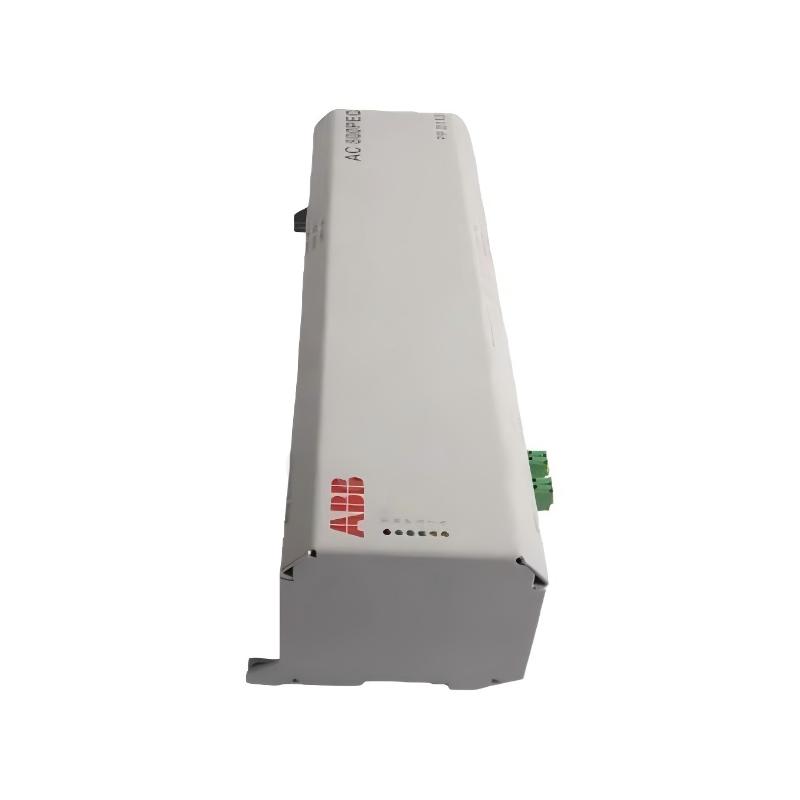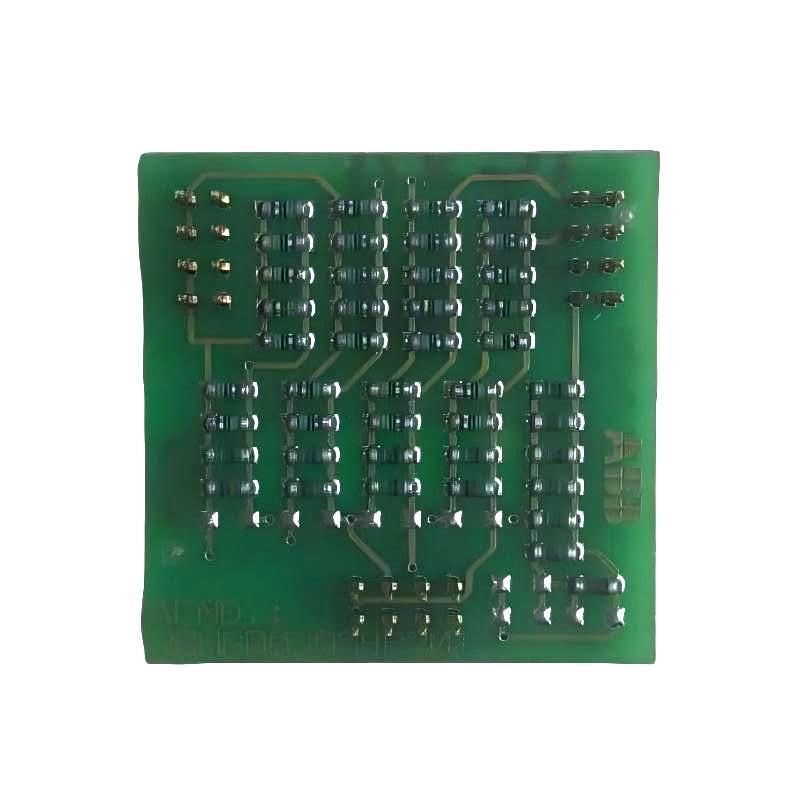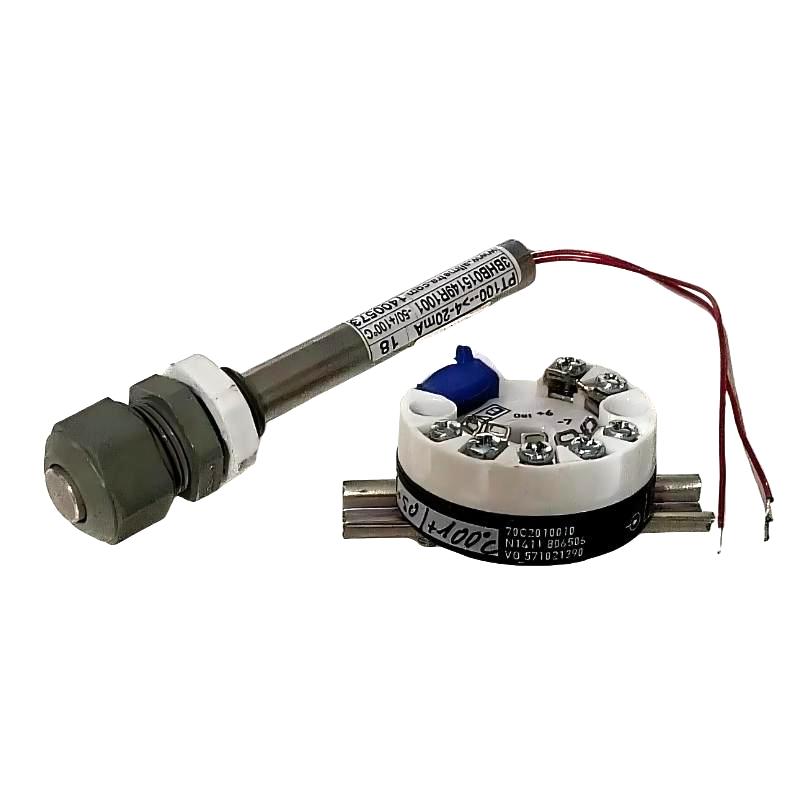
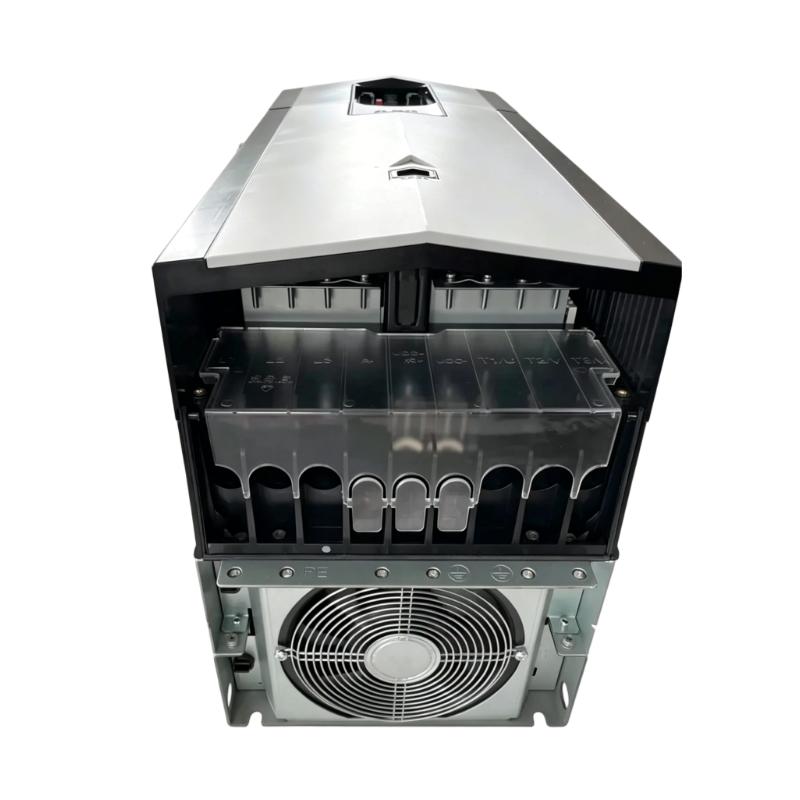
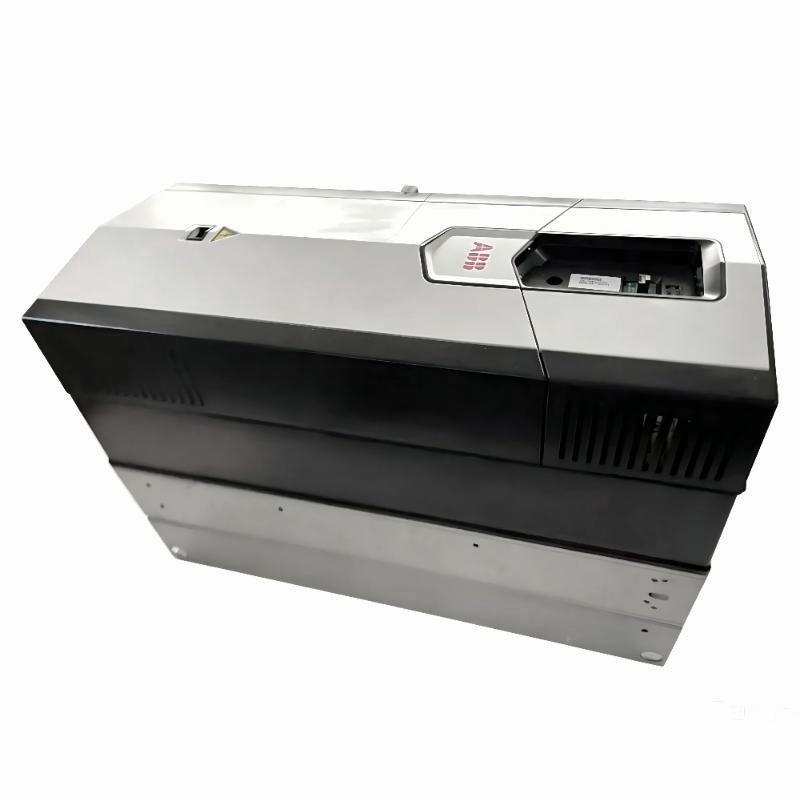
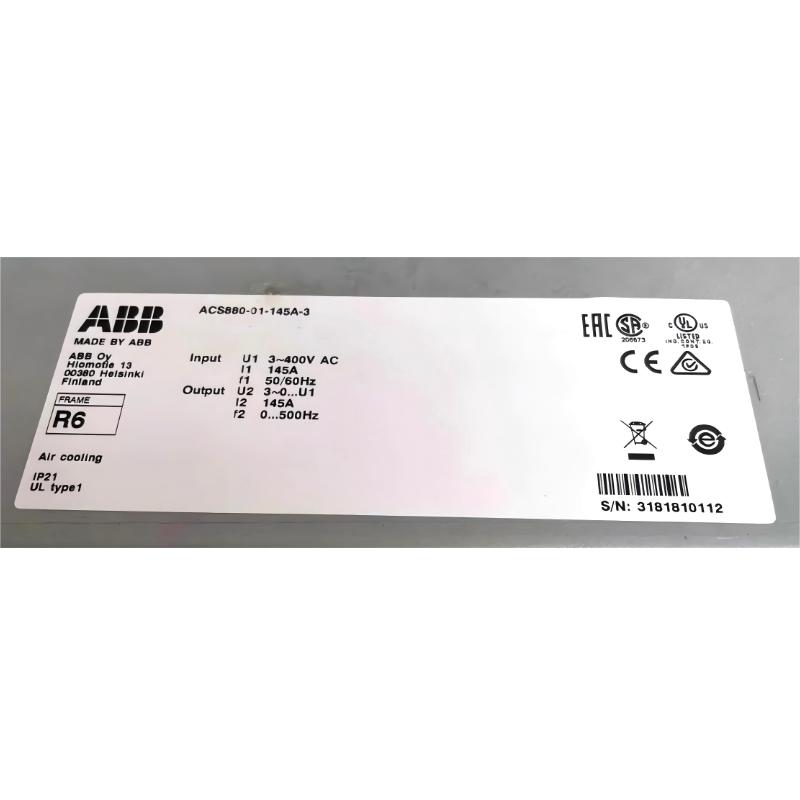
ABB ACS880-01-145A-3 3ABD00035951-D Variable Frequency Drive
| Company Information | ||||||||
| [email protected] | ||||||||
| Mobile | +8613666084105 | |||||||
| +8613666084105 | ||||||||
| 15305023276 | ||||||||
| Add to | Room 1004, No. 62 Xiangxiu Li, Siming District, Xiamen City, Fujian Province, China | |||||||
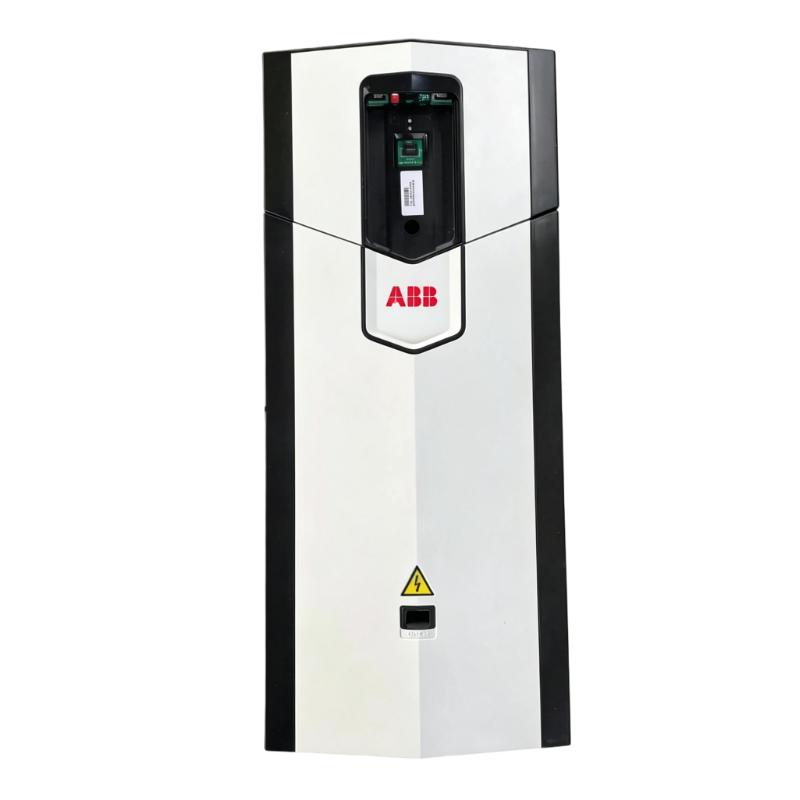 Technical Specifications
| Parameter | Specification |
|---|---|
| Model | ACS880-01-145A-3 |
| Ordering Number | 3ABD00035951-D |
| Product Type | Low Voltage Variable Frequency Drive (VFD) |
| Drive Series | ACS880-01 Wall-Mounted Drive |
| Input Voltage | 3-Phase 380–480 V AC |
| Input Frequency | 50/60 Hz |
| Rated Output Current | 145 A |
| Rated Power (Heavy Duty) | 75 kW |
| Rated Power (Normal Duty) | 90 kW |
| Output Frequency Range | 0–500 Hz |
| Control Technology | Direct Torque Control (DTC) and Sensorless Vector Control |
| Protection Rating | IP21 (Standard) |
| Cooling Method | Forced Air Cooling |
| Communication Interface | Standard industrial communication interface with optional fieldbus adapters (PROFINET, EtherNet/IP, PROFIBUS DP, Modbus, and others) |
| EMC Compliance | Industrial EMC compliant |
| Overload Capacity | 150% rated current for 60 seconds (Heavy Duty) |
| Operating Temperature | -15°C to +50°C (derating required above rated ambient temperature) |
| Mounting Method | Wall-Mounted |
| Dimensions | 726 × 251 × 357 mm |
| Weight | 45 kg |
FAQ
1. What industrial applications is the ACS880-01-145A-3 best suited for?
The ACS880-01-145A-3 is engineered for demanding medium- and high-power industrial applications that require precise motor control, continuous operation, and high reliability. It is commonly used in pumps, fans, compressors, conveyors, mixers, crushers, extruders, paper machinery, mining equipment, HVAC systems, and various process industries. Equipped with ABB’s Direct Torque Control (DTC) technology, the drive delivers exceptionally fast torque response without requiring an encoder in many applications, ensuring excellent speed accuracy even during sudden load variations. Its advanced motor control capabilities help improve production efficiency, reduce mechanical stress on rotating equipment, minimize maintenance requirements, and lower overall operating costs. The drive is particularly suitable for facilities where uninterrupted operation and high energy efficiency are essential.
2. What is the recommended commissioning procedure before the drive is placed into service?
Successful commissioning begins with verifying that the incoming power supply matches the specified voltage range and ensuring that all power cables, motor cables, control wiring, and protective grounding have been installed correctly. The installer should then enter the complete motor nameplate information, including rated voltage, rated current, rated frequency, rated speed, and rated power. Performing a Motor Identification Run (ID Run) is strongly recommended because it allows the drive to develop an accurate mathematical model of the connected motor, significantly improving torque production, speed regulation, startup smoothness, and overload capability. After parameter configuration, the drive should be tested under no-load conditions, followed by gradual loading while monitoring output current, motor temperature, operating frequency, and system stability. Any abnormal alarms should be investigated before full production begins.
3. What are the most common causes of overcurrent trips, and how should they be diagnosed?
Overcurrent trips are generally caused by excessive mechanical loading, motor shaft blockage, short circuits on the motor side, damaged output cables, incorrectly configured motor parameters, or acceleration ramps that are too aggressive for the application. High-inertia equipment can require substantial starting torque, causing current peaks that exceed the drive’s protection limits if acceleration time is insufficient. Troubleshooting should begin with disconnecting the motor and measuring insulation resistance, inspecting cable condition, checking for mechanical binding, and verifying that the motor rotates freely. Users should also confirm that the motor data entered into the drive exactly matches the motor nameplate and review acceleration, current limit, and torque limit settings. Systematic diagnosis helps eliminate repeated faults while improving overall operational reliability.
4. How can long-term reliability and preventive maintenance be optimized?
Long-term reliability depends heavily on regular preventive maintenance and proper operating conditions. The cooling fan, heat sink, and air passages should be inspected and cleaned periodically to maintain efficient heat dissipation. Electrical terminals should be checked regularly for proper tightening because loose connections can generate excessive heat and reduce equipment reliability. The electrical cabinet should remain clean, dry, and adequately ventilated to prevent overheating and contamination. Maintenance personnel should periodically review diagnostic logs, monitor operating current, DC bus voltage, internal temperatures, and fault history to identify developing issues before failures occur. Replacing wear components such as cooling fans at recommended service intervals and avoiding continuous overload operation can significantly extend the service life of the power electronics and reduce unexpected downtime.
5. Why might the motor produce insufficient torque or unstable speed at low operating frequencies?
Insufficient low-speed torque or unstable speed performance may result from incomplete motor identification, incorrect motor parameter configuration, unsuitable control mode selection, unstable incoming power, or excessive mechanical loading. If the mathematical motor model does not accurately represent the connected motor, torque production at low frequencies may be reduced. Repeating the Motor Identification Run under proper conditions often restores optimal performance. Mechanical inspections should also be performed to identify worn bearings, shaft misalignment, excessive friction, or transmission problems that increase load resistance. In applications requiring continuous high torque at low speed, additional optimization of torque boost, speed controller parameters, and acceleration profiles may further improve operational stability while reducing vibration and mechanical wear.
6. How can the ACS880-01-145A-3 be integrated reliably with PLC and DCS systems?
The drive supports seamless integration into industrial automation systems through optional communication modules compatible with protocols such as PROFINET, EtherNet/IP, PROFIBUS DP, and Modbus. Successful communication requires selecting the appropriate fieldbus adapter, assigning the correct network address, configuring communication speed and process data mapping, and ensuring that PLC programming corresponds correctly to the drive’s control and status words. Once communication is established, operators can remotely start and stop the drive, adjust speed references, monitor process variables, retrieve diagnostic information, acknowledge alarms, and perform advanced condition monitoring. For maximum communication reliability, shielded industrial communication cables should be installed separately from power cables, with proper grounding implemented throughout the entire control system to minimize electromagnetic interference.
7. What should be inspected if overheating alarms occur repeatedly during operation?
Repeated overheating alarms usually indicate inadequate cooling, excessive loading, or unfavorable environmental conditions. Maintenance personnel should first verify that all cooling fans are operating correctly and that heat sinks are free of dust, oil, or other contaminants that may restrict airflow. Cabinet ventilation should be evaluated to ensure sufficient air circulation, particularly in installations operating continuously at high power levels. The actual motor load should also be compared with the rated capacity of the drive to determine whether overload conditions exist. Continuous monitoring of output current, internal temperature values, and ambient conditions can help identify developing thermal problems before protective shutdown occurs. Improving ventilation, reducing unnecessary overloads, and maintaining a clean installation environment are highly effective methods for preventing recurring thermal alarms and extending equipment life.
8. What installation practices are recommended to minimize electromagnetic interference (EMI) and improve overall system stability?
Reliable EMC performance begins with correct installation practices. Shielded motor cables should be used wherever possible, with proper 360-degree grounding applied according to industrial installation standards. Power cables, control wiring, encoder cables, and communication cables should be routed separately to minimize electromagnetic coupling. For installations with long motor cable runs, output reactors, dv/dt filters, or sine-wave filters may be installed to reduce reflected voltage, decrease high-frequency switching stress, and protect both the motor insulation and the drive output stage. Establishing a low-impedance grounding network throughout the electrical system further improves immunity to electrical noise while enhancing communication reliability with PLCs, DCS controllers, and monitoring equipment. Following these installation practices significantly reduces nuisance faults, improves signal quality, increases equipment reliability, and ensures stable long-term operation in demanding industrial environments.
ABB ACS880-01-145A-3 3ABD00035951-D Variable Frequency Drive is in stock. Please contact us for a quick quote and competitive pricing.
| Company Information | ||||||||
| [email protected] | ||||||||
| Mobile | +8613666084105 | |||||||
| +8613666084105 | ||||||||
| 13950166376 | ||||||||
| Add to | Room 1004, No. 62 Xiangxiu Li, Siming District, Xiamen City, Fujian Province, China | |||||||
Company Introduction
Xiamen Shengruite Trading Co., Ltd. is a company specializing in the supply of industrial PLC spare parts.
We provide high-quality PLC spare parts to customers in the global manufacturing, energy and power, chemical and other fields.
Since its establishment in 2011, after 13 years of rapid development, the cumulative global shipments have reached 223,650 pieces, with an annual output value of US$50 million.
Successfully served more than 500 customers in more than 100 countries and regions including Saudi Arabia, UAE, the United States, Europe, Africa, and Southeast Asia
Our Mission
Provide customers with the best quality PLC spare parts and the fastest delivery service to ensure that their industrial automation systems are always in the best operating condition.
We provide a 1-year warranty service, and we support returns and exchanges for any issues to ensure your rights and interests are fully protected.
We can provide detailed product images upon request, and our team can arrange warehouse photos for confirmation to ensure you have all the information you need before making a purchase.
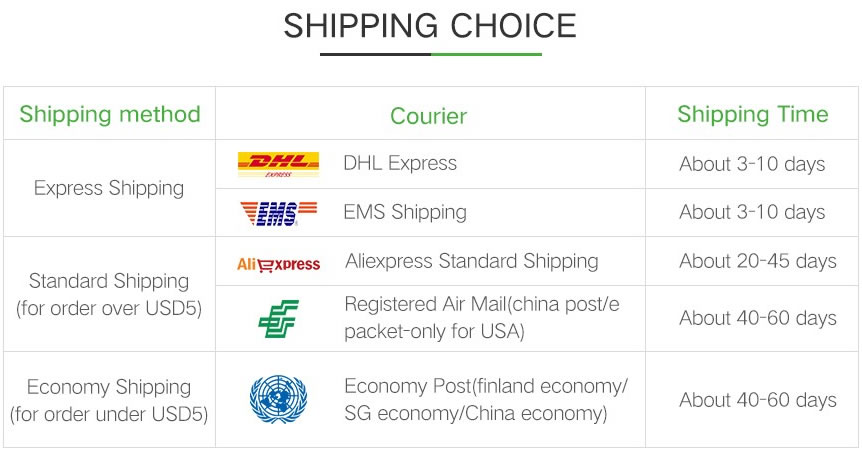
Shipping times vary depending on your location. With the support of our 16 global warehouses, we strive to deliver orders as quickly as possible. Contact us to get an estimated delivery time for your specific location.
The minimum order quantity (MOQ) is typically one unit. However, for larger orders, please contact us for potential discounts and pricing details.
Yes, we offer competitive pricing for bulk purchases. Please reach out to our sales team with the specifics of your order to receive a custom quote.
We accept various payment methods for wholesale orders, including bank transfers (T/T), letters of credit, and other options upon agreement. For large transactions, please contact us directly for payment terms.
Yes, we offer flexible ordering options for both small and large quantities. Whether youre looking for a single unit or a large batch, we can accommodate your needs.
We occasionally offer promotional discounts for new wholesale customers. Contact us to learn more about any current offers available for first-time buyers.
If you are unsure of compatibility with your existing setup please provide your system details and our support team can verify compatibility prior to purchase.
Returns are accepted within 30 days if the product is unused, unopened, and in its original packaging. Please note that return shipping and associated costs are the buyer\\\\\\\\\\\\\\\\\\\\\\\\\\\\\\\\\\\\\\\\\\\\\\\\\\\\\\\\\\\\\\\\\\\\\\\\\\\\\\\\\\\\\\\\\\\\\\\\\\\\\\\\\\\\\\\\\\\\\\\\\\\\\\\\\\\\\\\\\\\\\\\\\\\\\\\\\\\\\\\\\\\\\\\\\\\\\\\\\\\\\\\\\\\\\\\\\\\\\\\\\\\\\\\\\\\\\\\\\\\\\\\\\\\\\\\\\\\\\\\\\\\\\\\\\\\\\\\\\\\\\\\\\\\\\\\\\\\\\\\\\\\\\\\\\\\\\\\\\\\\\\\\\\\\\\\\\\\\\\\\\\\\\\\\\\\\\\\\\\\\\\\\\\\\\\\\\\\\\\\\\\\\\\\\\\\\\\\\\\\\\\\\\\\\\\\\\\\\\\\\\\\\\\\\\\\\\\\\\\\\\\\\\\\\\\\\\\\\\\\\\\\\\\\\\\\\\\\\\\\\\\\\\\\\\\\\\\\\\\\\\\\\\\\\\\\\\\\\\\\\\\\\\\\\\\\\\\\\\\\\\\\\\\\\\\\\\\\\\\\\\\\\\\\\\\\\\\\\\\\\\\\\\\\\\\\\\\\\\\\\\\\\\\\\\\\\\\\\\\\\\\\\\\\\\\\\\\\\\\\\\\\\\\\\\\\\\\\\\\\\\\\\\\\\\\\\\\\\\\\\\\\\\\\\\\\\\\\\\\\\\\\\\\\\\\\\\\\\\\\\\\\\\\\\\\\\\\\\\\\\\\\\\\\\\\\\\\\\\\\\\\\\\\\\\\\\\\\\\\\\\\\\\\\\\\\\\\\\\\\\\\\\\\\\\\\\\\\\\\\\\\\\\\\\\\\\\\\\\\\\\\\\\\\\\\\\\\\\\\\\\\\\\\\\\\\\\\\\\\\\\\\\\\\\\\\\\\\\\\\\\\\\\\\\\\\\\\\\\\\\\\\\\\\\\\\\\\\\\\\\\\\\\\\\\\\\\\\\\\\\\\\\\\\\\\\\\\\\\\\\\\\\\\\\\\\\\\\\\\\\\\\\\\\\\\\\\\\\\\\\\\\\\\\\\\\\\\\\\\\\\\\\\\\\\\\\\\\\\\\\\\\\\\\\\\\\\\\\\\\\\\\\\\\\\\\\\\\\\\\\\\\\\\\\\\\\\\\\\\\\\\\\\\\\\\\\\\\\\\\\\\\\\\\\\\\\\\\\\\\\\\\\\\\\\\\\\\\\\\\\\\\\\\\\\\\\\\\\\\\\\\\\\\\\\\\\\\\\\\\\\\\\\\\\\\\\\\\\\\\\\\\\\\\\\\\\\\\\\\\\\\\\\\\\\\\\\\\\\\\\\\\\\\\\\\\\\\\\\\\\\\\\\\\\\\\\\\\\\\\\\\\\\\\\\\\\\\\\\\\\\\\\\\\\\\\\\\\\\\\\\\\\\\\\\\\\\\\\\\\\\\\\\\\\\\\\\\\\\\\\\\\\\\\\\\\\\\\\\\\\\\\\\\\\\\\\\\\\\\\\\\\\\\\\\\\\\\\\\\\\\\\\\\\\\\\\\\\\\\\\\\\\\\\\\\\\\\\\\\\\\\\\\\\\\\\\\\\\\\\\\\\\\\\\\\\\\\\\\\\\\\\\\\\\\\\\\\\\\\\\\\\\\\\\\\\\\\\\\\\\\\\\\\\\\\\\\\\\\\\\\\\\\\\\\\\\\\\\\\\\\\\\\\\\\\\\\\\\\\\\\\\\\\\\\\\\\\\\\\\\\\\\\\\\\\\\\\\\\\\\\\\\\\\\\\\\\\\\\\\\\\\\\\\\\\\\\\\\\\\\\\\\\\\\\\\\\\\\\\\\\\\\\\\\\\\\\\\\\\\\\\\\\\\\\\\\\\\\\\\\\\\\\\\\\\\\\\\\\\\\\\\\\\\\\\\\\\\\\\\\\\\\\\\\\\\\\\\\\\\\\\\\\\\\\\\\\\\\\\\\\\\\\\\\\\\\\\\\\\\\\\\\\\\\\\\\\\\\\\\\\\\\\\\\\\\\\\\\\\\\\\\\\\\\\\\\\\\\\\\\\\\\\\\\\\\\\\\\\\\\\\\\\\\\\\\\\\\\\\\\\\\\\\\\\\\\\\\\\\\\\\\\\\\\\\\\\\\\\\\\\\\\\\\\\\\\\\\\\\\\\\\\\\\\\\\\\\\\\\\\\\\\\\\’s responsibility.
Yes, we offer technical support for the installation and integration of our products. Our team can assist with setup, configuration, and troubleshooting to ensure a smooth installation.