100% Original, Ready to Ship!

Emerson Releases PAC Machine Edition 11.0: Advancing PLC Programming And Industrial Automation Engineering
Emerson has announced the release of PAC Machine Edition version 11.0, an enhanced engineering software platform designed to simplify machine automation development, commissioning, and maintenance. Officially announced on October 16, 2026, the new version brings PLC programming, HMI development, motion control, device configuration, and diagnostics into a unified engineering environment.
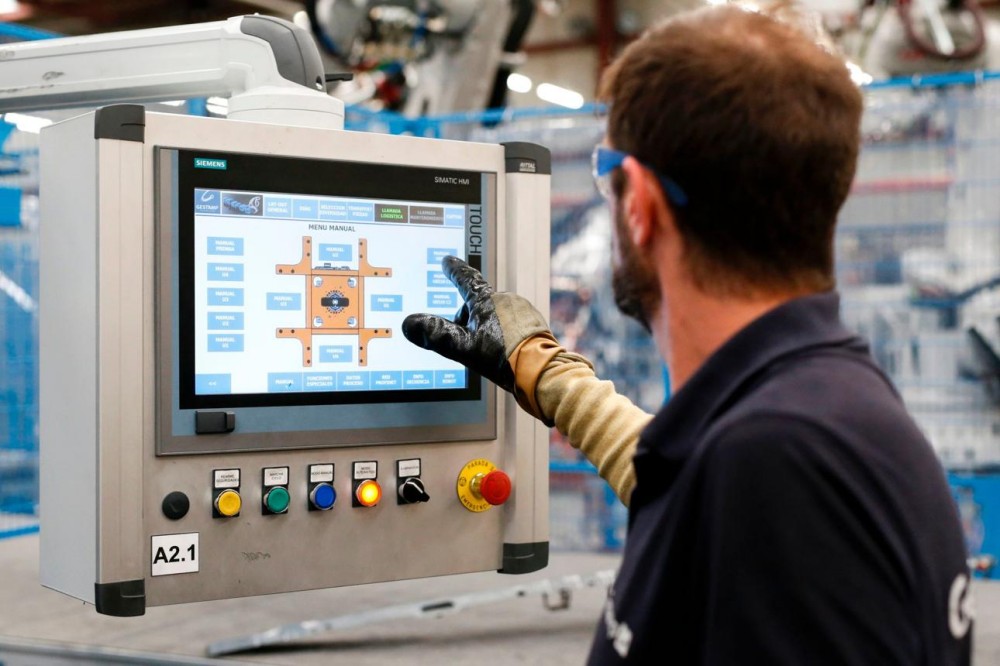
A Unified Platform for PLC and Machine Automation
Modern industrial automation projects often involve multiple engineering tools for controller programming, motion configuration, visualization, and equipment diagnostics. Managing these separate applications can increase engineering complexity and make project maintenance more difficult.
PAC Machine Edition 11.0 addresses these challenges by providing a common development environment for machine builders and automation engineers. Users can configure hardware, develop control applications, commission systems, and troubleshoot equipment within a shared project.
The platform supports multiple automation components, including programmable logic controllers (PLCs), I/O systems, motion control devices, human-machine interfaces (HMIs), and industrial drives.
Improved Integration of Control, Motion, and Visualization
One of the key improvements in PAC Machine Edition 11.0 is the integration of PLC logic development, motion applications, and operator interface design.
This approach allows engineers to coordinate machine control and visualization development within a more consistent engineering workflow. Centralized configuration also supports controllers, drives, I/O modules, industrial networks, and IO-Link devices from a single workspace.
The software supports IEC 61131-3 programming languages, native C development, and function block libraries, providing flexibility for different machine automation requirements.
For system integrators and OEM machine builders, these capabilities can help standardize engineering practices, reduce duplicated configuration work, and simplify project deployment.
Enhanced PLC Simulation and Troubleshooting Capabilities
PAC Machine Edition 11.0 also introduces improvements to its internal controller and PLC simulation engine, supporting offline testing before deployment to physical equipment.
This capability is particularly relevant to automation engineers who need to verify control logic, evaluate application behavior, and identify potential issues during development.
The expanded change management audit trail also provides improved access to project change records, supporting engineering traceability and maintenance activities.
In addition, the software introduces native configuration support for Emerson’s new QuickPanel+2 HMI, further strengthening its integrated machine engineering environment.
What This Means for Industrial Automation
Emerson’s PAC Machine Edition 11.0 release reflects a broader trend toward integrated engineering platforms in industrial automation.
As manufacturing equipment becomes more connected and complex, engineers increasingly need efficient ways to manage PLC programming, motion control, HMI configuration, simulation, and diagnostics throughout the equipment lifecycle.
Although software improvements cannot replace proper commissioning procedures or industrial safety requirements, unified engineering environments can help reduce workflow fragmentation and improve project consistency.
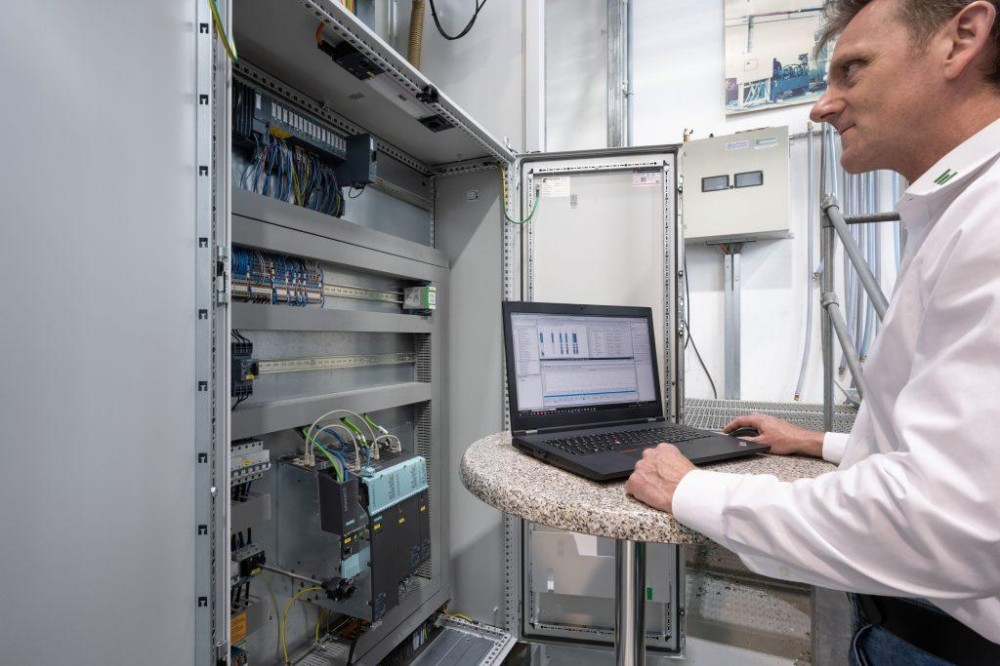
For PLC engineers, OEM manufacturers, and industrial system integrators, the development highlights the growing importance of software integration in modern machine automation.
As industrial facilities continue to modernize, reliable PLC hardware, I/O modules, communication interfaces, motion controllers, and engineering software will remain essential components of efficient and dependable production systems.
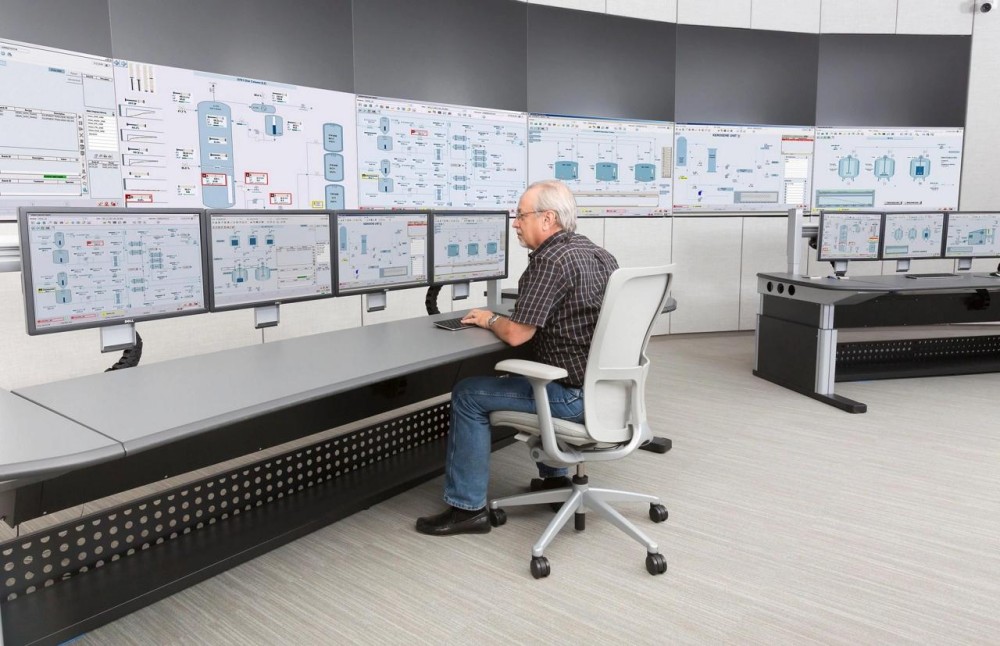 Aptiv Expands Industrial Robotics Partnerships To Advance Physical AI In Smart Manufacturing
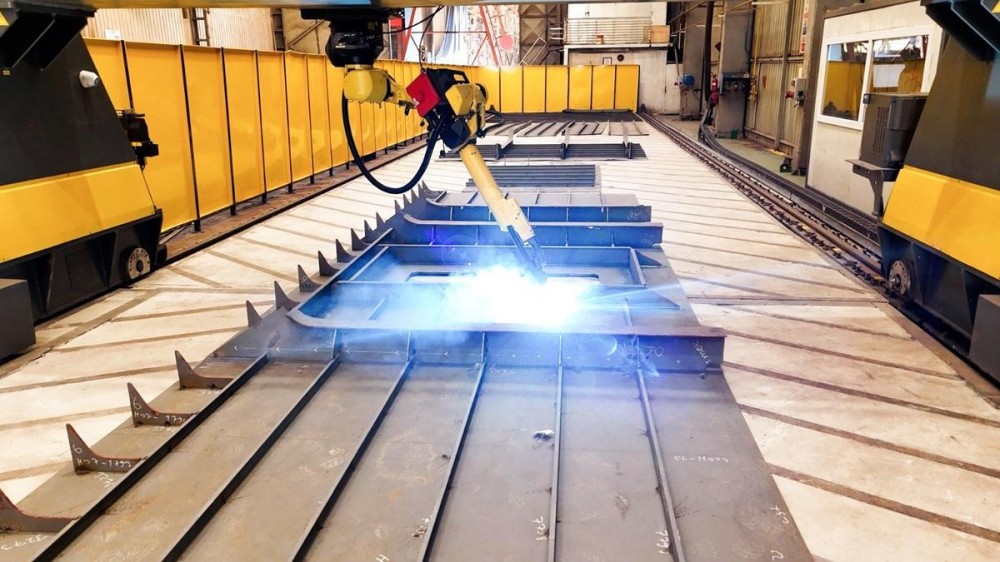 Path Robotics Raises $300 Million To Expand AI-Powered Industrial Welding Automation
 Rockwell Automation Introduces PanelView Pro HMI For Modern Industrial Automation Systems
 Yokogawa Selected As Main Automation Contractor For LNG Canada Phase 2 Expansion Project