100% Original, Ready to Ship!

Yokogawa Wins Brazilian Mining Automation Project To Supply DCS And Safety Instrumented Systems
Yokogawa Electric Corporation has received an order from Brazilian iron ore producer Samarco Mineração S.A. to supply distributed control systems (DCS), safety instrumented systems (SIS), field instruments, and related engineering services.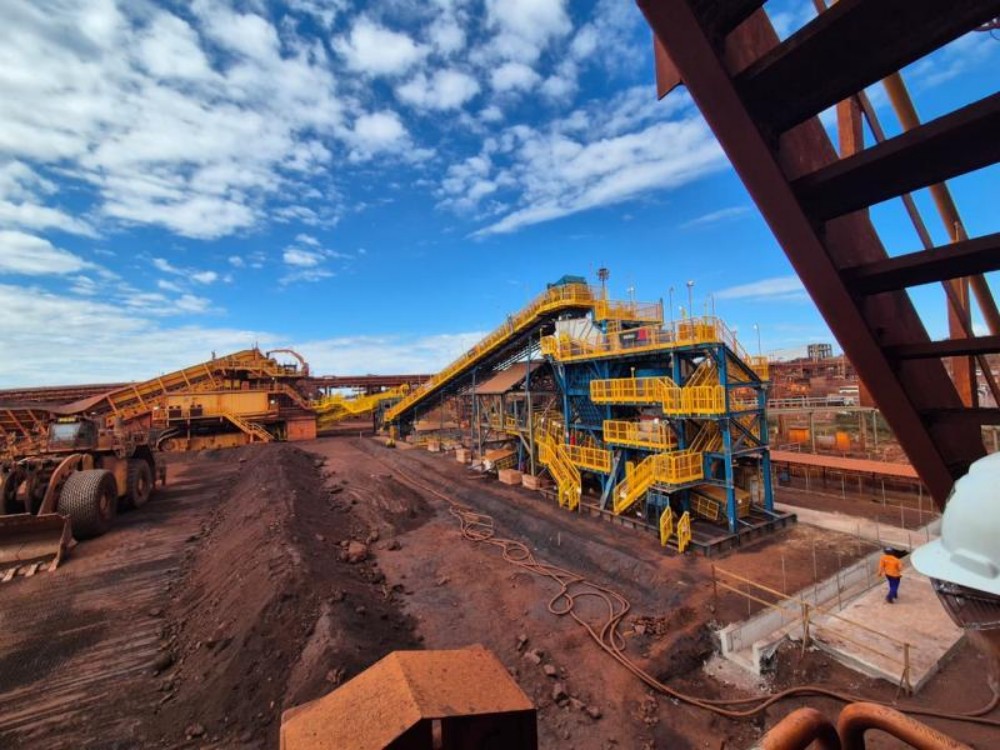
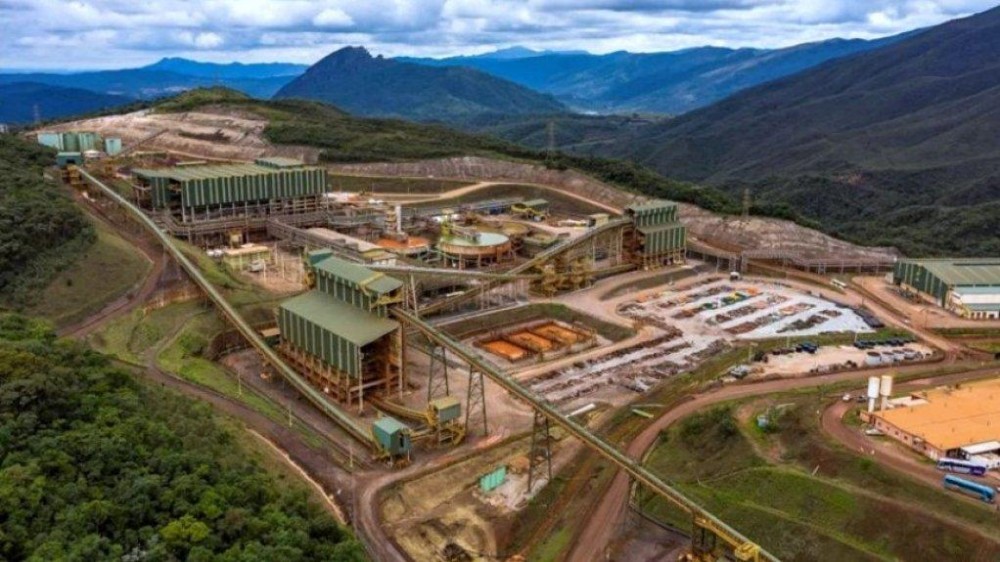
Announced on November 12, 2026, the project covers Samarco’s Germano mining complex in Minas Gerais and its Ubu iron ore pellet production facilities in Espírito Santo, Brazil.
The order represents another important application of integrated industrial automation in the mining and mineral processing industry.
Large-Scale Control System Modernization
Samarco is a joint venture between Brazil’s Vale and Australia’s BHP. The company produces iron ore pellets used as raw materials in steel manufacturing.
As part of the project, existing automation infrastructure at the two facilities will be partially replaced with Yokogawa’s DCS and SIS solutions. The modernization will also include pressure and flow measurement instruments.
The new control architecture will comprise more than 50,000 I/O points, including physical and communication-based points.
This large-scale deployment demonstrates the importance of reliable industrial control infrastructure in complex mining and mineral processing operations.
Industrial Communication Technologies and System Integration
The project will incorporate several industrial communication technologies, including Ethernet-APL, PROFINET S2, and PROFIsafe.
These technologies support communication between field-level equipment, control systems, and safety-related devices.
Ethernet-APL enables Ethernet connectivity for process automation field devices, while PROFINET S2 supports system redundancy in industrial communication architectures. PROFIsafe is designed to transmit safety-related data over compatible industrial networks.
Together, these technologies provide a foundation for integrated monitoring and control across different production processes.
From Ore Processing to Iron Ore Pellet Production
The automation project covers multiple stages of Samarco’s operations, including ore crushing, grinding, flotation, pelletizing, and induration.
These processes involve complex combinations of rotating machinery, pumps, conveyors, process instruments, and temperature and pressure control equipment.
The upgraded DCS infrastructure is intended to strengthen integrated process control and operational monitoring across the two facilities, which are approximately 400 kilometers apart.
By connecting operational information from field equipment and production systems, the project aims to support safer and more stable industrial operations.
What This Means for the DCS Industry
Large mining facilities depend on reliable automation systems to maintain production continuity and manage complex operating conditions.
The Samarco project highlights continuing demand for DCS platforms, safety controllers, industrial I/O modules, pressure transmitters, flowmeters, and industrial communication equipment.
For automation engineers and system integrators, the project also demonstrates the importance of coordinating process control and functional safety within a unified industrial architecture.
As mining companies continue to modernize production infrastructure, integrated automation technologies will remain essential to improving process visibility, equipment reliability, and operational safety.
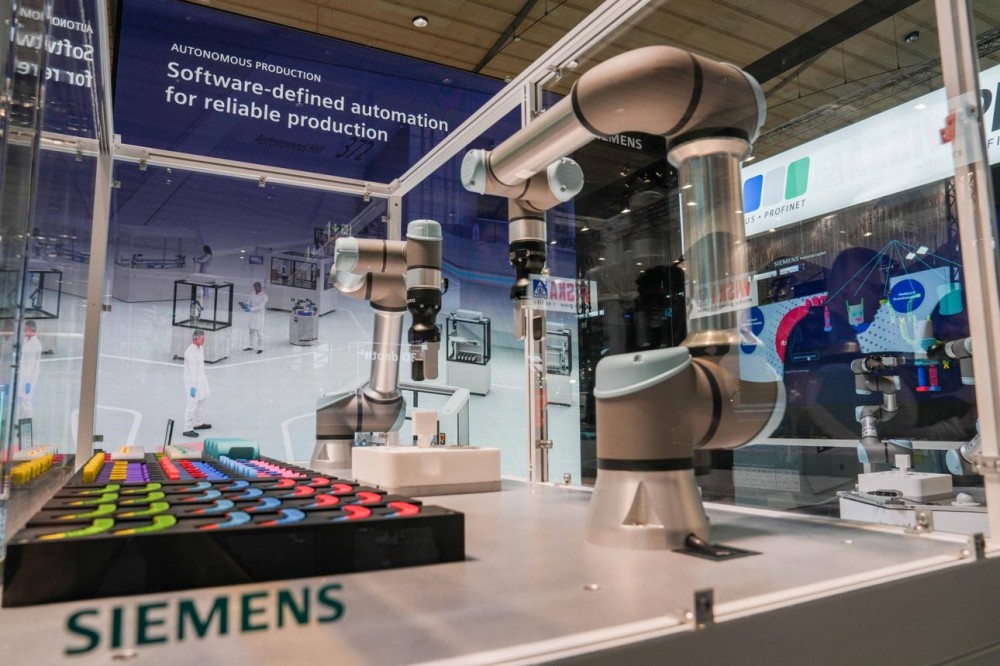 Siemens Advances Industrial Automation With AI-Powered Production, PLC Engineering And Autonomous Robotics
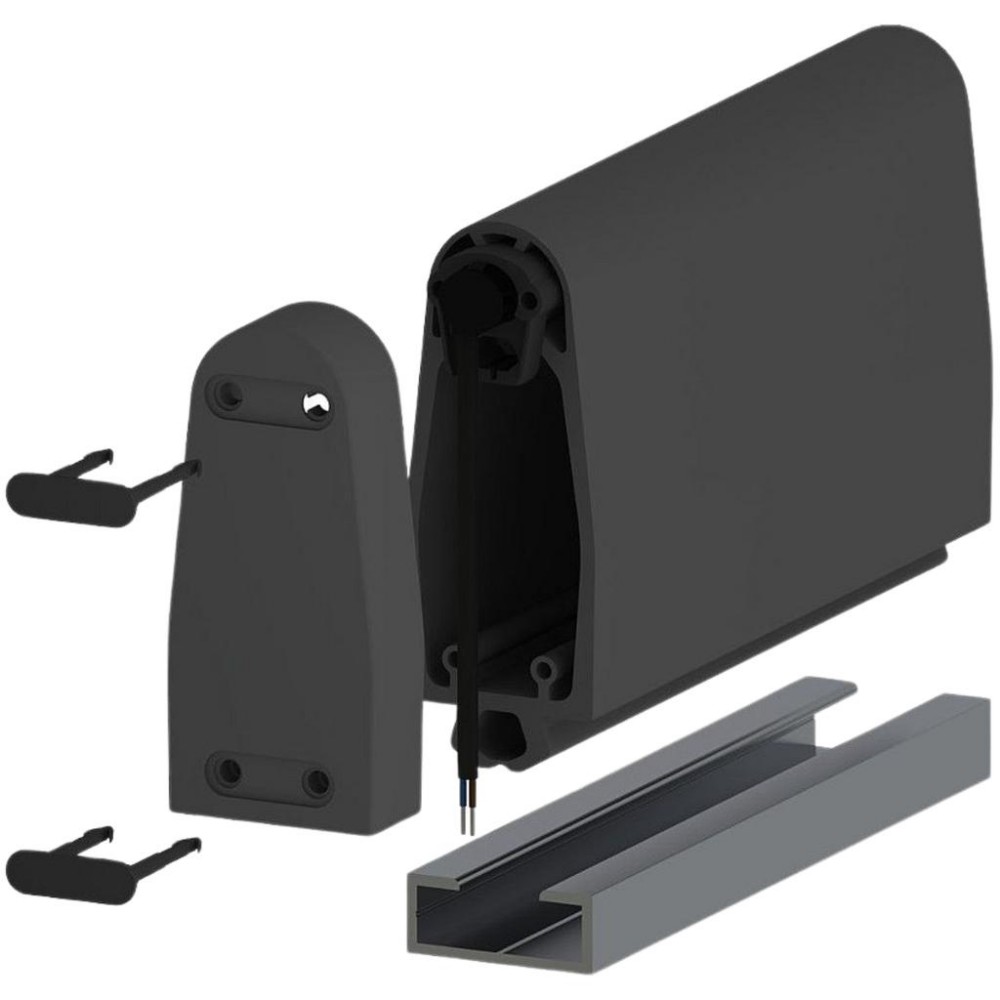 Dacke Industri Acquires ASO Safety Solutions To Expand Industrial Safety Sensor And Automation Capabilities
 Rockwell Automation Implements Plex MES At Booster Precision Components To Improve Manufacturing Visibility And Traceability
 Yokogawa Launches OpreX Universal Autonomous Control System R1.01 PLC For Process Automation