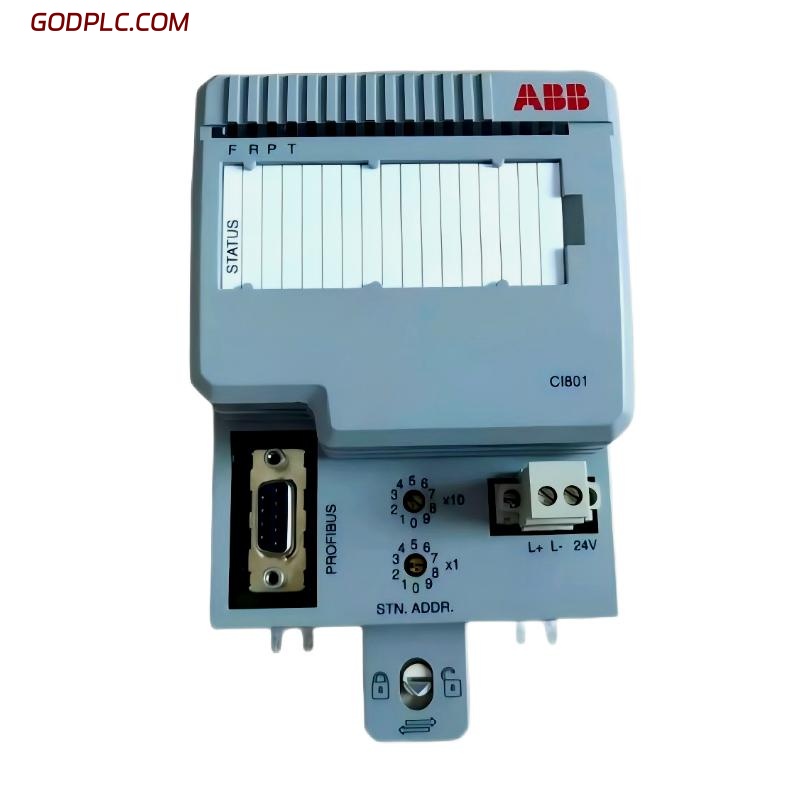
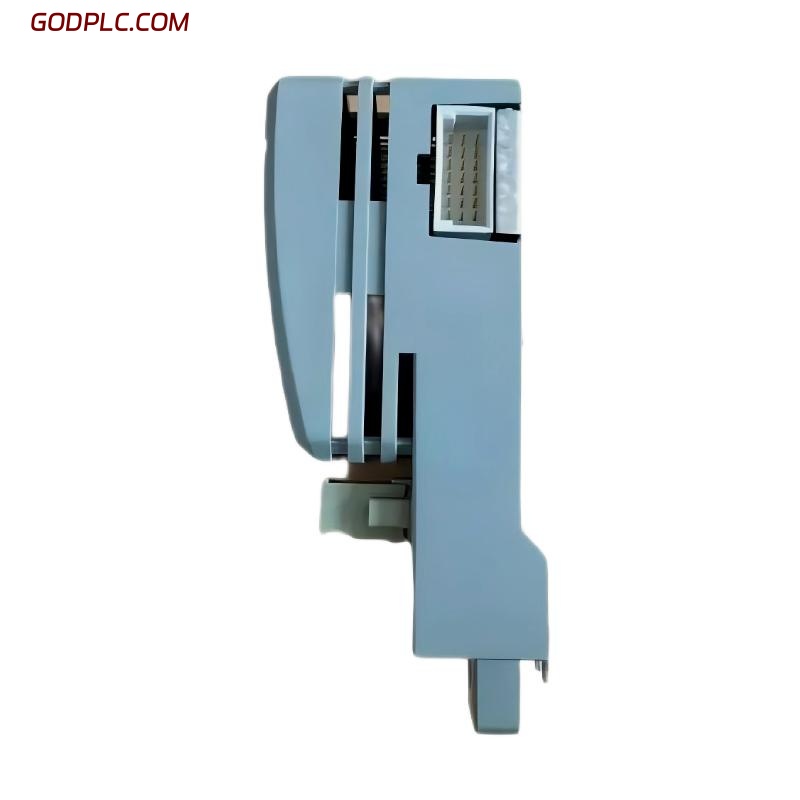
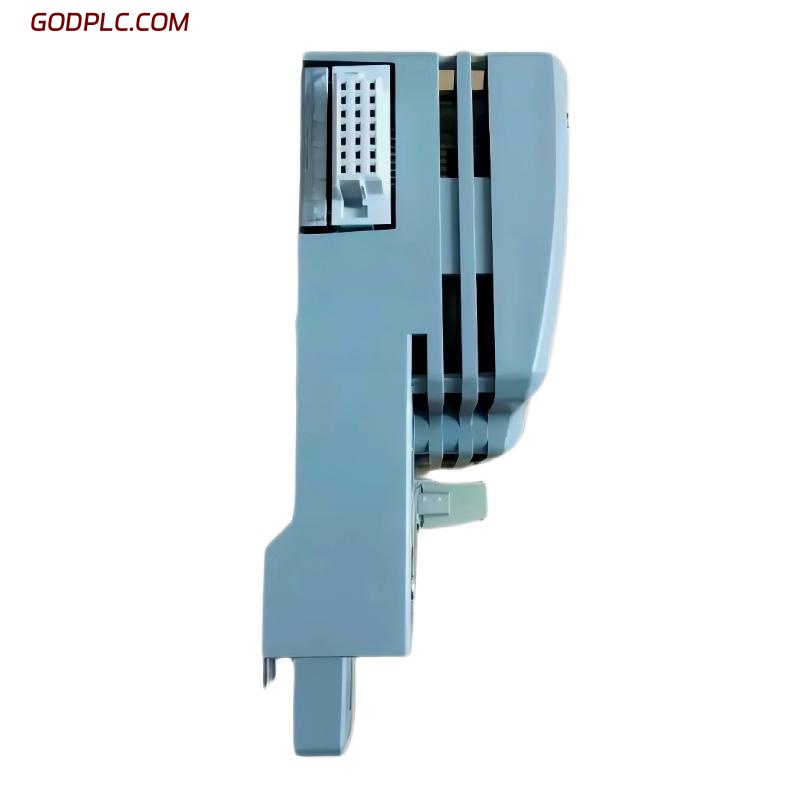
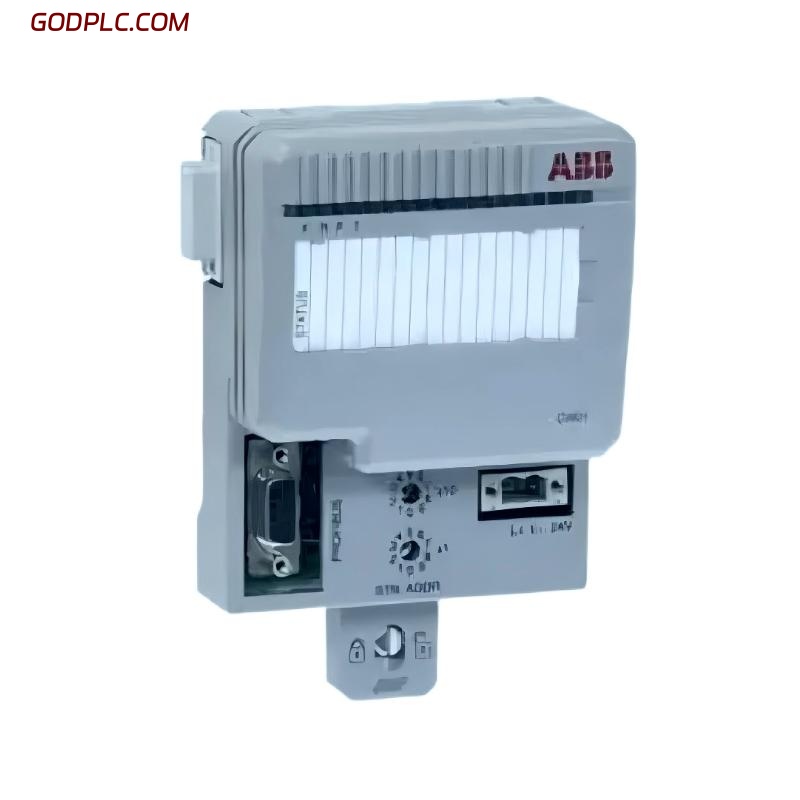
Technical Specifications
| Parameter | Specification |
|---|---|
| Manufacturer | ABB |
| Product Name | Interface Module |
| Model Number | CI801-EA |
| Ordering Code | 3BSE022366R2 |
| Module Type | Communication Interface Module |
| Applicable System | ABB control system platform |
| Communication Interface | PROFIBUS DP |
| Transmission Rate | Up to 12 Mbit/s |
| Communication Mode | Master / Slave support (system dependent) |
| Power Supply | 24 V DC |
| Electrical Isolation | Bus and internal circuit isolation |
| Diagnostic Functions | Online diagnostics and status monitoring |
| Mounting Method | DIN rail mounting |
| Operating Ambient Temperature | 0 °C to +55 °C |
| Protection Rating | IP20 |
| Dimensions | 85.8 × 136 × 58.5 mm |
| Weight | 0.3 kg |
FAQ
Q1: What is the primary function of the CI801-EA interface module?
A1: The module provides PROFIBUS DP communication between the control system and field devices, serving as a key interface for industrial data exchange.
Q2: What communication features are supported?
A2: It supports high-speed data transmission, cyclic and acyclic communication, and integrated online diagnostic capabilities for industrial automation systems.
Q3: Does the module provide electrical isolation?
A3: Yes. The bus side is electrically isolated from the internal control circuitry, enhancing noise immunity and system safety.
Q4: How is the module configured within a system?
A4: Configuration is performed through the control system engineering software, including address assignment and network parameter setup according to the system topology.
Q5: How does the module indicate communication faults?
A5: Communication errors are reported through status indicators and system diagnostic messages, enabling fast troubleshooting.
Q6: Can the module be used in redundant system architectures?
A6: Yes. When supported by the control system, it can operate within redundant configurations to improve system availability and reliability.
Q7: What installation considerations are important for stable operation?
A7: Proper wiring, correct grounding, and appropriate termination of the PROFIBUS network are essential for reliable communication.
Q8: How can long-term communication stability be ensured?
A8: Use certified PROFIBUS cables and connectors, design the network topology correctly, and regularly monitor diagnostic information to maintain stable operation.