100% Original, Ready to Ship!

Are Green Factory Practices Replicable? Insights On Industrial Low-Carbon Transformation
The replicability of green factory construction practices depends first and foremost on strong management commitment. Green and low-carbon transformation is often misunderstood as purely a social responsibility initiative, but in reality, it is closely tied to long-term business competitiveness and economic value creation.
Take China’s new energy vehicle, photovoltaic, and wind power industries as examples. These sectors have become major drivers of export growth, while several traditional export categories are experiencing decline. At the same time, international procurement standards increasingly require clear product carbon footprint disclosure. Companies that fail to establish carbon management systems risk losing competitiveness in global supply chains. As a result, carbon footprint management is rapidly becoming a core element of corporate competitiveness.
Secondly, successful implementation requires the right tools and methodologies. Companies can adopt different approaches depending on their financial capacity and operational needs, ranging from basic energy-saving upgrades to fully integrated system-level energy management solutions. For example, customized solutions developed in Tianjin provide both cost-effective retrofit options and more comprehensive system optimization strategies. By applying data-driven analysis, these solutions deliver tailored energy-saving recommendations across different industrial scenarios.
Green development is not an isolated effort by individual factories. Its true value emerges through coordinated progress across industrial parks, cities, and even national systems. Currently, approximately 75% of products manufactured locally come from factories certified as national or provincial green factories, laying a solid foundation for supply chain sustainability. These experiences are also being extended to key suppliers and customers, encouraging broader participation in green factory certification and accelerating industry-wide low-carbon transformation.
 Rockwell Automation Expands Industrial AI Capabilities With NVIDIA Nemotron Support
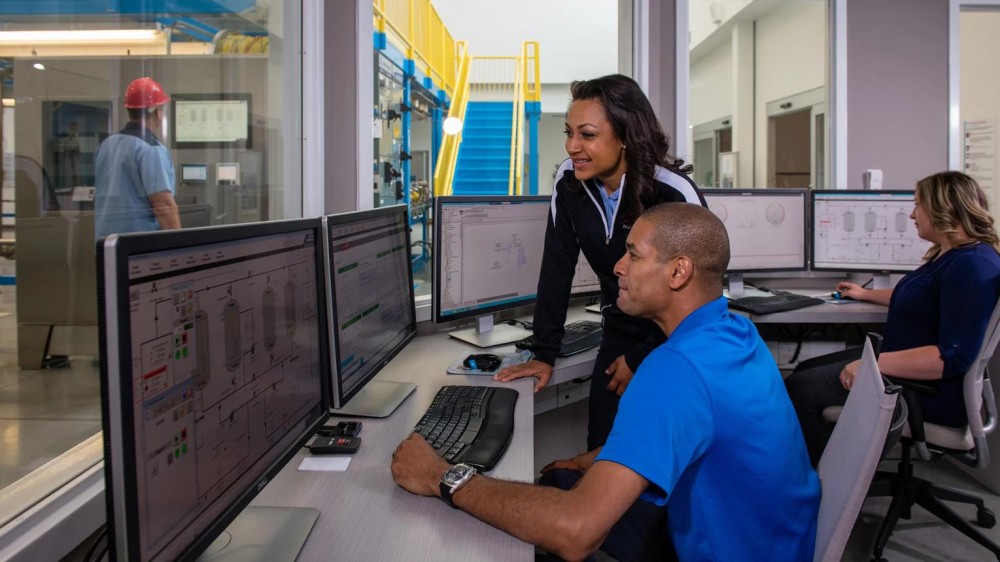 Rockwell Automation Introduces FactoryTalk Conductor To Advance AI-Driven Industrial Automation
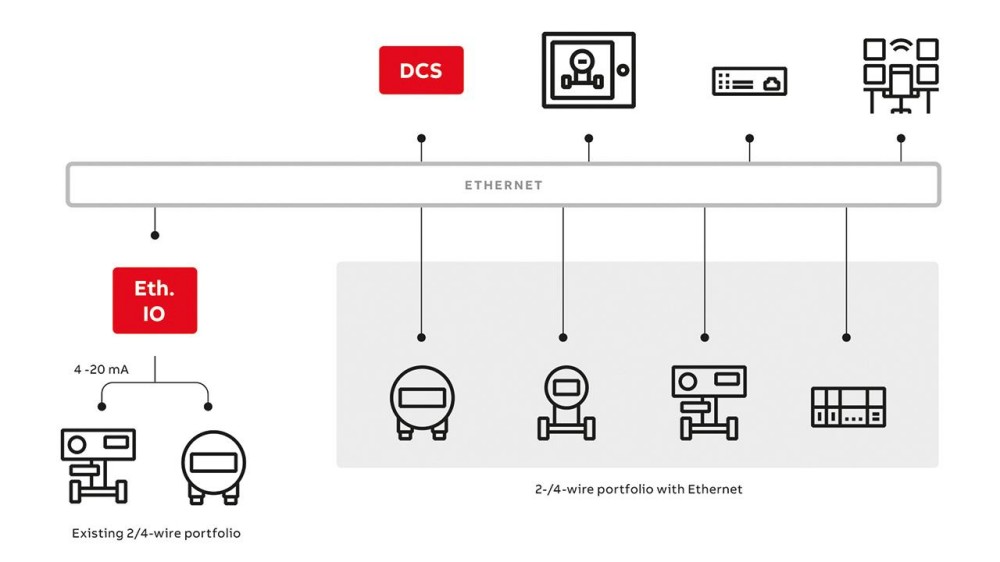 ABB And Boliden Advance DCS Modernization With Ethernet-APL Industrial Automation
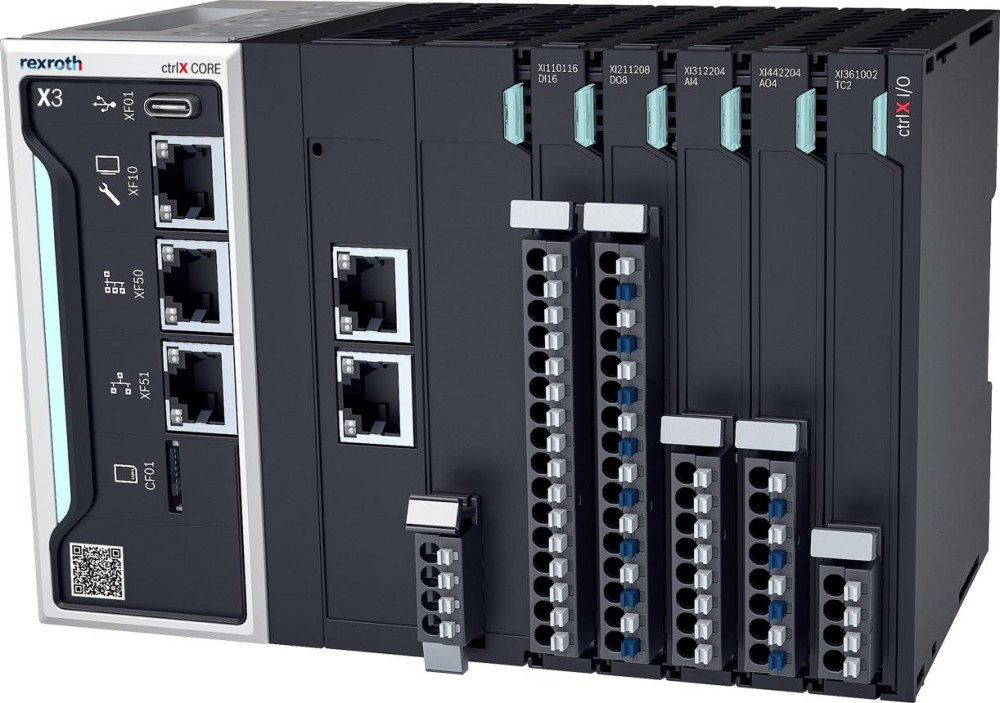 Bosch Rexroth Expands ctrlX AUTOMATION With New Safety PLC, Drive And Software Features