100% Original, Ready to Ship!

AI-Enhanced Cybersecurity Becomes A Growing Concern For PLC And DCS Systems
Cybersecurity has become one of the most important issues facing modern industrial automation. As factories, power systems and process plants become increasingly connected, operational technology networks are exposed to a growing number of cybersecurity risks.
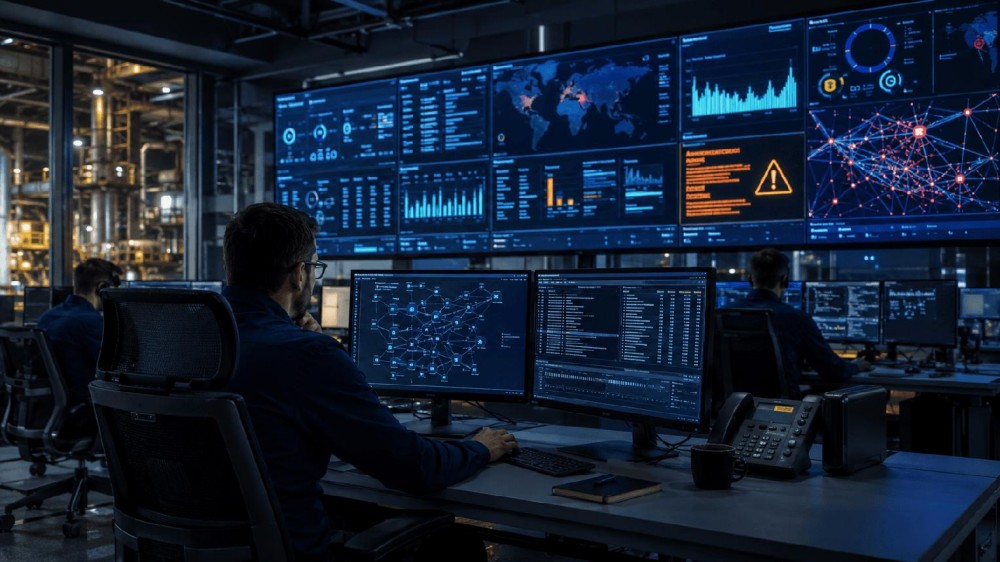
The rapid development of artificial intelligence is adding another layer to this challenge. AI can help defenders analyze large quantities of network information and identify abnormal behavior, but similar technologies can also be used by attackers to improve reconnaissance, automate parts of an attack and identify potential weaknesses more efficiently.
For PLC and DCS environments, this is particularly important because industrial control systems are directly connected to physical processes. A compromised IT system may affect business information, while a successful attack against an industrial control system could potentially influence pumps, motors, valves, drives and other equipment.
Modern factories commonly connect PLCs with HMIs, SCADA systems, historians, MES platforms, engineering workstations and remote-access systems. This connectivity provides significant benefits for production monitoring and optimization, but it also creates additional communication paths that must be protected.
Legacy automation equipment presents another challenge. Many industrial facilities continue to operate PLCs, DCS controllers and other control devices that were designed primarily for reliability and long operating lifetimes. Replacing an entire control system simply to improve cybersecurity is often impractical.
For this reason, industrial organizations increasingly need a layered security strategy. Network segmentation, controlled remote access, industrial firewalls, secure engineering workstations, continuous monitoring and regular backup procedures can help reduce risk.
Automation engineers also have an important role in cybersecurity. Engineers understand how PLC programs, control loops, field devices and industrial communication protocols work. This knowledge is essential when determining whether a cybersecurity measure could affect production or real-time control.
AI may also become an important defensive technology. Intelligent systems can analyze network traffic, detect unusual communication patterns and help security teams identify potential threats more quickly. However, AI-based security tools must themselves be carefully managed because they become another component of the industrial technology environment.
The increasing connection between IT and OT means that cybersecurity can no longer be treated as an issue handled only by an IT department. Automation engineers, control-system specialists, network engineers and cybersecurity professionals increasingly need to work together.
For companies operating PLC, SCADA and DCS systems, cybersecurity should be considered throughout the entire system lifecycle—from design and installation to commissioning, operation, maintenance and eventual replacement.
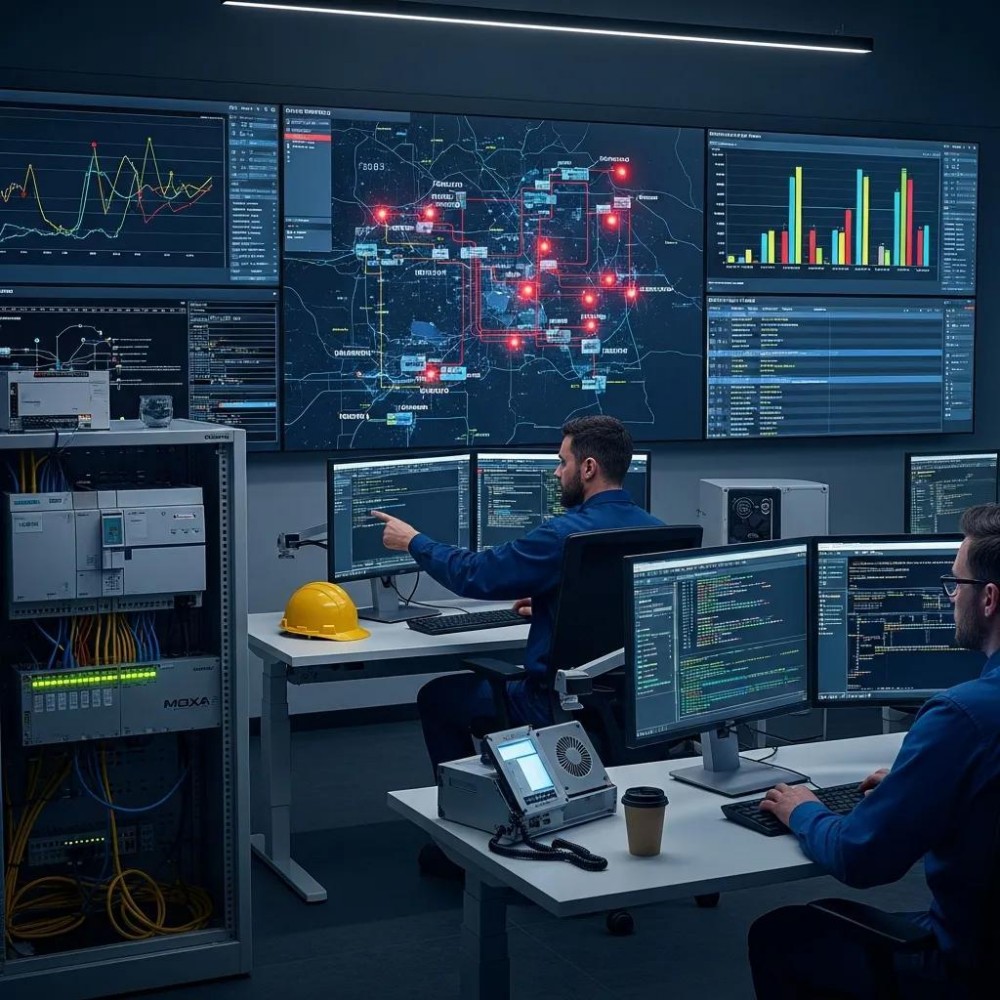
The industrial automation industry is entering an era in which connectivity, AI and digitalization are becoming essential parts of production. At the same time, these technologies introduce new risks.
The future of industrial automation will therefore depend not only on faster controllers, smarter software and more connected devices, but also on the ability to build secure and resilient control systems.
For PLC and DCS users, cybersecurity is becoming a fundamental part of automation engineering rather than an optional additional function.
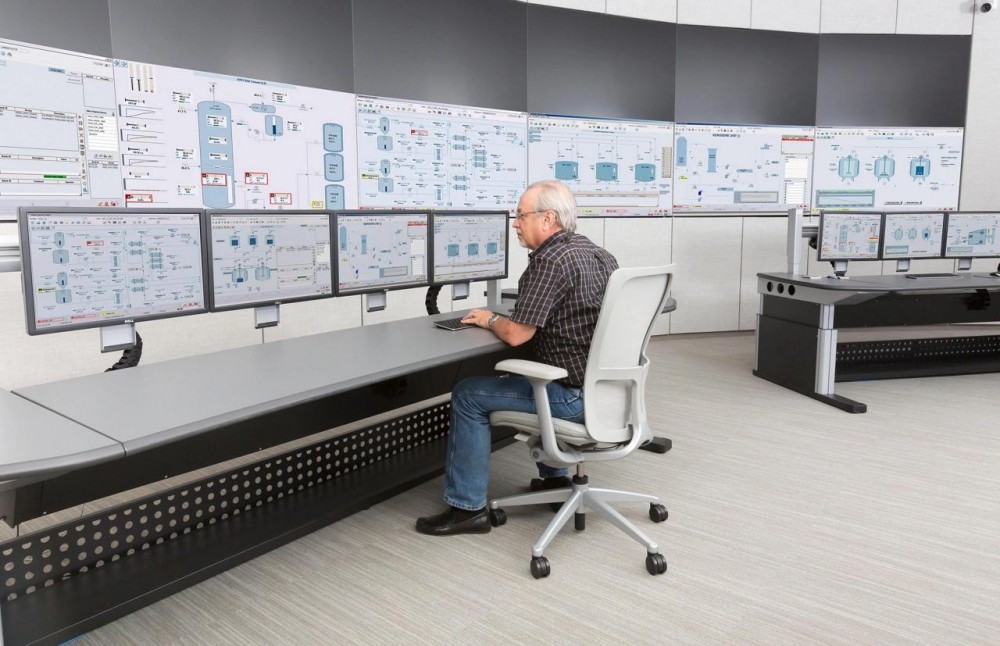 Schneider Electric Launches Foxboro Software-Defined DCS To Advance Industrial Automation
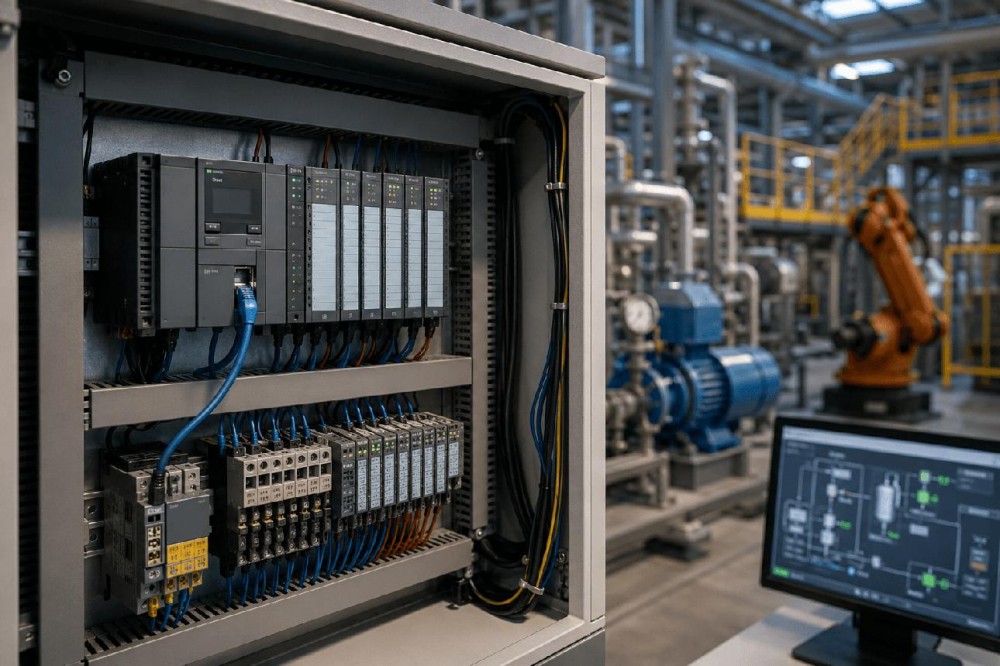 Rockwell Automation Introduces FactoryTalk Conductor: A New AI Platform For Industrial Automation
 Rockwell Automation Expands Industrial AI Capabilities With NVIDIA Nemotron Support
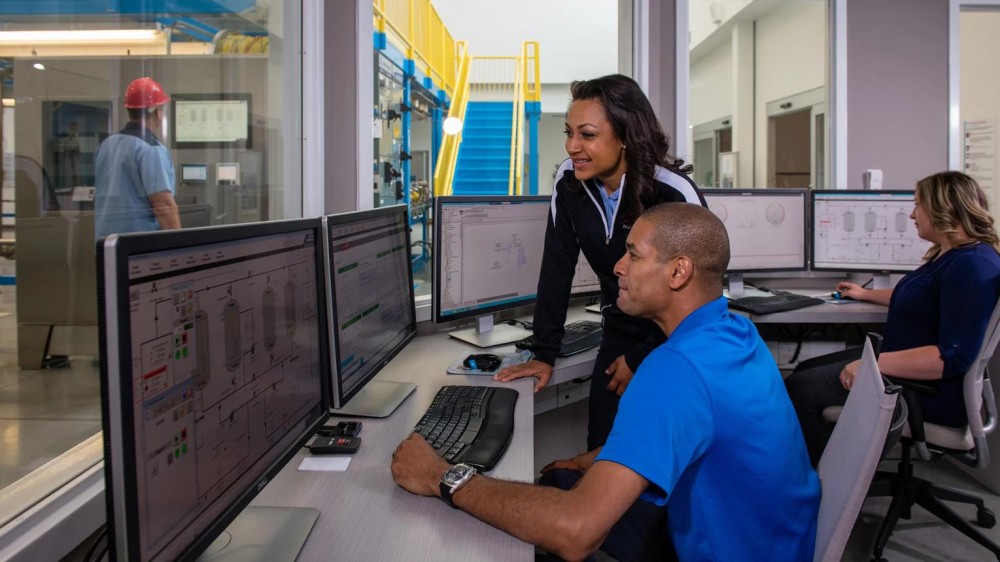 Rockwell Automation Introduces FactoryTalk Conductor To Advance AI-Driven Industrial Automation