100% Original, Ready to Ship!

Industrial Robots Move Beyond Factory Production Into Data Center Maintenance
Industrial robots have traditionally been associated with manufacturing operations such as welding, assembly, material handling and machine tending. A new generation of applications is now expanding robotics into infrastructure maintenance, including data centers.
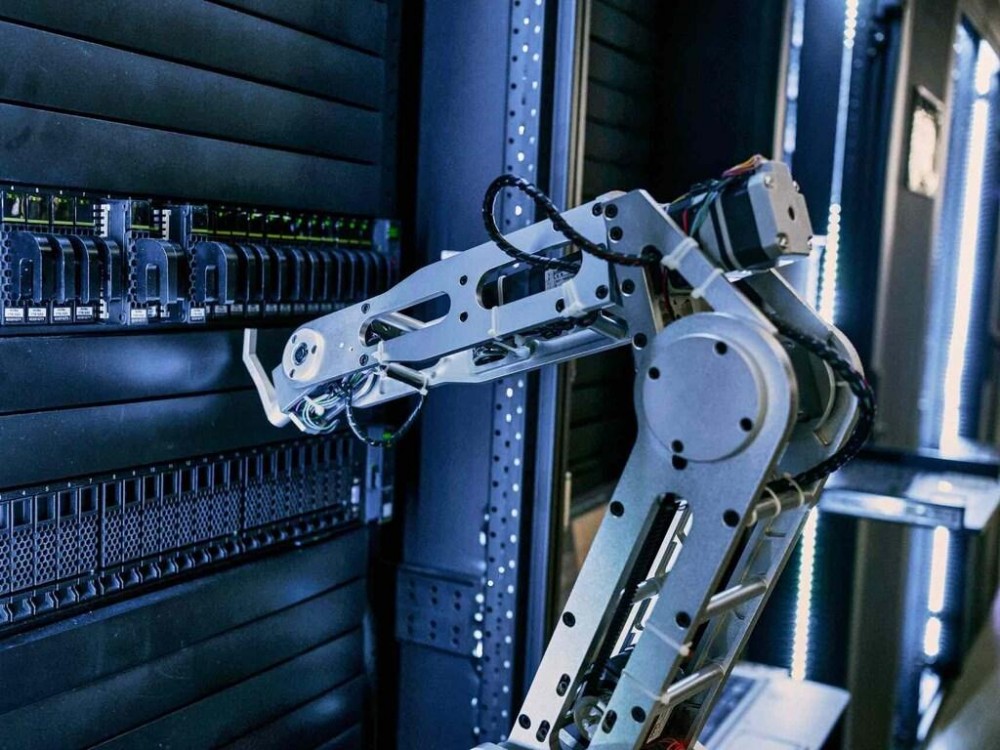
Large technology companies are experimenting with robots that can assist with repetitive physical tasks inside data centers. These applications include handling cables, resetting servers, replacing components, inspecting equipment and supporting maintenance operations.
The development is significant for the industrial automation industry because data centers present a very different environment from traditional factories. A manufacturing robot usually operates in a carefully controlled workspace with known positions, dedicated tooling and predictable material flow. Data centers contain large numbers of server racks, cables, power systems and networking components that were originally designed for human technicians.
Robotic systems operating in this environment therefore require advanced sensing, machine vision, motion control and software. A robot must be able to identify equipment, position itself accurately and perform delicate physical operations without damaging expensive hardware.
This creates opportunities for technologies commonly used in industrial automation. PLCs, industrial Ethernet, servo drives, sensors, machine vision systems and safety controllers can all play important roles in robotic infrastructure.
Another important aspect is the relationship between AI and robotics. Traditional industrial robots generally follow predefined programs. Newer systems are increasingly using AI to interpret visual information, recognize objects and adapt their actions to changing environments.
For data center operators, robotic maintenance could eventually provide several benefits. Robots can perform repetitive tasks consistently, operate continuously and potentially reduce the amount of manual work required for large facilities.
However, the technology still faces practical challenges. Data center environments contain complicated cable arrangements, limited working spaces and many different types of hardware. Some maintenance operations require judgment and flexibility that remain difficult for autonomous machines.
The development nevertheless highlights an important transformation in industrial automation. Robots are no longer limited to production lines. They are increasingly being considered for inspection, maintenance, logistics and infrastructure operations.
For PLC and automation engineers, this trend could create new integration opportunities. A future data center may combine environmental sensors, PLC-based control, robotic systems, machine vision, edge computing and AI software into one integrated automation architecture.
The same concept could also be applied to other industrial environments, including warehouses, energy facilities, semiconductor plants and process industries.
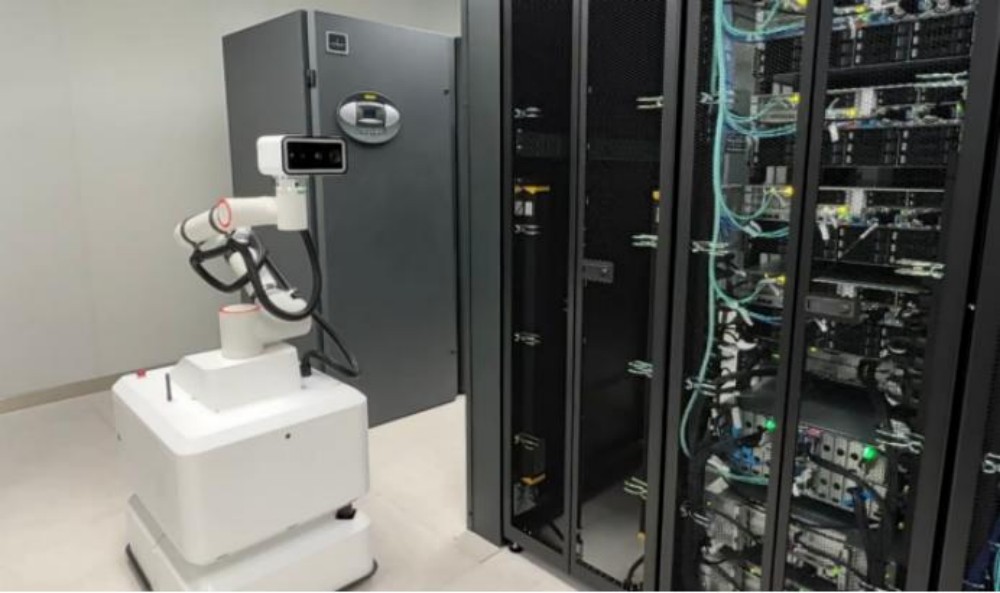
As robotic technology becomes more intelligent and flexible, maintenance automation may become an important new application area. The long-term objective is not necessarily to eliminate human technicians, but to allow robots to handle repetitive and physically demanding work while engineers focus on complex maintenance decisions.
The expansion of robotics into data center maintenance demonstrates how industrial automation technology is gradually moving into new industries and applications.
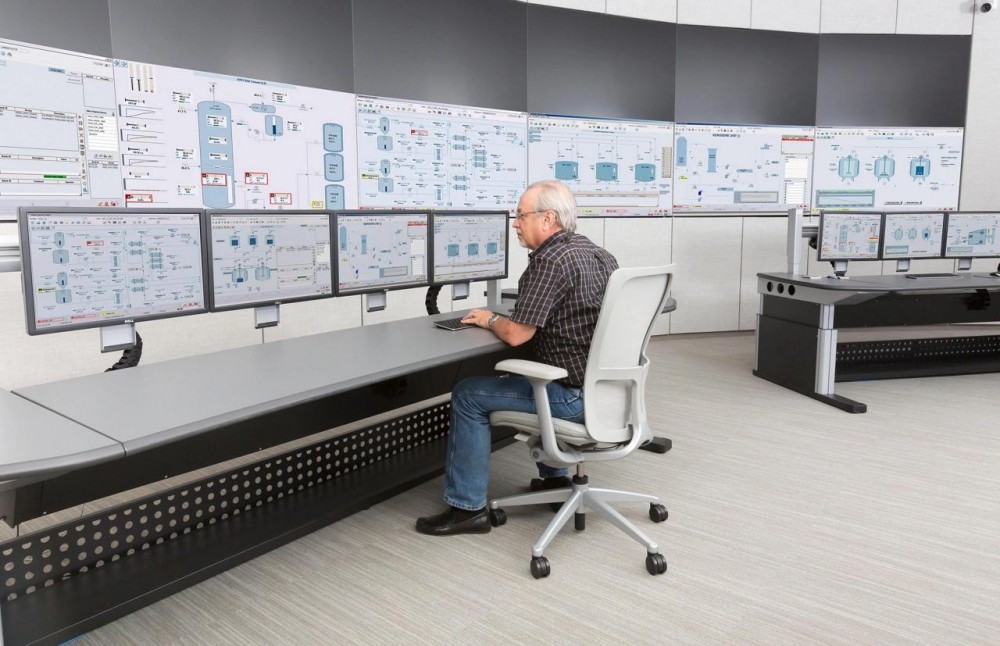 Schneider Electric Launches Foxboro Software-Defined DCS To Advance Industrial Automation
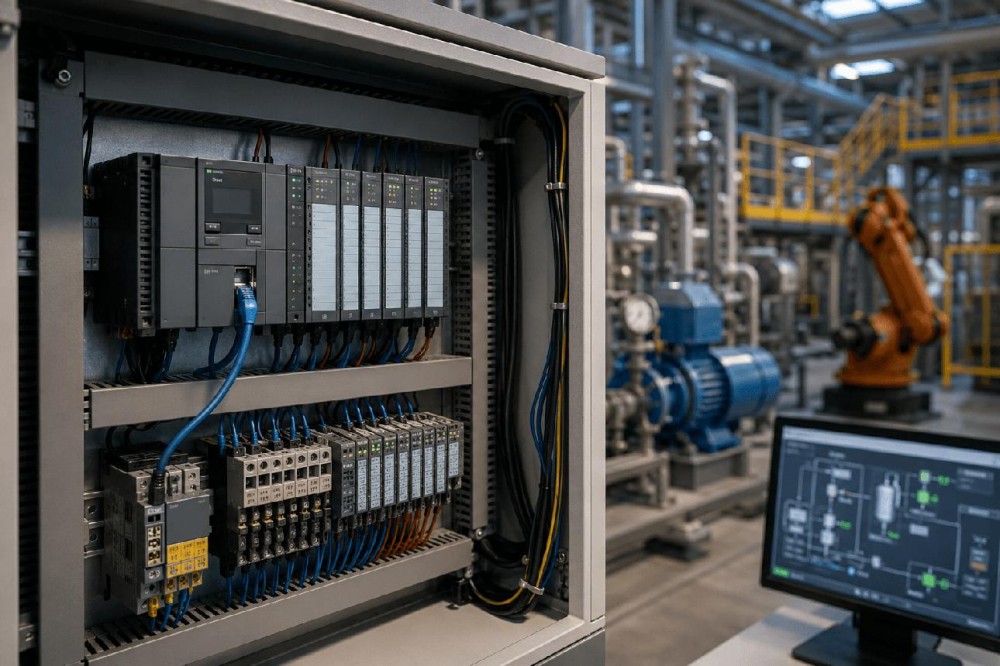 Rockwell Automation Introduces FactoryTalk Conductor: A New AI Platform For Industrial Automation
 Rockwell Automation Expands Industrial AI Capabilities With NVIDIA Nemotron Support
 Rockwell Automation Introduces FactoryTalk Conductor To Advance AI-Driven Industrial Automation