100% Original, Ready to Ship!

Siemens Advances AI-Powered PLC Engineering For Industrial Automation
Artificial intelligence is becoming an increasingly important part of industrial automation, and Siemens is taking further steps to bring AI directly into the engineering workflow. The company’s latest developments around its Eigen Engineering Agent demonstrate how AI can be used to support PLC programming, automation engineering and machine development.
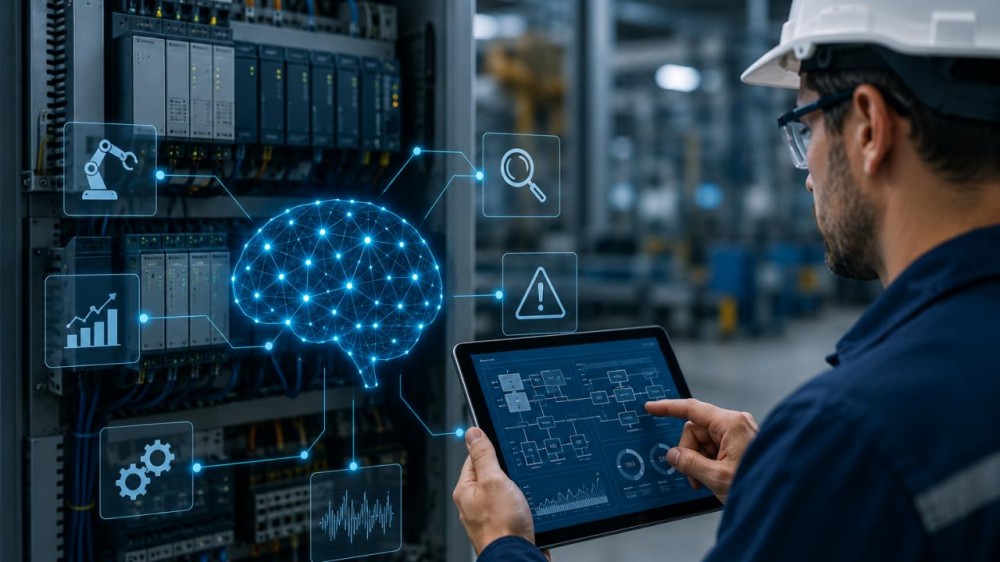
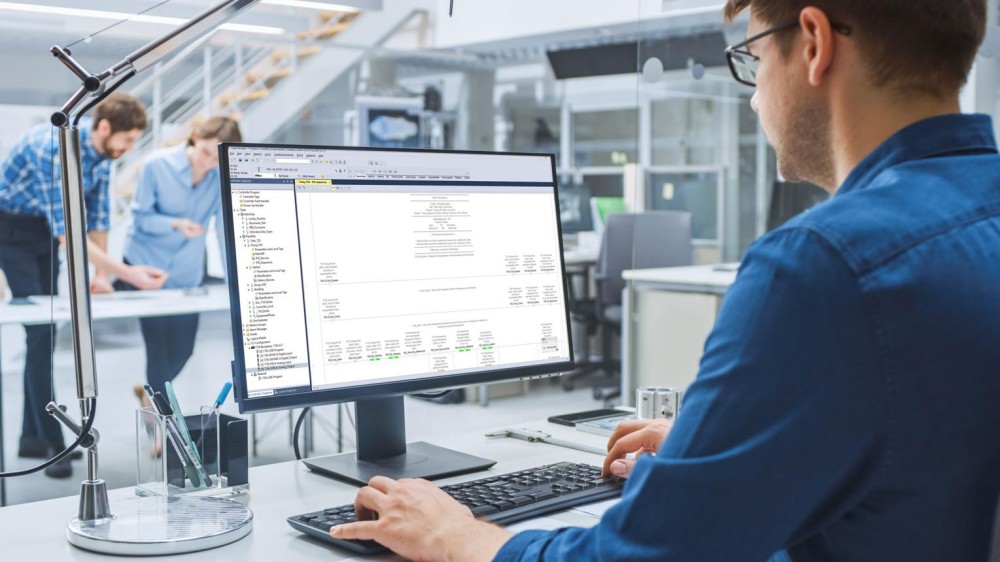
Traditional PLC engineering requires engineers to complete many repetitive tasks, including hardware configuration, tag creation, PLC programming, HMI development, documentation and troubleshooting. These activities can consume significant amounts of engineering time, particularly on large automation projects involving multiple controllers and field devices.
The Eigen Engineering Agent is designed to assist engineers within the industrial automation environment. Instead of functioning only as a general-purpose chatbot, the engineering agent is intended to understand the structure and context of an automation project. It can support tasks such as generating PLC code, explaining existing programs, creating documentation and assisting with engineering workflows.
One important direction is the connection between electrical engineering information and PLC programming. Automation projects often require engineers to transfer information between electrical design systems and PLC engineering software. Automating parts of this process can reduce repetitive work and help minimize configuration errors.
For machine builders and system integrators, AI-assisted engineering could provide significant advantages. Engineers may be able to create initial control programs faster, identify inconsistencies earlier and spend more time on application-specific tasks such as process optimization, safety design and commissioning.
The development also reflects a larger change taking place across the industrial automation market. AI is no longer being considered only for predictive maintenance or production optimization. It is increasingly being integrated into the engineering process itself.
This trend could eventually influence the entire automation lifecycle. PLC programming, HMI configuration, drive setup, industrial networking, simulation and commissioning could become increasingly connected through intelligent engineering tools.
However, AI does not remove the need for experienced automation engineers. Generated PLC code still requires engineering review, testing and validation before being deployed to a real machine or process. Safety-related applications also require appropriate verification and compliance with applicable standards.
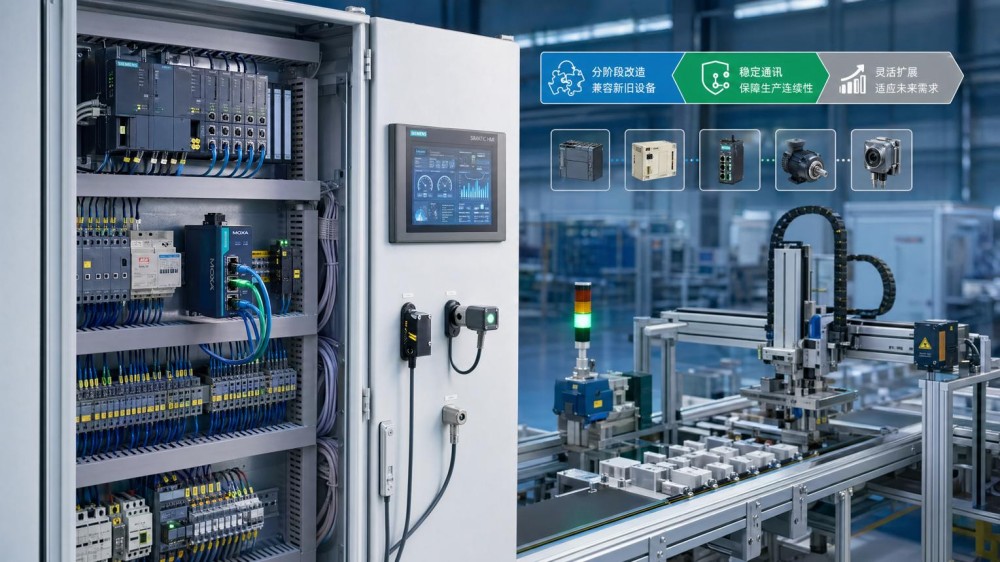
For companies using PLC, HMI, SCADA and industrial networking technologies, the growing availability of AI engineering tools represents an important development. The objective is not simply to replace conventional programming, but to make automation engineering faster, more consistent and easier to manage.
As industrial AI continues to mature, AI-assisted PLC engineering is likely to become an important part of the next generation of smart manufacturing systems.
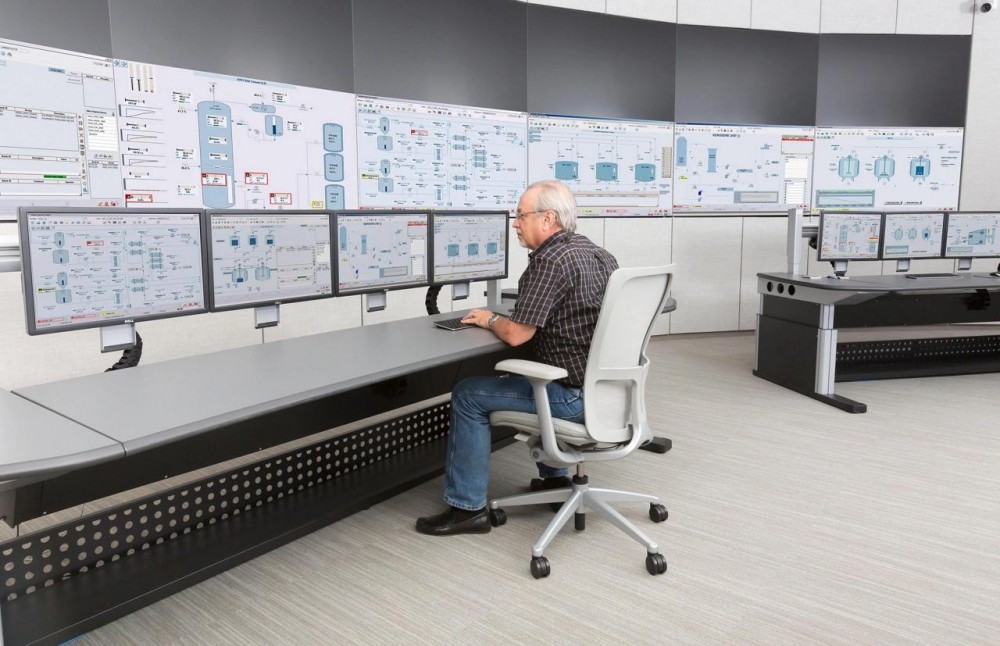 Schneider Electric Launches Foxboro Software-Defined DCS To Advance Industrial Automation
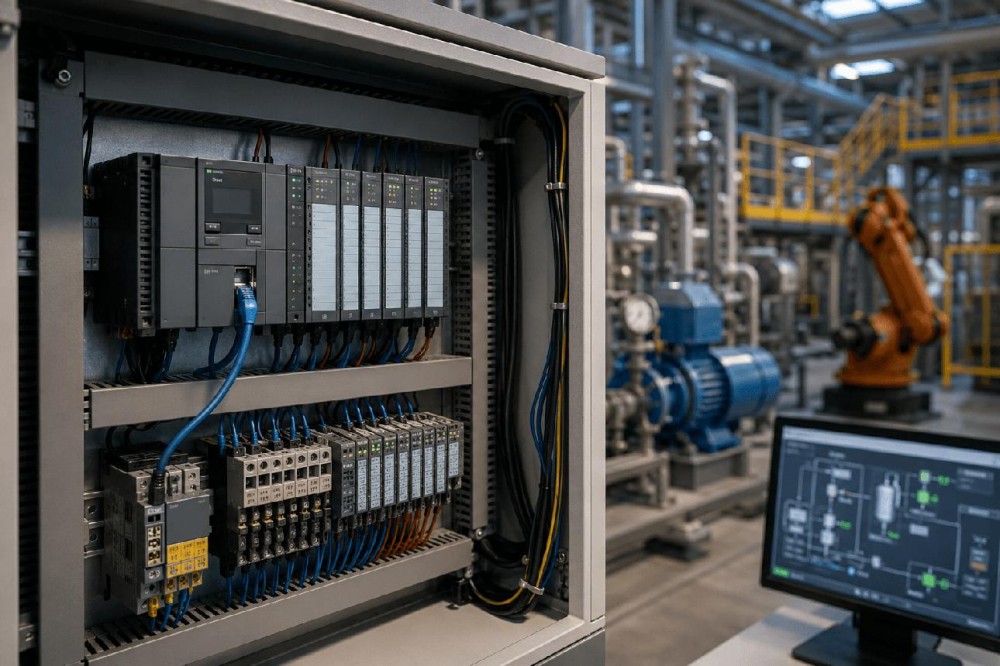 Rockwell Automation Introduces FactoryTalk Conductor: A New AI Platform For Industrial Automation
 Rockwell Automation Expands Industrial AI Capabilities With NVIDIA Nemotron Support
 Rockwell Automation Introduces FactoryTalk Conductor To Advance AI-Driven Industrial Automation