100% Original, Ready to Ship!

Key Common Challenges In Manufacturing’s Shift Toward Smart And Green Transformation
In the ongoing transformation toward smart manufacturing and green development, the biggest shared challenge is not a single issue of technology or funding, but a complex systemic “balancing problem.” Manufacturers must continuously optimize across four dimensions—operational safety, production efficiency, low-carbon sustainability, and cost control—while maintaining a dynamic equilibrium. This places higher demands on both management systems and technological capabilities.
First, profitability pressure is intensifying. In many segments, production capacity is expanding faster than market demand growth, leading to increased price competition and shrinking margins. As a result, improving profitability has become a core challenge for manufacturing enterprises in the current market environment.
Second, innovation capability needs to be strengthened. Relying solely on cost reduction and efficiency improvement is no longer sufficient for long-term growth. Companies must pursue technological and business model innovation to create new profit streams and ensure sustainable development. This requires stronger R&D investment and more robust innovation systems.
Third, the shortage of skilled talent is becoming more pronounced. Demographic shifts and changing career preferences have reduced the attractiveness of traditional manufacturing roles. In particular, fewer workers are willing to enter frontline industrial positions such as chemical plants. At the same time, modern industrial facilities are becoming increasingly complex, with growing demand for automation, digitalization, and intelligent maintenance. This structural mismatch is accelerating the need for smarter and more autonomous industrial systems.
Overall, the key to manufacturing transformation lies in achieving system-wide optimization under multiple constraints. This is not only a technological upgrade, but also a comprehensive restructuring of industrial models and operational strategies.
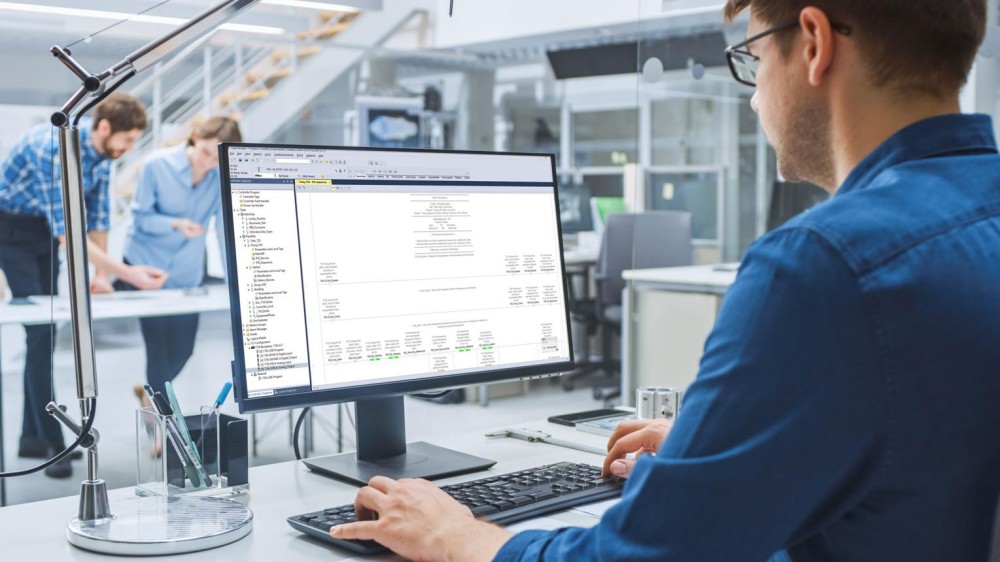 Rockwell Automation Expands Industrial AI Capabilities With NVIDIA Nemotron Support
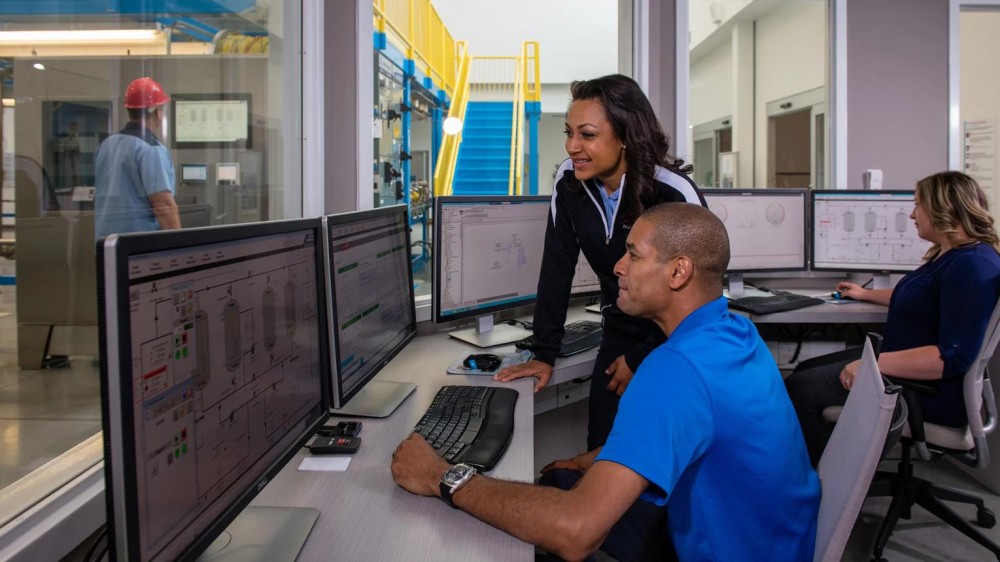 Rockwell Automation Introduces FactoryTalk Conductor To Advance AI-Driven Industrial Automation
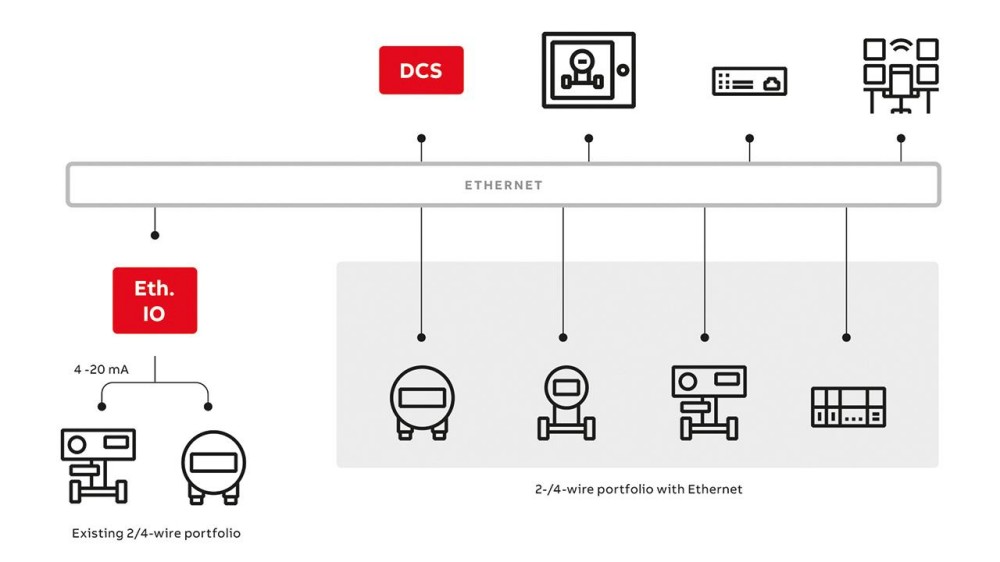 ABB And Boliden Advance DCS Modernization With Ethernet-APL Industrial Automation
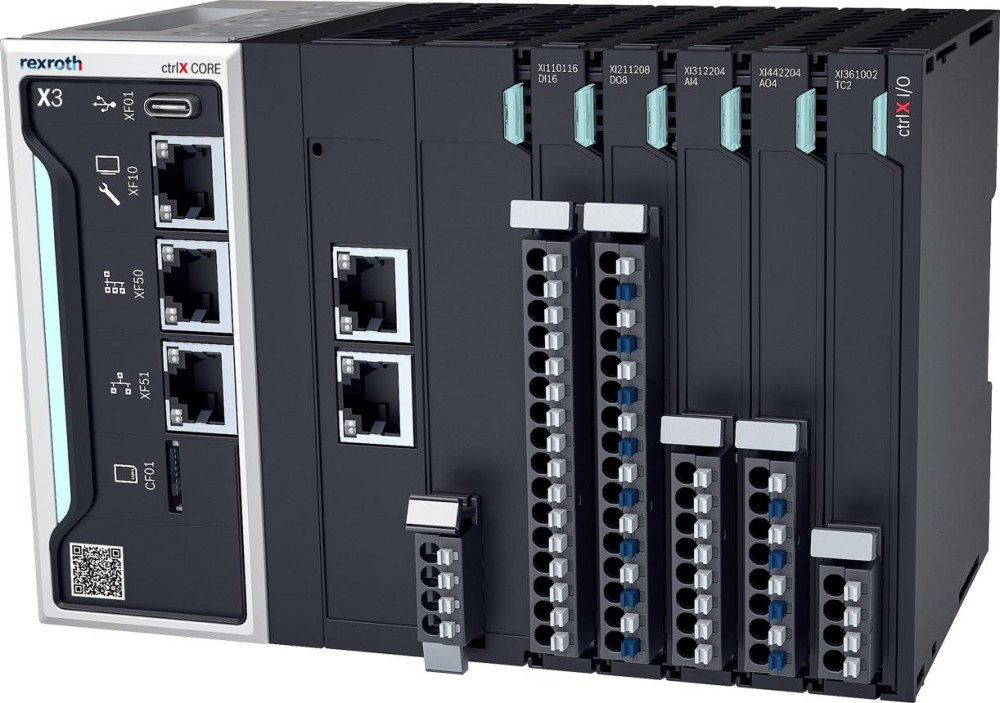 Bosch Rexroth Expands ctrlX AUTOMATION With New Safety PLC, Drive And Software Features