100% Original, Ready to Ship!

Why Honeywell Chose Tianjin For Manufacturing And Its Impact On Global Green Supply Chain
The decision to establish a manufacturing base in Tianjin was driven by a combination of geographic, industrial, and talent advantages. Tianjin is adjacent to Beijing and benefits from strong port infrastructure, making it a key logistics hub in northern China. It is also an important industrial base where Sinopec has established significant operations. Historically, Tianjin was one of the earliest cities in China to implement public-private industrial cooperation, giving it a strong foundation in modern industrial development. In addition, the city has a well-developed chemical industry ecosystem supported by leading universities such as Tianjin University, which has trained a large number of professionals in chemical engineering and related fields.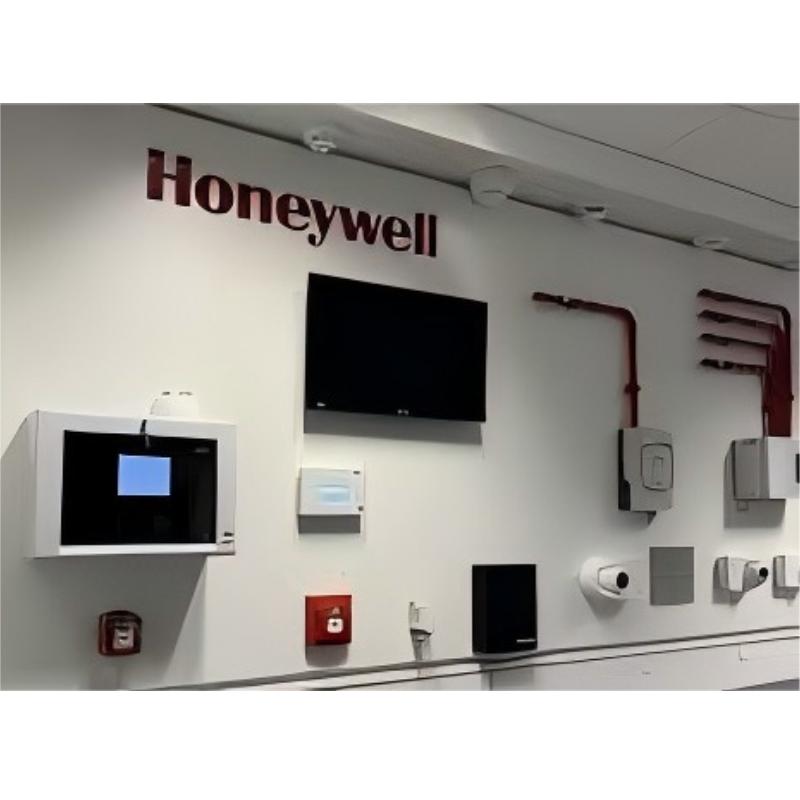
Beyond being a production site, the Tianjin facility represents more than 30 years of continuous development in China. It has evolved from a traditional manufacturing plant into an integrated innovation hub that combines R&D, production, sales, and services. This transformation reflects a long-term strategic commitment to the Chinese market and its industrial development trajectory.
Aligned with China’s dual-carbon goals and the development of new quality productive forces, the Tianjin base integrates closely with Honeywell’s strengths in automation and industrial digitalization. By upgrading the site into an innovation-driven platform, the company is able to accelerate the localization of smart manufacturing and sustainability technologies, delivering solutions that support industrial transformation and decarbonization for Chinese customers.
The Tianjin plant has already implemented advanced digital solutions such as intelligent building energy management systems, achieving measurable improvements in energy efficiency and carbon reduction. These validated practices provide scalable reference models for other global facilities and customers pursuing low-carbon transformation. In addition, the Sustainability Digital Innovation Center established in Tianjin focuses on energy efficiency, digital manufacturing, and circular economy technologies, aiming to translate local innovation into global competitiveness.
The company also supports China’s push toward zero-carbon factories and zero-carbon industrial parks, viewing them as an inevitable stage in industrial evolution. Participation in such initiatives is seen as a key pathway for improving energy structure, enhancing operational efficiency, and strengthening long-term competitiveness.
Looking ahead, collaboration with Tianjin Economic-Technological Development Area is expected to deepen, particularly in areas such as intelligent energy management and low-carbon industrial systems. By sharing proven technologies and operational experience, both sides aim to jointly explore scalable zero-carbon development pathways and contribute to building a national benchmark for sustainable industrial parks.
 Rockwell Automation Expands Industrial AI Capabilities With NVIDIA Nemotron Support
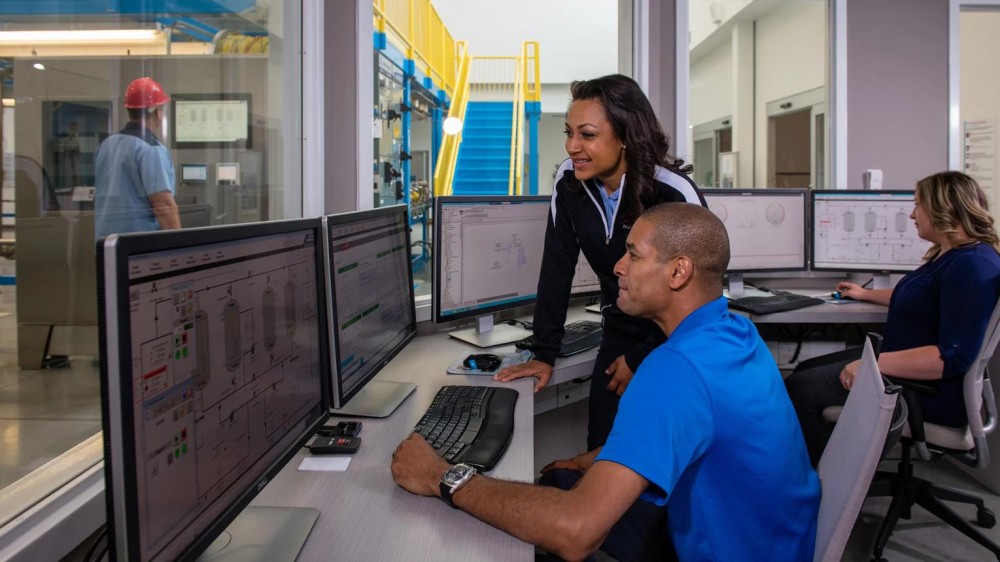 Rockwell Automation Introduces FactoryTalk Conductor To Advance AI-Driven Industrial Automation
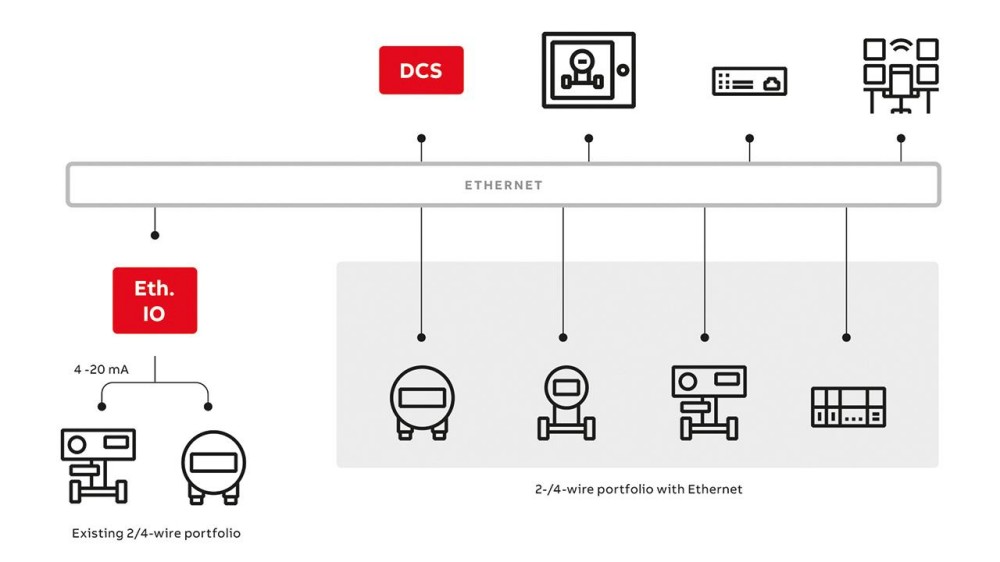 ABB And Boliden Advance DCS Modernization With Ethernet-APL Industrial Automation
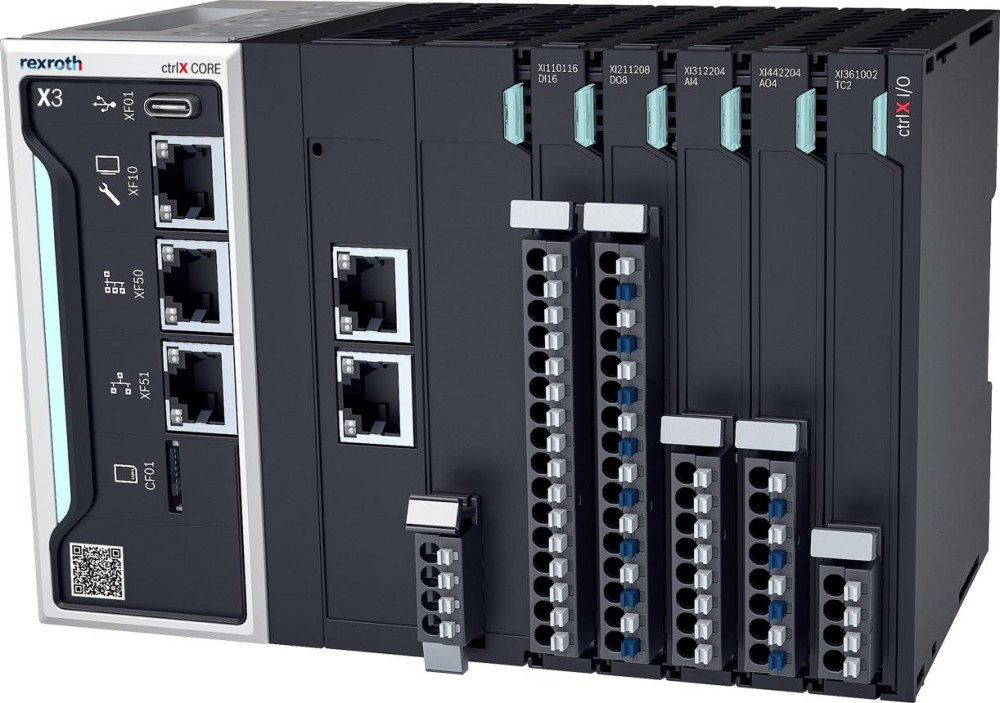 Bosch Rexroth Expands ctrlX AUTOMATION With New Safety PLC, Drive And Software Features