100% Original, Ready to Ship!

ABB Sells Robotics Business to SoftBank for $53.75 Billion, Abandons IPO Plan
ABB has agreed to sell its robotics business to SoftBank Group for $53.75 billion (about RMB 380 billion), abandoning its earlier plan to spin off the unit through an independent IPO.
The transaction, which still requires regulatory approval, is expected to be completed in the second half of 2026.
Strategic Shift Away From Robotics IPO
ABB originally planned to list its robotics division as a standalone company in 2026. However, the group has now opted for a full divestment, aiming to unlock immediate shareholder value and simplify its business structure.
The robotics unit generated about $2.3 billion in revenue in 2024, accounting for roughly 7% of ABB’s total revenue, but its profitability lagged behind core segments such as electrification and automation.
Rising Pressure From Competition
In recent years, global industrial robotics competition has intensified, especially in China, the world’s largest robotics market.
Local manufacturers have rapidly gained market share, supported by cost advantages, faster service response, and strong supply chain integration. According to industry reports, Chinese domestic brands increased their market share in industrial robots from 47% in 2023 to 58% in 2024.
This shift has increased competitive pressure on global players like ABB, particularly in automotive and manufacturing applications.
Financial and Strategic Rationale
ABB expects the deal to generate around $5.3 billion in cash proceeds and a significant non-operating gain. The company stated that the sale allows it to focus on higher-growth areas such as electrification and automation.
Chairman Peter Voser said SoftBank’s offer reflects the long-term value of the robotics business and delivers immediate value to shareholders.
Why SoftBank Is Buying Robotics
SoftBank Group has long pursued its “physical AI” vision, aiming to combine artificial intelligence with robotics to bridge the digital and physical worlds.
The group has invested in multiple robotics and automation companies, including logistics automation, humanoid robotics, and AI startups. The acquisition of ABB’s robotics unit is seen as a key step in strengthening its “hardware execution layer.”
Industry Impact
Analysts believe the deal reflects a broader industry trend: robotics is becoming increasingly capital-intensive and competitive, while leading industrial firms are refocusing on core infrastructure and energy-related businesses.
The transaction also marks a strategic shift from “IPO-driven restructuring” to “capital-driven consolidation” in global industrial automation.
 Rockwell Automation Expands Industrial AI Capabilities With NVIDIA Nemotron Support
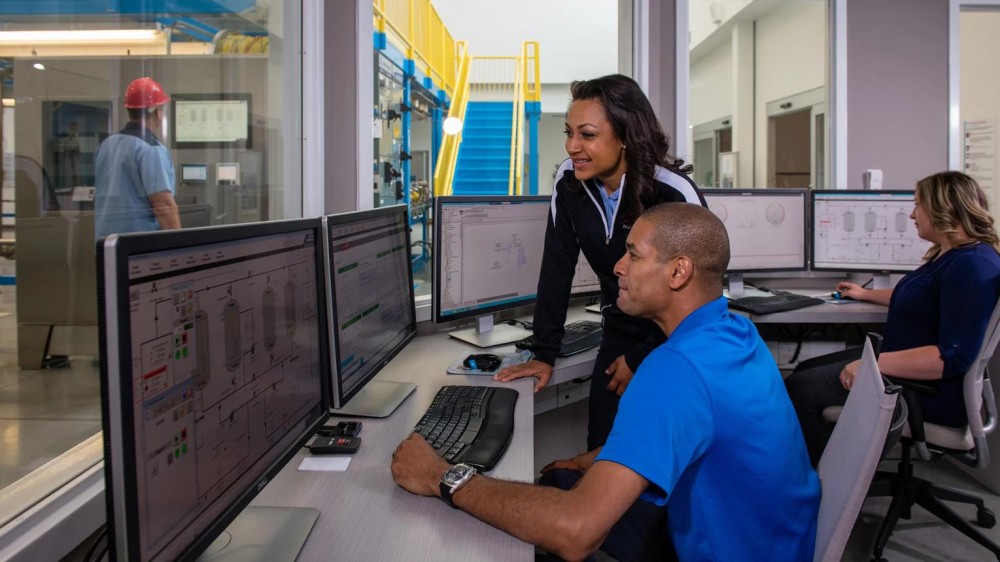 Rockwell Automation Introduces FactoryTalk Conductor To Advance AI-Driven Industrial Automation
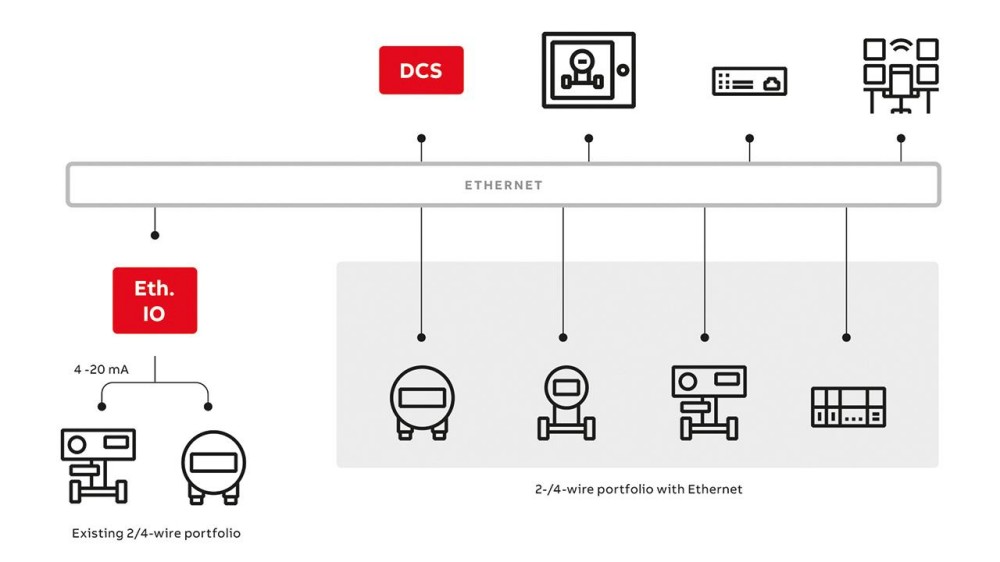 ABB And Boliden Advance DCS Modernization With Ethernet-APL Industrial Automation
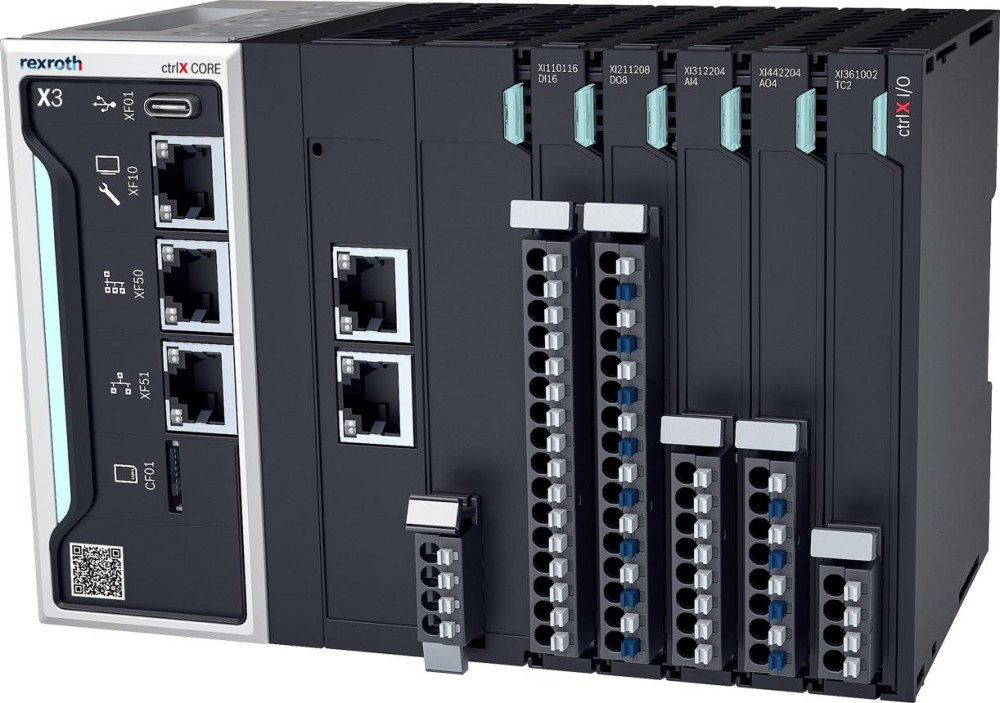 Bosch Rexroth Expands ctrlX AUTOMATION With New Safety PLC, Drive And Software Features