100% Original, Ready to Ship!

ABB Group Han Chen: Co-Opetition Drives China’s Robotics Industry Growth
At the 25th China International Industry Fair (CIIF) in Shanghai, ABB Group showcased new robotics innovations and shared updates on capitalisation plans and supply chain localisation in China.
ABB introduced upgraded robotics solutions featuring enhanced machine vision compatibility, improved mobility, and AI-driven dynamic path planning. The company aims to strengthen its position in autonomous versatile robotics (AVR) amid accelerating AI adoption.
ABB Robotics China Head Han Chen said AI is rapidly expanding the use of machine vision in industrial robots. “More than 30% of robots now use vision systems,” he noted, but added that integration remains complex due to fragmented camera and vision processor ecosystems, increasing cost and technical barriers for users.
To address this, ABB launched its OmniCore EyeMotion system and online path-planning technology, enabling robots to use third-party cameras or sensors while leveraging AI for real-time motion optimisation and improved cycle efficiency.
Han Chen acknowledged mixed results in industrial AI adoption but highlighted strong progress in precision improvement, adaptive operation, and unstructured environment handling. ABB’s internal applications reportedly improved screw-driving accuracy from around 20% to near 100% using deep learning-based vision systems, while also advancing solutions for flexible cable assembly using dexterous robotics.
However, he stressed that AI deployment in robotics remains constrained by computing limits, reliability challenges, and industrial requirements for high precision and stability, making ABB’s approach cautious and phased.
ABB also announced a strategic partnership with Mofan Technology to apply digital twin simulation for faster AI integration in manufacturing environments.
Han Chen described China’s robotics sector as one of the most competitive globally, stating that “co-opetition and symbiosis” will be key industry drivers.
ABB has operated in China for over 30 years, with robotics localised since 1994 and full value-chain operations established since 2005. The company now has nearly 300 R&D staff in Shanghai and Zhuhai and plans to further expand local R&D capabilities.
To adapt to market competition, ABB is launching China-focused SCARA, collaborative, and compact industrial robots while improving cost efficiency and lifecycle value.
ABB also confirmed plans to spin off its robotics division into a separately listed company, targeting completion by Q2 2026, to increase operational autonomy and better serve localised innovation needs.
 Rockwell Automation Expands Industrial AI Capabilities With NVIDIA Nemotron Support
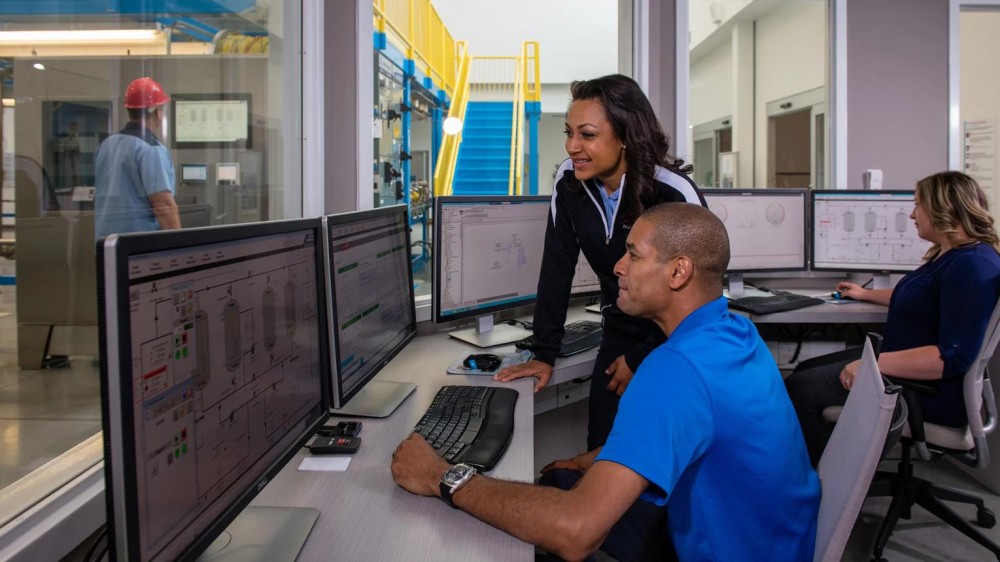 Rockwell Automation Introduces FactoryTalk Conductor To Advance AI-Driven Industrial Automation
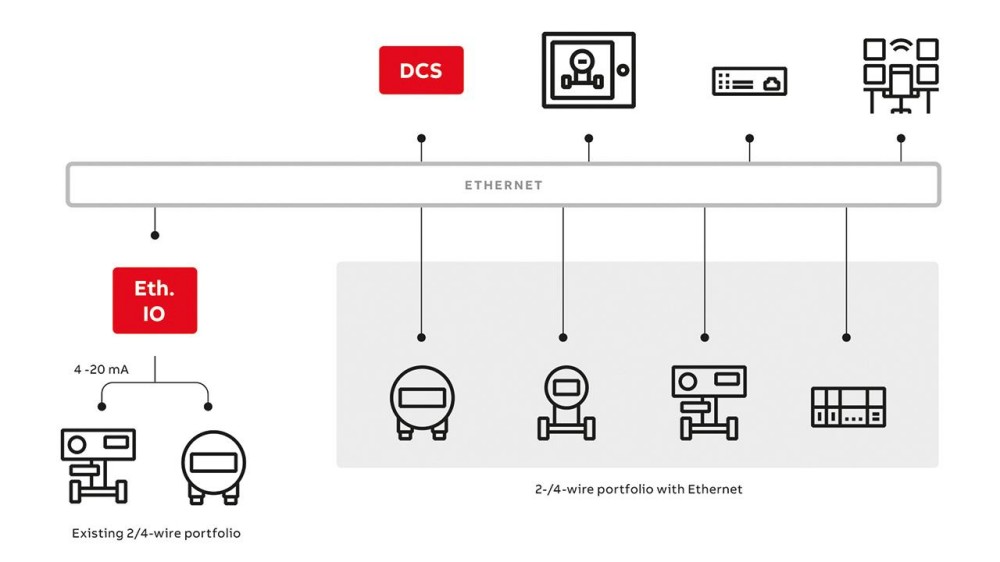 ABB And Boliden Advance DCS Modernization With Ethernet-APL Industrial Automation
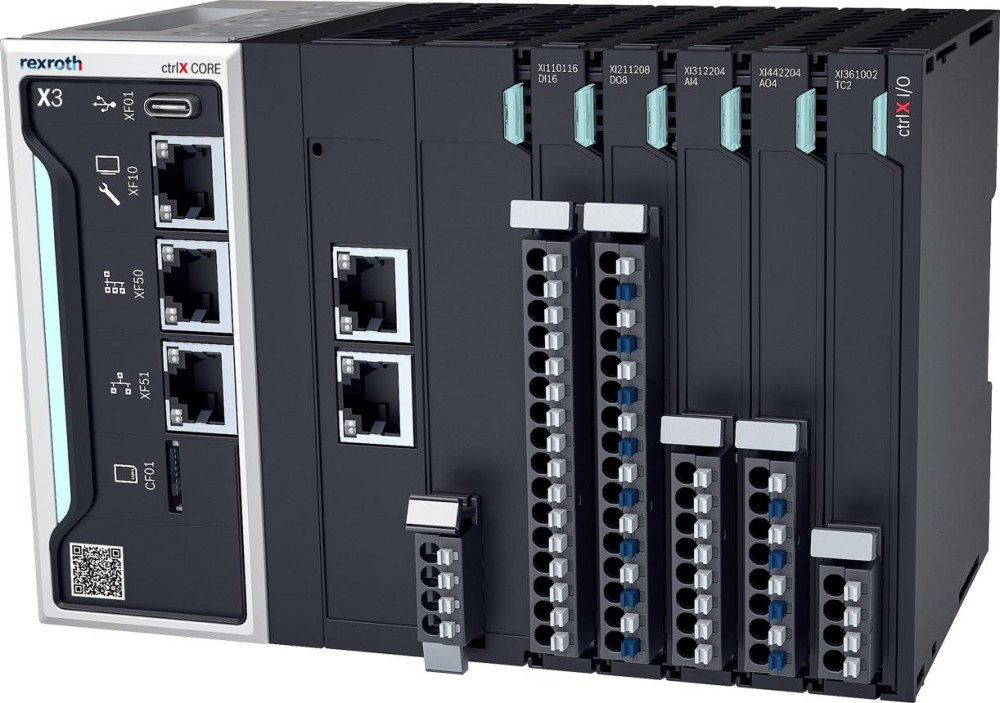 Bosch Rexroth Expands ctrlX AUTOMATION With New Safety PLC, Drive And Software Features