100% Original, Ready to Ship!

ABB Releases White Paper On Decarbonization Pathway For The Pulp And Paper Industry Toward Net-Zero Emissions
ABB Ltd has released a new industry white paper titled “Decarbonization in Action: The Pulp and Paper Industry’s Journey to Net Zero.” The report explores how the pulp and paper sector is accelerating its transition toward carbon neutrality through innovation, digitalization, automation, and electrification.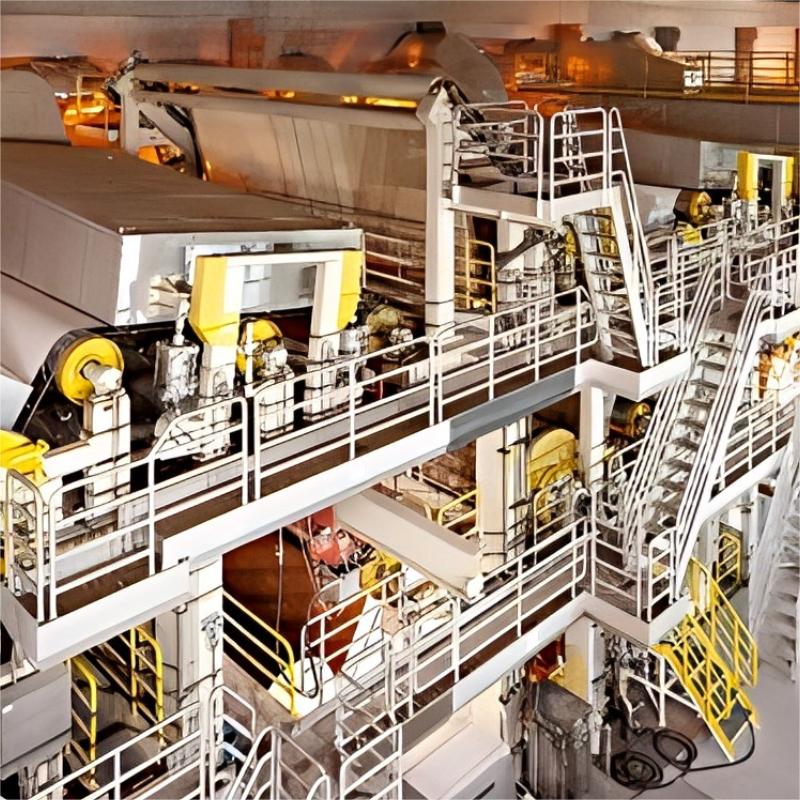
The white paper includes insights from industry leaders and organizations such as Metsä Group, Sappi, Smurfit Westrock, UPM, Modellfabrik Papier, Metsäteollisuus, and ABB. It provides an in-depth analysis of the sector’s progress toward net-zero emissions and highlights practical actions companies can take today to reduce emissions through optimized processes and advanced technologies.
As a highly energy- and water-intensive industry, the pulp and paper sector faces significant decarbonization challenges despite its advantage of using renewable, recyclable raw materials that support circular carbon flows. The report emphasizes the need for a fundamental transformation in energy usage and greater focus on optimizing manufacturing processes to improve the sustainable use of natural resources.
Two primary decarbonization strategies are identified: deploying high-energy-efficiency technologies and increasing the use of fossil-free energy sources. Achieving net-zero emissions requires a coordinated approach combining both strategies. The industry has already made measurable progress through digital transformation, process electrification, and energy-efficient technologies.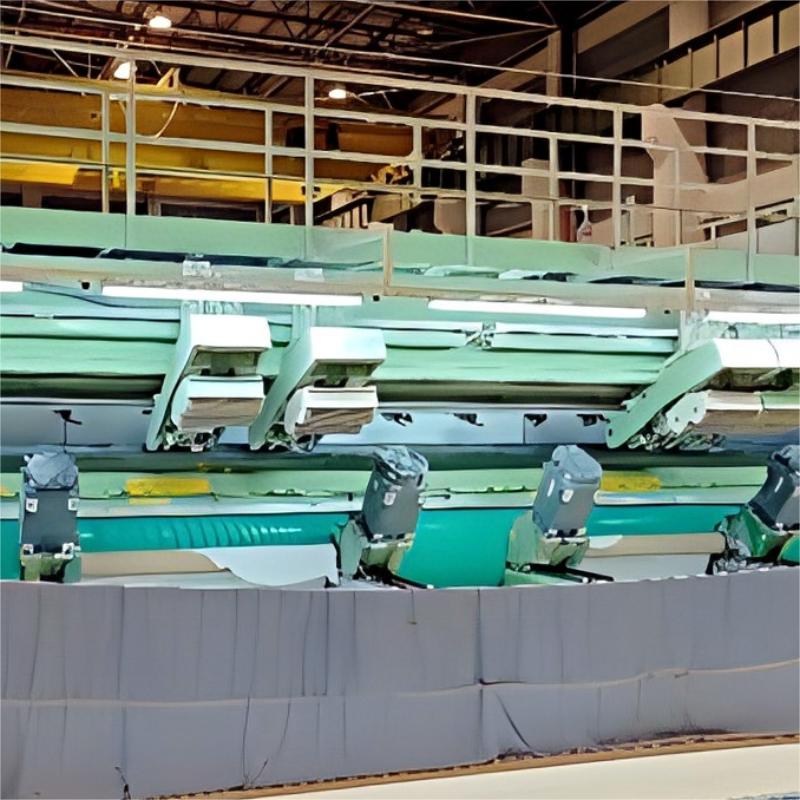
Technological innovation is highlighted as a key driver of decarbonization. ABB experts outline several pathways for achieving long-term sustainability, including generating additional value from bio-based byproducts to improve both profitability and energy efficiency. The report also notes that replacing traditional fossil-fuel-based lime kilns with plasma calcination processes could significantly reduce carbon emissions.
The white paper also examines regional developments, particularly in China, where leading companies are implementing localized sustainability strategies. For example, UPM-Kymmene Corporation has established ESG-based decarbonization targets validated by the Science Based Targets initiative (SBTi) and integrated into formal agreements with partners and stakeholders. Its Changshu mill has achieved notable energy efficiency improvements through equipment upgrades, power plant modernization, and the adoption of green energy procurement.
The report concludes that achieving net-zero emissions will require clear milestone setting, cross-industry collaboration, and robust carbon tracking systems. While significant progress has already been made in reducing environmental impact and investing in low-carbon technologies, the pulp and paper industry also holds strong potential to enable broader decarbonization across other sectors by developing renewable and sustainable products.
Through collaboration, innovation, and continued technological advancement, the industry is positioned to play a key role in shaping a more sustainable, net-zero future.
 Rockwell Automation Expands Industrial AI Capabilities With NVIDIA Nemotron Support
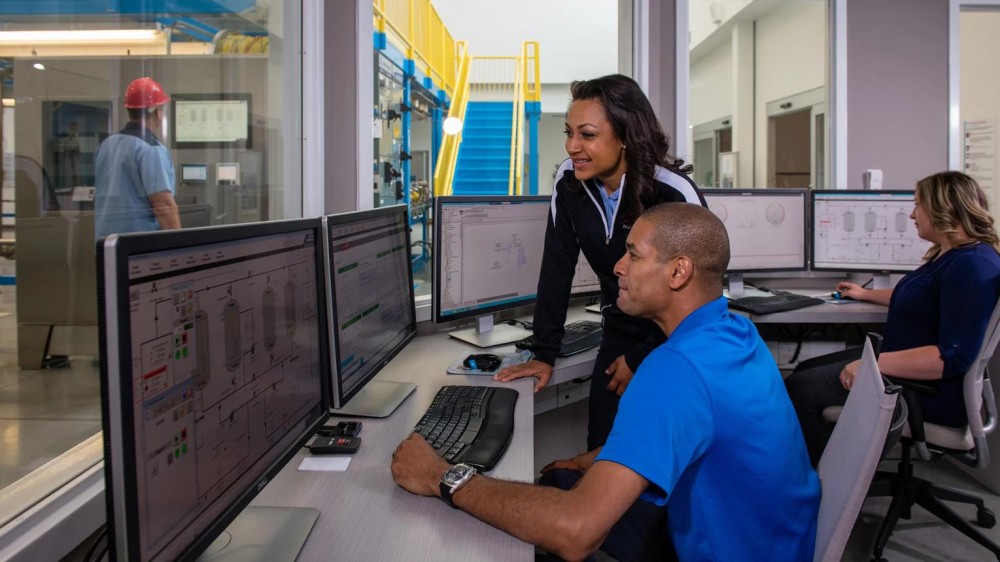 Rockwell Automation Introduces FactoryTalk Conductor To Advance AI-Driven Industrial Automation
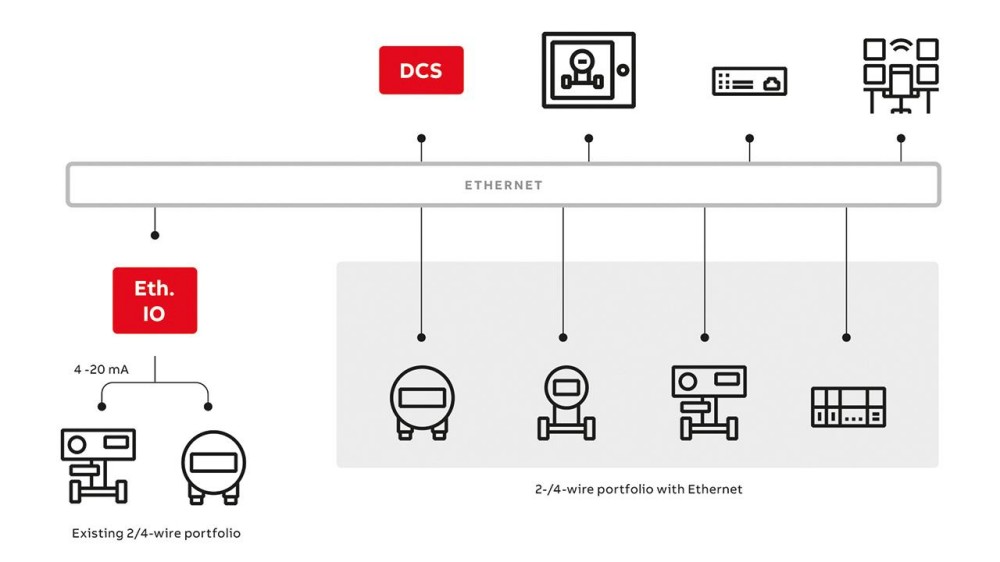 ABB And Boliden Advance DCS Modernization With Ethernet-APL Industrial Automation
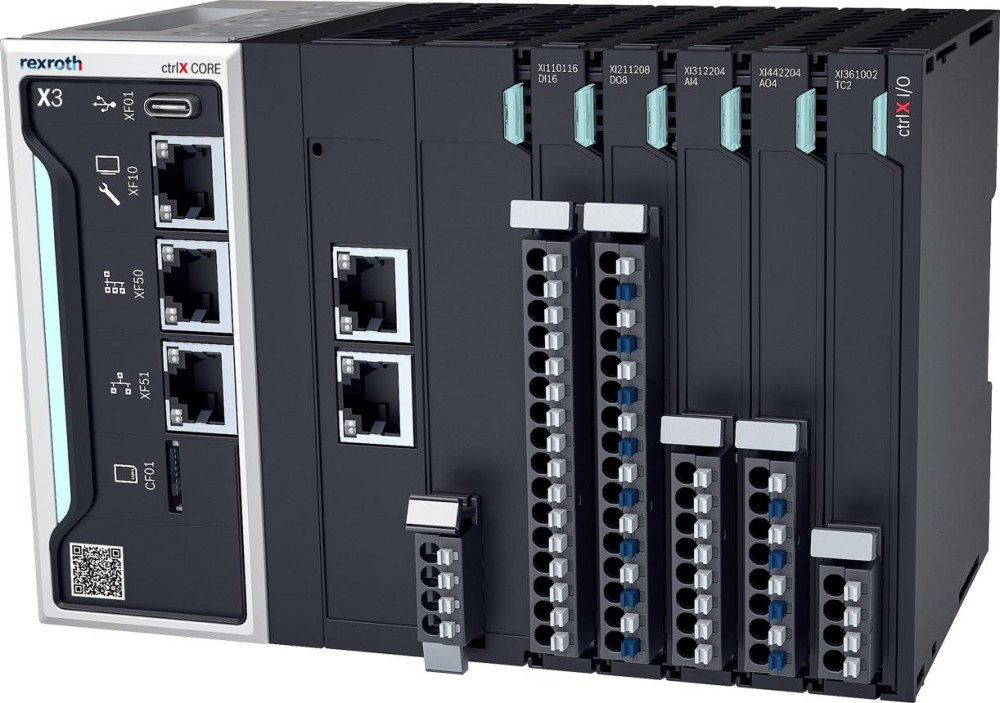 Bosch Rexroth Expands ctrlX AUTOMATION With New Safety PLC, Drive And Software Features